Jefferson County Kentucky Louisville Book Festival
On a Saturday in late October, the Kentucky International Convention Center in downtown Louisville fills with readers, writers, illustrators and educators gathered around a single shared subject: books. The gathering is the Louisville Book Festival, an event run by its own nonprofit body and documented through the organiser’s site together with several television news layers. The published name drops the county and state prefix carried in this article’s title; every layer consulted prints simply Louisville Book Festival. What those layers describe is a celebration of reading and writing that gives thousands of free books to children, brings county public school students into the same halls as working authors, and charges nothing at the door. The two most recent editions anchor the record: a sixth year in October two thousand twenty-five and a seventh year billed for Saturday the twenty-fourth of October two thousand twenty-six. For a young festival, the documentation is unusually complete, covering the founding story, the programme, the venue and the admission policy in the organiser’s own words. That completeness matters for a reader deciding whether to attend, because the essentials here do not have to be guessed at: the layers name the building, fix the hours, state who founded the event and why, and spell out that entry costs nothing.

About the Louisville Book Festival
The festival is run by its own organisation, described on the organiser’s site as a nonprofit founded in two thousand eighteen by Louisville author Deedee Cummings. Its stated purpose is to promote reading, writing and literacy, and that mission shapes the programme more than any commercial aim. Louisville hosts the event, and reference layers confirm the city’s standing: an encyclopedia layer and a state atlas layer both name Louisville as the seat of Jefferson County, and the city and county have shared one merged government since two thousand three. The setting is the Kentucky International Convention Center in the downtown core, named on the organiser’s site as the festival’s home. No second organiser form appears anywhere in the layers read, so the record presents a single founding organisation presenting a single festival under one name. Coverage comes from the organiser’s own site, a local television news layer, a regional television news layer and a television report layer, and those accounts agree on the essentials while each adds particulars of its own. The organiser’s site prints contact and application details for those who need them, though the values themselves are not reproduced here. A tax-status designator for the organising nonprofit also exists within the layers; it is noted by its existence only and forms no part of this article.
Quick Facts
| Fact | Detail |
| Published name | Louisville Book Festival |
| Host city | Louisville, Kentucky |
| County | Jefferson County |
| County seat | Louisville, per an encyclopedia layer and a state atlas layer |
| Venue | Kentucky International Convention Center, downtown Louisville |
| Organiser | The festival’s own nonprofit organisation |
| Founder | Deedee Cummings, a Louisville author |
| Founded | Two thousand eighteen |
| Documented editions | Sixth year in two thousand twenty-five; seventh year in two thousand twenty-six |
| Admission | Free and open to the public, per the organiser’s site |
History
The organiser’s site traces the festival to two thousand eighteen, when Louisville author Deedee Cummings founded the organisation behind it to promote reading, writing and literacy. The public record then picks the story up in its recent editions. A regional television news layer published on the twelfth of October two thousand twenty-five reported the festival “back for its sixth year”, and a television report layer from the same season recorded thousands of free books given to children alongside a partnership with the county public schools that brought students, teachers and parents through the doors. For two thousand twenty-six, the organiser’s site bills the gathering as the event’s seventh year. That billing is carried here exactly as printed: a billing, consistent with the founding account the organiser gives, rather than a figure converted into some separate claim of its own. No layer read offers a fuller chronology of the earliest editions, so the history rests on the founding statement and the two most recent documented years. Readers should hold that shape in mind: the record is strong at its two ends, the founding in two thousand eighteen on the organiser’s account and the televised editions of two thousand twenty-five and two thousand twenty-six, while the editions in between pass without detailed coverage in any layer consulted. Nothing here fills that middle span with invented milestones.
What to Expect
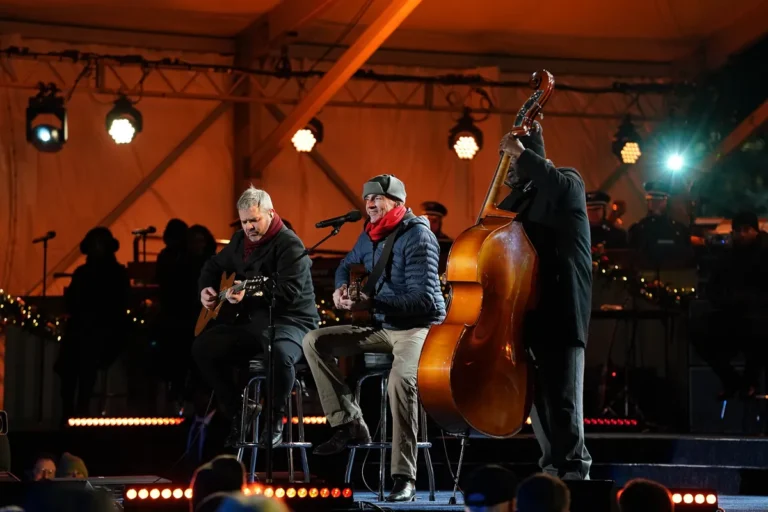
A day inside the convention center moves between stages, booths and book tables. The organiser’s programme layer lists author signings and presentations on ballroom and children’s stages, workshops and panels, with exhibitor and author booths spread through the venue. The two thousand twenty-six edition is headlined by author Roxane Gay, according to the organiser’s site and a local television news layer, and those layers count more than one hundred fifty authors, illustrators, exhibitors and educators taking part. Television coverage of the two thousand twenty-five edition adds the element many families remember longest: thousands of free books placed in children’s hands, backed by the partnership with the county public schools. One circumstance needs care rather than confusion. A separate event, the Kentucky Women’s Book Festival, hosted by a university, runs simultaneously in the same building. It is its own festival with its own organisers, and nothing from its programme belongs to this one. Within this festival’s own floor, the balance of the programme leans toward participation rather than spectacle: signings put readers in conversation with authors, panels and workshops give writers and educators room to work, and the children’s stage keeps the youngest visitors at the centre of the day rather than at its edges.
Planning Your Visit
The documented date to plan around is Saturday the twenty-fourth of October two thousand twenty-six, when the organiser’s site and a local television news layer place the festival at the Kentucky International Convention Center from ten in the morning to five in the afternoon. Admission carries no charge: the organiser’s site states plainly that the festival is free and open to the public, and no ticket price appears in any layer consulted. Because the university women’s book festival occupies the same building on the same day, visitors should confirm which rooms and stages belong to which event before setting out. Families travelling with schoolchildren may want to arrive early in the day, since the free book distribution recorded by television layers draws students, teachers and parents in considerable numbers. Contact and application details exist on the organiser’s own site for authors and exhibitors weighing a booth, though the values themselves sit outside the scope of this article. Teachers and parents bringing groups may also want to think ahead about the shape of the day: the documented programme runs across ballroom and children’s stages as well as booths, so a group that splits its time between a stage session and the booth floor will see more of the festival than one that stays in a single room.
For a useful comparison, see the Jefferson County Kentucky Gaslight Festival for another county festival.
A Sample Day at the Festival
A family following the documented hours could reach the convention center shortly after the doors open at ten in the morning and begin with the children’s stage, where presentations run alongside the free book distribution described in television coverage. Late morning suits a pass through the exhibitor and author booths, pausing for signings as they arise. Midday offers a choice between a ballroom stage presentation and one of the workshops or panels listed in the organiser’s programme. The afternoon can return to the children’s activities before a final circuit of the booths ahead of the five o’clock close. Every element in that sketch comes from the documented programme; the layers name no timed schedule beyond the opening and closing hours, so the order above is a suggestion shaped around them, not a timetable the festival publishes. A solo reader might weight the day differently, giving the morning to the ballroom presentations and the afternoon to workshops, while a teacher escorting students might keep the children’s stage as the anchor and treat everything else as excursions from it.
How This Festival Compares
Measured against the event sharing its building, the Louisville Book Festival is the homegrown production of the two: created by a local author through a nonprofit she founded, aimed squarely at literacy, and tied to the county’s public schools. The Kentucky Women’s Book Festival, by contrast, arrives under a university’s hosting and stands as a separate gathering in its own right; the two simply coincide in place and date. Against the wider run of literary gatherings, the distinguishing marks in this record are the giveaway at its heart — thousands of books handed to children without charge — and an open door with no admission price at all. Many book events charge entry in one form or another; the organiser here states the opposite policy in plain terms. The scale tells a similar story of openness: more than one hundred fifty authors, illustrators, exhibitors and educators in a single day’s gathering is a broad bench for an event of this age, and the headlining of a nationally known author for two thousand twenty-six shows the young festival drawing names well beyond its home county.

Before You Go: A Checklist
- Confirm the date: Saturday the twenty-fourth of October two thousand twenty-six.
- Plan for the documented hours, ten in the morning until five in the afternoon.
- Remember that admission is stated as free by the organiser’s site.
- Check which festival you are entering, since a separate university event shares the building.
- Bring a bag sturdy enough for the free books children may receive.
- Note the ballroom and children’s stages for presentations and signings.
- Allow time for workshops and panels between booth visits.
- Arrange your own transport and parking in downtown Louisville.
- Leave room in the day for the exhibitor and author booths.
- Recheck the organiser’s site before travelling, as the details rest with the organiser.
Beyond the Convention Center
Visitors travelling in for the festival land in the middle of a merged city-county whose seat is Louisville itself, per the reference layers. Downtown Louisville surrounds the convention center, so the trip pairs naturally with the ordinary pleasures of a city centre day: meals between sessions, a stroll between engagements, and time in the streets around the venue. The festival’s own emphasis suggests the most fitting extension of all — the written word. Readers who come for the signings and stages can carry the day home in the books they gather, including the free volumes television layers describe passing to children. Nothing in the consulted record ties the festival to other Louisville attractions, so this article draws no lines between the event and sights the sources never mention. What the record does support is simpler: a visitor already downtown for the convention center is well placed for an unhurried day, and the festival’s seven documented hours leave the evening free for whatever the traveller arranges independently.
Why the Festival Matters
The significance in this record is plain and practical. A nonprofit founded by a working Louisville author has built an October gathering where the county’s schoolchildren meet authors face to face, where teachers and parents walk the same floor, and where thousands of books change hands without a price attached. The partnership with the county public schools, recorded by a television report layer, turns a book fair into something closer to civic infrastructure for literacy. The mission printed on the organiser’s site — to promote reading, writing and literacy — is exactly what the documented programme performs, from the children’s stage to the free distribution. For Jefferson County, the festival gives that mission a date, a downtown home in the convention center, and a returning place on the calendar. There is also a quieter point in the founding itself: the event exists because one Louisville author decided the city’s readers needed it, and the organisation she built has carried that decision into a seventh billed year.
Frequently Asked Questions
Which author headlines the two thousand twenty-six edition?
The organiser’s site and a local television news layer name author Roxane Gay as the headline figure for Saturday the twenty-fourth of October two thousand twenty-six, within a gathering of more than one hundred fifty authors, illustrators, exhibitors and educators.
Do schoolchildren actually receive books at no charge?
Television coverage of the two thousand twenty-five edition records thousands of free books given to children, with the county public schools partnership bringing students, teachers and parents to the event. The distribution belongs to the festival’s documented programme rather than to any side promotion.
Is this the same gathering as the Kentucky Women’s Book Festival?
No. The Kentucky Women’s Book Festival is a separate event, hosted by a university, that runs simultaneously in the same convention center. The two festivals share a building and a date; they do not share organisers or programmes.
Who started the festival, and what is it for?
The organiser’s site states that Louisville author Deedee Cummings founded the organising nonprofit in two thousand eighteen to promote reading, writing and literacy. That founding purpose remains the clearest summary of what the documented editions set out to do.
What to Expect From the Next Jefferson County Kentucky Louisville Book Festival
How often is Jefferson County Kentucky Louisville Book Festival held?
The documented record shows editions in consecutive Octobers, billed as the sixth year in two thousand twenty-five and the seventh year in two thousand twenty-six. That pattern presents an October rhythm rather than a scattering of dates across the calendar.
When is the next Jefferson County Kentucky Louisville Book Festival?
The next edition documented in the layers consulted falls on Saturday the twenty-fourth of October two thousand twenty-six, at the Kentucky International Convention Center, running from ten in the morning to five in the afternoon. Beyond that date, the sources read here carry no further scheduled day.
Will the dates change?
Nothing in the record guarantees a fixed Saturday forever; dates rest with the organiser. The two documented editions both sit in October, and anyone planning far ahead should confirm the day against the organiser’s own announcements nearer the time.
A Closing Word
For Jefferson County readers, the Louisville Book Festival offers something simple and increasingly rare: a downtown room full of authors, a programme built around children meeting books, and no charge at the door. Its record, thick for so young an event, supports planning a trip around Saturday the twenty-fourth of October two thousand twenty-six with confidence in the essentials — the venue, the hours and the open admission the organiser states. Whether a visitor comes for a single signing, a children’s stage session, or the whole day’s circuit of booths, the documented shape of the festival is generous: arrive when the doors open, wander freely, and leave with books in hand.