Jackson County Iowa Jackson County Fair Festival
Ask anyone in Jackson County, Iowa, what summer sounds like and you may get an answer about livestock barns, a grandstand, and the smell of fryer grease drifting over a gravel lane. The Jackson County Fair is the county’s annual gathering point, held in the Jackson County area around Maquoketa, the county seat, where 19,485 residents spread across 650 square miles keep a tradition that reaches back further than most of the towns around them.
Residents tend to describe the fair in habits rather than highlights. They park in the same grassy row every year. They walk the barns before they walk anything else. They save the evening for the grandstand and the conversation that follows it. It is a fair built on repetition, and that repetition is precisely what people love about it.
What follows is a practical guide to the Jackson County Fair — what it is, how it took shape, what a day there feels like, and how to plan a visit without guessing.
Jackson County Fair Essentials: Town, Timing, and What It Costs to Walk In
| Town / area | Jackson County area, Iowa |
| County | Jackson County, Iowa |
| County seat | Maquoketa |
| Population | 19,485 (2020 census) |
| Land area | 650 square miles |
| County founded | December 21, 1837 |
| Typical timing | Summer, most often July |
| Admission | Generally free to enter; some activities and rides may charge |
| Setting | Rural fairgrounds in eastern Iowa, with barns, exhibit halls, and open ground |
| Organized by | Local volunteers and community organizations |
What the Jackson County Fair Is to Maquoketa and Its Neighbors
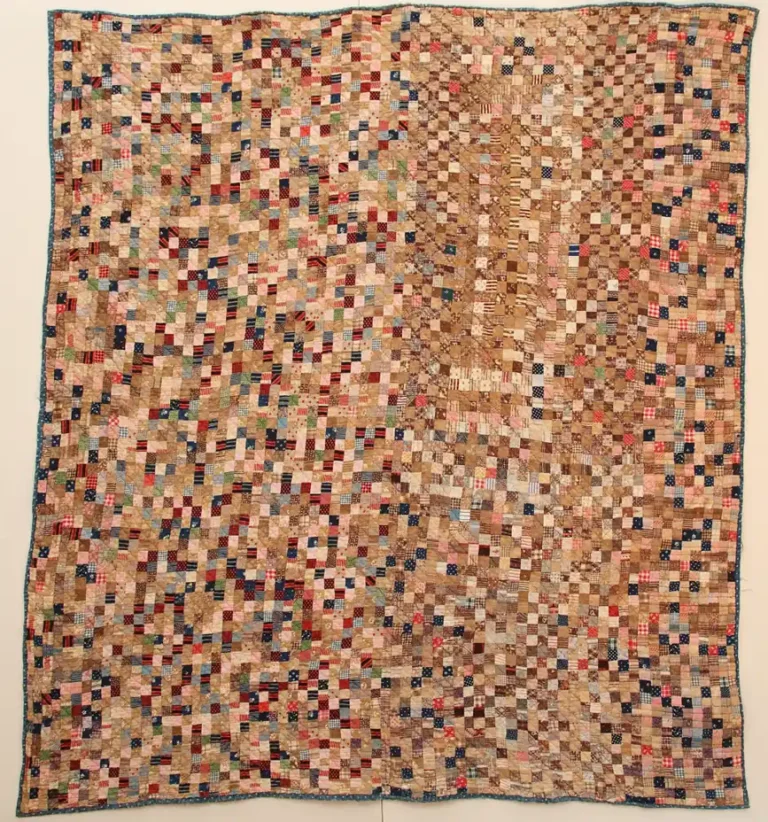
The Jackson County Fair is a county fair in the classic Iowa sense: an agricultural showcase wrapped around a community reunion. Livestock is the spine of it. Exhibitors bring cattle, swine, sheep, goats, poultry, and rabbits, and the barns fill with the noise of animals being washed, brushed, and walked. Around that core sit exhibit halls full of baking, canning, photography, quilting, and school art, judged and ribboned by category.
For families, the fair doubles as the summer’s biggest social calendar entry. Teenagers drift in groups between the barns and the food stands. Grandparents claim folding chairs near the show ring. Parents who once showed animals themselves now watch their own kids do the same, which is the quiet engine that keeps county fairs alive in places like Jackson County.
For another look at how a community turns its own traditions into a gathering, see the Jackson County Indiana Seymour Oktoberfest Festival for a useful comparison.
Because the county is small — 19,485 people across 650 square miles — the fair functions as a meeting point that the rest of the year rarely provides. Neighbors from miles apart end up in the same aisle at the same time, and nobody has to schedule it.
How a County Chartered in December 1837 Built a Fair Tradition
Jackson County was founded on December 21, 1837, with Maquoketa eventually serving as its county seat. In the decades that followed, county fairs across Iowa grew out of the same impulse: farmers needed a place to compare livestock, seed, and methods, and communities needed a reason to gather after the growing season’s hardest work was done.
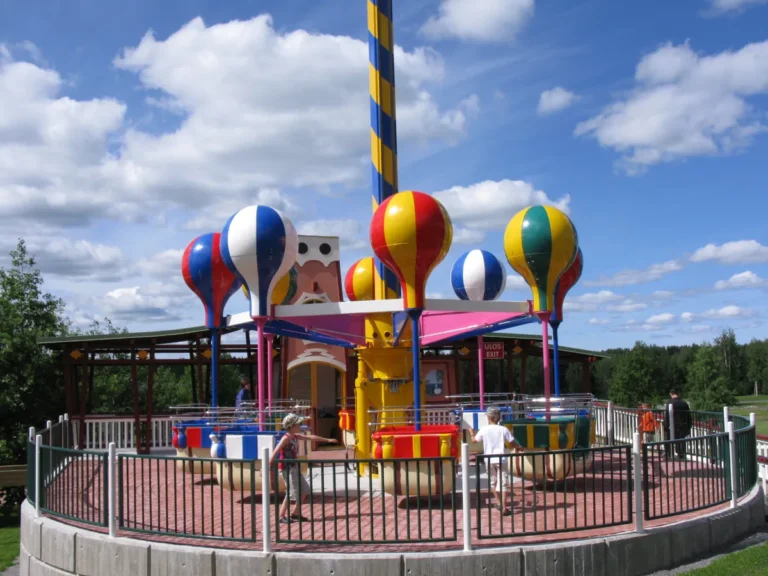
That agricultural-society model shaped what the Jackson County Fair became. Early fairs were practical first and festive second — a judging of animals and crops, a chance to trade information, and a picnic that stretched into an evening. Over time, the entertainment layer thickened: grandstand programs, carnival rides, music, and competitions that had nothing to do with farming.
What did not change was the structure. The fair stayed local, volunteer-driven, and rooted in the same grounds culture that defines county fairs throughout eastern Iowa. Families who have exhibited for generations still measure the year by it, and the fair’s calendar position — a summer stretch, usually in July — keeps it tied to the rhythm of the growing season rather than the retail calendar.
A Fair Day in Jackson County, Hour by Hour
There is a rhythm to a fair day here, and longtime attendees follow it almost unconsciously. Mornings belong to exhibitors and judges. Afternoons belong to families with strollers and grandparents in lawn chairs. Evenings belong to the grandstand and to the slow walk back to the car that nobody rushes.
Fair Food the Jackson County Crowd Returns For
Food is where county fair loyalties run deepest. Locals will tell you their order before you finish asking: something fried, something cold, and a shared bucket of something sweet. Church groups and community organizations typically run stands alongside commercial vendors, which means the menu leans homemade as well as hand-held — pies and bars next to corn dogs and lemonade.
The habit worth copying is to eat early and eat in stages. Arrive before the lunch rush, graze through the afternoon, and leave room for whatever smells best near the barns after the evening show. Bring cash as a backup, since small stands sometimes move faster that way.
Grandstand Nights and Local Entertainment
Evenings at the fairgrounds center on the grandstand, where the program changes from year to year but the format stays familiar: a headline event, a crowd that arrives early to claim seats, and a lot of standing around afterward talking. Expect a mix of live music, motorsport-style events, and family entertainment across the fair’s run rather than a single fixed genre.
Elsewhere on the grounds, local talent gets the spotlight — youth performances, talent showcases, and community groups taking a turn on smaller stages. For many Jackson County residents, the best entertainment of the week is unplanned: running into a former classmate, or watching a neighbor’s kid handle a steer for the first time.
Family Activities Across the Fairgrounds
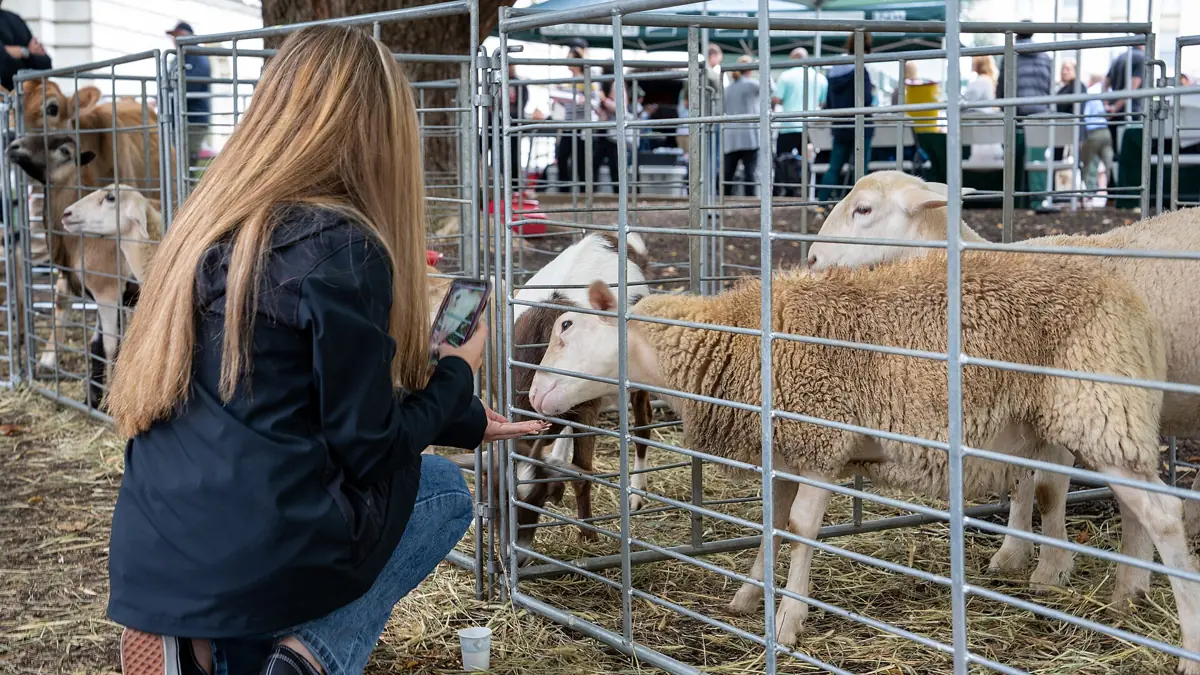
Families with young children tend to work the fair in a loop: animals first, because that is what kids remember, then exhibits, then rides or games if the budget allows. The petting areas and barn aisles are the reliable crowd-pleasers, and most exhibitors are happy to answer questions from curious kids.
Older visitors get their own version of the same day — a slower circuit through the exhibit halls, a stop at the food stands, and a seat near the show ring. The fairgrounds are generally flat and walkable, which makes it manageable for grandparents and strollers alike, though summer heat means the shaded spots near the barns fill up fast.
Planning Your Trip to the Jackson County Fair
Getting to the Jackson County Fairgrounds
Jackson County sits in eastern Iowa, with Maquoketa as the county seat and the natural hub for fair traffic. Most visitors arrive by car on county and state roads that feed into the Maquoketa area, and the drive from surrounding towns is short enough that a half-day visit is realistic. If you are coming from out of the county, plan your route around Maquoketa rather than trying to approach from a side road you have never driven.
Where to Stay Around Maquoketa
Lodging in the immediate area is limited, so the practical options are Maquoketa itself and the surrounding county, with larger selections in nearby communities along the Mississippi corridor. Book early for fair week — this is a small county, and rooms fill when the fair and other summer events overlap. Campers and RV travelers often look at area campgrounds and county parks as an alternative to hotels.
Parking and Getting In and Out
Parking at county fairs is usually a field, a lane, or a designated lot near the grounds, and the Jackson County Fair follows that pattern. Arrive earlier than you think you need to for grandstand nights, since the last hour before a show is when lots get tight. The other useful habit is patience at exit time: leaving five minutes early rarely saves more than five minutes, and staying to chat afterward is part of the experience.
Admission, Tickets, and Everyday Costs
General admission to the fair is typically free, which is one reason local families treat it as a recurring summer outing rather than a single splurge. Individual elements — carnival rides, games, some grandstand events, and food — carry their own costs. Set a rough budget per person, keep small bills handy, and decide in advance whether the rides or the grandstand is the priority.
Weather in Jackson County and What to Wear
July in eastern Iowa means heat, humidity, and the occasional thunderstorm that rolls through fast. Dress for a long walk: comfortable shoes, a hat, sunscreen, and a refillable water bottle. Barns are warm, exhibit halls are not always cool, and evenings can turn breezy once the sun drops. A light rain jacket earns its place in the bag more often than an umbrella does.
A Sample Fair Weekend in Jackson County, Iowa
Friday afternoon: Arrive mid-afternoon when the grounds are busy but not packed. Walk the barns first while animals are still being worked with, then loop through the exhibit halls to see the judged entries. Grab an early dinner from a stand and stake out a spot before the evening program begins.
Friday evening: Grandstand event, then a slow pass through the grounds as the crowd thins. This is when the fair feels most like itself — quieter, cooler, and full of people catching up.
Saturday morning: Come back for livestock shows and youth exhibits, which are the heart of the fair and often the least crowded hours. Ask questions; exhibitors are usually glad to explain what judges look for.
Saturday afternoon: Family time — rides, games, dessert, and one more walk through the barns before heading out. If you have time left, save an hour for Maquoketa or a nearby river town before the drive home.
Jackson County’s Fair Next to Nearby Celebrations
Compared with county fairs in larger neighboring counties such as Dubuque or Clinton, the Jackson County Fair runs smaller and more agricultural in feel. Where bigger fairs lean harder into concerts and carnival footprint, Jackson County’s version keeps livestock, exhibits, and local organizations at the center.
Set against riverfront towns like Bellevue and the historic driftless communities to the north, the fair also plays a different role. River towns draw visitors for scenery and heritage; the fair draws the county inward, for its own residents. That inward focus is the point — it is a gathering, not an attraction.
A Jackson County Fair Checklist for Families
Before you go: check the current fair schedule, confirm which day your must-see events fall on, and tell the kids what to expect so the barns are exciting rather than overwhelming. Pack sunscreen, hats, water, and a small first-aid kit. Bring cash in small denominations and a card as backup.
At the fair: set a meeting point in case your group splits, keep phones charged, and pace yourselves. Eat before you are starving and rest before you are exhausted. If you have exhibitor friends or family, ask when their show is — that is the moment worth planning around.
Afterward: leave the grounds the way you found them, thank the volunteers running stands and gates, and note what you would do differently next year. Most Jackson County families have refined this routine over decades.
Beyond the Fairgrounds: Maquoketa and the Rest of Jackson County
Maquoketa rewards a few extra hours. The town serves as the county seat and the commercial center for a wide rural area, with a compact downtown that is easy to walk. South of town, Maquoketa Caves State Park offers trails, limestone formations, and a genuinely unusual landscape for Iowa — a good counterpoint to a hot afternoon on the fairgrounds.
East of Maquoketa, the county runs to the Mississippi River, where Bellevue and other river communities offer overlooks, water views, and a slower pace. North and west, the land opens into farmland and small towns that send their own families to the fair each summer. Combined, these stops turn a fair visit into a full weekend rather than an afternoon.
What the Fair Means to a County of 19,485 People
In a county with 19,485 residents spread over 650 square miles, institutions that bring people together are not decorative — they are structural. The fair is one of the few annual events where the whole county is represented in one place: exhibitors, volunteers, vendors, grandparents, teenagers, and toddlers.
It also serves as a handoff. Skills that matter in a rural county — animal husbandry, baking, woodworking, judging, organizing — get taught in public, by people who learned them the same way. When a child shows an animal for the first time, someone in that barn remembers doing it decades earlier in the same ring. That continuity is the fair’s real product.
Where the Jackson County Fair Sits in Eastern Iowa
The Jackson County Fair takes place in the Jackson County area of eastern Iowa, with Maquoketa — the county seat — serving as the main point of reference for visitors traveling to the grounds.
Jackson County Fair Questions First-Timers Ask
Is the Jackson County Fair free to attend?
General admission is typically free, which keeps the fair accessible for local families. Rides, games, food, and some grandstand events carry separate charges, so plan a per-person budget for those extras rather than for entry itself.
When is the best time to arrive?
Mid-afternoon works well for a first visit: the barns are active, exhibits are open, and crowds have not yet peaked. For grandstand evenings, arrive well before the program starts. Mornings are best if your priority is livestock shows and quieter aisles.
Is the fair a good fit for young kids and older visitors?
Yes, with pacing. The grounds are generally flat and walkable, animals are the main draw for children, and shaded seating exists near the barns and show areas. Summer heat is the real challenge, so plan around the hottest hours and keep water handy.
How far do fairgoers travel to get here?
Most attendees come from within Jackson County and the surrounding region, which is exactly the fair’s design. Visitors from outside the county often pair the fair with Maquoketa or the Mississippi River towns to make a full day or weekend of it.
Looking Ahead to Future Jackson County Fairs
County fairs survive by adapting without losing their center. For Jackson County, that means keeping livestock and exhibits central while continuing to refresh entertainment, food offerings, and family programming. The volunteer base that runs the fair remains its most important asset, and every year’s fair is a small test of whether the next generation picks up the same habits.
Visitors planning ahead should check the current schedule closer to summer, since programs and daily lineups shift from year to year. The constants are dependable: a summer week, a county of 19,485 people, and a fairgrounds that fills with the same familiar faces.
Last updated: October 2026
The Jackson County Fair is not trying to be anything other than what it is: a county gathering in eastern Iowa where the barns open early, the food stands stay busy, and the evening ends with neighbors still talking in the parking field. Come once and you will understand why so many people around Maquoketa mark their summer by it.