Iberia Parish Louisiana World Championship Gumbo Cookoff Festival
In south Louisiana, gumbo is a family recipe, a parish loyalty, and a friendly argument all at once. The Iberia Parish Louisiana World Championship Gumbo Cookoff takes that argument public, filling the Iberia Parish area — anchored by the parish seat of New Iberia — with cooking teams, simmering pots, and crowds who arrived hungry on purpose.
The Iberia Parish Gumbo Cookoff in Ten Lines
| Festival area | The Iberia Parish area, centered on New Iberia |
| County | Iberia Parish, Louisiana |
| County seat | New Iberia |
| Parish facts | Founded 1868 and named for Iberia |
| Land area | 1,031 square miles |
| Population | Residents concentrated in New Iberia and nearby communities |
| Region | Acadiana and Bayou Teche country, south Louisiana |
| Typical timing | Each autumn, in most years during October |
| Admission and setting | Typically free to attend; outdoor grounds with cooking teams, public tasting, live music, and family activities |
| Organizer | Local community and culinary organizers in the Iberia Parish area |
Read that table as a promise rather than a schedule: the cookoff is a Louisiana parish event, so the details shift a little from year to year while the core — teams, pots, and tasting — stays the same.
What the World Championship Gumbo Cookoff Really Is
Strip away the grand title and the cookoff is a straightforward proposition. Cooking teams set up on outdoor grounds in the Iberia Parish area, each with a pot, a stock, and a firm opinion about what belongs in it. Visitors walk the rows, watch the stirring, ask the cooks what they did differently this year, and taste their way across the field.
The championship billing is earned by breadth. Chicken and andouille shows up beside seafood, okra-thickened pots sit near filé-finished ones, and roux ranges from peanut-butter pale to near-black. Because gumbo is regional and deeply personal, judging here is as much a conversation about technique as a scorecard.
What makes it worth a trip is that nothing feels staged for outsiders. This is a parish feeding people at a scale that happens to include guests. Come for the tasting; stay for the talk at the tent line, where recipes get traded as freely as opinions.
Roux, Roots, and a Parish Founded in 1868
Gumbo in south Louisiana runs through three thickening traditions: okra carried by way of West Africa, filé powder from the Choctaw, and the French roux that gives a good pot its color and body. Iberia Parish sits in the middle of all three, and the parish’s own story — founded in 1868, named for Iberia, with New Iberia as its seat — is a story of rice, sugar, seafood, and tables that stayed full.
A cookoff is the natural public expression of that private habit. Instead of one family arguing over one pot, dozens of teams bring their versions to the same grounds, and the argument becomes a spectacle with a trophy attached. Over the years the event has become a fixture on the parish’s autumn calendar, the kind of weekend that locals plan around and traveling teams treat as a serious test.
The through-line is technique. A gumbo is a sequence of decisions: how dark to take the roux, when the trinity goes in, how long the stock simmers, whether the filets go in at the end. Watching that sequence repeated at scale, with a hundred small variations, is the real education the cookoff offers.
What a Cookoff Weekend in Iberia Parish Feels Like
The Food: Chasing the Perfect Bowl
Food is the whole point, and the tasting is best approached like a route rather than a buffet. Start with a lighter seafood gumbo while your palate is fresh, then move to the darker, smokier andouille pots. Ask cooks what thickened their gumbo and you will get an answer that turns into a ten-minute story. Bring water between bowls; the heat in a good gumbo sneaks up on you.
Music and Entertainment Between Bowls
Live music is the backdrop that keeps people on the grounds between tastings — Cajun and zydeco sounds are the natural soundtrack for an Acadiana weekend, and the lineup usually fills the afternoon and stretches into the evening. Expect dance space in front of the stage and a crowd that knows how to use it. Cooking demonstrations and team announcements fill the gaps.
Family-Friendly Corners of the Grounds
This is a daytime-friendly festival, which makes it easy to bring kids. Grounds typically include space for children to move around, food that picky eaters will accept, and plenty of shade-seeking families doing exactly what you are doing. Strollers handle the terrain fine in dry weather; a folding chair and a shade umbrella make a long afternoon much easier.
Planning a Trip Around New Iberia and the Cookoff
Getting to the Iberia Parish Area
New Iberia is the anchor for most visitors, and the parish spreads across 1,031 square miles of Teche country, so a car is genuinely useful. Major highways through the region connect the parish to Lafayette and the wider Acadiana corridor, and most travelers arrive by road. Fill the tank before the weekend and download an offline map — rural stretches between towns can be thin on signal.
Where to Stay Near New Iberia
Book early. Cookoff weekends pull in teams, their families, and day-trippers from across Acadiana, and New Iberia’s inventory is modest compared with a bigger city. Options include small hotels and inns in and around New Iberia, plus short-term rentals in nearby communities. Lafayette is a reasonable fallback base if the parish fills up, though it adds drive time each day.
Parking Around the Cookoff Grounds
Expect festival-style parking: designated lots and street parking near the grounds, with volunteers directing traffic and a short walk in most cases. Arrive earlier in the day for the easiest spot, carpool if your group allows it, and note where you parked before the music starts. Wear shoes you do not mind getting dusty.
Admission, Food Costs, and Cash
Admission to the cookoff is typically free, with food and drink purchased separately from the teams and vendors. Bring cash even though many stands take cards — small tents and busy lines move faster with it. Set a rough budget per person for tastings and drinks, and keep small bills handy for tips and samples.
Autumn Weather on the Teche
Autumn in south Louisiana is warm and humid, with the occasional cool front that reminds you why October is festival season. Plan for sun: hat, sunscreen, and a refillable water bottle. Afternoon thunderstorms are always possible, so a light rain jacket beats an umbrella that turns into a sail. Layers work better than a heavy coat.
A Sample Cookoff Weekend in the Teche Country
Friday evening: arrive in New Iberia, check in, and eat something simple and local so Saturday’s tasting is not your first big meal of the trip. Walk the historic main street before dark and get oriented.
Saturday morning: reach the grounds early, when the roux is going in and the teams are still talkative. This is the best window for photos and questions. Taste lighter seafood pots first.
Saturday afternoon: shift to the darker andouille gumbos, then park yourself near the stage for music. Take a real break — sit in the shade, drink water, and let the first round settle before the second.
Saturday evening: stay for the crowd and the results, which are the emotional peak of the weekend for the teams. Sunday morning: drive the parish a little — Avery Island, the bayou road, a rice mill or a country diner — before heading home.
How the Cookoff Stacks Up Against Nearby Louisiana Festivals
Iberia Parish sits in a stretch of Louisiana where nearly every town has a signature festival, and the comparison is part of the fun. Breaux Bridge, a short drive east, is crawfish country and its spring festival draws a big, music-heavy crowd. Delcambre, on the parish’s southern edge, celebrates shrimp with a working-waterfront feel.
Lafayette offers the biggest overall festival scene in Acadiana, with more stages, more hotels, and more nightlife — but also more traffic and less intimacy. St. Martinville, up the Teche, trades on history and a quieter main street. The gumbo cookoff sits between them: bigger than a church supper, smaller than a city festival, and more focused on one dish than any of its neighbors.
Cookoff Day Checklist for Iberia Parish
Cash in small bills. Many stands accept cards, but small tents move faster with paper, and you will want it for tips and samples.
Water and a refillable bottle. Gumbo is rich and the afternoons are warm; hydration is what keeps a tasting day fun.
Sun protection and a folding chair. Shade is a commodity, and a chair turns a long afternoon into a comfortable one.
Comfortable shoes and a light rain jacket. Grounds are outdoor and Louisiana weather changes its mind quickly.
A cooler-free plan for leftovers. If you buy a container of gumbo to take home, keep food safety in mind and do not leave it sitting in a hot car.
A charged phone and a meeting point. Cell networks get crowded at peak hours, so agree on a spot in case your group splits.
Beyond the Cookoff: Avery Island, the Teche, and New Iberia
Give the trip a second day. Avery Island, in Iberia Parish, is known well beyond Louisiana, and its gardens and wetlands reward a slow morning. New Iberia’s historic district along the Teche offers architecture, small shops, and the kind of porches that make you reconsider your housing choices.
Then eat your way through the parish: rice and gravy, boudin, boiled seafood, plate lunches, and pecan sweets. The Teche corridor is agricultural country — sugar, rice, cane, and seafood all arrive at the same tables — and a drive between towns shows you the landscape that produced the dish you came for.
What the Cookoff Means to Iberia Parish
A cookoff is community infrastructure disguised as a party. It gives local cooks a stage, gives civic groups a fundraiser and a reason to organize, and gives a parish with a small population a weekend when the rest of the region drives in. Teams compete hard, but the rivalry is neighborly, and the money and attention stay close to home.
It also carries something forward. Gumbo is taught by standing in a kitchen with someone who has made it a thousand times, and a public cookoff turns that private instruction into a shared inheritance. That is the part visitors remember longer than any single bowl.
Where the Cookoff Sits in South Louisiana
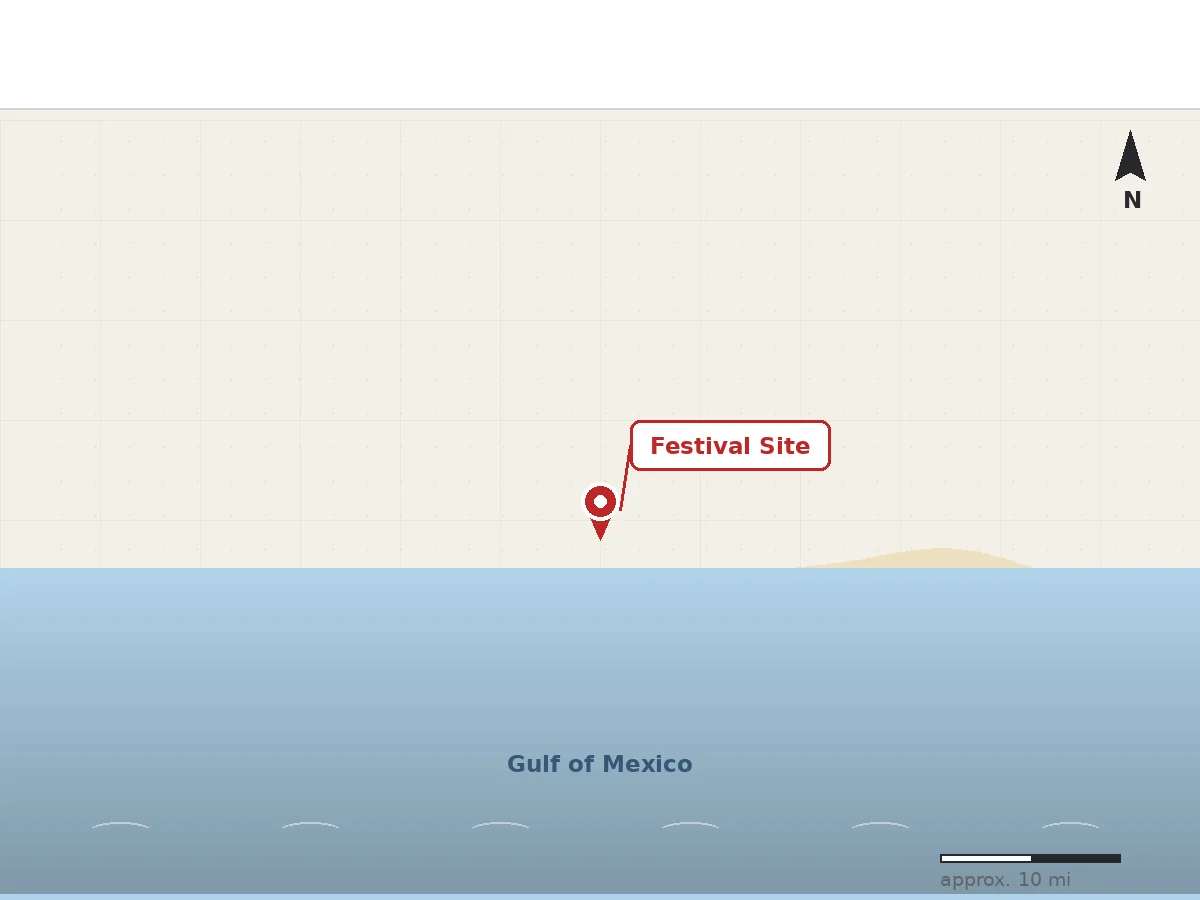
The World Championship Gumbo Cookoff takes place in the Iberia Parish area of south Louisiana, with New Iberia — the parish seat — serving as the main anchor for visitors traveling in along the Bayou Teche corridor.
Cookoff Questions, Answered
When is the cookoff usually held?
It is an autumn event, held in most years during October, and it typically runs across a weekend. Because the exact weekend shifts from year to year, confirm the current schedule with local sources before you book travel or take time off work.
Do I need a ticket to get in?
Admission is typically free, and you pay as you go for food and drinks from the teams and vendors. Some years may include optional extras, so treat free entry as the norm rather than a guarantee and check ahead if you are planning around a specific activity.
Can I taste gumbo from more than one team?
That is the entire strategy. Walk the grounds, buy small portions from several teams, and pace yourself across the afternoon. Light seafood gumbos first, darker andouille pots later, and plenty of water in between so your palate stays awake.
Is the cookoff a good stop for families?
Yes. It is a daytime, outdoor, come-and-go event with live music and space for kids to move around. Bring sun protection, a stroller if you have small children, and a folding chair so the adults can rest while the younger crowd wears itself out.
What’s Ahead for the World Championship Gumbo Cookoff
The event’s future looks like its present, only better organized: more teams, tighter logistics, and a continued push to keep the tasting experience enjoyable as crowds grow. Expect organizers to lean into what already works — a single-dish focus, live Acadiana music, and a strong local volunteer base — while improving parking, shade, and waste handling.
For travelers, that means the smart move stays the same: plan around an autumn weekend, book lodging early, and arrive hungry. Gumbo rewards patience, and so does this festival.
Last updated: October 2026
If you go for one reason, go for the tasting line — the moment a cook lifts a lid, explains why this roux went darker than last year’s, and hands you a bowl that tastes like a specific parish rather than a generic recipe. That is what a world championship of gumbo actually awards: not perfection, but place, memory, and a very good reason to come back next autumn.