Howard County Indiana Howard County Fair Festival
Summer settles over north-central Indiana slowly, and by the time the heat turns steady, the fairgrounds near Kokomo are ready. The Howard County Fair is a warm-weather tradition for a county of 83,658 people (2020 census) spread across 293.92 square miles of farmland, small towns, and one busy county seat. For a few days, the fair pulls that scattered population into a single place.
The setting does much of the work. Howard County sits in the flat, fertile belt of Indiana where corn and soybeans run to the horizon, and the fairgrounds feel like a natural extension of that landscape — open sky, gravel lanes, exhibit barns, and the smell of fried food drifting across grass. Kokomo, the county seat, anchors the middle of it all, and the fair is where the city and the surrounding townships meet on equal footing.
This guide covers what the fair is, how it fits into the county’s longer story, and how to plan a visit without guesswork.
Howard County Fair Facts for First-Time Visitors
| Festival | Howard County Fair |
| Town / area | Howard County area, around Kokomo, Indiana |
| County | Howard County, Indiana |
| County seat | Kokomo |
| Population | 83,658 (2020 census) |
| County founded | 1844 |
| Land area | 293.92 square miles |
| Region | North Central Indiana |
| Typical timing | Summer, in most years during July |
| Admission | Typically free to enter; individual vendors, rides, and some events may charge |
What the Howard County Fair Actually Is
Strip away the marketing language and a county fair is a civic project with livestock in it. The Howard County Fair is exactly that: a multi-day gathering built around 4-H and open-class exhibits, animal shows, commercial booths, food trailers, and evening entertainment. It is not a theme park or a touring music festival. It is the county showing itself to itself, with the gates open to anyone who wants to walk through.
That makes the fair unusually easy to enjoy. There is no complicated ticketing ladder to climb and no need to plan months ahead. Families arrive in the late afternoon when the heat breaks, walk the barns, let kids burn energy, eat something that was fried moments earlier, and settle in for the evening’s program. Older visitors come for the exhibit halls and the chance to run into people they have not seen since last year’s fair.
For another look at how a community turns its own traditions into a gathering, see the Howard County Indiana Haynes Apperson Festival for a useful comparison.
Because Howard County is largely agricultural outside Kokomo, the fair doubles as a showcase for what the surrounding townships produce. Livestock projects, produce entries, baking, canned goods, photography, and crafts all get their moment. The result is a fair that feels locally made rather than imported.
How Fair Culture Took Hold in Howard County
Howard County was founded in 1844, in an era when Indiana’s county seats were being carved out of prairie and timber and almost everyone in a county either farmed or served farmers. County fairs grew out of that world. Agricultural societies formed to share breeding stock, compare yields, and reward good husbandry, and the annual exhibition became the natural place to do it.
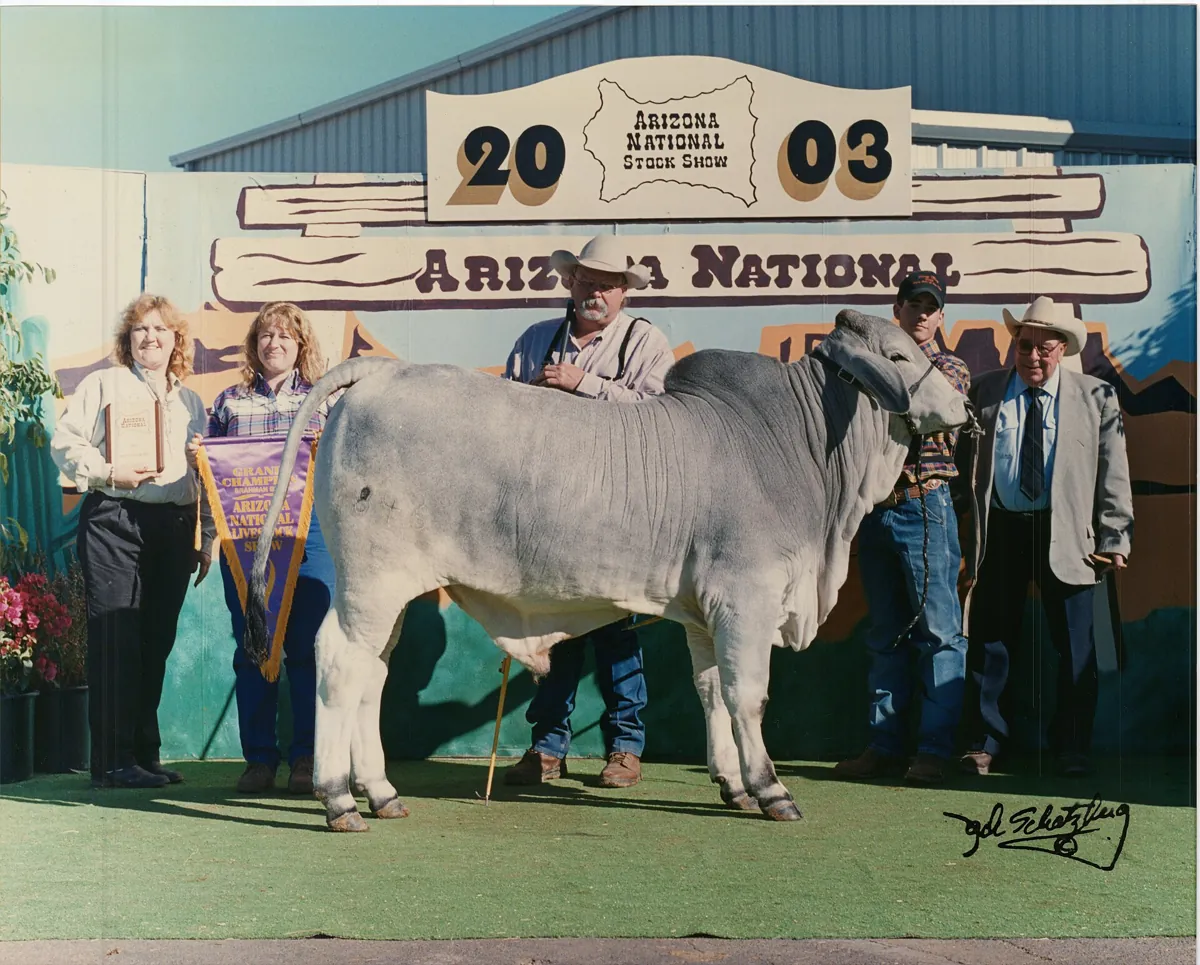
Over the decades the shape of the fair shifted with the county. Early fairs were primarily about livestock and crops, judged on the merits of an animal or a field. Later, 4-H clubs became the center of gravity, turning the fair into a youth development institution as much as an agricultural one. Mechanization changed the equipment on display, then the size of the farms, then the number of people who made a living from the land. The fair adapted each time.
Kokomo’s own growth ran parallel to that story. As the county seat and the largest city in Howard County, it became the population center the fair draws from, while the surrounding townships supplied the exhibitors. That balance — city visitors, rural entrants, one shared fairground — has been the fair’s defining characteristic for generations.
What a Fair Day in Kokomo Looks Like
A typical fair day has a rhythm: quiet mornings, busy late afternoons, and a full evening. Understanding that rhythm is the difference between a pleasant visit and a frustrating one.
Fair Food and Local Vendors
Food is the easiest sell at any county fair, and Howard County is no exception. Expect the standard lineup — tenderloin sandwiches, corn dogs, elephant ears, funnel cakes, lemon shake-ups, nachos, ice cream, and whatever the local church or civic group is running this year. Portions tend to be generous and prices moderate. Many booths are operated by community organizations, which means your lunch money is quietly doing double duty.
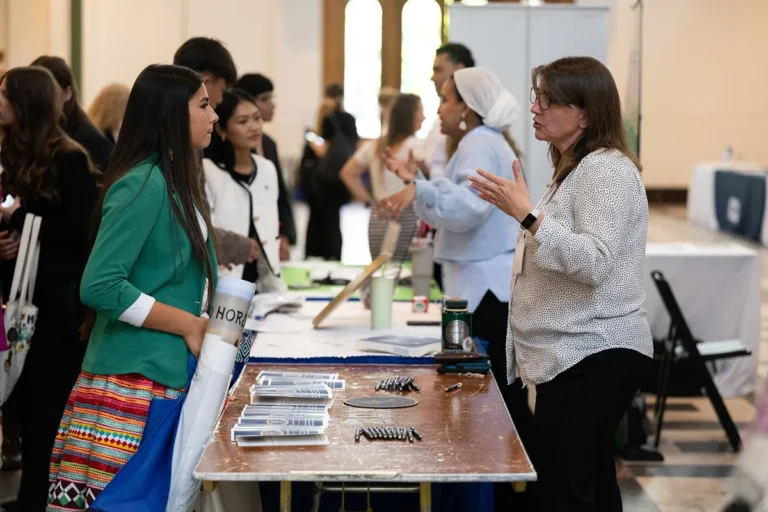
Commercial buildings and vendor rows round out the food with local business booths, craft sellers, and informational tables from area organizations. It is worth a slow lap before committing to dinner, if only to see the full range of options.
Grandstand Music and Evening Entertainment
Evenings are when the fair leans into entertainment. Depending on the year, that can mean live music on a stage or in the grandstand, demolition-style events, tractor and truck pulls, motocross, or a talent showcase featuring local performers. County fairs in Indiana often mix genres deliberately — a country act one night, a rock cover band the next — because the audience is the whole county, not a niche.
Seating arrangements vary, so arrive early for popular nights and expect the grandstand area to fill as the sun drops. If a specific show is your reason for coming, treat it as the anchor of your evening and build the rest of the visit around it.
Family Activities and 4-H Exhibits
The heart of the fair for many families is the exhibit and livestock area. Barns hold cattle, swine, sheep, goats, rabbits, and poultry, and the kids who raised those animals are usually nearby and happy to talk about them. Exhibit halls display baking, canning, vegetables, flowers, photography, and school art. Midway-style rides and games typically operate through the afternoon and evening, aimed squarely at younger children and teenagers.
Smaller traditions matter too: the pie or cake auction, the livestock auction at the end of the run, and the informal meet-and-greet that happens every night on the midway. None of it is scripted, and that is the appeal.
Planning a Howard County Fair Visit
Getting to the Howard County Fairgrounds
The fairgrounds sit in the Howard County area near Kokomo, the county seat, which makes them reachable from almost anywhere in the county within a short drive. Kokomo is the hub for the region’s road network, and the U.S. 31 corridor through north-central Indiana is the main north-south route visitors use to reach the area from Indianapolis to the south or from the Michigan line to the north.
From smaller Howard County communities and neighboring counties, county roads do most of the work. Expect two-lane traffic, farm equipment, and slow-moving vehicles during fair week — this is agricultural country, and patience is part of the experience.
Where to Stay Near Kokomo
Kokomo has the county’s largest concentration of lodging, with chain hotels clustered along the main commercial corridors and a smaller number of independent options. Because the fair is a local event rather than a destination festival, rooms are generally available, though booking a few weeks out during fair week is sensible if you are traveling from outside the county.
Campers and RV owners often look for campgrounds in the region instead. If you plan to stay on or near the grounds, confirm the current policy with the fair before you commit, since arrangements can change from year to year.
Parking and Arrival Timing
Fairground parking is usually a grassy or gravel lot with attendants directing traffic, and it is typically free or included with entry. The busiest window is the two hours before the evening program, when families arrive together. Arriving in the mid-afternoon gives you easier parking, shorter food lines, and cooler walking conditions.
Admission, Tickets, and Costs
Admission to the Howard County Fair is typically free, which is one of the reasons it stays so well attended. Your spending then concentrates on food, rides, games, and any separately ticketed grandstand events. Set a rough budget per person before you walk in, because midway costs add up faster than anyone expects, especially with children in tow.
July Weather and What to Bring
July in Indiana means heat, humidity, and the possibility of an afternoon thunderstorm rolling through quickly. Bring water, sunscreen, and a hat for daytime visits, and keep a light rain jacket or poncho in the car. Evenings cool off pleasantly, which is why so many fairgoers wait until late afternoon to arrive. Wear closed-toe shoes — gravel, straw, and livestock areas are not friendly to sandals.
A Sample Fair Weekend in Howard County
Friday afternoon. Arrive a few hours before the evening program. Park while the lots are still half empty, walk the exhibit halls first while they are quiet, then work through the barns. Grab an early dinner from a vendor row before the lines form. Stay for the grandstand entertainment and leave as the crowd thins.
Saturday morning. Come back for the livestock shows, which typically run earlier in the day and reward anyone interested in how animals are actually judged. This is the best window for talking with exhibitors and 4-H families. Midday is a good time for a shaded break or a return to Kokomo for lunch.
Saturday evening. The fair at its busiest. Rides, games, music, and food lines all peak. If you have young children, arrive early, hit the rides first, and plan to leave before the biggest crowds. If you are there for the entertainment, claim your seat well ahead of showtime.
Sunday. A slower, friendlier day. Good for a final walk through the exhibits, a last tenderloin, and catching whatever closing events the fair has scheduled before the grounds are packed up for another year.
How Nearby Indiana Fairs Compare
Howard County’s fair sits in a dense cluster of county fairs across north-central Indiana, and the neighboring counties run their own versions in the same summer window. Tipton County to the south, Miami County to the north around Peru, and Cass County to the northwest around Logansport all host county fairs with similar agricultural roots, 4-H programs, and grandstand entertainment.
The differences are mostly matters of scale and character. A fair in a smaller county feels more compact and more purely agricultural; a fair in a county with a larger city, like Howard, has more commercial vendors and a broader entertainment lineup. Grant County to the east, centered on Marion, follows a similar pattern. Families in the region often sample two or three fairs in a single summer, comparing food, rides, and livestock shows along the way.
Howard County Fair Checklist
| Check the current year’s schedule | Confirm dates, hours, and grandstand acts before you drive out |
| Cash and card | Some vendors and games still prefer cash |
| Sunscreen and water | July afternoons are hot and exposed |
| Closed-toe shoes | Gravel, straw, and barn areas |
| Light rain layer | Afternoon storms pass through quickly |
| Budget for the midway | Rides and games are the main variable cost |
Beyond the Fairgrounds: Kokomo and Rural Howard County
The fair is a good excuse to spend a full day in the county rather than a few hours. Kokomo, the county seat, holds the county’s largest share of restaurants, shops, and services, and its downtown and commercial corridors make an easy stop before or after a fair visit. The city has long been the economic center of Howard County, and that role shows in the range of places to eat within a short drive of the grounds.
Outside the city, Howard County opens into the farmland that defines it — 293.92 square miles of fields, county roads, small unincorporated communities, and the kind of quiet that makes a fair feel like an event. Drive ten minutes in almost any direction from Kokomo and you are in open country, which is exactly the landscape the fair was built to celebrate.
Why the Fair Still Matters to Howard County
For a county of 83,658 people, the fair is one of the few occasions when the whole place is in the same spot at the same time. That matters more than it might sound. Howard County is spread out, and its residents commute, work different shifts, and live in communities that rarely intersect. The fair creates a shared week.
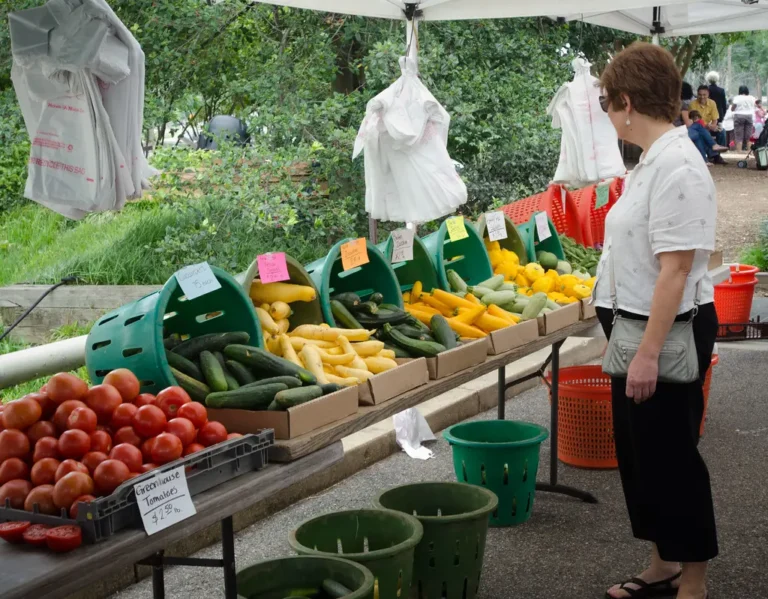
It also keeps a specific kind of knowledge alive. Raising an animal, growing a prizewinning tomato, or baking a judged cake are skills that get passed down through the fair, year after year, from one group of kids to the next. The livestock auction puts real money behind that effort. And for local businesses and organizations, the fair is one of the most reliable chances of the year to reach the county in person.
Where the Howard County Fairgrounds Sit
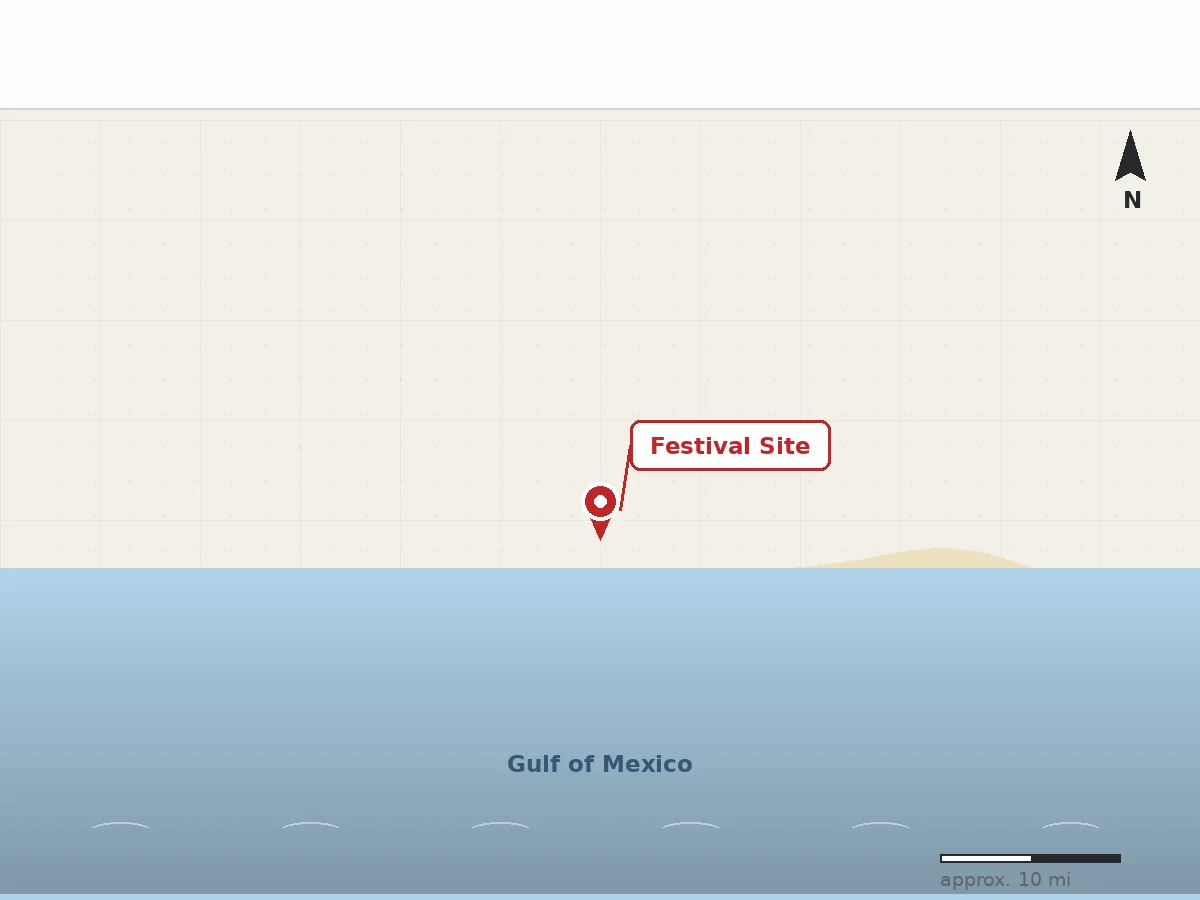
The Howard County Fair takes place on the fairgrounds in the Howard County area near Kokomo, the county seat of this 293.92-square-mile county in north-central Indiana.
Howard County Fair Questions, Answered
When is the Howard County Fair usually held?
It is a summer fair, held in most years during July. County fair season across Indiana runs through the warm months, and Howard County’s event fits into that same window. Because exact dates shift annually, check the current year’s schedule before planning your trip.
How much does it cost to get in?
Admission is typically free. Your costs come from food, rides, games, and any separately ticketed grandstand events. That structure keeps the fair accessible to families and means you can visit for an hour or stay all evening without a gate fee hanging over the decision.
Is the fair good for young children?
Yes, particularly in the late afternoon and early evening. The livestock barns, exhibit halls, and midway rides are all family-friendly, and the grounds are walkable. Bring a stroller if you have toddlers, and plan around the heat — midday in July is the least comfortable stretch of the day.
Where do visitors stay when they come to the fair?
Most out-of-county visitors stay in or near Kokomo, which has the county’s main concentration of lodging. Because the fair is a regional event rather than a large destination festival, rooms are usually obtainable, but booking ahead during fair week is the safer approach.
What Lies Ahead for the Howard County Fair
County fairs survive by adapting without losing their identity. For Howard County, that means holding onto the agricultural core — livestock, 4-H projects, judged exhibits — while responding to what a changing county wants from a summer evening. Entertainment lineups, vendor mixes, and technology in the exhibit halls will keep shifting. The fundamentals probably will not.
What is likely to stay constant is the fair’s role as the county’s annual gathering point. As long as families in Kokomo and the surrounding townships keep entering exhibits and showing up in July, the Howard County Fair will keep doing what it has done for generations: putting a whole county in one place for a few warm nights.
Last updated: October 2026
If you are anywhere in north-central Indiana when fair season arrives, the Howard County Fair is worth an evening — not because it is the biggest event on the calendar, but because it is the most honest one. Come hungry, wear shoes you do not mind getting dusty, and leave time to wander the barns before the lights come on.

One Comment