Henry County Kentucky Fenrir Viking Festival
For one autumn weekend each year, the Kentucky Renaissance Fair grounds in Eminence trade summer pageantry for shields, fur cloaks, and the clang of steel on steel. The Henry County Kentucky Fenrir Viking Festival fills those grounds with a Viking village, a historic reenactment camp, armored fighters, archers, storytellers, musicians, and merchants, all gathered to celebrate Norse culture in Henry County, Kentucky. The gathering is young, launched in two thousand twenty-three, yet it already carries annual billing and a programme dense enough to fill three days, from Friday evening through Sunday afternoon. It is a ticketed event with an identity of its own, distinct from the summer festival held on the same grounds.
About the Festival
The published name appears in two forms across the record, both kept here exactly as the sources print them. The organiser’s own website documents, a medieval-events listing layer, and resale ticket layers print the full form, Fenrir Viking Festival, while the organiser’s registration and vendor materials use a shorter form, Fenrir Viking Fest. The host town is Eminence, in Henry County. A reference layer names New Castle as the county seat of Henry County, while Eminence is the county’s largest city rather than its seat. The venue, as printed in the organiser’s own documents and in listing layers, is the Kentucky Renaissance Fair grounds in Eminence. Responsibility for the event is recorded in more than one form, and the forms are not merged here. A medieval-events listing layer states the festival is managed by Kentucky Highland Renaissance Festival and Ulfhedinn Entertainment, sharing entertainment duties. The organiser’s own vendor documents are issued from the Kentucky Renaissance Fair site and name Kentucky Renaissance Faire, LLC as the insured entity, with fees payable to Kentucky Renaissance Festival.
Quick Facts
| Item | Detail |
| Published names | Fenrir Viking Festival, with the short form Fenrir Viking Fest in registration and vendor materials |
| Host town | Eminence, the largest city in Henry County, Kentucky |
| County seat | New Castle, named by a reference layer, not Eminence |
| Venue | The Kentucky Renaissance Fair grounds in Eminence |
| Management wording | Managed by Kentucky Highland Renaissance Festival and Ulfhedinn Entertainment, as a listing layer states |
| Vendor document names | Kentucky Renaissance Faire, LLC as the insured entity, fees payable to Kentucky Renaissance Festival |
| First documented edition | The third to the fifth of November, two thousand twenty-three |
| Two thousand twenty-five billing | The third Annual, held from the thirty-first of October to the second of November |
| Two thousand twenty-six listing | The sixth to the eighth of November, rain or shine, with parking listed as free |
| Admission character | Ticketed, with advance tickets sold online at a discount from the first of June each year |
History
The festival’s history is short, and the record tells it through announcements and billings rather than through any separate founding story. A state magazine layer from two thousand twenty-three announces that a new event joins the calendar, describing a Viking festival planned for the third to the fifth of November at the faire grounds. That announcement marks the launch. No layer read for this article gives a founder’s account or a story of how the idea began, so none is offered here. The organiser’s own documents provide a billing sequence that confirms the launch year from the other direction. The vendor application for the following year bills the two thousand twenty-four gathering, held from the first to the third of November, as the second Annual Fenrir Viking Festival, which lines up exactly with the magazine announcement of a new event the autumn before. The two thousand twenty-five vendor document then bills that year’s gathering, held from the thirty-first of October to the second of November, as the third Annual. This article rests the festival’s age on those printed billings alone. By its third year the event had a published entertainment schedule of its own, printing a traditional archery tournament, Viking reenactment, an Ulfhedinn fight show, steel fighters, a mad skald, and named reenactment groups demonstrating through the day. A listing layer for two thousand twenty-six carries the festival forward to the sixth to the eighth of November, with reenactments, live music, artists, merchants, and food and drink vendors.
What to Expect
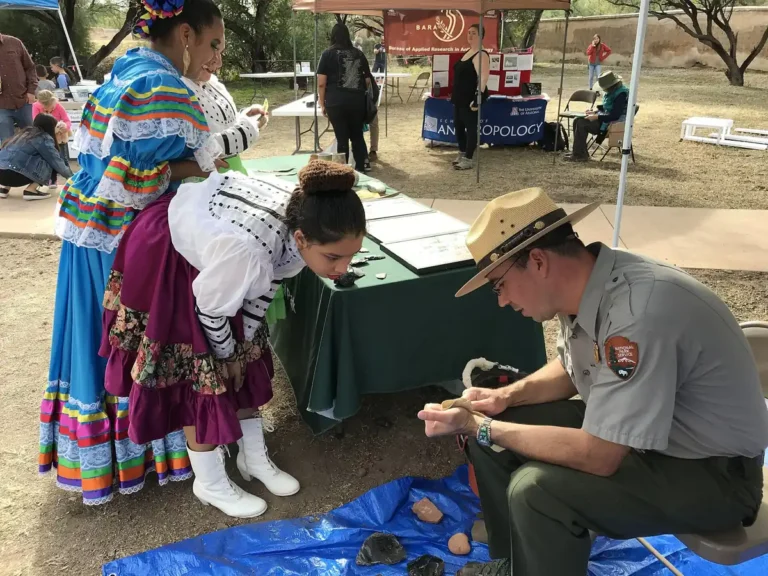
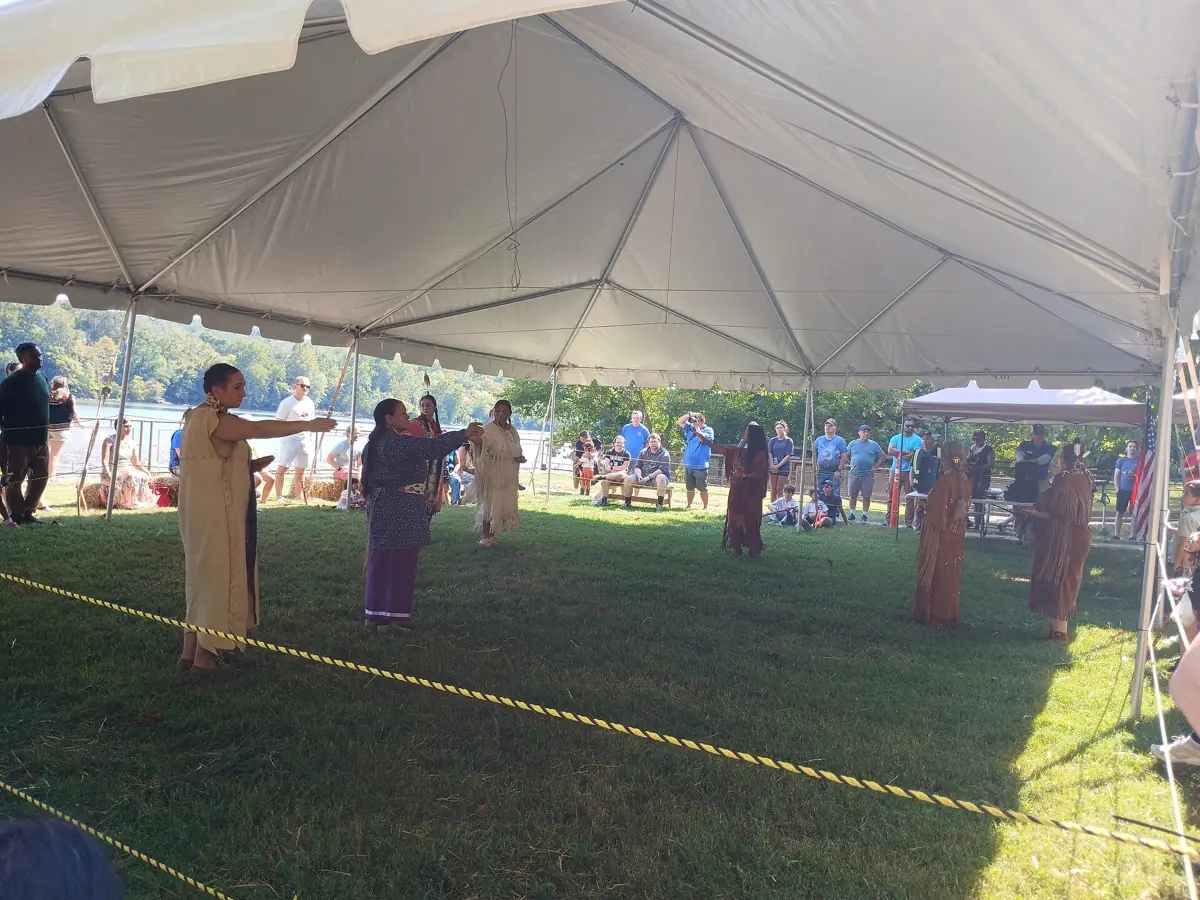
The centre of the grounds is living history rather than a stage show. A travel-listicle layer and the organiser’s own schedule both describe a Viking village and a historic reenactment camp with a longhouse, where reenactors spend the weekend in period style and demonstrate how such a settlement ran. Named reenactment groups demonstrate through the day in the two thousand twenty-five schedule, and a listing layer for two thousand twenty-six again promises Viking reenactments across the weekend. Combat gives the weekend its noise and its crowds. The organiser’s entertainment schedule prints an Ulfhedinn fight show and steel fighters among its headline elements, and a reenactor registration layer for the two thousand twenty-four weekend lists armored-fighter shows at about noon and two in the afternoon, so the fighting runs more than once a day. Archery runs alongside the fighting as the weekend’s hands-on contest, since the organiser’s schedule prints a traditional archery tournament open to the public, putting a bow in a visitor’s hands rather than leaving every weapon behind a rope. Quieter pleasures fill the spaces between the shows. Storytelling appears among the programme elements in the organiser’s schedule and the listing layers, and a mad skald in the two thousand twenty-five schedule promises Norse verse performed out loud. Live music is listed for the two thousand twenty-six weekend, and merchants and food and drink vendors run through both the schedule and the listings, with artists joining the merchant rows in the two thousand twenty-six listing.
Planning Your Visit
The calendar comes first in practical terms, because this festival lives on one autumn weekend and its dates move slightly from year to year. The documented editions run from the third to the fifth of November in two thousand twenty-three, the first to the third of November in two thousand twenty-four, the thirty-first of October to the second of November in two thousand twenty-five, and the sixth to the eighth of November in two thousand twenty-six. The pattern is a Friday to Sunday weekend in late October or early November, but the exact dates belong to each year’s own documents, so a traveller should confirm the current weekend before booking around it. Hours follow a steady pattern in the organiser’s vendor documents: Friday from five to ten in the evening, Saturday from ten in the morning to six in the evening, and Sunday from ten in the morning to five in the afternoon. Tickets deserve early attention. The organiser’s own documents state that advance tickets are sold online at a discount from the first of June in each year, making early summer the moment to buy. Resale ticket layers list two thousand twenty-six day tickets at roughly fifty-three to fifty-eight dollars, and those figures are resale asking prices rather than face value. Other figures in the record belong to participants: merchant fees of one hundred fifty dollars in two thousand twenty-four and two hundred dollars in two thousand twenty-five appear in the organiser’s vendor documents, and a fifteen dollars per-person feast fee appears in a two thousand twenty-four registration layer. Neither is gate admission. One listing layer states that parking is free, and the two thousand twenty-six listing describes the weekend as rain or shine, so a wet forecast does not cancel the camp or the fighting. Late October and early November in Kentucky can swing between mild afternoons and cold evenings, and the Friday session runs after dark, so layered clothing earns its place in the car. The organiser’s documents also print an office telephone, an email, and a postal box for the faire, which exist for questions although their details are not reproduced here.
For a useful comparison, see the Henderson County Kentucky Dia de los Muertos Celebration Festival for another county festival.
A Sample Weekend Itinerary
A Friday arrival sets the tone nicely, because the evening session runs from five to ten and the grounds feel different after dark. Use that first evening to walk the merchant rows while they are quieter, find the longhouse and the reenactment camp, and learn the layout before Saturday crowds press in. Saturday is the fullest day, running from ten in the morning to six in the evening, so give the morning to the Viking village and craft demonstrations, take a place near the fighting ground before the armored show at about noon, and keep the show at two in the afternoon as a fallback. The archery tournament, storytelling, and the skald’s performance fit into the afternoon between shows. Sunday, from ten in the morning to five in the afternoon, suits a slower pass: revisit favourite merchants, watch the reenactment groups demonstrate once more, and let the camp provide a last unhurried hour before the drive home.
How This Festival Compares
The most useful comparison sits on the very same grounds. The Kentucky Renaissance Fair site also hosts a summer Highland Renaissance Festival and a Celtic festival, both run by the same site operator and both different events from this one. The Viking festival borrows the grounds and the operator’s experience, but its subject is narrower and colder: Norse seafarers, a longhouse camp, armored combat, and archery in late autumn. A visitor who knows the fairgrounds from a summer weekend will recognise the lanes and still find a different crowd and different demonstrations waiting. Against the wider run of Kentucky autumn festivals, the difference is one of immersion. Many fall weekends offer music, food, and crafts in a town square, while this event builds a temporary settlement staffed by reenactors who demonstrate through the whole day. Its youth also sets it apart: this one is still in its first few annual billings, giving it a smaller, more focused character.
A Visitor Checklist
- Confirm the current year’s exact weekend dates before travelling
- Buy advance tickets online after sales open on the first of June
- Treat resale asking prices as market figures, not gate prices
- Arrive before noon on Saturday for the first armored-fighter show
- Dress in warm layers for the Friday evening session
- Pack for rain, since the weekend runs rain or shine
- Walk the full reenactment camp and longhouse
- Try the archery tournament during a quieter hour
- Plan meals between the food and drink vendors
- Keep merchant and feast fees out of the ticket budget
Beyond the Festival Grounds
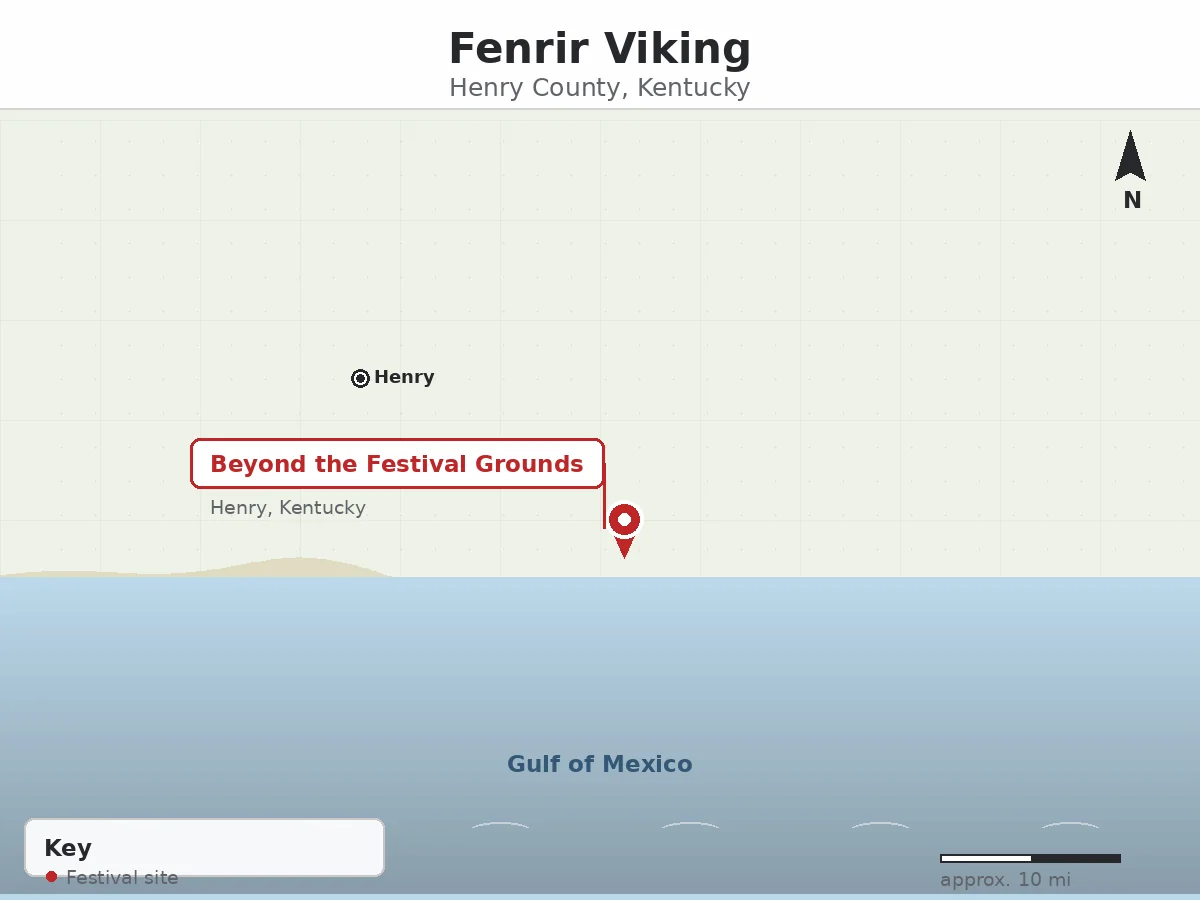
Eminence itself is worth a slower look once the festival closes for the day. It is the largest city in Henry County, and its small-town streets, local shops, and eating places give a visitor somewhere to land between sessions. New Castle, the county seat named by a reference layer, offers the courthouse-town counterpart to Eminence’s busier streets, so a short drive shows both faces of Henry County in one weekend. The surrounding county is rolling Kentucky farmland, and an autumn visit lines up with harvest colour, farm stands, and quiet back roads connecting its small communities.
Why the Festival Matters
A festival this young matters because of what it adds rather than what it inherits. Henry County already had fairgrounds with a busy calendar, and the Viking weekend gives those grounds a late-autumn anchor with a subject no other weekend on the site covers. It brings reenactment groups, fighters, archers, merchants, and musicians into Eminence at a season when the summer crowds have gone, giving local visitors a living-history event of their own. The reenactment camp also does quiet educational work: a longhouse, period clothing, and demonstrated crafts teach more about Norse daily life in an afternoon than a shelf of summaries. For the county, each edition sends visitors through Eminence’s shops and restaurants on a weekend that might otherwise pass quietly.
Frequently Asked Questions
Which name does the festival actually use?
Both printed forms belong to the same event. The organiser’s own website documents, a medieval-events listing layer, and resale ticket layers use the full form, Fenrir Viking Festival, while the organiser’s registration and vendor materials use the short form, Fenrir Viking Fest. Searching under either name leads to the same Eminence weekend.
What fills the programme across the three days?
The organiser’s entertainment schedule and the listing layers describe a Viking village and historic reenactment camp with a longhouse, armored combat and an Ulfhedinn fight show, steel fighters, a traditional archery tournament open to the public, storytelling, a mad skald, live music, artists, merchants, and food and drink vendors.
How should a visitor think about ticket prices?
The event is ticketed, and the organiser’s own documents say advance tickets are sold online at a discount from the first of June each year. Resale layers list two thousand twenty-six day tickets at roughly fifty-three to fifty-eight dollars as asking prices, not face value. Merchant fees and a feast fee in the record are participant charges, not admission.
Does bad weather cancel the weekend?
A medieval-events listing layer describes the two thousand twenty-six weekend as rain or shine, with parking listed as free on the same layer. A wet forecast therefore calls for waterproof layers and sturdy footwear rather than a change of plans.
What to Expect From the Next Henry County Kentucky Fenrir Viking Festival
How often is Henry County Kentucky Fenrir Viking Festival held?
The documented record shows one edition each autumn from two thousand twenty-three onward, billed as the second Annual in two thousand twenty-four and the third Annual in two thousand twenty-five, with a further listing for two thousand twenty-six. That run supports expecting a single weekend each year, in the same late-autumn season.
When is the next Henry County Kentucky Fenrir Viking Festival?
The latest edition documented in the record is the two thousand twenty-six weekend, listed by a medieval-events listing layer for the sixth to the eighth of November, with a Friday evening opening followed by daytime hours. A traveller should watch for the advance ticket opening on the first of June.
Will the dates change?
The documented dates already shift a little from year to year, moving between late October and early November while staying on a Friday to Sunday pattern. The two thousand twenty-five weekend began on the thirty-first of October, while the two thousand twenty-six listing sits a week later in November, so small movements of that kind are part of the festival’s short history.
Closing Thoughts
The Henry County Kentucky Fenrir Viking Festival is a small, well-documented autumn gathering with a clear shape: a Viking village and longhouse camp, scheduled armored fighting, public archery, verse and music, and rows of merchants. A magazine announcement launched it in two thousand twenty-three, the organiser’s own vendor documents billed the next two editions as annual, an entertainment schedule filled in the programme, and a listing layer carries it into two thousand twenty-six. For a visitor who enjoys living history, Eminence in late autumn offers three days inside a Norse settlement, built by reenactors, fighters, and craftspeople who return each year to raise the longhouse again.