Hendricks County Indiana 4-H Fair Festival
By the time the first pork burgers hit the griddle, the whole Hendricks County fairgrounds smells like summer finally arrived. Smoke from the tenderloin trailer drifts past the show barn, a lemon shake-up gets rattled somewhere behind you, and a kid in a 4-H shirt walks past carrying a ribbon in one hand and an elephant ear in the other. The Hendricks County Indiana 4-H Fair is a livestock show, a project showcase, and a county-wide reunion — but it is also one of the best weeks of eating in central Indiana.
Hendricks County covers 408.78 square miles just west of Indianapolis and counts 174,788 residents, and each July a good share of them end up at the fairgrounds at some point during the run. Some come for a nephew’s goat show. Some come for the tractor pull. Most come hungry, and the fair is built for exactly that.
Hendricks County 4-H Fair: The Details You Need Before You Eat
| Festival | Hendricks County Indiana 4-H Fair |
| Place | Hendricks County area, with the fairgrounds in the Danville area |
| County | Hendricks County, Indiana |
| County seat | Danville |
| County population | 174,788 |
| County land area | 408.78 square miles |
| Region | Central Indiana, west of Indianapolis |
| Typical timing | Each July, usually a week-long run in mid-summer |
| Admission | Gate admission is generally free; food, rides, and some activities are pay-as-you-go |
| Setting | County fairgrounds with livestock barns, show rings, exhibit halls, and a midway |
What the Hendricks County 4-H Fair Actually Is
This is a county 4-H fair in the classic Indiana mold. Members spend the year raising livestock, sewing projects, growing vegetables, rebuilding engines, and keeping record books, then bring the results to the fairgrounds to be judged. The public is welcome to walk the barns, watch the shows, and wander the exhibit halls where the static projects are displayed.
Around that core sits everything that makes a fair a fair: a midway, grandstand events, commercial and community booths, and a ring of food stands that runs from breakfast through the last ride of the night. The whole thing is family-scale rather than stadium-scale. You will run into people you know. You will probably run into them twice, once in the swine barn and once in line for a corn dog.
Because the county is large and growing, the fair pulls from very different corners of it — from the older county seat streets in Danville to the fast-expanding suburbs of Plainfield, Brownsburg, and Avon. That mix is part of the flavor. A farm family showing hogs and a suburban family showing a first-year photography project end up in the same exhibit hall.
For another look at how a community turns its own traditions into a gathering, see the Harrison County Iowa Harrison County Fair Festival for a useful comparison.
From Farm Fields to Fairgrounds: 4-H History in Hendricks County
4-H in America grew out of early twentieth-century club work for rural young people, and Indiana was one of the places where it took hold quickly. The idea was simple: let young people learn agriculture and home skills by doing them, then show the results in public. County fairs became that public stage.
In Hendricks County, the fair followed the pattern common across the state. What began as a way to judge crops, livestock, and canning grew into a week that the whole county organized its summer around. Barns and exhibit halls were added as participation grew. Food stands arrived because families spent long days on the grounds. Grandstand entertainment arrived because evenings needed something to do after the shows wrapped.
The throughline has never really changed. A 4-H fair is judged, not curated. Ribbons are decided by somebody who knows what a good market lamb or a well-finished record book looks like. That standard — local, specific, earned — is why the fair still feels less like an attraction and more like a tradition with a schedule.
Inside Fair Week: Food, Grandstand, and Family Time
A fair week in Hendricks County runs on a rhythm: mornings belong to the barns, afternoons to judging and the midway, evenings to grandstand events and one more lap past the food row.
Fair Food Worth Planning Your Day Around
This is the heart of a food-forward fair week. Expect the Indiana canon done properly: breaded pork tenderloin sandwiches that hang well past the bun, pork burgers cooked over a flat top, corn dogs, ribeye sandwiches, curly fries, nachos, and funnel cakes. Somewhere in the mix there is almost always a dairy stand pouring milkshakes and a lemon shake-up cart doing constant business in the July heat.
The barns quietly supply the best argument for the fair’s food culture. Livestock families spend the week eating on the grounds, and the stands that survive year after year are the ones that feed them well. Go early for a tenderloin before the lunch line forms, and go late for a funnel cake once the evening crowd thins out.
Grandstand Music and Evening Entertainment
Evenings usually bring something to the grandstand — a local band, a tribute act, a tractor pull, or a demolition derby depending on the night. Seating is simple and the atmosphere is relaxed, so arriving a little early with a drink in hand is the right move. Check the fair’s schedule board on the grounds or its current listings before you commit to a night.
Family Activities and 4-H Project Displays
Beyond the midway rides, the fair is genuinely walkable for families. The exhibit halls hold hundreds of static projects — photography, woodworking, baking, gardening, fine arts, and more — and the barns are open for anyone who wants to see the animals up close. Many families build a full afternoon around a slow loop: barns, exhibits, a ride or two, then dinner on the grounds.
A Full Day of Eating and Wandering: Hendricks County 4-H Fair Itinerary
Start mid-morning while the barns are still cool. Walk the livestock aisles first, when members are grooming and feeding and the animals are calm. This is also the quietest hour to grab breakfast — a sausage sandwich and coffee from a stand that has been at it since dawn.
Move into the exhibit halls late morning, when the static projects are freshly judged and the ribbons are still taped up. It is the easiest way to understand what 4-H actually asks of a member over a year.
Lunch is the main event. A tenderloin, a pork burger, or a ribeye sandwich, plus fries and a lemon shake-up, eaten at a picnic table in the shade. Then take the midway slowly, or find a seat in the show arena and watch a livestock class or two — market classes and showmanship are usually the most crowd-friendly for first-timers.
Late afternoon is for the dairy stand and a second pass through the commercial tents. Stay for the evening grandstand event, then finish with a funnel cake on the way out, eaten standing up while the lights are still on.
How Hendricks County’s Fair Compares with Nearby County Fairs
Hendricks County sits in a dense cluster of county fairs, and each one has its own personality. To the north, the Boone County fair scene leans rural and compact, with a strong livestock emphasis and short drives between the barns. To the west, Putnam County’s fair in the Greencastle area feels similarly traditional but smaller in footprint.
To the south, Morgan County runs a comparable week of barns, midway, and grandstand shows. To the east, the Marion County fair serves Indianapolis and naturally runs bigger and busier.
What sets Hendricks County apart is the blend of farm and suburb inside a single county of 174,788 people. That combination means a food row with enough traffic to support real variety, alongside barns that still feel like a working agricultural fair rather than a themed attraction.
Planning Your Trip to the Hendricks County 4-H Fair
Fair week is easy to plan for, as long as you think about heat, parking, and cash flow before you arrive.
Getting to the Fairgrounds from Indianapolis and Beyond
The fairgrounds sit in the Danville area, west of Indianapolis, reachable via the US-36 corridor and the interstate routes that feed central Indiana. If you are coming from the Indianapolis metro, plan around the evening rush — arriving before the dinner hour makes the whole trip easier.
Where to Stay in and Around Hendricks County
Because the fair is a week-long event, some visitors build a short stay around it. Hotel options cluster along the interstate corridors in the Plainfield, Avon, and Brownsburg areas, with more choice in Indianapolis if you would rather commute. Camping and RV sites are worth checking with the fair before you plan around them.
Parking on and Around the Fairgrounds
On-site parking fills fast on grandstand nights and weekends. Arrive early, or park once and walk the rest of the day rather than circling. Carpooling with neighbors is both practical and, in fair tradition, socially correct.
Admission, Costs, and the Cash Question
Gate admission is generally free, which makes the fair an inexpensive evening out. The real spending is on food, rides, and grandstand events, all of which are pay-as-you-go. Bring a mix of cash and card, and set a rough food budget if you have strong feelings about funnel cakes.
July Weather and How to Handle It
Mid-summer in central Indiana means heat and humidity, with afternoon storms that build quickly. Wear light clothing, drink more water than you think you need, and keep a poncho or small umbrella handy. Barns and exhibit halls double as shade and shelter when a storm rolls through.
Your Hendricks County 4-H Fair Checklist
Sun hat, sunscreen, and refillable water bottle. Comfortable shoes you do not mind getting dusty, since barn aisles and gravel paths are part of the experience. Cash for stands that run on it, plus a card as backup. A small cooler bag if you plan to bring anything home. A printed or downloaded schedule so you know when the shows and grandstand events start. Patience for parking on busy nights. And an appetite you have not already spent on lunch.
Beyond the Fairgrounds: Hendricks County Between Shows
If you are making a day of it, Hendricks County has more than the fairgrounds. The county seat of Danville has a classic courthouse square with local shops and diners, and Plainfield, Brownsburg, and Avon each have their own dining and retail districts worth a stop. The county’s trail network, including the Vandalia Trail corridor, offers an easy way to stretch your legs after a fair meal.
For a slower afternoon, the county’s parks and nature areas make a good counterweight to midway noise. Many fairgoers pair a fair visit with a stop somewhere else in the county — breakfast in one town, fair in the afternoon, dinner in another on the way home.
Why the 4-H Fair Still Anchors Hendricks County Summers
In a county of 174,788 people spread across 408.78 square miles, the fair is one of the few events that genuinely gathers everyone in the same place. It is where a first-year member learns to answer a judge’s question, where grandparents watch a grandchild lead a calf, and where the volunteer hours of an entire year get spent in one long week.
It is also an economic and social fixture for local vendors, clubs, and churches that run food stands. The fair is not a show staged for visitors. It is the county’s own summer, held in public, with the gates open.
Where the Hendricks County 4-H Fair Sits on the Map
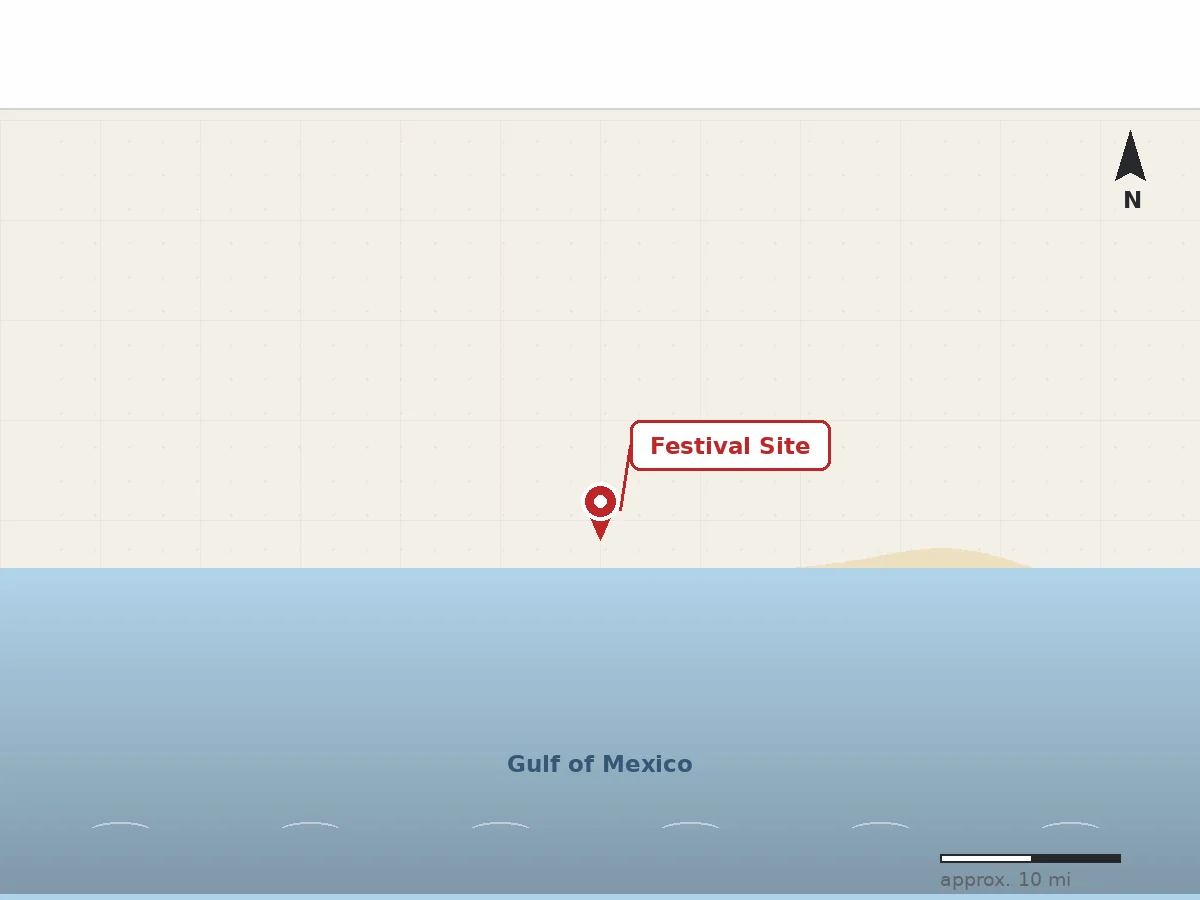
The Hendricks County 4-H Fair takes place at the county fairgrounds in the Danville area of Hendricks County, west of Indianapolis in central Indiana.
Hendricks County 4-H Fair Questions, Answered
Do I need a ticket to get into the fair?
Gate admission is generally free. You pay for what you consume — food, rides, games, and grandstand events — rather than for entry, which makes it easy to stop by for an hour or spend the whole evening.
Can I visit the barns and exhibit halls without showing an animal?
Yes. The barns and exhibit halls are open to the public, and walking through them is one of the best free things to do at the fair. Be respectful of members preparing animals for a class, and ask before touching anything.
What food should a first-timer not skip?
Start with the Indiana standards: a breaded pork tenderloin, a pork burger, or a ribeye sandwich, then add a lemon shake-up or a milkshake from the dairy stand. Finish with a funnel cake or an elephant ear. Lines move fastest in the mid-afternoon lull.
Is the fair manageable with young children?
It is. The grounds are walkable, the animals are a reliable hit, and the midway is modest compared with a large amusement park. Go earlier in the day for cooler temperatures and shorter lines, and plan a shaded break in the exhibit halls.
The Next Chapter for the Hendricks County 4-H Fair
The fair’s future looks a lot like its past, with one difference: a growing county. As Hendricks County adds residents in its suburban towns, the fair has a chance to introduce 4-H to families with no farming background at all — through photography, robotics, gardening, and food projects as much as through livestock.
Expect the fundamentals to hold: barns, exhibit halls, a midway, a grandstand, and a food row that keeps people on the grounds long after the shows end. The details will evolve. The appetite will not.
Last updated: October 2026
If you go, go hungry and go early in the week when the grounds are a little quieter. Order the tenderloin, save room for the funnel cake, and take a slow lap through the barns before you leave — that is the Hendricks County 4-H Fair at its best, and it has been feeding the county’s summers for generations.
One Comment