Hawaii County Hawaii Hawaii Island Festival of Birds Festival
Every autumn, something quietly remarkable happens in Hawaii County: people who have never held a pair of binoculars stand shoulder to shoulder with lifelong birders at the edge of native forest, waiting for a flash of red in the canopy. The Hawaii Island Festival of Birds turns that shared patience into a public celebration, gathering residents and visitors across the island of Hawaii for guided walks, conservation talks, and hands-on activities built around birds found nowhere else on earth.
The festival belongs to the whole county rather than a single resort lawn. Hawaii County — population 200,629, with Hilo as its county seat — spreads across the largest island in the archipelago, from rain-soaked windward valleys to dry upland forest and black lava coast. That range is exactly why the event works. Within one weekend, a birder can watch seabirds wheel over the water in the morning and listen for forest birds in the mist by afternoon.
Hawaii Island Festival of Birds: The Essentials
| Town / area | Hawaii County area, island of Hawaii |
| County | Hawaii County, Hawaii |
| County seat | Hilo |
| Population | 200,629 (Hawaii County) |
| Region | Windward East Hawaii and upland forest country |
| Typical timing | A weekend during the autumn months |
| Admission | Free to attend in most years |
| Setting | Coastal town, rainforest, and volcano slopes |
| Features | Guided bird walks, conservation talks, keiki activities, vendors |
| Organizer | Local birding and conservation groups from across Hawaii County |
Inside Hawaii County’s Birding Gathering
The festival is built on a simple idea: that the island’s birds are worth slowing down for. Programs generally include early-morning bird walks led by experienced local birders, indoor talks on habitat and conservation, an information and vendor area, and activities designed for children and first-timers. Specifics shift from year to year, but the rhythm stays familiar — field time in the morning, gathering and conversation in the afternoon.
Because Hawaii County covers so much ground, activities can be spread across more than one site. Some outings head into upland forest where native birds still hold on; others stay closer to town and suit anyone who would rather not hike. That flexibility is part of the appeal. You can build a gentle day around a single walk, or push yourself with a dawn start and a long trail.
What ties it together is the crowd. Retired paniolo, biology students, visiting mainland birders, and families with strollers end up in the same conversation, comparing notes on what they heard and where they heard it.

From Backyard Birders to a County-Wide Tradition
Birding on the island of Hawaii grew out of something older than the hobby itself: the work of protecting what remains. Hawaiian forest birds evolved in isolation for millions of years, and many species have been lost to habitat clearing, introduced predators, and mosquito-borne disease. Refuges and forest reserves on the slopes of Mauna Kea and Mauna Loa became strongholds for the survivors — ‘i’iwi, ‘apapane, ‘amakihi, ‘elepaio, and the Hawaiian hawk known as ‘io.
As those protected areas became better known, residents and visiting birders began organizing walks, surveys, and informal talks. The festival grew from that grassroots energy: small trips, a shared checklist, a potluck table, and a growing sense that the island’s birds deserved a weekend of their own. Over the years it has become a county-wide gathering that pairs recreation with education, drawing people from Hilo, Kona, Waimea, and beyond.
The timing has always made sense. Autumn sits between the summer nesting season and the winter arrival of migratory shorebirds, so a fall festival catches both year-round residents and seasonal visitors. The kolea, or Pacific golden plover, is the easiest example — a bird that returns to lawns, ball fields, and shorelines each year and gives a beginner an immediate, satisfying sighting.
A Day at the Festival: What You’ll See and Hear
Expect an outdoors-first weekend with an easy, unhurried pace. Binoculars come out at sunrise, talks fill the middle of the day, and the afternoons belong to families and casual visitors.
Food and Local Flavor Around Hilo
Island gatherings run on plate lunches, and this one is no exception. Community events in Hilo typically bring in local vendors selling poke, laulau, kalua pork, chicken long rice, malasadas, and shave ice, with Kona coffee close at hand for the early risers. Vegetarian options appear more often than they used to, but it pays to eat before a long field trip rather than counting on food at a remote trailhead. Bring a refillable water bottle — you will drink more than you expect.
Music, Storytelling, and Stage Moments
Entertainment leans local and acoustic: slack key guitar, ukulele, and hula tied to the landscape rather than to a big production. Storytelling matters here too. Elders and longtime residents share memories of birds that used to be common, and researchers explain what is being done to keep the remaining species from disappearing. Those sessions can be the most memorable part of the weekend — quieter than a concert, but harder to forget.
Keiki Activities and Hands-On Learning
Children are genuinely welcome, not tolerated. Expect craft tables, bird-call matching games, simple identification challenges, and binocular basics for small hands. Many families use the festival as a first introduction to the idea that conservation is something you do in your own backyard — planting native species, keeping cats indoors, and cutting down on the things that harm seabirds at night.
Planning Your Trip to Hawaii County
Getting to Hilo and Around the Island
Hilo International Airport serves the county seat with interisland flights and some mainland connections, which makes it the natural base for the festival. Kona International Airport, on the dry west side, is roughly a two-hour drive across the island. Once you are here, a rental car is close to essential — public transit exists, but festival sites are often scattered and start early.
Where to Stay on the Hilo Side
Hilo has the widest choice: small hotels, bed-and-breakfasts, and vacation rentals within a short drive of the bayfront. Volcano Village, upslope near the national park, offers cooler air and a head start on upland birding. Honoka’a and Waimea work well if you plan to explore the Hamakua Coast or the Kohala Mountains. Autumn is not the island’s busiest season, but book early anyway — inventory is limited.
Parking and Arriving Without Stress
Downtown Hilo has metered street parking and public lots, and they fill quickly when something is happening in town. Arrive early, carpool when you can, and read the signage carefully — some lots are reserved for permit holders. For field trips into forest or refuge land, parking is usually limited to a small pullout, so ride-sharing with other participants is both practical and courteous.
Admission and What Things Cost
There is generally no charge to attend the festival itself, and many talks and family activities are open to anyone who shows up. Your real expenses are travel, lodging, meals, and any optional excursions you arrange on your own. Some field trips and limited-access outings fill up, so register as soon as the schedule is published rather than assuming you can join on the day.
Weather, Rain Gear, and What to Wear
Hilo is one of the wettest towns in the United States, and the windward slopes are wetter still. Pack a light rain shell, quick-dry layers, and closed-toe shoes with grip. Upland mornings can be chilly while the coast is warm and humid, so dress in layers you can shed. Add reef-safe sunscreen, a hat, insect repellent, and a dry bag for electronics.
A Sample Weekend Itinerary for Birders
Friday: fly into Hilo, collect your rental car, and settle in. Spend the late afternoon walking the bayfront or Liliuokalani Gardens, where shorebirds and introduced songbirds are easy to watch. Pick up the festival schedule and confirm your Saturday field trip.
Saturday: rise before dawn for a guided forest or coastal walk. Spend the middle of the day at talks and the vendor area, then join a family-friendly activity in the afternoon. Finish with an early dinner in Hilo — you will want the sleep.
Sunday: choose a second walk if you have the energy, or drive up to Volcanoes National Park for ‘apapane and ‘amakihi in the koa and ‘ohi’a forest. Stop at Rainbow Falls or Akaka Falls on the way back, then head to the airport. It is a full weekend, but a well-paced one.
How the Festival Compares: Nearby Towns and Events
Hilo’s Merrie Monarch Festival, held each spring, is the island’s marquee cultural event — a week of hula competition that draws enormous crowds and fills every hotel in town. The Hawaii Island Festival of Birds is the opposite experience: small, slow, and outdoors, with binoculars instead of bleachers.
The Kona Coffee Cultural Festival, on the west side in November, is an agricultural celebration built around tastings, farm tours, and the harvest. It is a good model for what a niche island festival can become when the community commits to it. Volcano Village, meanwhile, is less an event than a base camp — a small town on the edge of the national park where birders, hikers, and artists overlap. Pair it with the festival if you want forest time at dawn.
A Practical Checklist Before You Fly
Binoculars (8×42 is a good all-round size); a spotting scope if you have one; rain shell and dry bag; sturdy closed-toe shoes; water bottle; sun hat and reef-safe sunscreen; insect repellent; a small notebook or the eBird app; a camera with a zoom lens; layers for cool upland mornings; cash for vendors and small roadside stands; and a printed or downloaded copy of the festival schedule.
One more item that is easy to forget: patience. Forest birds move fast and hide well, and the best sightings often come after twenty quiet minutes of standing still.
Beyond the Festival: Forests, Coastlines, and Volcano Country
Stay a few extra days and the island opens up. Hawaii Volcanoes National Park protects native forest and dramatic lava terrain within an easy drive of Hilo. Hakalau Forest National Wildlife Refuge, on the windward slope of Mauna Kea, is one of the most important remaining strongholds for Hawaiian forest birds, though access is limited and typically arranged in advance through guided trips or permits.
Along the coast, Kaloko-Honokohau and Pu’uhonua o Honaunau on the Kona side offer cultural history alongside shorebirds and sea turtles. The Kohala coast adds dryland birding and resort comforts, and the road up Mauna Kea passes through high-elevation habitat that supports species found almost nowhere else. Wherever you go, respect closures and stay on trails — much of this landscape is fragile and sacred.
Why the Festival Matters to Hawaii County
Hawaii is often called the bird extinction capital of the world, and that phrase lands differently when you are standing in a forest listening for a species that may not be there in twenty years. The festival gives that reality a local, human scale. It puts schoolchildren next to researchers, gives visitors a reason to care about habitat they will never see again, and supports the small businesses and conservation groups that keep the work going.
It also strengthens something less measurable: pride in place. A county of 200,629 people spread across a vast island can feel fragmented, and a shared weekend built around birds pulls Hilo, Kona, Waimea, and the Hamakua Coast into the same conversation.
Where the Festival Happens
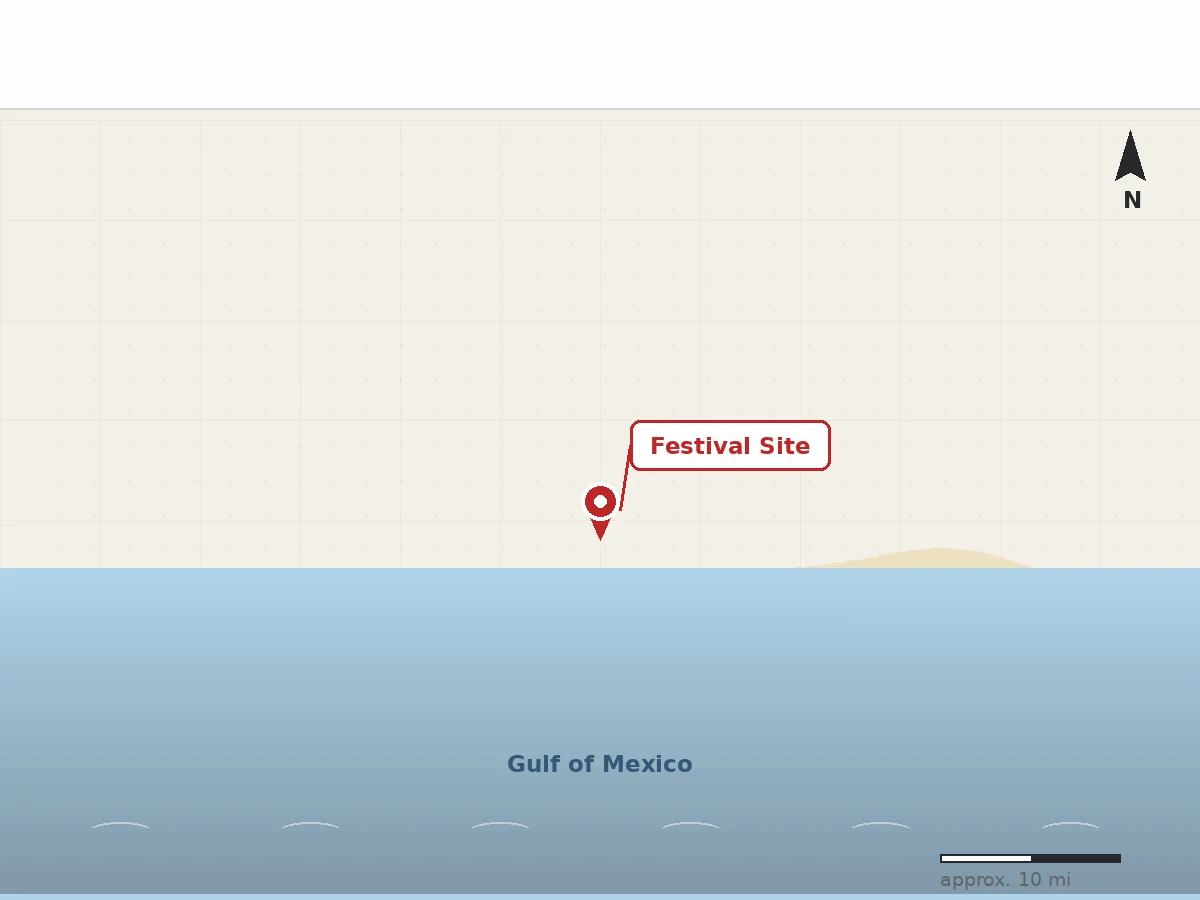
The Hawaii Island Festival of Birds takes place in the Hawaii County area, with activities centered on Hilo, the county seat on the island’s windward coast.
Birding Questions, Answered
Do I need to be an experienced birder to enjoy it?
No. The festival is designed with beginners in mind, and many attendees arrive knowing only the birds in their own yard. Walks are usually grouped by pace and difficulty, leaders point out what they are hearing, and nobody expects you to identify anything on your own. Curiosity is the only real requirement.
What should I bring on a field trip?
Binoculars, water, a rain jacket, and closed-toe shoes are the essentials. Forest trails on the windward side can be muddy and slick, and rain can arrive without much warning. If you have a scope or a camera with a long lens, bring it — but leave the tripod at home if the walk is described as steep.
Is the festival good for children and older visitors?
Yes, with a little planning. Family activities, craft tables, and short nature walks suit young children, while the talks and vendor area are easy to navigate for anyone who prefers not to hike. Choose outings by difficulty rather than by reputation, and build in downtime — the island’s humidity tires people faster than they expect.
Looking Ahead for the Hawaii Island Festival of Birds
The festival’s future is tied to the future of the forest. As conservation groups expand predator control, restore native trees, and work to slow the spread of avian disease to higher elevations, there is real hope that some of the island’s rarest birds will hold on. Organizers continue to push for more accessible programming, more keiki involvement, and closer partnerships with schools across Hawaii County.
For visitors, that means the event is likely to keep growing — a little more structured each year, but still rooted in the same early-morning walks and shared silences that started it. If you have been meaning to see Hawaii’s native birds while they are still here, this is the weekend to do it.
Last updated: October 2026
Come for the birds, and you will leave with something broader: a sense of how much is at stake on these islands, and how much a single county can do when it decides to pay attention. Bring binoculars, bring rain gear, and bring a friend who has never birded before. The Hawaii Island Festival of Birds is at its best when it is shared.