Hancock County Maine Native American Festival
On a July weekend in Bar Harbor, the ocean-front grounds of the College of the Atlantic fill with the colours, sounds and textures of Wabanaki artistry. Basketmakers from all four of Maine’s tribal nations set out work shaped from ash and sweetgrass beside musicians, dancers and storytellers, and visitors wander from stall to stall talking with the makers. The gathering is free and open to the public, and it has been a fixture of the Mount Desert Island summer for more than three decades. Its published name is the Native American Festival and Basketmakers Market, and in its current form it carries the name Dawnland Festival of Arts and Ideas — one continuing story that began at the Abbe Museum in 1989.
About
The Native American Festival and Basketmakers Market is a celebration of the living arts of the Wabanaki peoples, the collective name for the Maliseet, Micmac, Passamaquoddy and Penobscot nations of Maine. It is presented by the Abbe Museum with the Maine Indian Basketmakers Alliance and the College of the Atlantic; its successor form, the Dawnland Festival of Arts and Ideas, is organised by the Abbe Museum. The sheet title is a county-prefixed catalogue form; the published names are the ones visitors see on posters, programmes and museum announcements.
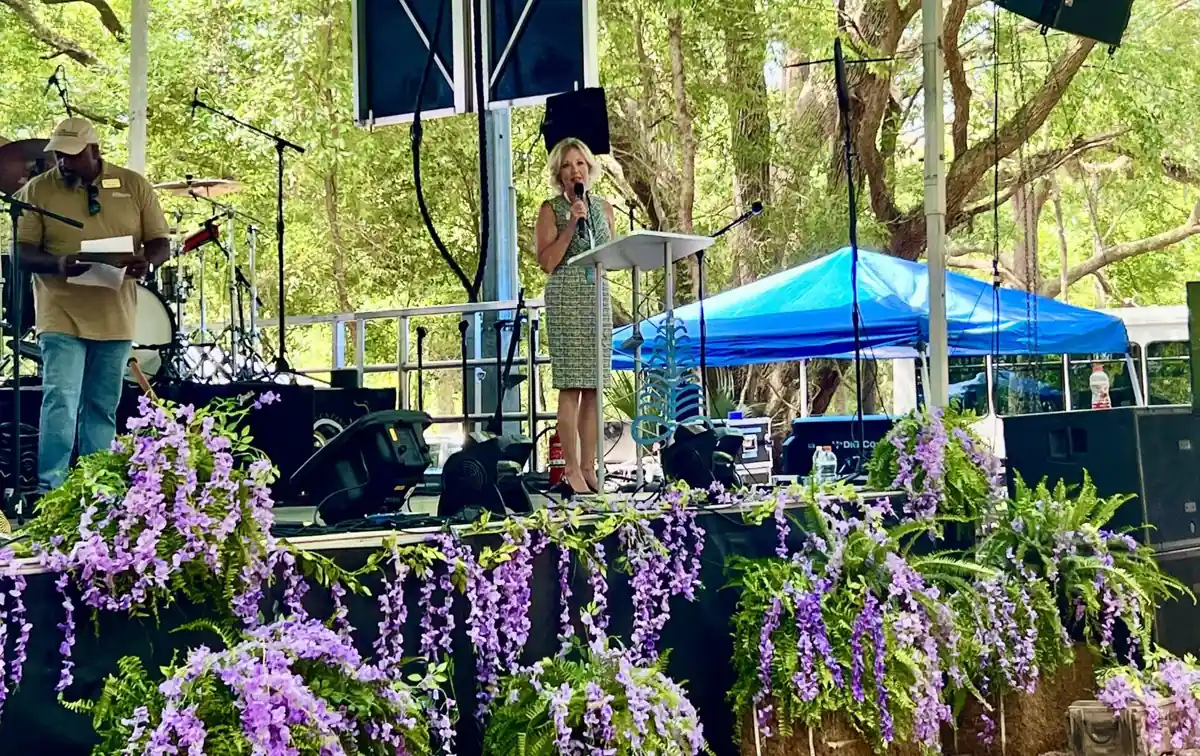
The heart of the gathering is the Native arts market, where basketmakers from all four Maine tribes offer baskets for sale and demonstrate their craft. Music, dancing, storytelling, craft demonstrations and a silent auction round out the day, and the successor form adds a Northeastern Native artist marketplace with more than fifty artists, panel discussions and live performances. The festival takes place in Bar Harbor, on the ocean-front grounds of the College of the Atlantic, with earlier editions held at the Abbe Museum’s downtown Bar Harbor location, a town that leaves the county-seat role to Ellsworth.
Quick Facts
| Item | Detail |
| Published name | Native American Festival and Basketmakers Market |
| Current form | Dawnland Festival of Arts and Ideas |
| Host town | Bar Harbor, Maine |
| County seat | Ellsworth, not Bar Harbor |
| Venue | College of the Atlantic ocean-front grounds |
| Earlier venue | Abbe Museum, downtown Bar Harbor |
| Organiser | Abbe Museum with the Maine Indian Basketmakers Alliance and the College of the Atlantic |
| First held | 1989, at the Abbe Museum |
| Admission | Free and open to the public |
| Signature element | Wabanaki basketmakers market |
History
The festival began in 1989 at the Abbe Museum, a museum in Bar Harbor devoted to Wabanaki history, art and culture. From its earliest years it was built around the basketmakers, whose work in brown ash and sweetgrass is a great living craft tradition of the Northeast. The gathering gave those makers a public stage in the middle of the summer season, when Bar Harbor is at its busiest, and it gave visitors a chance to meet the artists and watch them work.
A museum post dated 2013 billed the gathering as the 20th Annual on 6 July, and the festival celebrated twenty-five years on 7 July 2018 at the museum’s downtown Bar Harbor location. The 1989 start and the 20th Annual billing in 2013 are both recorded as printed, unmerged, and across three decades the festival returned each summer, the market grew, and the audience widened.
For a useful comparison, see the Hancock County Maine Downeast Cider and Cheese Festival for another county festival.
In time the gathering outgrew its original frame. The Dawnland Festival of Arts and Ideas debuted in July 2024 as the successor form, organised by the Abbe Museum, returning for a second year on 12–13 July 2025. The 2026 edition was held on 11–12 July 2026, in collaboration with the Smithsonian Center for Folklife and Cultural Heritage and its 2026 Of the People: Festival of Festivals. The new name signals a wider canvas: Dawnland gathers Native artists from across the Northeast, adds panel discussions and live performances, and places the market within a larger conversation about Native arts and ideas, with the basketmakers still at its centre.
One boundary deserves stating plainly. A reference layer says Dawnland evolved from the museum’s long-running Abbe Museum Indian Market, a May event; that market is related but distinct, and the three names should not be merged into one.
What to Expect
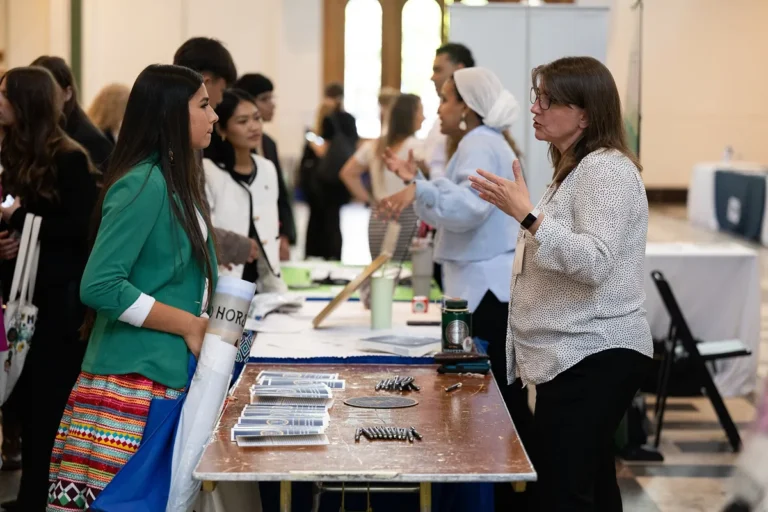
Visitors arriving at the College of the Atlantic grounds find an open-air market first and a festival around it. Basketmakers lay out their work on tables under the summer sky: baskets woven from brown ash splints and sweetgrass, from small keepsake pieces to large carrying baskets, alongside other handmade work. Many makers demonstrate as they sell, so a visitor can watch a basket take shape and ask about the materials, the dyes and the patterns. The four nations are all represented, and the market is the celebrated centrepiece of the day.
Music and dancing run through the programme, with performers sharing songs and dances from Wabanaki and wider Native traditions. Storytellers hold audiences with tales passed down through generations, craft demonstrations show skills beyond basketry, and a silent auction offers visitors another way to support the artists and the museum.
In its Dawnland form the gathering widens further. The Northeastern Native artist marketplace brings more than fifty artists to the grounds, working in media from beadwork and textiles to painting and sculpture. Panel discussions take up questions of art, identity and cultural continuity, and live performances fill the stages between the market hours, so the grounds feel both like a market and like a meeting place.
Because the festival is free and open to the public, the crowd is mixed — summer visitors, island residents, collectors who return year after year, and families who come for an afternoon and stay for the music. There is no ticket queue and no gate to pass; the grounds are open, and the day unfolds at a walking pace.
Planning Your Visit
The festival is held in Bar Harbor, the busy resort town on Mount Desert Island, in July. Bar Harbor leaves the county-seat role to Ellsworth, yet it is the island’s main town, with the widest choice of places to stay, eat and park. The venue is the College of the Atlantic ocean-front grounds, a short distance from the downtown waterfront; earlier editions used the Abbe Museum’s downtown Bar Harbor location.
July is the height of the Bar Harbor season, so accommodation books up early and the roads into town are at their busiest. Visitors staying overnight should book well ahead, and day visitors should allow time for parking and the walk to the grounds. Entry costs nothing, and no advance booking is needed for the market, the performances or the panel discussions. A valid park pass is not required for the festival grounds themselves, though visitors who go on into Acadia National Park will need one for the park.
The grounds are outdoors and exposed to the coastal weather, so a layer for the sea breeze and protection from sun or rain are worth carrying. Comfortable shoes matter, because the market rewards slow wandering, and a bag for purchases is useful for carrying baskets and artwork home safely.
Sample Itinerary
Arrive in the late morning, when the market is fully set up and the makers are at their tables. Spend the first hour moving slowly through the basketmakers market, talking with makers from each of the four nations and watching demonstrations. Note the pieces that catch the eye, but hold off buying until the full circuit is done.
Over midday, catch a music or dance performance and find a seat for a storytelling session. The performances are spaced through the day, so there is time between them to return to the market, and the silent auction is worth a look before bidding closes. In the afternoon, visit the wider artist marketplace in the Dawnland form, where more than fifty Northeastern Native artists show work beyond basketry, and sit in on a panel discussion if one is scheduled.
Before leaving, circle back to the basketmakers for any purchase, and allow time for the walk back toward downtown Bar Harbor, where the Abbe Museum’s downtown location and the waterfront offer a natural end to the day. The whole visit fits comfortably into a single afternoon, though collectors often give it a full day.
Comparison
The July festival and the Abbe Museum Indian Market share a museum, a season and a community of makers, yet they are distinct events. The Indian Market is a May event with its own place in the museum’s calendar, while the festival described here is a July gathering built around the basketmakers market and, in its current form, the Dawnland celebration. The museum itself keeps the two separate, and this article does the same.
Within the July gathering itself, the earlier form and the Dawnland form differ in scope rather than in spirit. The Native American Festival and Basketmakers Market centred on the market and the basketmakers; Dawnland keeps that market at its heart and adds a wider marketplace, panels and performances. Admission has not changed between the forms: both are free and open to the public, according to museum layers. The venue has shifted with the festival’s growth, from the museum’s downtown Bar Harbor location to the College of the Atlantic ocean-front grounds.
Compared with other summer gatherings on Mount Desert Island, the festival stands apart by its focus. It is not a food festival, a music festival or a general craft fair, though it contains music and craft; it is a celebration of Wabanaki arts, organised by the museum that holds and shares that culture, and the market is its reason for being.
Checklist
- Book Bar Harbor accommodation well ahead for a July weekend
- Allow extra time for parking and the walk to the College of the Atlantic grounds
- Bring a layer for the sea breeze and protection from sun or rain
- Wear comfortable shoes for slow wandering through the market
- Carry a bag for baskets and artwork bought at the market
- Talk with the makers and watch demonstrations before choosing a piece
- Check the silent auction before bidding closes
- Leave time for the Abbe Museum’s downtown Bar Harbor location after the festival
- Remember that entry is free, with no ticket needed
- Keep the May Indian Market separate in your plans
Beyond the Festival
Bar Harbor rewards a longer stay. The Abbe Museum’s downtown Bar Harbor location is the natural companion to the festival, with exhibitions on Wabanaki history, art and culture that give context to the work seen at the market. The College of the Atlantic campus itself, on the ocean-front, is worth an unhurried walk, and the waterfront and the shops of downtown Bar Harbor lie a short distance away.
Acadia National Park surrounds the town, and its carriage roads, trails and coastline offer the classic Mount Desert Island experience for visitors who stay on after the festival. A drive along the Park Loop Road, a walk on the Ocean Path or a climb to a summit viewpoint all fit easily into a second day, and the island’s villages beyond Bar Harbor each have their own character.
Significance
The festival matters because it puts living Wabanaki artistry in front of the public on the makers’ own terms. Basketmaking in brown ash and sweetgrass is a tradition carried through generations in the Maliseet, Micmac, Passamaquoddy and Penobscot nations, and the market is one of the places where that tradition is most visible: not behind glass, but in the hands of the people who practise it, with the work for sale and the makers present to talk about it. For visitors, that encounter is the point of the day; for the makers, the festival is a market, a meeting place and a source of income.
The festival’s evolution into Dawnland extends that significance. By gathering Native artists from across the Northeast and adding panels and performances, the Abbe Museum has turned a market into a wider platform for Native arts and ideas, while keeping the basketmakers at its centre and keeping entry free. The collaboration with the Smithsonian Center for Folklife and Cultural Heritage in 2026 underlines the scale the gathering has reached. The collaboration underlines the scale the gathering has reached, and its free, open character is part of why it has lasted.
Frequently Asked Questions
What makes the basketmakers market different from an ordinary craft fair?
The market is built around basketmakers from the four Wabanaki nations — Maliseet, Micmac, Passamaquoddy and Penobscot — whose work in brown ash and sweetgrass carries a long tradition. Makers demonstrate as they sell, talk with visitors about materials and patterns, and offer work made by hand, so the market celebrates a living craft tradition rather than offering a general fair of assorted goods.
Is the Dawnland Festival the same gathering under a new name?
Dawnland is the successor form of the Native American Festival and Basketmakers Market, organised by the Abbe Museum. It keeps the basketmakers market at its heart and adds a Northeastern Native artist marketplace with more than fifty artists, panel discussions and live performances. The two names describe one continuing story, and the festival began in 1989 under its earlier name.
Do visitors need tickets or advance booking?
No. Both forms are free and open to the public, according to museum layers. There is no gate price and no advance booking for the market or the performances, so visitors can arrive during the day and walk straight onto the grounds.
Which tribal nations take part in the market?
Basketmakers from all four Maine tribal nations take part: the Maliseet, the Micmac, the Passamaquoddy and the Penobscot, collectively known as the Wabanaki. Each nation’s makers bring their own styles, materials and patterns to the market.
What to Expect From the Next Hancock County Maine Native American Festival
How often is Hancock County Maine Native American Festival held?
The gathering has run as a July event across its history, from its beginnings at the Abbe Museum in 1989 through the Dawnland editions of 2024, 2025 and 2026, returning to Bar Harbor each summer.
When is the next Hancock County Maine Native American Festival?
The most recent documented edition was held on 11–12 July 2026, in collaboration with the Smithsonian Center for Folklife and Cultural Heritage, and no later edition date is announced in the layers read. Visitors should look for the museum’s own announcement before planning around a future July weekend.
Will the dates change?
The festival has kept to July throughout its documented history, and the Dawnland editions fell on July weekends in 2024, 2025 and 2026. The exact weekend has varied from year to year, so the precise dates for any future edition should be checked against the museum’s own announcement.
The Native American Festival and Basketmakers Market began as a museum gathering in Bar Harbor in 1989, grew into a celebrated market for Wabanaki basketmakers, and now continues as the Dawnland Festival of Arts and Ideas on the ocean-front grounds of the College of the Atlantic. Free and open to the public, it remains one of the Maine coast’s most direct encounters with living Native art — a day of baskets, music, stories and conversation.