Hancock County Indiana 4-H Fair Festival
Hancock County summers have their own rhythm. Corn climbs in the fields, porches stay occupied after supper, and for one stretch of the season the fairgrounds fill with trailers, show ribbons, and the smell of grilled pork tenderloin. The Hancock County 4-H Fair is the anchor of that stretch — a multi-day gathering in a county founded on March 1, 1828, whose 307.02 square miles reach from Greenfield outward across some of central Indiana’s most productive farm ground.
Hancock County 4-H Fair Facts: Greenfield, the Season, and the Grounds
| Town / place | Hancock County area, centered on the fairgrounds near Greenfield |
| County | Hancock County, Indiana — founded March 1, 1828 |
| County seat | Greenfield |
| Population served | Residents of Greenfield and communities across the county’s 307.02 square miles |
| Region | Central Indiana |
| Typical timing | Summer, most often in July, running several consecutive days |
| Admission | Typically free to the fairgrounds; individual activities charge their own fees |
| Setting | A rural-suburban fairground with livestock barns, exhibit halls, and open space |
| Signature features | 4-H livestock shows, project exhibits, food stands, grandstand events, family activities |
| Organizer | The Hancock County 4-H program |
What the Hancock County 4-H Fair Is, and Why It Shapes the Season
The Hancock County 4-H Fair is the county’s yearly showcase for 4-H members and the community that backs them. For several days each summer, the fairgrounds become a small town of their own: barns holding cattle, swine, sheep, goats, and poultry; exhibit halls lined with sewing, photography, woodworking, baking, and gardening projects; and a schedule that runs from early-morning weigh-ins to late-evening events in front of the grandstand.
What sets this fair apart is who it belongs to. It is a county fair, not a single-town event. Members travel in from Greenfield and from the smaller communities and rural townships scattered across Hancock County’s 307.02 square miles, and so do the visitors who come to watch, eat, and cheer. That blend — farm families, suburban families, grandparents, and first-time fairgoers — gives the fair its easy, familiar character. A child’s first ribbon still matters here, and so does a neighbor’s opinion of the pie.
From an 1828 County Founding to a Summer Fair Tradition
Hancock County was established on March 1, 1828, with Greenfield as its county seat. Agriculture shaped the county from the start, and the fair tradition that grew here follows the same arc as fairs across Indiana: agricultural gatherings first brought farmers together to compare crops, livestock, and equipment, and those meetings gradually added exhibits, competitions, and entertainment until they became the multi-day events Hoosiers know today.
4-H took shape in the early decades of the twentieth century, when youth clubs organized around farming, homemaking, and community projects. Over time those clubs became the heart of county fairs, and the Hancock County fairgrounds became the place where a member’s year of work was judged, displayed, and celebrated. Generations of exhibitors have passed through since then, but the structure has stayed steady: projects entered, animals shown, ribbons awarded, families gathered.
For another look at how a community turns its own traditions into a gathering, see the Hamilton County Iowa Hamilton County Fair Festival for a useful comparison.
The county’s size and setting matter to that story. At 307.02 square miles, Hancock County is large enough to support a serious agricultural base and positioned close enough to central Indiana’s population centers that the fair draws an audience well beyond the farm gate. Greenfield, as the county seat, has long served as the practical hub for fair week — the address people give when they explain where they are going.
Inside the Fairgrounds: A Day at the Hancock County 4-H Fair
A fair day here unfolds in layers. The livestock barns run on their own clock, the exhibit halls keep steadier hours, and the ring of food stands and activity booths fills in around them. Most visitors drift between all three.
Food Stands and the Flavor of a Hancock County Summer
Fair food is part of the draw. Expect the standard pleasures — pork tenderloin sandwiches, corn dogs, funnel cakes, lemon shake-ups, and ice cream — served from stands run by local clubs, churches, and vendors. Bring cash for the smaller stands and a card for the bigger ones. Many families treat a meal at the fair as the main event of the evening: find a picnic table, eat slowly, and let the kids run while the light goes gold over the barns.
Grandstand Nights, Music, and Entertainment
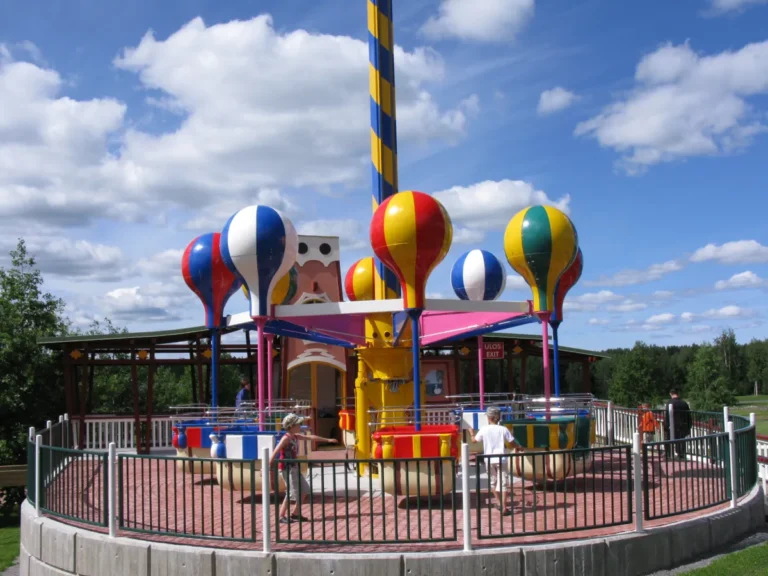
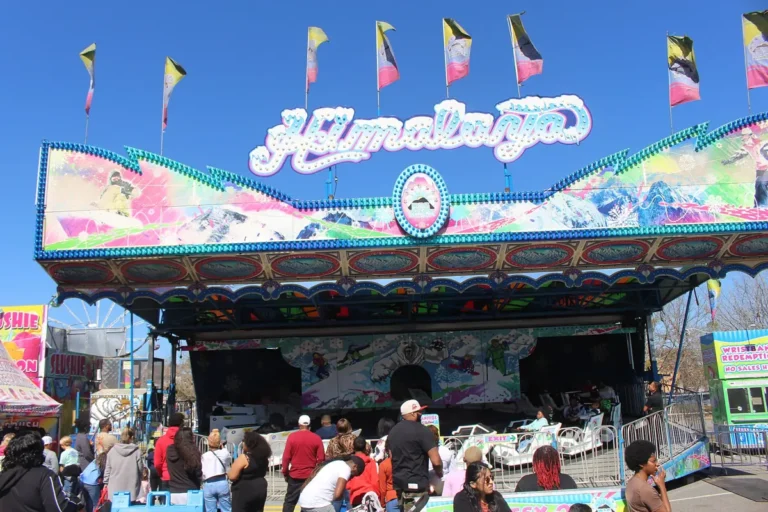
Evenings pull people toward the grandstand and the open ground around it. Depending on the year, that can mean live music, tractor pulls, talent showcases, rides, or games. Schedules change from season to season, so the smart move is to check the fair’s published program when it appears and build your evening around whatever is on. Arrive early for anything at the grandstand; seating fills quickly once the sun drops.
Family Activities, Livestock Barns, and 4-H Project Exhibits
Families with young children tend to spend their time in the barns, where kids can meet animals and watch members prepare for shows. The exhibit halls are quieter and just as rewarding: rows of photography, crafts, baked goods, vegetables, and woodworking, all judged and labeled. Look for hands-on activities and demonstrations scheduled through the day. If you know a 4-H member, ask when their class shows — the moment their animal enters the ring is usually the highlight of the family’s week.
Planning a Visit to the Hancock County 4-H Fair
A little preparation makes a summer fair day much easier, especially with children or grandparents in the group.
Getting to the Fairgrounds from Greenfield and Beyond
The fairgrounds sit within Hancock County, and Greenfield — the county seat — is the natural reference point for anyone navigating there. Most visitors arrive by car, following county roads in from Greenfield or from the surrounding townships. Traffic is heaviest in the early evening, when families finish work and head over. If your schedule allows, come in the late morning for the calmest arrival and the best look at the barns before crowds build.
Where to Stay Near Hancock County
Because the fair runs several days, some families stay over. Greenfield and the surrounding county have lodging options, and the wider central Indiana region offers a deep bench of hotels within a reasonable drive. Book early if your visit lines up with a busy summer weekend. Campers and exhibitors often stay close to the grounds in their own rigs, which is part of what gives fair week its neighborhood feel.
Parking at the Fairgrounds
Parking is typically on or adjacent to the fairgrounds, with volunteers directing cars during the busiest hours. Expect grass lots in some areas and a short walk to the gates. Note where you parked before you go in — fairgrounds look different after dark — and keep an eye on kids in the lots when traffic is moving. Carpooling with another family simplifies everything, particularly on grandstand nights.
Admission, Tickets, and What Money You’ll Need
Admission to the fairgrounds is typically free, which is one reason the fair feels so accessible. Individual activities — rides, grandstand shows, games, and food — carry their own charges. Bring a mix of cash and cards, since smaller stands and 4-H clubs may prefer cash. If you plan to spend an evening at the grandstand, set a rough budget before you walk in.
Hancock County Weather and What to Wear
Indiana summers are warm and humid, with afternoon heat and the occasional thunderstorm. Dress in light layers, wear comfortable shoes you don’t mind getting dusty, and bring sunscreen, hats, and water bottles. Evenings cool off pleasantly. If a storm rolls through, head for the exhibit halls or a building rather than standing under trees, and be ready for events to pause until it passes.
A Sample Summer Weekend at the Hancock County 4-H Fair
Friday evening: arrive in the late afternoon, walk the barns while they’re still quiet, and grab dinner from a food stand before finding a seat for whatever is happening at the grandstand. Stay long enough to watch the lights come on over the grounds.
Saturday morning: come early for livestock shows. This is when the barns are busiest and most interesting — members grooming animals, families hauling feed buckets, judges working through classes. Wander into the exhibit halls next, while the morning is still cool.
Saturday afternoon: eat lunch at the fair, let the kids try a game or a ride, and check the day’s schedule for demonstrations or contests. Take a break in the shade during the hottest hour, then head back out as the heat breaks.
Saturday evening: the fair at its fullest — grandstand event, music, food lines, crowds. Pick one anchor activity and let the rest of the evening happen around it.
Sunday: a slower visit. Revisit favorite exhibits, catch a final show or two, and stop by the barns to see how the weekend’s judging turned out before heading home.
How Hancock County’s Fair Compares with Nearby Indiana Options
Hancock County’s fair sits in a crowded summer calendar, and that is part of its charm. To the west, the Indianapolis area hosts the Indiana State Fair, a far larger event with big-name concerts and sprawling grounds — a different experience entirely, and worth a separate trip. Neighboring counties east, north, and south of Hancock each hold their own 4-H fairs, usually within a few weeks of one another, with similar barns, exhibits, and food stands but their own local flavor.
The differences come down to scale and feel. Larger fairs bring more vendors and bigger entertainment; smaller ones feel more like a community reunion. Hancock County’s fair lands somewhere in the middle: substantial enough to fill a weekend, small enough that you will run into people you know. Pick based on what you want — a big production, or a fair where the person selling you a tenderloin is likely a neighbor.
What to Pack and Plan for a Hancock County Fair Day
Pack for a summer day: sunscreen, hats, refillable water bottles, and comfortable shoes. Bring cash for smaller stands and 4-H booths, plus a card for larger vendors. Charge your phone, and consider a portable battery if you will be there all day. Check the fair’s published schedule before you go so you know when the events you care about start. Plan for heat and a possible afternoon storm. Keep children close in parking areas and barns. If you are meeting people, pick a landmark near the main entrance. Leave room in the car for anything you buy, and ask about accessible routes and seating on arrival if someone in your group has trouble walking long distances.
Beyond the Fairgrounds: Greenfield and the Rest of Hancock County
Fair week is a fine excuse to see more of the county. Greenfield, the county seat, is the place to start — county buildings, a compact downtown, and local shops and restaurants within a short drive of the fairgrounds. The county’s 307.02 square miles take in farmland, small communities, and quiet roads that make for an easy evening drive after the fair.
Outdoor time is easy to find. Hancock County’s countryside offers rural routes for cycling and driving, and central Indiana’s broader network of parks, trails, and small-town main streets is close at hand. Many visitors pair a fair day with a stop somewhere else in the county, turning an afternoon at the fairgrounds into a full day out.
A County Reunion: The Fair’s Place in Hancock County Life
The fair matters because it makes visible something that is otherwise easy to overlook: the year-round work of young people learning to raise animals, grow food, sew, bake, build, and photograph. When those projects land in an exhibit hall or a show ring, the county gets to see what its kids have been doing since last summer. That is a real civic function, not just a nice tradition.
It also works as a reunion. Across 307.02 square miles, people live far enough apart that a fairground is one of the few places everyone converges. Neighbors catch up, grandparents watch grandchildren show, businesses sponsor classes, and volunteers spend their week running gates and grills. Hancock County has been at this since its founding on March 1, 1828 — and the fair remains one of the clearest expressions of what holds the place together.
Locating the Hancock County Fairgrounds Near Greenfield
The fair takes place within Hancock County, Indiana, with Greenfield — the county seat — serving as the nearest reference point for visitors heading to the grounds.
Practical Answers for First-Time Hancock County Fairgoers
Is the Hancock County 4-H Fair free to attend?
Admission to the fairgrounds is typically free, so you can walk in, tour the barns, and browse the exhibit halls without buying a ticket. Individual activities are the exception: rides, games, grandstand shows, and food all carry their own prices. Budget accordingly if you plan to spend an evening at the entertainment rather than simply strolling the grounds.
When does the fair usually take place?
It is a summer event, most often held over several consecutive days in July. Exact dates shift from year to year, so check the fair’s published schedule as summer approaches rather than planning around a fixed week. County fairs across Indiana cluster in July, which means weekends can be busy.
Who can enter 4-H projects and livestock shows?
Exhibitors are 4-H members, typically young people enrolled in the Hancock County 4-H program. Entries are organized by project area — livestock, foods, photography, sewing, woodworking, and more — and judged in classes by age and experience. Visitors need no connection to 4-H to attend, watch, or cheer; the fair is open to the whole county and beyond.
What should families with young children know before visiting?
Come earlier in the day, when the barns are calm and the heat is manageable. Bring water, sunscreen, and a stroller that handles gravel and grass. The livestock barns are usually the biggest hit with small children, followed closely by the food stands. Watch for posted rules about touching animals, and wash hands after time in the barns. Plan an exit strategy for the inevitable late-afternoon meltdown.
Looking Ahead to Future Seasons in Hancock County
County fairs change slowly, and that is usually to their credit. Expect the Hancock County 4-H Fair to keep doing what it does well: putting members’ work in front of the community, filling the barns and exhibit halls, and giving Hancock County a summer gathering that feels like its own. New generations of exhibitors will take their turn in the show ring, volunteers will keep the gates running, and Greenfield will remain the reference point for anyone heading to the grounds.
Whether you come for the livestock shows, the food, or simply the company, the fair is best experienced the way locals do — unhurried, on foot, and with time to stop and talk. Check the published schedule when summer arrives, and build your visit around the events that matter most to you.
Last updated: October 2026
Hancock County has been a place of fields and small towns since March 1, 1828, and its fair keeps that identity on display for a few days each summer. If you are anywhere within driving distance, put the 4-H Fair on your calendar — walk the barns, eat something fried, and watch a kid lead an animal into the ring for the first time. That is the whole point, and it is worth the trip.