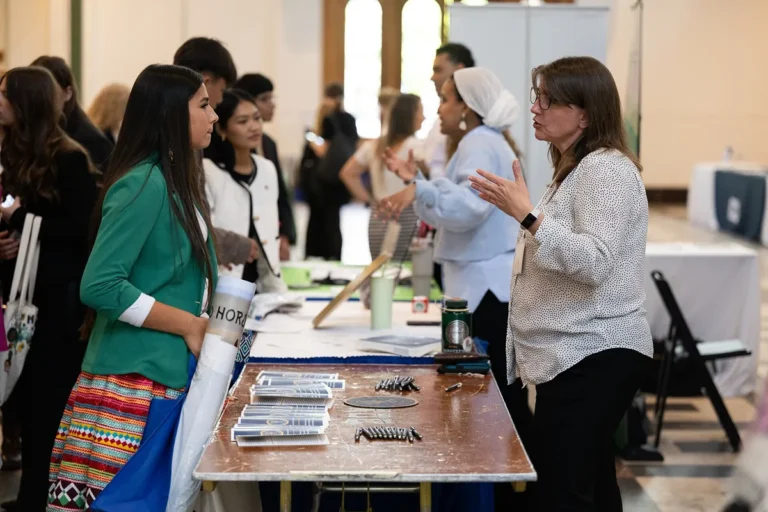
Griggs County North Dakota Fair Festival
The county fair that serves Griggs County is documented most clearly not by advertising but by paperwork: a premium booklet the fair itself printed for 2026, and testimony its own officers gave the North Dakota Legislature in March 2025. Together those records show a working July fair at the Griggs County Fairgrounds in Cooperstown, the county seat, built around an open-class exhibit show, a large 4-H programme that has outgrown its barn space, and a rodeo day recorded in professional results. They also show what the record does not contain. No gate price for this fair is published anywhere, and its history includes a long interruption, so this article prints neither an admission figure nor an unbroken pedigree.
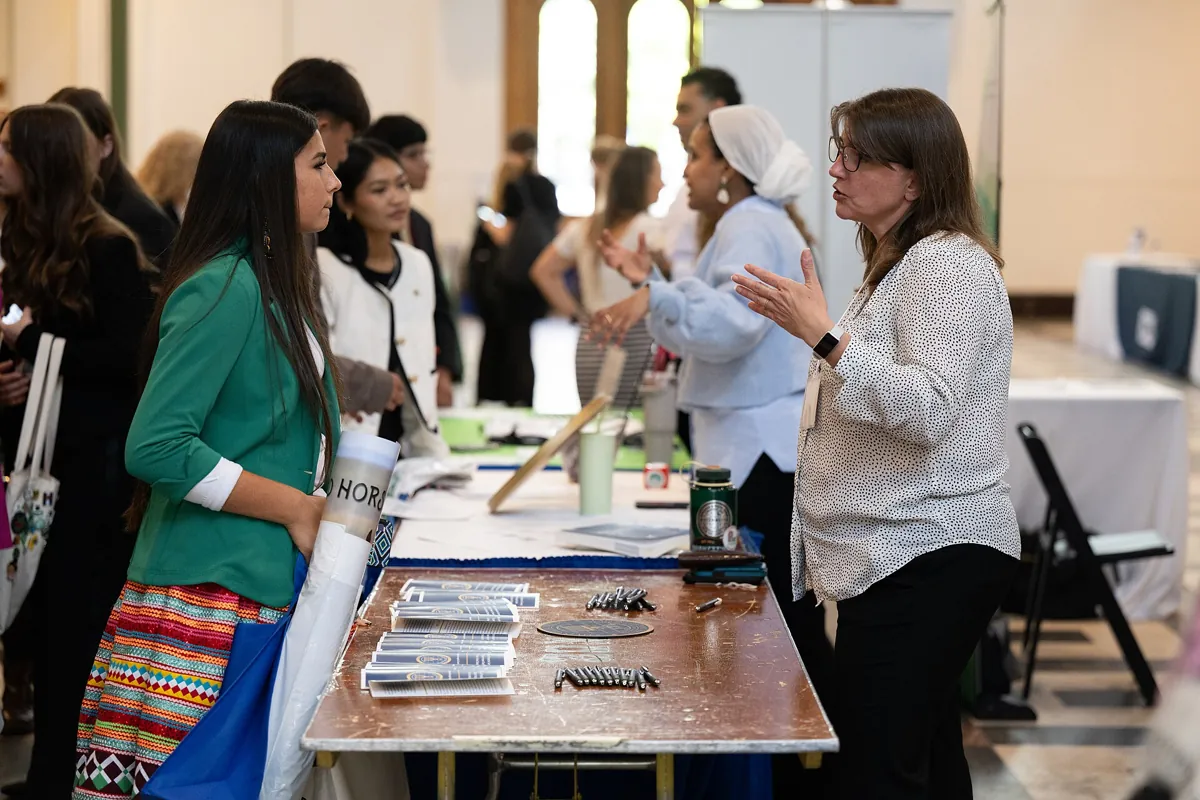
About the Griggs County Fair
The published name of the event is the Griggs County Fair. A second form, Griggs County Fair and Rodeo, appears only in rodeo results and rodeo-event layers, where it labels the fair’s rodeo rather than serving as the fair’s own branding. The fair sits in Cooperstown, a small farming city that is both the seat of Griggs County and the fair’s host town. Its season is July in each dated layer on file, from state farm-press schedules in 2021 and 2022 through an Extension listing in 2025 and the fair’s own publications in 2026.
Quick Facts
| Item | Documented record |
| Published fair name | Griggs County Fair |
| Host town | Cooperstown, North Dakota |
| County seat | Cooperstown, which hosts the fair |
| Grounds | Griggs County Fairgrounds, Cooperstown |
| Grounds street address | None published in any layer |
| Season | July in every dated layer |
| 2026 listing frame | July 8 to July 12, 2026, in the FairEntry listing |
| Open-class show | Home and Hobby Show, Commercial Building |
| Rodeo layer | Griggs County Fair and Rodeo, July 11, 2026, in the ProRodeo results |
| Gate admission | No price published in any layer |
Who Runs the Fair
The organiser reaches the reader under two different names, and the record never equates them. In the governing layer, testimony sent to the North Dakota Legislature in March 2025, the body is the Griggs County Fair Association, and Stephanie Johnson signed two statements as its president, describing a fair short of room. A 4-H Council president and a former county Extension agent added testimony of their own in support of the same fair. In the fair’s own 2026 premium booklet, the body that thanks exhibitors and accepts no responsibility for lost exhibits is instead called the Griggs County Fair Board. A county centennial history published around 1982 also uses the Fair Board form, with an officer list belonging to that era alone. No source in the file says one name replaced the other, so this article credits each form only inside its own layer. Extension staff, the county 4-H Council, the rodeo’s sanctioning organisation and a community club that sponsored a single baking prize appear in supporting roles only.
A History With a Gap in the Middle
The deepest history layer is a centennial book for Cooperstown, published around 1982 and republished by the county historical society. It records that an attempt to organise a fair association in July 1897 came to little, but that by June 1899 the Griggs County Fair Association was organised. Land was bought in that founding period, twenty acres in the southeast part of town purchased from H. P. Hammer, and a grandstand and racetrack stood ready by the end of July 1899. On July 4, 1900, the town held a celebration with a bicycle parade, a five-mile bicycle race, a baseball game against Hope, horse and pony races and premium exhibits before a crowd the book puts at three thousand to four thousand people. The book itself claims no more than that this occasion was probably the county’s first fair, and its hedge is preserved here exactly: 1899 is an organisation year in that source, and 1900 is a probable first fair, never a proven one.
The decisive fact for any honest telling is the interruption. The centennial book states that the Griggs County Fair was revived in 1965, and that the city deeded the fairgrounds back to the Fair Association after owning them for some thirty years. A fair that slept for a generation cannot be described as running without pause since the nineteenth century, and no edition number for it is published in any current layer. The town’s own dates stand nearby without touching the fair’s: Cooperstown was founded in 1882, was voted the county seat that November, and raised its courthouse in 1884.
For a useful comparison, see the Grant County North Dakota Fair Festival for another county festival.
What to Expect
The Home and Hobby Show
The best-documented element of the modern fair is its open-class show, set out in the fair’s own 2026 booklet under the Home and Hobby name. Anyone may enter, exhibitors compete in four age groups ranging from beginners aged seven and under to adults, and the class list runs to thirty-one classes. Kitchens and gardens dominate the early classes, with food preservation, baking, garden produce, fruit, harvested grain and seed, sheaves and eggs, while needlework occupies the middle ground through crochet, knitting, quilts in several constructions, needlecraft, sewing and wearable art. Photography, flower classes and skilled trades round out the list. Registration for that show in 2026 ran on the Thursday evening and Friday morning of fair week, judging closed the Commercial Building late on Friday morning, and the finished exhibits then stayed on view through the weekend.
The Livestock and 4-H Side
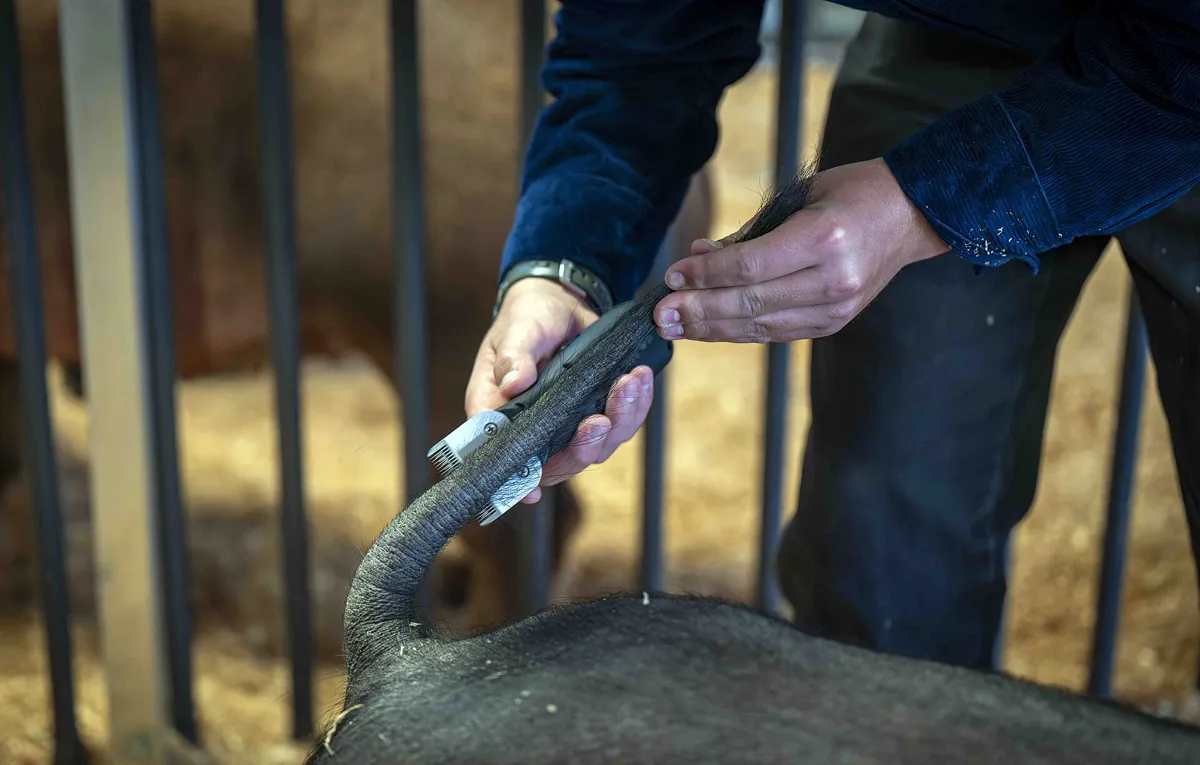
A final class in the booklet gives the Home and Hobby Show an open-class livestock division covering cattle, goats, rabbits, swine, sheep, chickens, ducks and other poultry. Beside that printed programme stands the 4-H record from the March 2025 testimonies, which describes the fair’s youth side in working detail. The witnesses counted twenty-nine beef exhibits in the previous year, an average exhibitor age of about eleven, and a programme still growing, with membership in the county’s 4-H reaching ninety-six in one volunteer’s account. Their clearest theme was crowding: sheep, goat, swine, dairy and beef animals were shown outside for want of an indoor arena, goats and sheep had spent two fairs housed beneath a tent because the large livestock barn was full, and poultry exhibits had not been housed at the fairgrounds for two years. Those details are presented in the testimony as problems the fair is trying to solve, and this article passes them on in that spirit only.
Rodeo Day
The rodeo attached to the fair is known chiefly through results. Professional rodeo results layers publish a held event under the Griggs County Fair and Rodeo name at Cooperstown on Saturday, July 11, 2026, with outcomes recorded in barrel racing, breakaway roping, team roping and calf roping. A rodeo-events layer a year earlier places the same fair-and-rodeo name at Cooperstown on July 12, 2025. The results publications also print the money won by contestants; those purse figures are winnings paid to competitors, and none is used here as a price of any kind.
Planning Your Visit
Which Days to Aim For
The 2026 documents offer two overlapping frames rather than one merged schedule. The FairEntry platform lists the 2026 Griggs County Fair from Wednesday, July 8 to Sunday, July 12, while the fair’s own booklet covers the open-class programme from Thursday, July 9 to Sunday, July 12. Each set of days belongs to its own layer and year, and a visitor should confirm the coming edition’s frame from that year’s listing and booklet instead of blending the older ones.
Admission and Premiums
No gate admission, parking charge or season pass for this fair is published in any source examined, and the fair is never described in the record as free, so a careful visitor budgets on the understanding that the price is not stated in its own publications. The only dollars attached to the fair in its own booklet are exhibitor premiums, paid as rewards for judged work rather than charged to anyone. In the 2026 booklet a blue award carries five dollars, a red three dollars and a white one dollar in each lot, with ten dollars for a grand award and eight dollars for reserve in each class, and all premiums are paid in Cooper Bucks, the fair’s own scrip, unless a single exhibitor’s winnings reach one hundred dollars or more, when a cheque may be written instead. Premiums were collected in person during a half-hour payout window on the Sunday afternoon of the 2026 fair and are never mailed. One baking lot also offered a special fifty dollar prize for a lemon cookie entry, sponsored by the Cooperstown Community Club; that prize is a baking award in the booklet only, not a ticket, a fee or a price.
Grounds, Buildings and Staying Over
The fair happens at the Griggs County Fairgrounds in Cooperstown, and no street address for those grounds is published in the fair-side material. The working building in the booklet is the Commercial Building, which houses registration, judging and the premium payout for the open-class show. Testimony from 2025 describes the livestock side plainly, with a large barn, outdoor showing space and tents, and it also describes a multipurpose building the association hoped to construct; in March 2025 that building was a plan the association said it could not yet fund, and it is not presented here as a standing feature. No camping or overnight stay is published as an offer of this fair in any layer, so lodging arrangements need to be made independently of the fair itself.
A Sample Day at the Fair
A Saturday built from the published 2026 hours makes a sensible model. Arrive when the open-class exhibits open in the morning, since the booklet’s Saturday viewing window ran from half past seven in the morning until eight in the evening, and walk the Commercial Building slowly enough to read the award stickers class by class. Give the middle of the day to the livestock side of the grounds, where the youth exhibits and open-class animals reward unhurried attention, and remember that the Saturday of the 2026 edition was also the day the rodeo results record.
How This Fair Compares
Many county fairs in this series publish a tidy gate ladder, and this one publishes the opposite document: a complete premium ladder for exhibitors and no admission figure at all. Rather than claiming an unbroken line from the nineteenth century, the Griggs record openly contains a thirty-year civic interlude and a revival, which makes its continuity a story of return rather than of survival without pause.
Visitor Checklist
- Confirm the coming edition’s days from that year’s fair listing and premium booklet before travelling
- Head for the Griggs County Fairgrounds in Cooperstown by name, since no street address is published
- Allow a full morning for the Commercial Building and its thirty-one open-class classes
- Check the exhibit viewing hours printed for the current year rather than reusing the 2026 windows
- Leave time outdoors for the livestock exhibits and the youth showing programme
- Treat any rodeo results money you read about as contestant winnings, never as ticket prices
- Do not expect a published gate price; plan fair spending without one
- Arrange beds and any camping independently, because no overnight offer is published by the fair
Beyond the Festival Grounds
Cooperstown carries the ordinary weight of a county seat, with the courthouse business of Griggs County conducted in a building raised in 1884, two years after the town was founded and voted into the seat. The fairgrounds sit inside that civic pattern rather than apart from it: the same community that deeds land, staffs a volunteer fair board and sends its officers to the state capitol also fills the exhibit hall each July. Around the town stretches the working farmland the fair’s classes come from.
Why the Griggs County Fair Matters
This fair’s significance lies in the candour of its record. Its own president told the legislature that goats and sheep were sleeping under a tent and that poultry had stayed home for two years; its own booklet then got on with judging cookies, quilts, photographs and heifers. A small fair that documents its own shortages while still staging thirty-one classes of open competition shows something real about rural institutions: they persist because people keep exhibiting, keep volunteering and, as the 1965 revival proves, keep starting again when an earlier version has lapsed.
Frequently Asked Questions
Where is the Griggs County Fair held?
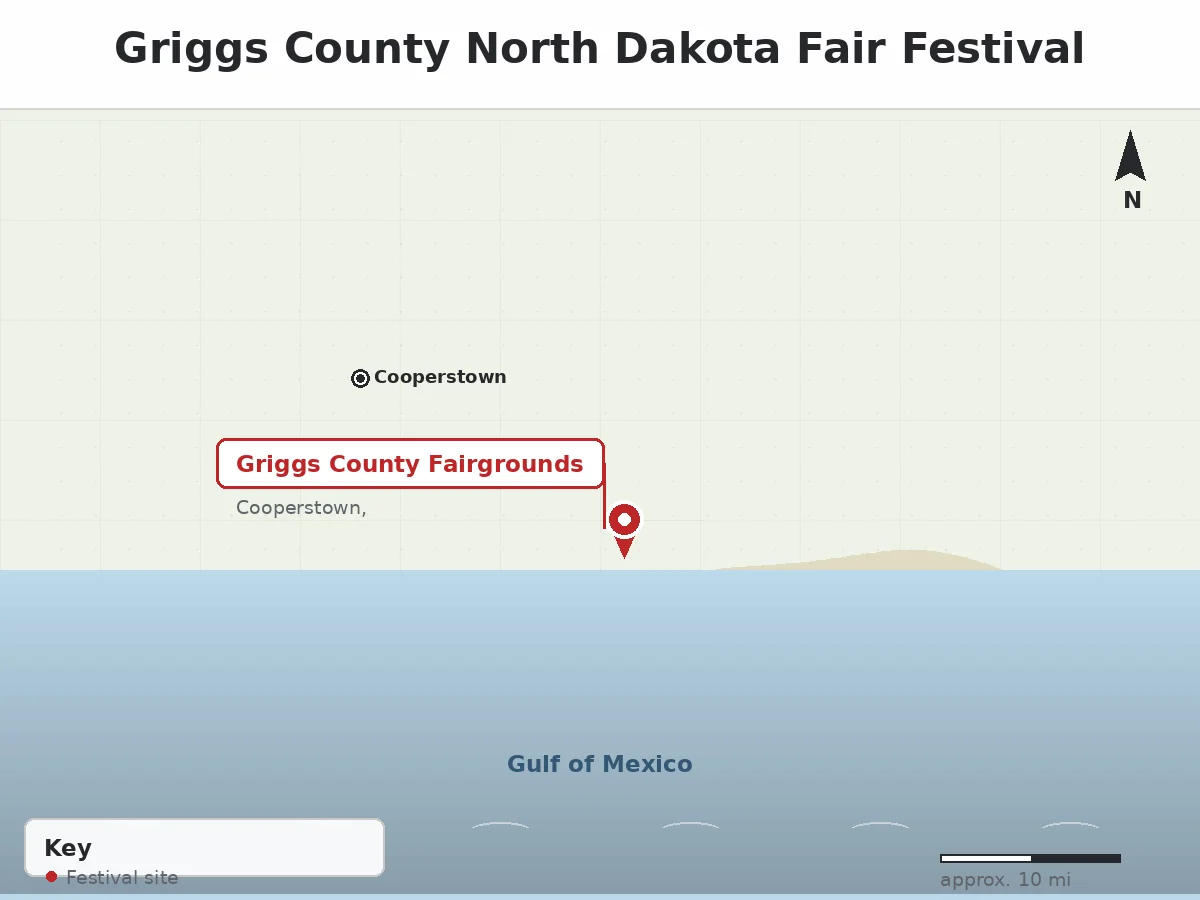
The fair is held at the Griggs County Fairgrounds in Cooperstown, North Dakota. Cooperstown is the county seat of Griggs County and hosts the fair, and no street address for the grounds is published in the fair’s own material.
Who organises the Griggs County Fair?
The organiser is named in two forms that the record leaves unmerged. Legislative testimony in March 2025 came from the Griggs County Fair Association under its president, Stephanie Johnson, while the fair’s own 2026 premium booklet speaks in the name of the Griggs County Fair Board.
What does it cost to get into the fair?
No layer examined puts a figure on entry. No gate, parking or pass price for this fair appears in its booklet, in the Extension and platform listings, in the legislative testimony or in the farm-press schedules, and the fair is not described as free in any of those layers either.
When did the Griggs County Fair begin?
The oldest source, a centennial history, says the fair association was organised in June 1899 and that a large celebration on July 4, 1900 was probably the first fair, in that source’s own cautious word. The same history records that the fair later lapsed and was revived in 1965, so no unbroken run from those years exists.
What to Expect From the Next Griggs County North Dakota Fair Festival
How often is Griggs County North Dakota Fair Festival held?
The fair is presented across its layers as an annual July event, with dated editions or listings appearing for 2021, 2022, 2024, 2025 and 2026, all of them inside July.
When is the next Griggs County North Dakota Fair Festival?
The most recent documented edition is the 2026 fair, listed from July 8 to July 12 of that year with its open-class show running July 9 to 12. Following the pattern of its layers, the next edition belongs to a later July, and its firm days will be those printed in that year’s own listing and booklet.
Will the dates change?
The exact days plainly move between years. Published layers give July 7 to 11 for 2021, July 7 to 10 for 2022, July 9 to 13 for 2025 and July 8 to 12 for 2026, so the month has been steady while the individual dates have not.
Closing
Taken on its own documented terms, the Griggs County Fair is a July exhibition fair in a county seat that has already lost it once and chosen to bring it back. Its booklet promises ribbons paid in Cooper Bucks, its officers testify about tents and crowded barns, and its history book hedges its own founding with the word probably. Printed honestly, that record is enough.