Grayson County Kentucky GCA Art in the Park Festival
Leitchfield, the county seat of Grayson County in Kentucky, gives one spring Saturday over to a juried exhibition of fine art and fine craft in James D. Beville Park. Anyone hunting for the show under the wording of this page should first learn the names it actually travels under. The organiser’s application layers and site name call it GCA Art in the Park, the event title on those same layers reads Art in the Park, and the application forms expand the wording still further to Art In The Park — Fine Arts and Fine Crafts Show. None of the layers read attaches the word Festival to any of those forms, so the shorter names are the ones printed on the ground.
What draws the crowds is a single day of browsing among exhibiting artists, presented by a community alliance whose food pantry receives the proceeds. The county tourism layer calls the show a free event, and the organiser’s dated application forms anchor the day in particular years, though the paper trail carries two quirks: the name caveat above, and a disagreement between layers about which Saturday in May the show truly owns.
About
The presenting body on the organiser’s application layers is the Grayson County Alliance. The Alliance shortens its own name to GCA inside the show’s title, while a city tourism organiser listing prints the body as G.C. Alliance, so three related forms of the organiser’s name circulate without ever quite matching. The organiser’s layers state that one hundred percent of the proceeds benefit the Grayson County Alliance food pantry, which gives the day a charitable engine underneath the art: every sale feeds into a local food programme run by the same body that stages the exhibition.
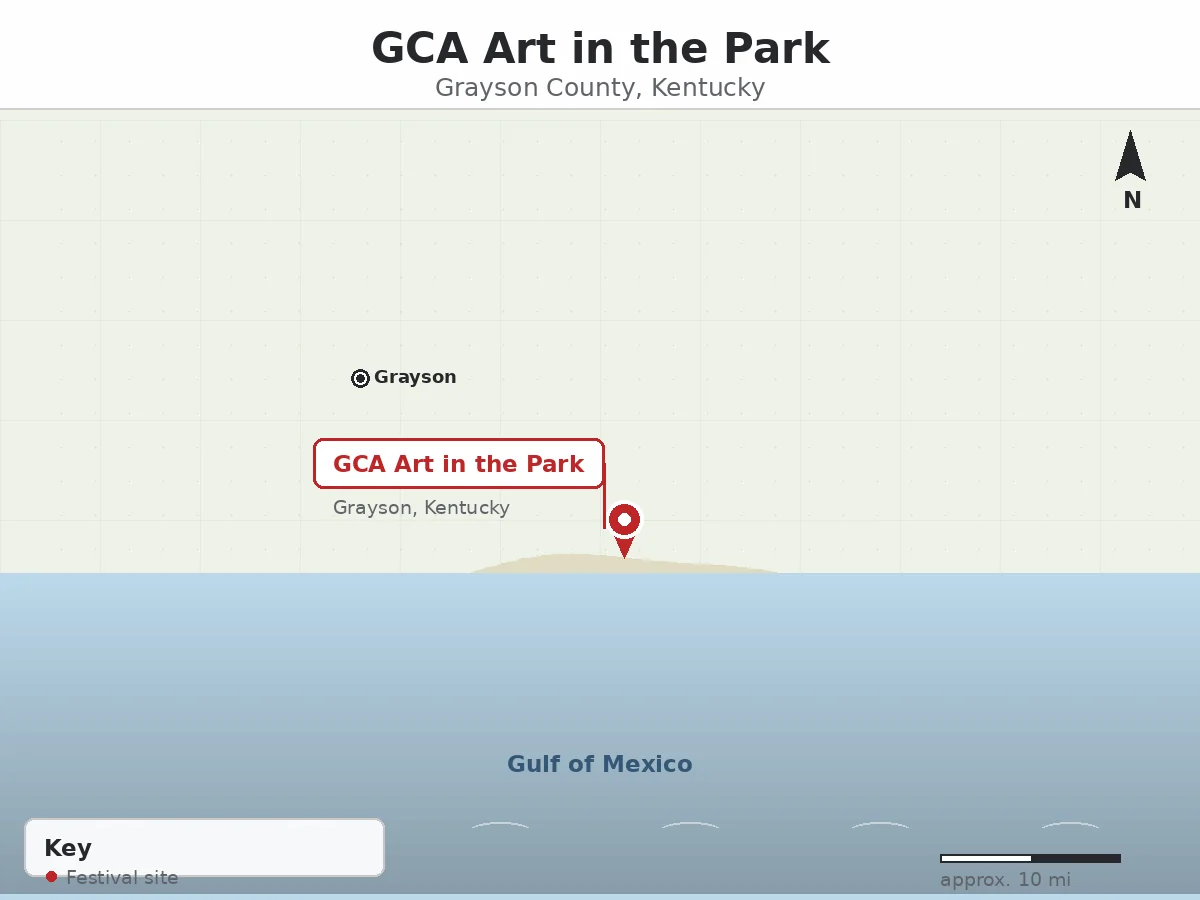
The park, too, goes by more than one printed name. The organiser’s application layers place the show at James D. Beville Park in Leitchfield, while the county tourism layer prints the longer form James D. Beville Community Park for the same ground. Behind the applications sits a modest administrative trail: the organiser’s forms print a postal box, an email address, a telephone number, and a named application contact, none of which are reproduced here, and a nonprofit-directory layer lists the Alliance’s organisational details in its own right. Those routes exist for artists and non-profit applicants, not for the general visitor, who needs only the date, the park, and the hours.
Quick Facts
| Item | Detail |
| Published name | GCA Art in the Park |
| Event title on the applications | Art in the Park |
| Expanded application wording | Art In The Park — Fine Arts and Fine Crafts Show |
| Host town | Leitchfield, Grayson County, Kentucky |
| County seat | Leitchfield is the Grayson County seat |
| Venue | James D. Beville Park |
| Presenting body | Grayson County Alliance |
| Earliest dated edition documented | Saturday the twentieth of May, two thousand twenty-three |
| Hours on the dated applications | Nine in the morning to four in the afternoon, Central Time |
| Proceeds | The whole of the proceeds benefit the Alliance food pantry |
History
The layers read offer no founding year, first edition, or annual billing number for this show, and nothing in this article builds one out of the dates that survive. The documented trail instead begins with paperwork: the organiser’s artist application layer for the edition of Saturday the twentieth of May, two thousand twenty-three, which fixed the show at James D. Beville Park, set the hours from nine in the morning to four in the afternoon Central Time, and asked artists to apply by the eighth of May that year. A show running a juried application process with deadlines was plainly established by then, but how long it had already run is a question the layers leave open.
For a useful comparison, see the Grayson County Kentucky Twin Lakes National Fiddler Championship Festival for another county festival.
After that first dated anchor, the trail resumes with the organiser’s Tiny Art Show entry layer, which places that component exhibit at Art in the Park on Saturday the sixteenth of May, two thousand twenty-six, with entries due by the eighth of May and the theme given as LANDSCAPE. The trail then extends forward rather than backward: the organiser’s artist and non-profit application layers document the edition of Saturday the fifteenth of May, two thousand twenty-seven, again at the park, again from nine in the morning until four in the afternoon, with a deadline of the seventh of May. A county tourism description of the show as an annual fixture frames those dated points, but frame and points come from different layers, and they do not agree on everything, as the planning section explains.
The Grayson County Fair, an August fair documented on the same county tourism layer since nineteen forty-nine, shares a county and a tourism page with the art show and nothing else; it is a separate event, and none of its long run says anything about the age of the show in the park.
What to Expect
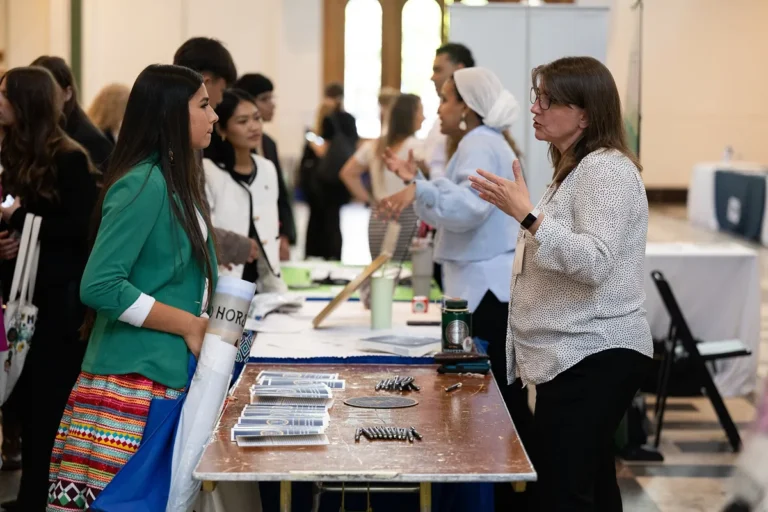
Booths and display panels arranged through James D. Beville Park form the heart of the day, because the county tourism layer describes a juried fine arts and fine crafts show with local and internationally acclaimed artists. Juried selection means the work on the grass has passed a screening before it reaches the public, so the mix leans toward finished, saleable pieces rather than casual hobby tables, and the range runs across fine art on one side and fine craft on the other. Visitors move at their own pace from maker to maker through a single set of hours, nine in the morning to four in the afternoon on the dated applications, with no separate sessions dividing the day.
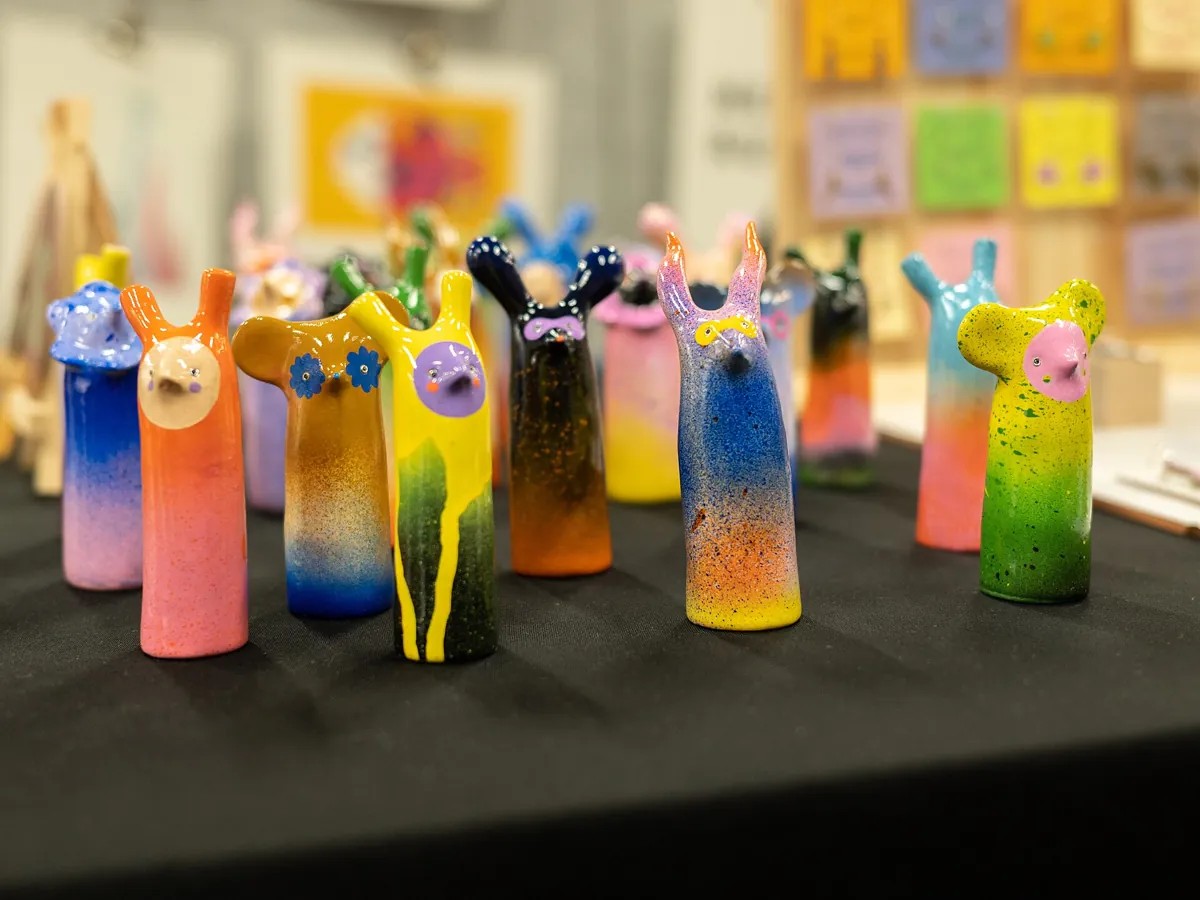
A smaller exhibition hides inside the larger one. The organiser’s layers add a Tiny Art Show, an exhibit and sale of small artworks run as a fundraiser component of the main event. For the two thousand twenty-six edition, the entry layer set the theme as LANDSCAPE and called for entries by the eighth of May, so the tiny pieces that year answered a single shared subject. A per-piece price is printed on that layer: the figure is a sale price for artworks, money that changes hands when a small piece finds a buyer, and it has nothing to do with admission. Buying a miniature is simply the most direct way a visitor can push money toward the food pantry the show supports.
Planning Your Visit
The single most useful piece of planning advice concerns the Saturday itself. The county tourism layer says the show is held annually on the second Saturday in May, yet the organiser’s own dated applications fall on the third Saturday in both two thousand twenty-three and two thousand twenty-seven. Both statements stand in the record unmerged, and a traveller who trusts the tourism phrasing alone could arrive a week early. The dated applications govern the editions documented here, so the careful habit is to confirm the day against the organiser’s current application or announcement for the year in question before setting out for Leitchfield.
Timing inside the day is simpler. The dated applications give a single block of hours, nine in the morning to four in the afternoon Central Time, which rewards an early arrival: the full selection is on display from the opening hour, and the final hour leaves no margin for a second circuit. On cost, the county tourism layer calls the show “This free event”, and free entry for visitors is recorded on that layer’s authority. Artists and non-profit groups face a different set of terms inside the application forms, including booth-related charges where the forms set them, but those are vendor charges paid by exhibitors, never a gate price for the public. Anyone hoping to exhibit rather than browse should watch the early May deadlines, which fell on the eighth of May in two thousand twenty-three and two thousand twenty-six, and on the seventh of May in two thousand twenty-seven.
A Sample Day at the Show
An unhurried Saturday might begin at the opening hour, walking the full circuit of booths without buying, simply noting which artists reward a return visit. Late morning suits a slower pass through the fine craft displays, where smaller and less expensive pieces tend to gather, and where a first purchase can be made before the midday crowd thickens. The middle of the day belongs to the Tiny Art Show: its small works are quick to view, easy to carry, and priced as individual artworks, so a miniature bought there doubles as a contribution to the pantry. Early afternoon then allows a final circuit for the pieces shortlisted in the morning, with the four o’clock close as a firm end point rather than a rough guide.
How This Show Sits Beside Its Neighbours
Set against the Grayson County Fair, the contrast is one of season, scale, and purpose. The fair is an August institution on the county tourism layer’s account since nineteen forty-nine, a broad agricultural gathering, while the art show occupies one May Saturday with juried work and a charitable beneficiary. Set against the many other towns that stage something called Art in the Park, the difference is paperwork: this show’s identity rests on the Grayson County Alliance’s own applications, its named park, and its pantry, and no other town’s exhibition of the same generic name is this event. Even inside its own record, comparisons multiply: the tourism layer’s second Saturday and the applications’ third Saturday describe the same show in incompatible ways, and the park’s two printed name forms do similar double duty. The show a visitor attends is one event; the descriptions of it simply arrive in pairs.
A Visitor Checklist
- Confirm the exact Saturday in May against the organiser’s current announcement before travelling.
- Aim to arrive near the opening hour of nine in the morning.
- Carry a tote or leave room in the car for fragile purchases.
- Set aside time in the middle of the day for the Tiny Art Show.
- Remember that artwork prices are sale prices, separate from free entry.
- Keep the four in the afternoon close in mind when planning a final circuit.
- Bring payment methods suited to individual artists rather than a single ticket desk.
- Note the early May application deadlines if exhibiting is the goal next year.
Beyond the Park
The show also lands a visitor in the middle of Grayson County’s seat of government, a small courthouse town where the park doubles as community ground. The charitable thread runs further than the day itself: because the Alliance ties the show to its food pantry, money spent on a painting or a miniature keeps working in the county after the booths come down, which gives the outing a longer local shadow than most one-day exhibitions manage. Visitors who want to support the cause without buying art can still attend freely and carry word of the show back to neighbours, since a juried exhibition in a small town grows by reputation from one May to the next.
Why the Show Matters
For artists, the show offers a juried platform within reach of Leitchfield, one where local makers hang beside the internationally acclaimed artists the tourism layer mentions, and where an early May deadline disciplines the winter’s work toward a concrete Saturday. For the Alliance, the day converts culture into groceries in an unusually literal way, turning exhibition sales into pantry support. For the town, the show anchors a spring date that is neither fair week nor a holiday weekend, a modest but distinct fixture whose documentation, spread across applications and tourism pages, shows a community body running a real event with paperwork behind it.
Frequently Asked Questions
Under what name is the Leitchfield show actually advertised?
The organiser’s layers advertise it as GCA Art in the Park or simply Art in the Park, and the application forms expand the wording to Art In The Park — Fine Arts and Fine Crafts Show. No layer read adds the word Festival, so searches under the shorter names will match what the organiser publishes.
Does the show charge visitors anything at the gate?
The county tourism layer calls the show “This free event”, and free entry for the visiting public is recorded on that layer’s authority. Charges that appear inside the application forms belong to exhibiting artists and non-profit applicants, and the per-piece figure attached to tiny artworks is a sale price, so none of those amounts functions as a visitor’s ticket.
What does the Tiny Art Show add to the main exhibition?
It adds a compact exhibit and sale of small artworks inside the larger juried show, run as a fundraiser component by the organiser. Its two thousand twenty-six edition took LANDSCAPE as its theme, with entries due by the eighth of May, and each small purchase channels money toward the Alliance’s food pantry.
Which Saturday in May should a returning visitor circle?
Circle the date on the organiser’s current application or announcement for that year. The county tourism layer describes a second Saturday pattern, while the organiser’s dated applications for two thousand twenty-three and two thousand twenty-seven both landed on the third Saturday, and the dated forms are the firmer guide.
What to Expect From the Next Grayson County Kentucky GCA Art in the Park Festival
How often is Grayson County Kentucky GCA Art in the Park Festival held?
The county tourism layer presents the show as an annual fixture in May, and the organiser’s dated applications document editions in two thousand twenty-three, two thousand twenty-six, and two thousand twenty-seven. That yearly rhythm comes from the tourism description, while the applications supply the individual dates, so the pattern and the proof sit in different layers of the record.
When is the next Grayson County Kentucky GCA Art in the Park Festival?
The furthest dated edition in the layers read is the organiser’s application round for Saturday the fifteenth of May, two thousand twenty-seven, at James D. Beville Park, running nine in the morning to four in the afternoon Central Time with applications due by the seventh of May. Later editions would be fixed by future announcements from the organiser rather than by anything in the present record.
Will the dates change?
They already vary inside the record. The county tourism layer promises the second Saturday in May, the organiser’s dated applications delivered the third Saturday in two separate years, and nothing reconciles the two statements. A future edition could follow either pattern, so checking the organiser’s own announcement for the year remains the only reliable way to fix the day.
Closing Thoughts
GCA Art in the Park is a small event with an unusually honest paper trail: a juried show, a borrowed park, a food pantry waiting on the proceeds, and a pair of Saturday patterns that refuse to merge. Go for the art, confirm the date twice, and let a tiny landscape carry a little of the county’s weight home.