Gooding County Idaho Gooding County Fair & Pro Rodeo Festival
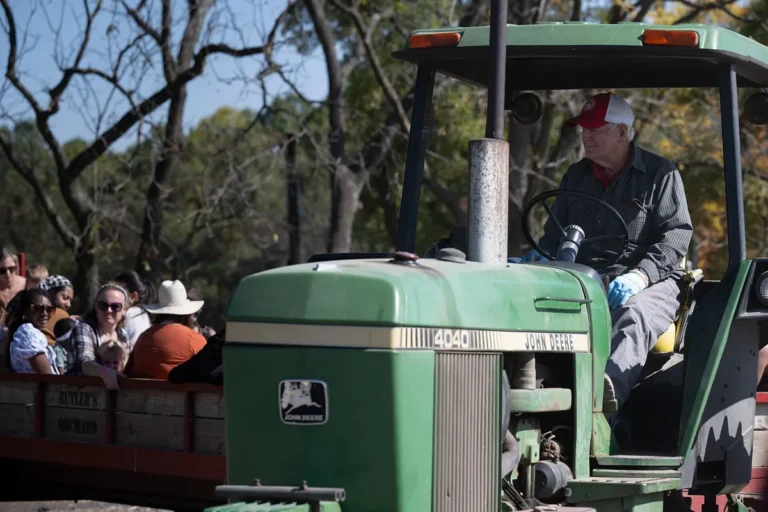
When the hay is cut and the evenings start to cool, Gooding County turns toward its fairgrounds. The Gooding County Fair & Pro Rodeo is the late-summer anchor of the calendar in this south-central Idaho county — a few days of rodeo, livestock, carnival lights, and neighbors catching up in the bleachers.
The setting does half the work. Gooding County spreads across 734 square miles of the Snake River Plain, where irrigated fields and ranch country meet open sagebrush. Fair time lands when the light turns gold early, the dust hangs over the arena, and the whole county seems to be in one place at once.
Late Summer on the Snake River Plain: Gooding County Fair Time
Gooding County was organized on January 28, 1913, and named for Frank R. Gooding. The county seat is Gooding, and the county’s 2020 census population of 15,598 people lives across a landscape built on farms, dairies, and cattle. The fair and rodeo are what that landscape looks like when it gathers in one spot.
What the Gooding County Fair & Pro Rodeo Actually Is
In plain terms, this is a county fair with a professional rodeo at its center. Across a multi-day run in late summer, the grounds host livestock shows, still exhibits, carnival rides, food stands, and grandstand entertainment, with rodeo performances drawing the biggest crowds of the week.
It is a local event in the best sense. Entries come from families who live a short drive from Gooding, the exhibits are judged by neighbors, and the arena crowd is full of people who know the contestants by name. Visitors from outside the county are welcome and easy to spot — they are the ones asking which stand has the best fry bread.
From a 1913 County Seat to a Rodeo Tradition
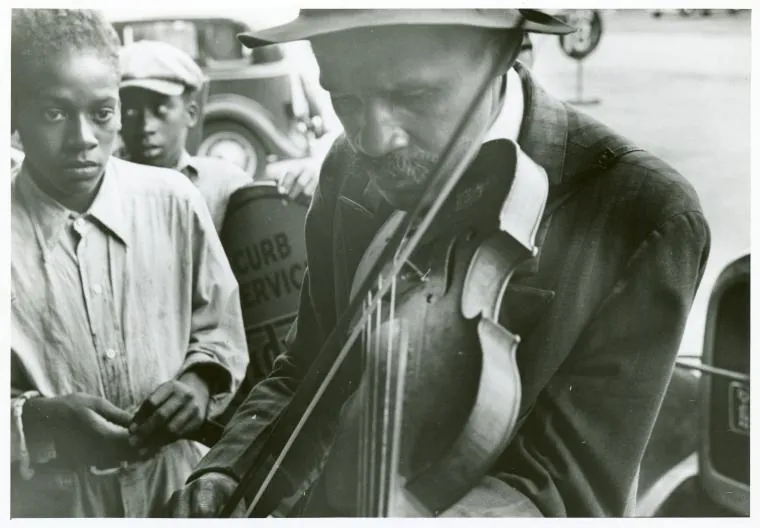
Gooding County’s fair tradition runs alongside the county itself. When the county was carved out of the surrounding territory in 1913 and the seat was set at Gooding, the new economy rested on farms, dairies, and livestock ranches — and county fairs followed the same pattern seen across the Snake River Plain.
Those early fairs were annual proof of a good year: crops, animals, baking, sewing, and the kind of friendly competition that only works in a place where everyone knows everyone. Over time, carnival rides and grandstand shows were layered around that agricultural core, but the core never moved.
The rodeo grew out of the working culture around it. Ranch hands who spent the year moving cattle found an arena where those same skills could be measured against neighbors, and the pro rodeo became the headline event of the fair rather than a side attraction. That is still how it feels today.
What a Day at the Gooding County Fairgrounds Feels Like
Expect a compact, walkable fairgrounds where everything sits within a few minutes of everything else. The schedule typically stacks daytime exhibits and livestock judging against evening rodeo performances, so the fair has two distinct moods in a single day.
What to Eat: Fair Food and County Cooking
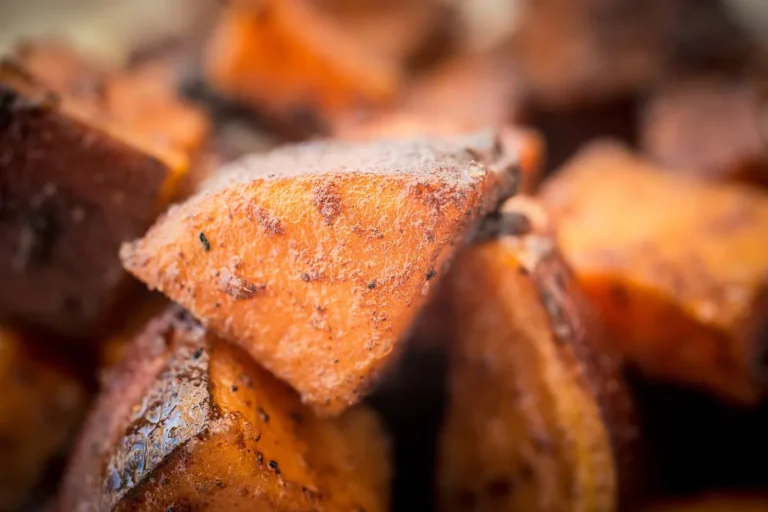
The food lineup is classic — burgers, corn dogs, funnel cakes, cotton candy, snow cones, and stands run by local groups raising money for their own causes. Expect beef on the menu in a county built on cattle and hay, plus pies and baked goods entered in the exhibit halls. Lines move fastest before the rodeo starts.
Rodeo Nights and Grandstand Entertainment
The rodeo is the main event: bronc riding, barrel racing, team roping, bull riding, and the announcer’s running commentary that ties it all together. Around it, expect live music or a DJ on some nights at the grandstand, plus the midway’s own soundtrack. Evenings are the loudest, busiest part of the day, so arrive early for a good seat.
Family Activities for Kids, Grandparents, and Everyone Between
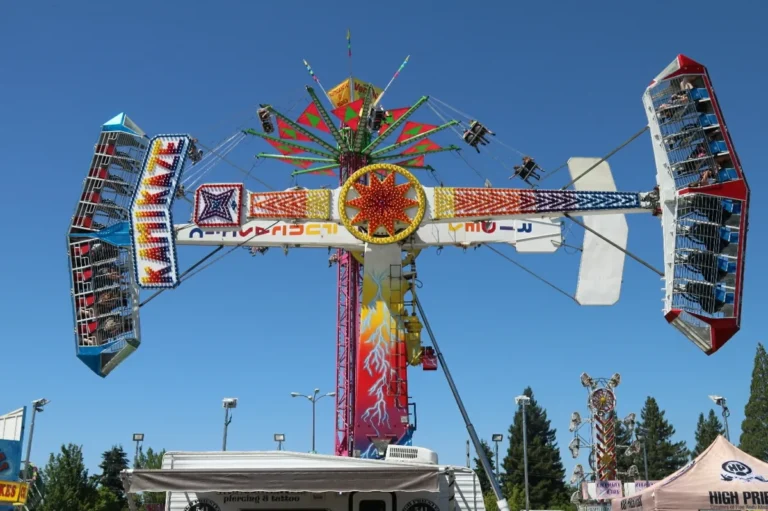
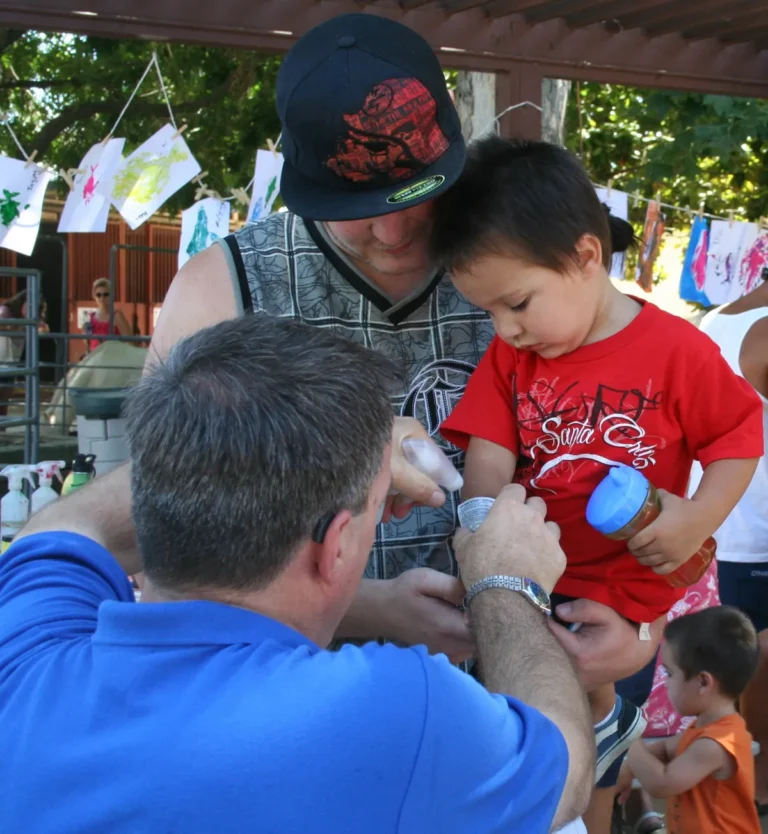
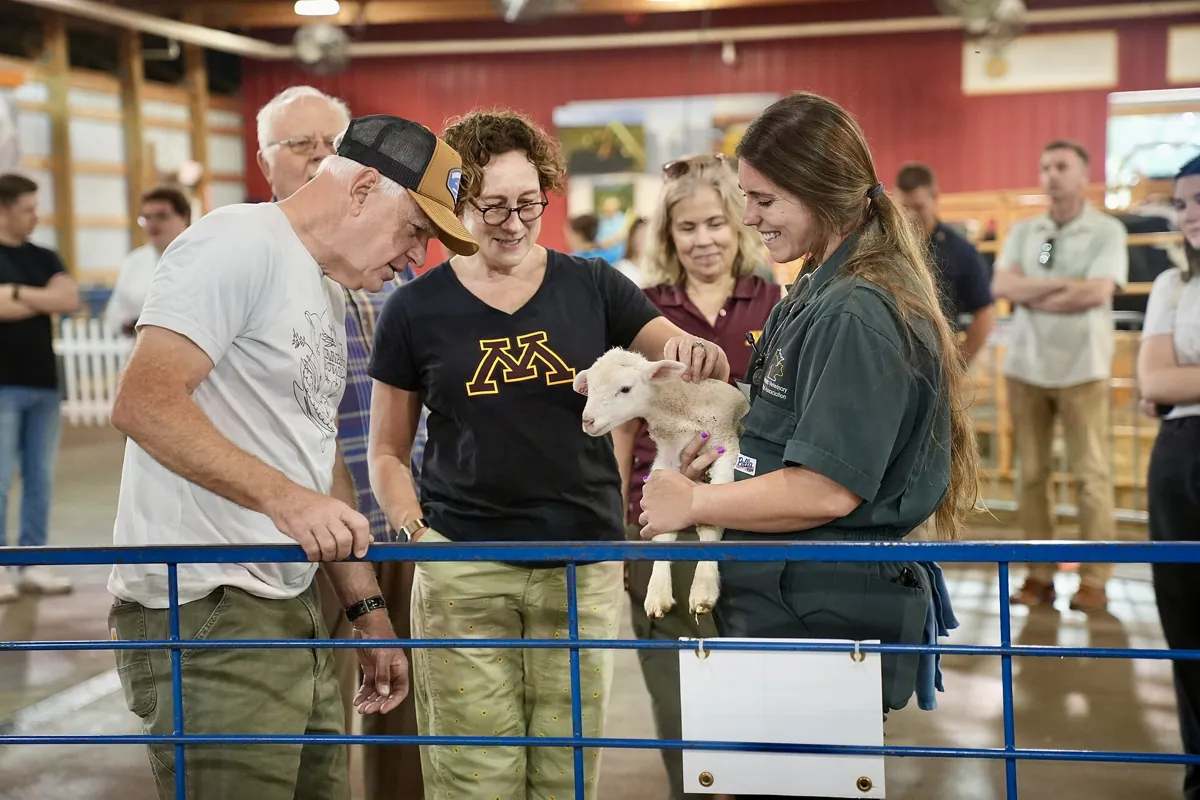
The fair is built for families. Carnival rides and games keep kids occupied, livestock barns let them get close to animals, and exhibit halls give grandparents a reason to linger. Stroller traffic is heavy in the early evening, and the grounds are flat enough that walking is easy for most visitors. Many families claim a stretch of bleacher and stay for hours.
Planning a Trip to Gooding County Fair Week
Most of the logistics are simple: drive in, park, walk the grounds. A little planning still helps on the busiest evenings.
Getting to Gooding County
Gooding County sits along the Interstate 84 corridor in south-central Idaho, with the county seat of Gooding serving as the main hub. Most visitors arrive by car, and the drive from surrounding Magic Valley communities is short. If you are coming from farther out, treat the fair as part of a longer southern Idaho loop.
Where to Stay in and Around Gooding
Lodging in the immediate area is limited, so book early if you plan to stay overnight. Options in and near Gooding fill up during fair week, and many travelers base themselves in nearby Magic Valley towns and drive in. Campers often prefer the region’s RV parks and campgrounds, which give families more room.
Parking at the Fairgrounds
Parking is generally handled on and around the fairgrounds, with attendants directing traffic on the busiest nights. Arrive before the evening rodeo performance if you want to park close. Carpooling with neighbors is both practical and in keeping with the spirit of the event.
Admission and What Things Cost
Admission to the fairgrounds is typically free, which makes the fair an easy outing for larger families. Individual activities — carnival rides, some grandstand events, and food — carry their own costs. Bring cash for small vendors and fundraisers, though many stands accept cards.
Late-Summer Weather on the Plain
Fair week falls in late summer, when Gooding County days run hot and dry and evenings cool off quickly after sunset. Plan on sun protection and plenty of water during the afternoon, then bring a light jacket for the rodeo. Afternoon thunderstorms are possible in this part of Idaho, so a little flexibility helps.
A Sample Fair Weekend in Gooding, Idaho
Day one. Arrive in the afternoon, walk the exhibit halls and livestock barns while the light is still bright, and eat an early dinner from the food stands. Settle into the grandstand before the evening rodeo begins, then wander the midway once the arena clears.
Day two. Come back for the daytime side of the fair: judging, demonstrations, and the slower conversations that happen in the barns. Take a break during the hottest hours, then return for the second rodeo performance and whatever entertainment follows it.
Day three. Use the morning for a drive through the surrounding farm country, then spend the final afternoon catching whatever you missed — a carnival ride, a second pass through the exhibits, one more plate of food — before the closing night.
Gooding Compared with Other Southern Idaho County Fairs
Gooding’s fair sits in a region full of county fairs, and each has its own personality. The Twin Falls County Fair in Filer is one of the larger gatherings in the Magic Valley, drawing bigger crowds and a broader midway.
The Lincoln County Fair in Shoshone is smaller and quieter, closer in feel to a traditional agricultural gathering. Jerome County’s fair, to the west along the same corridor, offers another compact, family-oriented option.
What sets Gooding apart is scale. This is a fair for a county of 15,598 people, and it feels like one: walkable, unhurried, and centered on a rodeo that locals treat as the main event rather than a warm-up act.
Your Gooding County Fair Checklist
| Sun protection | Hat, sunscreen, and sunglasses for the afternoon hours. |
| Layered clothing | Hot days, cool evenings in the grandstand. |
| Cash and a card | Small vendors and fundraisers vary. |
| Sturdy shoes | Gravel, grass, and barn aisles. |
| Water bottle | Shade and refill points thin out at peak times. |
| Blanket or cushion | Bleacher seating gets hard after a while. |
| Camera or phone | For the rodeo, the barns, and the midway. |
| Patience for parking | Busiest just before the evening performance. |
Beyond the Rodeo: Gooding County’s Open Country
The fair is a reason to visit, but Gooding County rewards a longer stay. The county covers 734 square miles of the Snake River Plain, with canyon country along its southern edge and open rangeland to the north.
Small communities like Bliss, Wendell, and Hagerman anchor different corners of the county, each with its own pace and its own view of the plain. Farm stands, roadside diners, and quiet back roads make for an easy half-day drive between fair sessions.
What Fair Week Means to a 15,598-Person County
In a county this size, the fair is more than entertainment. It is the annual accounting of a year’s work — the livestock, the crops, the baking, the sewing, and the kids who grew several inches since last summer.
It is also one of the few times the whole county lands in the same place. Rodeo contestants, youth exhibitors, business owners, retired ranchers, and families with strollers all end up in the same bleachers. In a place where towns are small and distances are long, that matters more than it might elsewhere.
Where the Gooding County Fairgrounds Sit
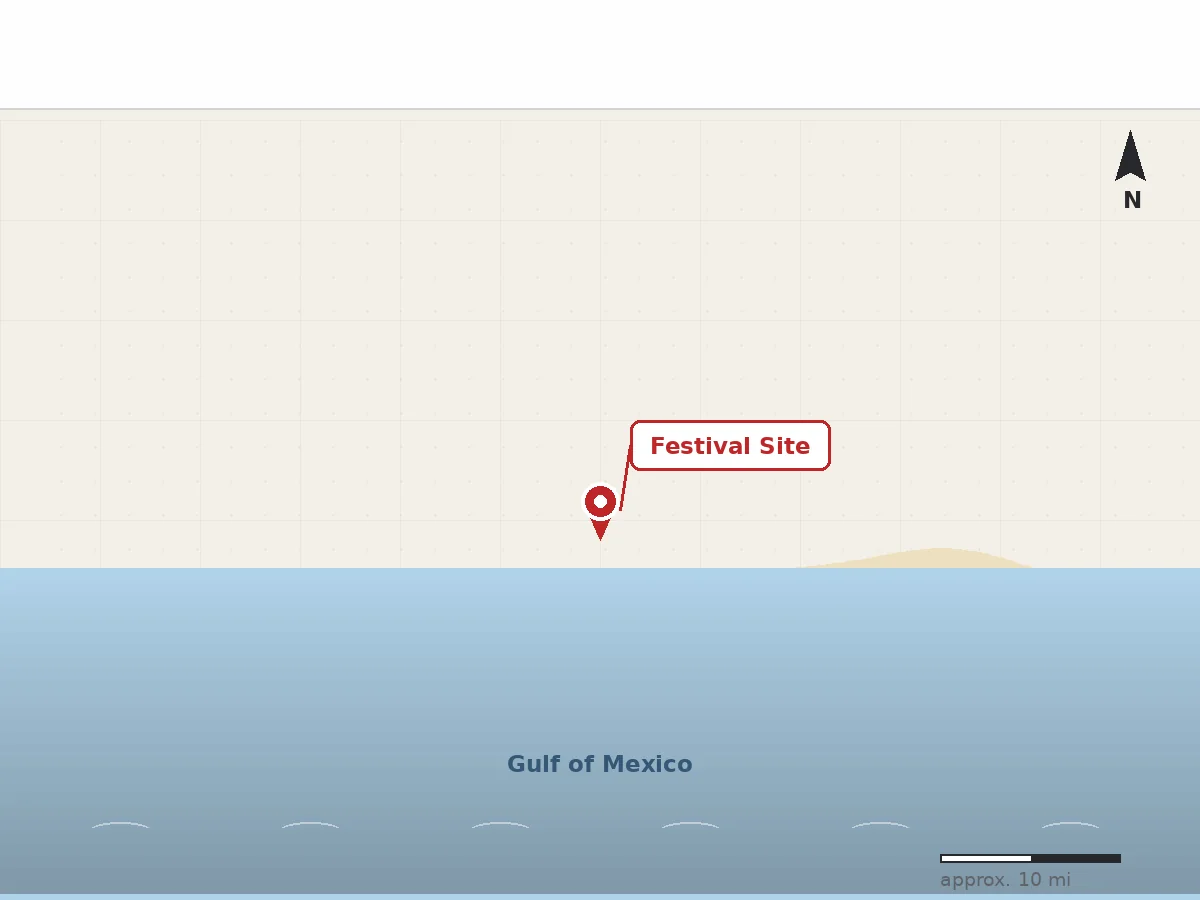
The Gooding County Fair & Pro Rodeo takes place in the Gooding County area of south-central Idaho, centered on the county seat of Gooding along the Interstate 84 corridor.
Answering the Usual Questions About the Gooding County Fair
When does the Gooding County Fair & Pro Rodeo usually take place?
It is a late-summer event, typically held over several days in August in most years. Because the exact timing shifts from one season to the next, check local listings before you plan travel around it.
Do I need tickets in advance?
Entry to the fairgrounds is generally free, so most visitors simply show up. Carnival rides, food, and some grandstand events are paid for individually, and advance tickets are sometimes offered for specific performances.
Is the fair a good fit for young children and older visitors?
Yes. The grounds are flat and walkable, the daytime schedule is family-friendly, and there is seating around the arena and exhibit areas. Evenings are busier and louder, which suits some families better than others.
How far is Gooding County from Twin Falls and Boise?
Gooding County sits along Interstate 84 in south-central Idaho, roughly between the Magic Valley and the Boise area. Both are within a comfortable drive, which makes the fair easy to fold into a longer southern Idaho trip.
Looking Ahead for the Gooding County Fair & Pro Rodeo
The fair’s future looks a lot like its past: agriculture at the center, a rodeo in the arena, and a community that shows up. Counties across Idaho face the same questions about volunteers, funding, and keeping young families involved, and Gooding County is no exception.
What works in the fair’s favor is its size and its roots. A county of 15,598 people spread across 734 square miles still produces livestock, crops, and kids who want to show them, and the fair remains the natural place for that to happen. Expect the essentials to stay put — the rodeo, the barns, the food stands, the midway — with gradual refinements rather than reinvention.
Last updated: October 2026
Go for the rodeo, stay for the rest of it. A Gooding County fair weekend is best measured in small things: a cold drink in the bleachers, a kid leaning over a barn gate, the announcer’s voice rolling out over the plain at dusk. Come in late summer, bring a jacket for after sunset, and let the county show you what it does best.