Geary County Kansas Free Fair Festival
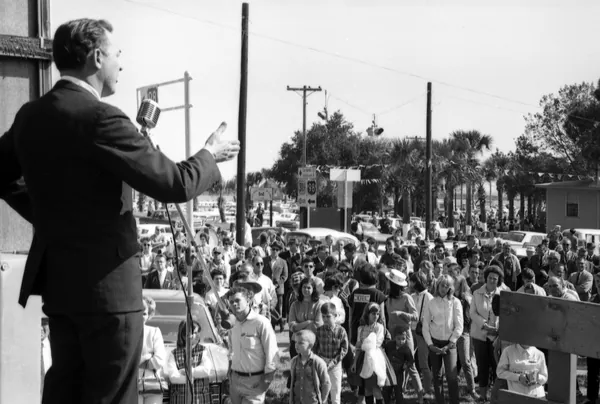
Ask anyone in Junction City what the last stretch of summer sounds like and the answer usually arrives the same way: a loudspeaker crackling near the show barn, kids counting ride tickets, the smell of fryer grease drifting past rows of 4-H stalls. The Geary County Free Fair is that week — a county fair where the word “free” is doing real work in the name, and where the guest list is essentially the whole county.
Residents tend to describe it as a habit rather than an event. “We just go — every night, all week,” one Junction City parent says, and that sentence explains more about this fair than any schedule could. It is not built around a single headline act. It is built around repetition, familiarity, and the fact that nobody has to buy a ticket to walk through the gate.
Geary County Free Fair Basics in a Single Table
| Town / area | Junction City and the surrounding Geary County area |
| County | Geary County, Kansas |
| County seat | Junction City |
| Population | 36,739 (2020 census) |
| Region | Central Kansas, Kansas River valley |
| Typical timing | Late summer, usually one week in July or August |
| Admission | Typically free to enter the grounds |
| Setting | Rural fairgrounds with show barns, a midway, and open-air grandstand seating |
| Features | Livestock and 4-H exhibits, carnival rides, fair food, grandstand shows |
| Organizer | Volunteer fair board and local community groups |
What the Geary County Free Fair Is, in Local Terms
The Geary County Free Fair is a traditional county fair serving the Geary County area, anchored by Junction City, the county seat. Its identity lives in that first word. In most years there is no gate charge to enter the grounds, which changes the rhythm of the entire week — families come back three or four nights instead of picking one, teenagers drift in after practice, grandparents claim the same folding chairs in the same spot each evening.
The program follows the classic Kansas county fair template: livestock shows and small-animal exhibits, static entries in baking, canning, photography, and needlework, a carnival midway, concession trailers, and grandstand entertainment that mixes local talent with regional acts. Geary County covers 404 square miles and counted 36,739 residents in the 2020 census, and the fair is one of the few places where farm families from the rural townships and Junction City neighborhoods share the same walkway for a week.
From Agricultural Society Booths to Grandstand Nights
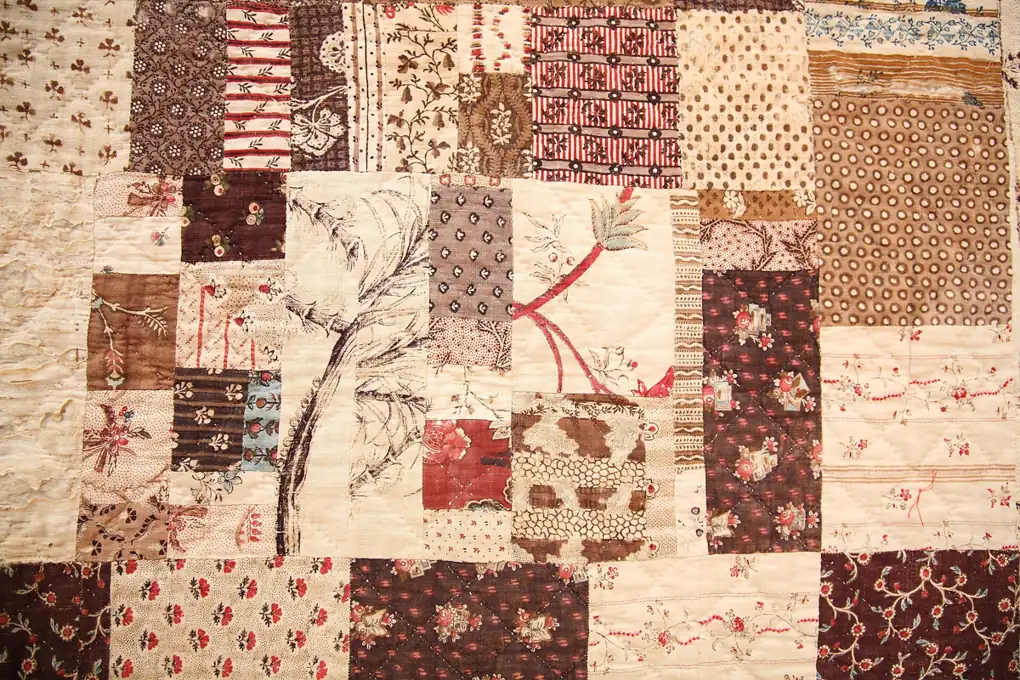
Kansas county fairs grew out of nineteenth-century agricultural society exhibitions, where farmers compared crops, breeders showed bloodlines, and home economists judged preserves and pies. The Geary County Free Fair sits in that lineage, and longtime residents describe its arc in stages rather than dates: an early era of township exhibits and livestock pens, a mid-century expansion into carnival rides and grandstand programming, and the modern version — still volunteer-run, still family-first.
For another look at how a community turns its own traditions into a gathering, see the Franklin County Kansas Franklin County Fair Festival for a useful comparison.
What locals treat as the fair’s defining trait is the persistence of the free gate. In a county where many households connect to the surrounding farm economy, the school district, or the nearby military installation, keeping admission free is remembered as a deliberate choice rather than an accident. Older fairgoers talk about walking in as kids with a pocketful of change and nothing owed at the entrance, then bringing their own grandchildren through the same opening decades later.
What Fair Week Feels Like Across the Geary County Area
Fair Food That Regulars Order Without Looking
The food row is where habits are most visible. Families who have walked the same stretch for years know which trailer does the corn dogs, which church stand sells pie by the slice, and where the kettle corn line moves fastest. Funnel cakes, barbecue, walking tacos, cinnamon rolls, and lemonade shake-ups are standard fare, and the stands are often run by the same local groups year after year — booster clubs, church committees, and service organizations that treat fair week as their biggest fundraiser.
Grandstand Nights, Local Talent, and Tractor Pulls
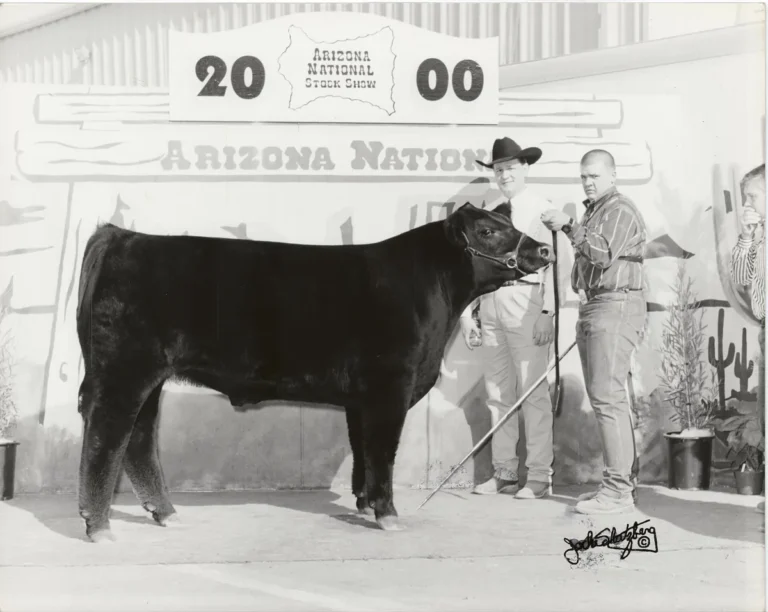
In most years the grandstand schedule leans on the things Kansas crowds reliably show up for: country and classic rock cover bands, a gospel or community choir night, talent showcases featuring area students, and motor events such as tractor pulls or a demolition derby. The loudest applause usually goes to people the audience knows by name. Ask around and someone will tell you they remember a neighbor’s kid singing on that stage — and that they still bring it up at the co-op.
Family Activities That Keep Kids on the Grounds Until Dark
The midway is the obvious anchor for younger visitors, with ride pricing set by the operator and wristband nights common at many Kansas fairs. Beyond the rides, the draw is hands-on: barn tours, small-animal exhibits, craft and baking displays, and the kind of unstructured wandering that lets a nine-year-old spend an hour watching a rabbit. Parents describe a predictable loop — rides first, then animals, then food, then the grandstand — and then doing it all again the next night.
Planning Your Trip to Junction City for the Free Fair
Driving Into Junction City From I-70 and Kansas Highways
Junction City sits on the Interstate 70 corridor in central Kansas, which puts the fairgrounds within reach of most of the county in under an hour. Fairgoers coming from the rural townships typically drive in on state and county roads, and many arrive early to beat the evening crush.
Where to Sleep: Junction City Motels and Regional Camping
As the county seat, Junction City holds the bulk of the area’s lodging, with chain motels and independent properties clustered along the interstate and the main commercial strip. Campers and RV travelers often look at regional campgrounds within a reasonable drive. Because fair week overlaps other summer travel, booking ahead is the safe move.
Parking Around the Fairgrounds
Parking at county fairs is usually a mix of designated lots and grass parking near the gates, and the Geary County fairgrounds follow that pattern in most years. Locals give the same advice every season: arrive before the evening grandstand program, expect a short walk, and keep a phone light handy for the trip back after dark.
What Free Admission Really Means for Your Budget
Free entry does not mean a free evening. Rides, games, food, and some grandstand events carry their own costs, set by the vendors and operators rather than by the fair itself. Families who attend multiple nights often set a per-night spending limit, which is exactly why a free gate matters — the money goes toward funnel cakes and ride tickets instead of admission.
Late-Summer Heat, Wind, and the Kansas Thunderstorm Wildcard
Late-summer Kansas weather means heat indexes that climb through the afternoon, wind that shows up without warning, and the chance of a thunderstorm after a clear morning. Locals plan around it: shade in the barns during the hottest hours, water bottles refilled often, and a radar check before committing to the drive. Evenings are usually the most comfortable stretch.
A Two-Day Free Fair Weekend, Written the Way Locals Do It
Day one: arrive in the late afternoon while the light is still flat, walk the exhibit halls first, then the barns while animals are still being worked. Eat on the grounds, catch the grandstand program at dusk, and let the kids finish on the midway. Day two: come earlier, bring cash in small bills, and spend the first hour on the static exhibits and baking displays before the crowds build — that is when you actually see the entries rather than the backs of other people.
Keep the second evening loose. Repeat fairgoers rarely plan a minute-by-minute schedule; they plan a loop and let the evening decide. If the weather turns, the barns and exhibit halls stay open and stay busy, which is why a rainy night at a county fair is rarely a wasted one.
Geary County’s Free Fair Next to Abilene, Manhattan, and Clay Center
Fairgoers in this part of Kansas have options within an easy drive, and comparing them is a local pastime. Abilene, in neighboring Dickinson County, pairs its fair season with a historic downtown and a well-known presidential library. Manhattan, in Riley County, brings a college-town crowd and a younger, later-night energy. Clay Center, in Clay County, keeps a distinctly small-town, agriculture-forward feel.
What sets the Geary County Free Fair apart is the combination of a free gate, a Junction City location, and a schedule rooted in 4-H and open-class exhibits rather than headline entertainment. It is less a destination fair than a neighborhood one — which is precisely why people return.
Repeat Fairgoers’ Practical Checklist for Geary County
Bring cash in small denominations, a refillable water bottle, sunscreen, and a hat. Wear closed-toe shoes, because gravel, grass, and livestock areas are unforgiving. Charge your phone before you leave, since signal gets crowded when the grounds fill. Keep a light jacket or long-sleeve layer in the car for after sunset.
If you have kids, agree on a meeting point before you split up and write your phone number on a younger child’s arm. If you are showing livestock, confirm arrival and check-in details with your club ahead of time. If you are just visiting, check the local fair schedule before you drive out — dates shift year to year, and the best night for your family may not be opening night.
Beyond the Fairgrounds in Junction City and Geary County
Fair week is a good excuse to see the rest of the county. Junction City, the county seat, has a walkable historic downtown with local restaurants, antique shops, and a handful of museums. The surrounding Geary County landscape opens into rolling Flint Hills terrain, with backroads that reward a slow drive at sunset.
Outdoor travelers can explore the Kansas River valley, area lakes, and regional trails, while history-minded visitors can look into the area’s military heritage and the pioneer-era sites scattered across the region. Many families turn fair week into a short staycation: fairgrounds in the evening, local breakfast spots in the morning, and a scenic drive in between.
What a Free Gate Means to 36,739 People
In a county of 36,739 people spread across 404 square miles, the free gate is a small policy with an outsized effect. It removes the calculation families make when money is tight — do we go once, or not at all? — and replaces it with a simpler one: which night are we free? That single change keeps the fair in the weekly rhythm of the county rather than treating it as a one-time outing.
It also keeps the fair genuinely local. The volunteers, exhibitors, and vendors are neighbors, and the fair board’s work is measured in years of repetition rather than spectacle. Ask a longtime Junction City resident what they want from the fair and the answer is almost always continuity: the same food row, the same barns, the same walk through the gate.
Where the Fairgrounds Sit Relative to Junction City
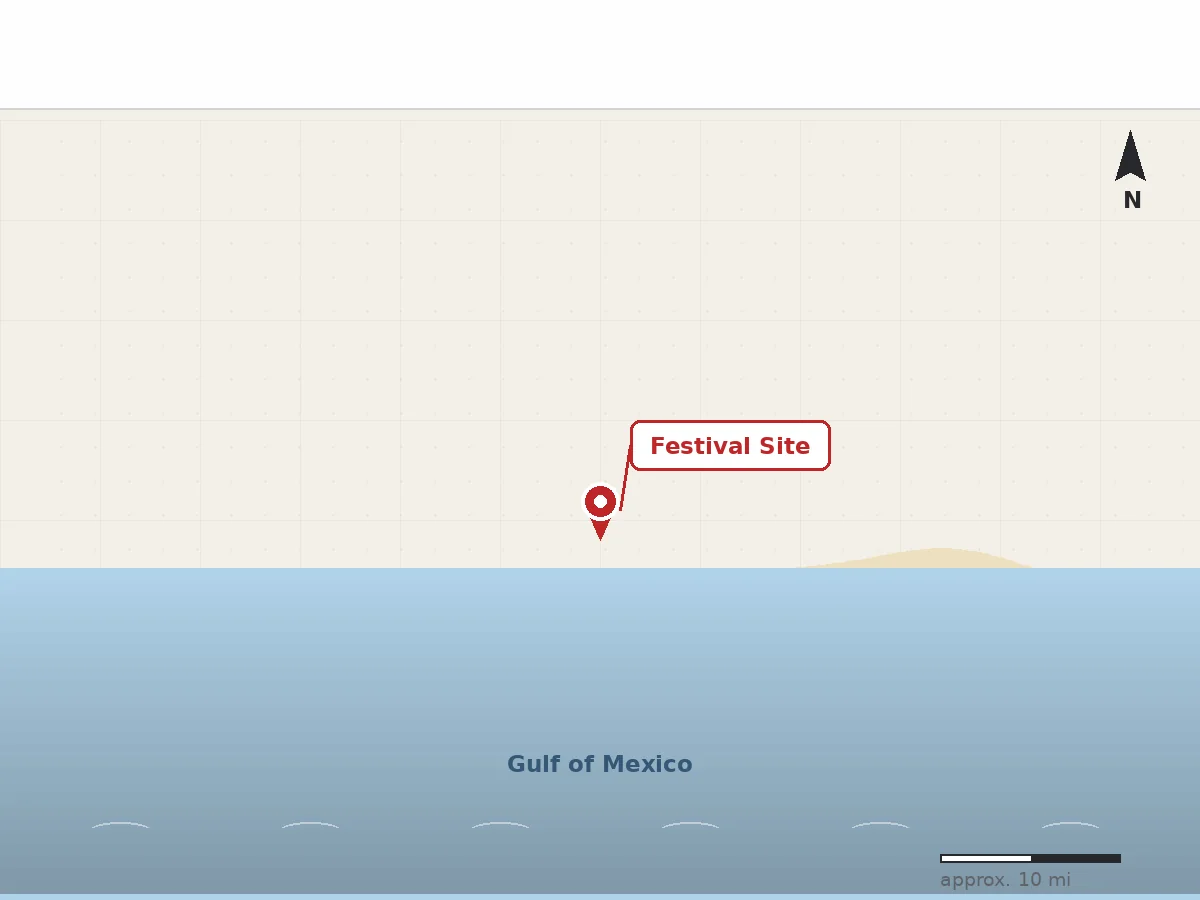
The fairgrounds sit within the Geary County area near Junction City, the county seat, an easy drive from the Interstate 70 corridor that crosses the county.
Free Fair Questions, Answered by People Who Go Every Year
Is the Geary County Free Fair really free to enter?
In most years, yes — admission to the grounds is typically free, which is where the name comes from. Individual attractions are not: rides, games, food, and some grandstand events carry their own charges, and those prices are set by vendors and operators rather than by the fair.
How long does fair week usually run?
Expect roughly a week in late summer, typically in July or August. Exact dates shift from year to year, so check local listings and community calendars before planning a trip around a specific night.
Are the livestock and exhibit halls open to the public?
Yes. Barns, show rings, and static exhibit halls are generally open to fairgoers throughout the week, and most families treat them as the heart of the fair. If you want to watch animals being worked, aim for mornings and early evenings.
What should a first-time visitor know before arriving?
Come with cash, comfortable shoes, and patience for the evening crowd. Plan to walk more than you expect, and remember that the best moments at a county fair usually happen between scheduled events rather than during them.
The Next Seasons of the Geary County Free Fair
The fair’s future looks like its past: volunteer-run, free at the gate, and anchored by the livestock barns and exhibit halls that give it purpose. As Junction City and the surrounding townships grow and change, the fair’s role as a shared meeting point becomes more valuable, not less. Expect the same essentials in the seasons ahead — food row, grandstand nights, and one week when the whole county shows up.
Last updated: October 2026
If you only do one thing at the Geary County Free Fair, skip the schedule and take the walk: gate to barn, barn to exhibit hall, exhibit hall to the food line, and back again after dark. That loop is the fair, and in Geary County it has been repeated for generations.

One Comment