Geary County Kansas Fall Apple Day Festival
Fort Riley keeps its gates closed to ordinary traffic for most of the year, but one Saturday in the early autumn the post throws them open and invites the whole county in for pie. The Fall Apple Day Festival turns Artillery Parade Field on the Historic Main Post into a fairground of military hardware, working dogs, reenactors and long serving tables, and local news layers carrying releases from Fort Riley Public Affairs describe the occasion as the largest annual event at Fort Riley and as the installation’s own open house. It is a homecoming of sorts for Geary County: soldiers and their families share the grounds with neighbours from Junction City and the smaller communities around the post, and the centrepiece holding everyone together is apple pie, sold by the slice and by the whole pie. The name itself travels in several printed forms, and the layers never merge them. Local news, an official Army layer and a military MWR guide layer print Fall Apple Day Festival; a local news layer also gives Fort Riley’s Fall Apple Day Festival; an event-aggregator layer shortens the name to Fort Riley Fall Apple Day; and a spouse-community layer calls the day simply the Apple Day Festival.
About
The Fall Apple Day Festival belongs to Fort Riley itself. The host place is not a town at all but a United States Army installation in Geary County, and the festival grounds sit on the Historic Main Post, centred on Artillery Parade Field. Junction City, not the post, is the county seat of Geary County, and that distinction shapes the day: the festival is the installation hosting its civilian neighbours rather than a town staging its own fair. Because the organiser is the post, announcements come through Fort Riley Public Affairs, and an official Army layer names a programme manager of the Directorate of Plans, Training, Mobilization and Security as event coordinator for the two thousand sixteen edition. One edition’s account spreads the attractions wider than the parade field, placing activities at Tuttle Park, Sturgis Field and Cavalry Parade Field as well. Across every layer, the shape of the day stays consistent: military displays and demonstrations out on the field, the post’s two museums open to visitors, food and drink on sale, and apple pie moving steadily from the serving tables into the crowd.
Quick Facts
| Detail | What the record shows |
| Published name | Fall Apple Day Festival |
| Host place | Fort Riley, an Army installation in Geary County |
| County seat | Junction City |
| Main venue | Artillery Parade Field, Historic Main Post |
| Organiser | Fort Riley, announced through Fort Riley Public Affairs |
| Documented editions include | Two thousand twelve, two thousand sixteen and two thousand twenty-six |
| Hours in recent editions | Nine in the morning until four in the afternoon |
| Admission in editions stating terms | Free and open to the public |
| Signature item | Apple pie by the slice and by the pie |
History
The festival’s early history is the one thing the record leaves blank. No layer read for this article gives a founding year, a first edition or an anniversary numbering, so the honest account begins with the editions the layers actually document and with the legend they repeat about the pies. That legend belongs to Libbie Custer, born Elizabeth Bacon Custer, whose apple pie recipe, the layers say, has been kept secret by a small number of volunteers who bake from it each year. The story is always told as legend rather than as verified fact, and it gives the festival its flavour: the pies are not generic fair food but a guarded inheritance from the post’s frontier past. The baking is practical as well as sentimental. Proceeds from the pie sales support Fort Riley museum programmes through the Friends of the Fort Riley Museums, so every slice sold sends money back into the keeping of the post’s history.
The documented editions stretch across more than a decade. On the twenty-second of September, two thousand twelve, the military MWR guide layer lists a Fort Riley Day / Fall Apple Day Festival running from nine in the morning to three in the afternoon on the Historic Main Post. The fullest single account covers the tenth of September, two thousand sixteen, when more than twelve thousand visitors came through and Artillery Parade Field filled with pie-eating contests, wagon rides and cavalry and military working dog demonstrations, in the year of the 1st Infantry Division’s one hundredth birthday. Other editions surface in local news layers without the same weight of detail: a Saturday edition on the twenty-fourth of September ran from nine in the morning to four in the afternoon, and a Saturday edition on the fifth of October was preceded by garrison leadership joining volunteers in the pie-making, with slices on sale that Saturday.
What to Expect
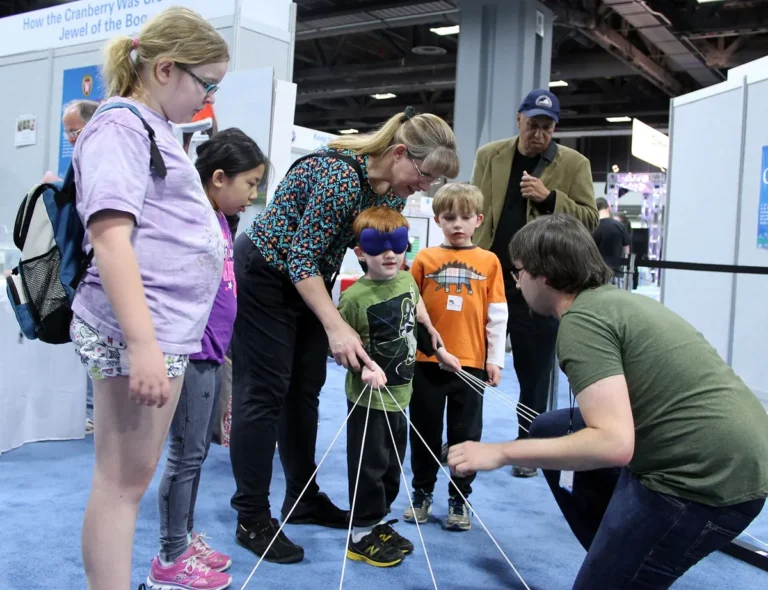
Artillery Parade Field carries the weight of the day. The official Army layer and local news layers describe the field filled with military vehicle, helicopter and tank displays, the kind of hardware visitors can walk around and examine at close range rather than watch from behind a rope. Demonstrations run through the programme: Explosive Ordnance Disposal soldiers show their craft, the Commanding General’s Mounted Color Guard rides in its ceremonial role, and military working dog teams perform the drills that are otherwise seen only in training. Historical reenactors add an older layer of the post’s story, musical performances carry across the grounds, and kid-friendly activities are threaded through the schedule so that families can stay for hours rather than pass through.
For a useful comparison, see the Franklin County Kansas Harvest Moon Street Dance Festival for another county festival.
Away from the field, the U.S. Cavalry Museum and the 1st Infantry Division Museum open their doors as part of the day, tying the festival to the collections the pie sales help support. Food and beverages are on sale across the grounds, but the queue that defines the festival forms at the pie tables, where slices and whole pies change hands steadily. One edition’s account also placed attractions at Tuttle Park, Sturgis Field and Cavalry Parade Field, so the footprint can spread beyond the main field in a given year, and visitors who explore the side grounds find the day larger than a single field suggests.
Planning Your Visit
Arriving at an Army post takes one extra step that an ordinary town festival never asks for. Visitors who do not hold a Department of Defense identification card need a temporary visitor pass before they can come through the gate, and that pass is an access requirement connected with entering a military installation, not a charge for the festival. Local news layers point readers toward visitor-centre and parking information, including where to apply for the pass, and building time for that stop into the morning is the single most useful piece of planning the record supports.
For the editions whose terms are stated, the festival itself is described as free and open to the public; that wording is attached to the Saturday edition on the twenty-fourth of September and to the edition of the twenty-sixth of September, two thousand twenty-six, and the record does not extend it to every year. What does cost money is what you eat and drink: food and beverages are sold on the grounds, and the apple pie is sold by the slice and by the pie, with the proceeds supporting the post’s museum programmes. Hours have settled in the recent record at nine in the morning until four in the afternoon, though the two thousand twelve edition ran the shorter span of nine to three, so checking the current year’s announcement before travelling remains worthwhile.
A Sample Itinerary
A workable shape for the day follows the hours the recent editions keep. Arrive early enough to clear the visitor pass process without eating into the morning, then begin on Artillery Parade Field while the vehicle and tank displays are still easy to approach. Late morning suits the demonstrations, when the working dog teams and the mounted colour guard draw their crowds, and the middle of the day is the natural moment for the pie tables and the food vendors. The afternoon leaves room for the two museums on the post, the reenactors and the musical performances, with a final walk across the field before the four o’clock close that the recent editions observe. Families with children can pace the day around the kid-friendly activities scattered through the grounds rather than rushing between the headline demonstrations.
How the Day Compares
Set beside an ordinary Kansas county fair, the Fall Apple Day Festival trades carnival rides and livestock barns for hardware and heritage. A county fair belongs to its town and its fair board; this festival belongs to an Army installation, and its exhibitors are soldiers demonstrating the tools of their trade. The pie table also works differently from a fairground bake sale, since the recipe carries a named legend and the proceeds are directed to museum programmes rather than to a general fund. Among its own editions, the day has grown longer across the documented years: the two thousand twelve edition ran six hours on the Historic Main Post, the two thousand sixteen edition drew more than twelve thousand visitors, and later editions settled into a seven-hour span.
Before You Go: A Checklist
- Confirm the date of the current year’s edition before travelling
- Allow extra time at the gate if you need a temporary visitor pass
- Bring identification for every adult in the vehicle
- Carry money for food, drinks and pie, which are sold on the grounds
- Plan the museum visits into the afternoon rather than leaving them to the end
- Arrive early for the working dog and mounted demonstrations
- Dress for a full day outdoors on open parade ground
- Keep the four o’clock close in mind when timing the drive home
Beyond the Parade Field
The festival lasts a single day, but it points at a relationship that runs all year. Fort Riley sits in Geary County beside Junction City, the county seat, and the open house is the most public moment in a calendar otherwise shaped by training cycles and deployments. Visitors who come for the pie also stand on the Historic Main Post, where the post’s older buildings and grounds carry the memory of the cavalry era that the museums preserve. For the surrounding communities, the day offers a plain, practical benefit: a chance to see where neighbours in uniform work, to meet the families who live behind the gate, and to understand the installation that anchors so much of the county’s daily life.
Why the Festival Matters
The festival’s significance rests on three legs the record supports. It is, by the installation’s own description carried in local news layers, the largest annual event at Fort Riley, which makes it the post’s principal handshake with the public. It converts a legend about a cavalry officer’s wife and her closely guarded recipe into money for museum programmes, linking entertainment to preservation in a way few festivals manage. And it keeps the post’s two great stories, the frontier cavalry past and the modern 1st Infantry Division, in front of a civilian audience that might otherwise never pass the gate. A celebration assembled from pie, pageantry and open gates ends up doing quiet civic work for the whole county.
Frequently Asked Questions
Why do the pies carry a story about Libbie Custer?
The layers tell it as legend: the apple pies are baked from a recipe attributed to Libbie, born Elizabeth Bacon Custer, and the recipe is said to be kept secret by a small number of volunteers each year. The story is repeated as tradition rather than proven history, and the pie sales themselves raise money for Fort Riley museum programmes through the Friends of the Fort Riley Museums.
Can civilians without military identification attend?
Yes, on the editions whose terms are stated, which describe the festival as free and open to the public. Visitors without a Department of Defense identification card do need a temporary visitor pass to enter the post, but the pass is an access step for a military installation, not an admission charge, and local news layers carry the visitor information needed to arrange it.
Which parts of the post does the festival use?
The centre of the day is Artillery Parade Field on the Historic Main Post, where the displays and demonstrations gather. The U.S. Cavalry Museum and the 1st Infantry Division Museum also open as part of the festival, and one edition’s account placed further attractions at Tuttle Park, Sturgis Field and Cavalry Parade Field, so the footprint can widen in a given year.
What happens at the festival besides the pie sales?
The documented programme runs well beyond the serving tables: military vehicle, helicopter and tank displays, demonstrations by explosive ordnance disposal soldiers and military working dog teams, the Commanding General’s Mounted Color Guard, historical reenactors, musical performances and activities arranged for children. Food and beverages are sold across the grounds, and the museums give the day a quieter second half.
What to Expect From the Next Geary County Kansas Fall Apple Day Festival
How often is Geary County Kansas Fall Apple Day Festival held?
The record presents the festival as an annual fixture in the post’s calendar, described in local news layers as the largest annual event at Fort Riley. Every documented edition occupies a single Saturday, so the rhythm is one full day each year rather than a multi-day run, and each year’s announcement arrives through Fort Riley Public Affairs.
When is the next Geary County Kansas Fall Apple Day Festival?
No date beyond the most recent documented edition has been published in the layers gathered for this article. That edition fell on Saturday, the twenty-sixth of September, two thousand twenty-six, running from nine in the morning to four in the afternoon, and any following date would be announced through Fort Riley Public Affairs and carried by local news layers.
Will the dates change?
They have moved before. Most documented editions sit in September, yet one Saturday edition in the record fell on the fifth of October, and the hours have also shifted, from a nine-to-three span in two thousand twelve to nine to four in more recent years. A September Saturday is the pattern, not a promise.
Closing Thoughts
The Fall Apple Day Festival asks little of its visitors: pass through the gate, walk the parade field, watch the dogs and horses work, and buy a slice of pie with a story attached. In return it gives Geary County a day inside a place that usually stays behind fences, and it gives Fort Riley a way to say, once a year, that the post and the county belong to each other. On the evidence of the documented editions, including one that drew more than twelve thousand visitors, the county keeps answering that invitation.