Franklin County Nebraska Fair Festival
Some county fairs announce themselves with websites, posters and published gate prices. The Franklin County Fair does none of that, and its quietness is the first honest thing to say about it. What the fair publishes, through Nebraska Extension in Franklin County, is a pair of premium books for 2026 — one for 4-H and one for open class — and what the wider record adds is a place and a season: Franklin, the county seat, in mid-July, carried on Nebraska’s statewide fair list for 2026. No fair board’s name, no grounds address, no admission price and no day-by-day schedule appears in the fair-side sources behind this article. This article writes the Nebraska fair at exactly the depth its own record supports.
A Fair That Publishes Books Instead of Posters
The fair’s real published name is simply the Franklin County Fair, and its home is Franklin, the town that also serves as the county seat of Franklin County, Nebraska. Its documented machinery is educational rather than commercial: Nebraska Extension in Franklin County issues the fair’s two premium books, the rulebooks holding its classes, entry terms and judging standards. No fair board, agricultural society or fair commission name appears anywhere in the fair-side record for this fair, and none is supplied here. Other states’ Franklin County fairs publish such names, but those bodies govern other counties. For 2026, the fair exists on paper in Extension’s two books and in the statewide list, and that paper is the fair’s own. Every fact in this article belongs to Franklin County, Nebraska, and to no other Franklin County.
Quick Facts
| Item | The published record |
| Fair | Franklin County Fair |
| Fair town | Franklin, Nebraska |
| County seat | Franklin, which also hosts the fair |
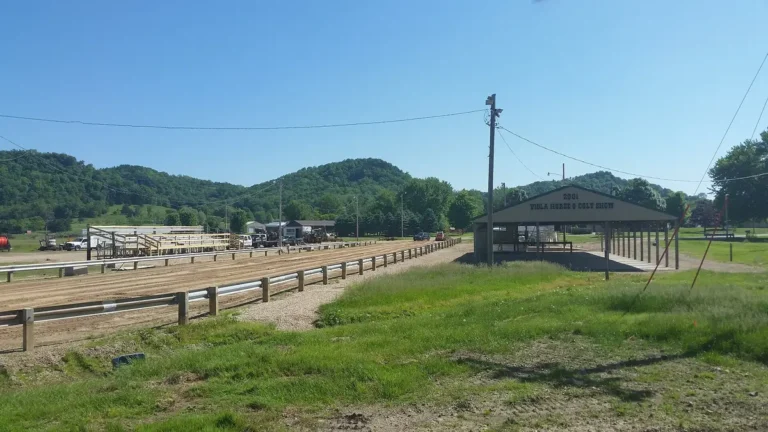
| Grounds | The fair is held at Franklin; no fairgrounds street address is published in the fair-side record |
| Organiser | No fair board or society name is published in the fair-side record |
| Documented machinery | Nebraska Extension in Franklin County’s two 2026 premium books, one for 4-H and one for open class |
| Season | Mid-July |
| Documented programme | 4-H exhibits and shows; open class exhibits |
| Admission | No price is published in any fair-side source, and the fair is not shown to be free |
| Camping | No fair-week camping information is published in the fair-side record |
A History the Record Leaves Deliberately Blank
Ask the fetched record when this fair began and it declines to answer. No founding year, no edition number and no annual billing appears in any fair-side source for the Franklin County Fair — nothing from which a start date could honestly be derived, and this article derives none. That silence deserves respect rather than decoration, because the internet abhors it: search this fair’s name and the gaps fill instantly with other counties’ birthdays and other fairs’ founding stories, none of which happened in Nebraska. The continuity the record does support is present-tense and practical: Extension prepared two premium books for the 2026 fair, class by class, which is not the act of an institution inventing itself for the occasion. Premium books are working documents, reissued by people running a fair they already run. A small fair’s history often lives exactly there — not in a celebrated founding, but in the unbroken habit of publishing the book again.
What to Expect
Two Books, Two Halves of One Fair
The fair’s documented programme comes in two halves, and the split is the oldest structure in American county fairs. One premium book serves 4-H, whose members spend a year on projects under club leaders, then bring the results to be judged. The other serves open class, the division in which any resident may enter work beside their neighbours. Together the two books describe a fair whose centre of gravity is the exhibit rather than the spectacle: things made, grown and learned, lined up in classes and ranked by judges. That is the whole of the programme the fair-side sources confirm, and this article treats it as the whole — the showing is the fair.
The 4-H Book: A Year of Work, Judged in Public
For a 4-H family, the premium book is the year’s contract. It sets out which exhibits a member may enter, what standard each class is judged against and how entries are made, so that a summer of project work ends in an orderly public accounting: exhibits delivered, judges walking the rows, ribbons placed. Extension publishing a dedicated 4-H premium book for 2026 tells a visitor exactly where this fair’s weight sits. Expect the fair’s energy to concentrate around its young exhibitors — their projects, their show-ring moments and the families ringside who did the year’s quiet supervising. In a county of this size, that is not a sideshow. It is the fair’s main event, renewed annually one member at a time.
For a useful comparison, see the Fillmore County Nebraska Fair Festival for another county festival.
The Open Class Book: The Whole County’s Work on the Table
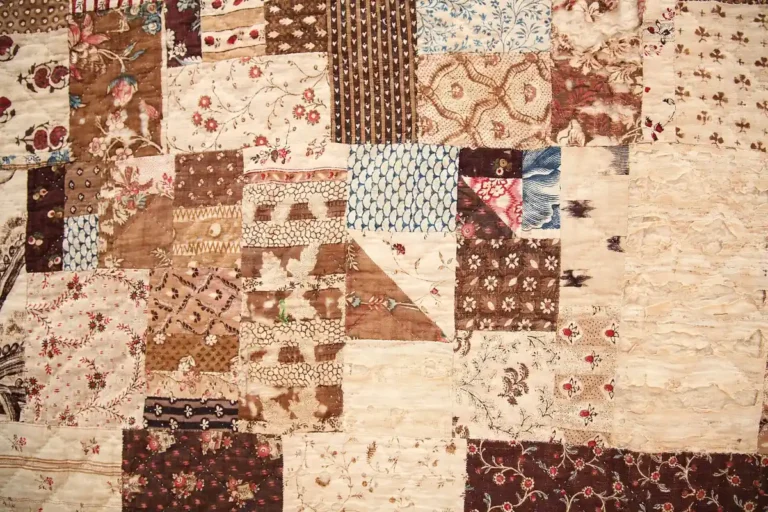
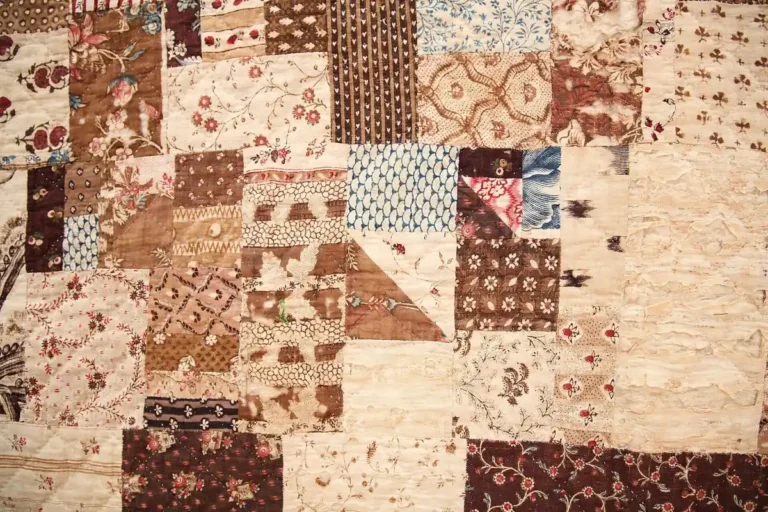
Open class is the fair’s open door. Where 4-H exhibiting belongs to enrolled youth, open class exhibiting belongs to the county at large — the gardener with a plate of tomatoes, the baker testing a recipe against the neighbours, the quilter, the photographer, the woodworker. Extension’s separate open class premium book for 2026 means the fair formally keeps that door open, with classes and rules of its own rather than as an afterthought to the youth show. For a visitor, the open class halls are where a small fair becomes a portrait of its county: the year’s gardens, kitchens and workshops, set out on tables and judged in public. Walk those rows slowly; Franklin maintains a whole book for them.
What No Fair-Side Source Confirms
Honesty requires a paragraph of absences. No carnival, rodeo, demolition derby, tractor pull or concert is documented for this fair in any fair-side source behind this article, and none is claimed. An older county guide sketches such attractions for Franklin — rides, livestock scrambles, pulls and derbies in the generic grammar of fair listings — but that copy is stale, undated and unattributed to the fair itself, so it is carried here as atmosphere from an older page, never as the programme of any edition a reader might attend. Until the fair’s own announcements say otherwise, the confirmed fair is a showing fair: two books, two divisions, one mid-July week in the county seat.
Planning Your Visit
A Mid-July Fair, Dated by Its Own Announcements
The season is the one timing fact the record states cleanly: mid-July. Nebraska’s statewide fair list carried the Franklin County Fair at Franklin in that window for 2026, and mid-July is how this article dates it. The precise days of any coming edition are the fair’s to publish, through Extension in Franklin County, and a traveller should take them from there rather than from listing sites, which attach other counties’ calendars to this fair’s name. Build the trip around the middle of July, then confirm the exact days close to the season.
The Price That Nobody Has Published
No admission, pass or parking price for the Franklin County Fair appears in any fair-side source, so this article quotes none — and it does not call the fair free, because an unpublished price is not evidence of a free gate. A visitor who assumes free entry on the strength of silence may be wrong, and a visitor who trusts a figure printed by a listing site is trusting a number the fair never issued. Carry ordinary money for food and incidental costs, and treat any gate question as one to settle through Extension or at the grounds on the day.
Reaching Franklin and Staying Over
The fair is held in Franklin itself, and because no fairgrounds street address appears in the fair-side record, none is printed here; visitors navigate to the county seat and its fair rather than to a gate address copied from a listing. On camping, the record is equally silent — no fair-week camping offer is published in the fair-side sources — so no pitch is promised. Ask Extension in Franklin County directly if camping matters to your trip, and otherwise plan on ordinary lodging in or near town. Franklin is a small seat in a farming county near the Kansas line, and the journey is a country drive in every direction; that remoteness is part of the fair’s character, not an obstacle to it.
A Day Spent the Way the Books Intend
Begin with the 4-H side of the grounds, where the day’s judging gives the fair its pulse: exhibits in place, a judge working a class at a time, families watching results post. Give the middle of the day to the open class entries, walking the rows of the county’s produce, baking and handwork while the halls are full and the ribbons fresh. Return to the 4-H exhibits with the results known, when conversations change from hope to verdict and young exhibitors start explaining their projects to anyone who stops. A premium-book fair rewards attention over amusement: the exhibits are the programme, and a day spent reading them closely is a day spent at the fair’s centre.
One Franklin County Among Many
Search this fair’s name and Nebraska’s version is not the loudest result. Franklin Counties in five other states keep fairs with larger web presences — fuller sites, longer published histories, prices and programmes of their own. Measured against those namesakes, this fair is easy to miss and easy to get wrong. Its distinction is discipline: where the others publish broadly, its record is two Extension premium books, a statewide-list line and a county seat in mid-July, and a truthful article refuses to decorate that record with a namesake’s midway, prices or past. Small in print, the fair is complete in structure — youth and open divisions both documented for 2026 — and completeness, not volume, is the fair measure of a county fair.
Fair-Week Checklist
- Aim the trip at Franklin itself; the fair is held in the county seat, and no fairgrounds street address is published beyond the town.
- Treat mid-July as the season and confirm the exact days of the coming edition through Extension in Franklin County.
- Do not plan around a gate price you have seen online; the fair itself has published none, free or otherwise.
- Ignore dates, prices and programme details attached to this fair’s name by listing and resale sites, which commonly belong to other states’ Franklin County fairs.
- Give the exhibit rows your best hours; the 4-H and open class showings are the fair’s documented programme.
- If your family exhibits, work from the year’s own premium book — the 4-H book for members, the open class book for everyone else.
- Confirm camping with Extension before packing for a pitch; nothing in the fair’s record offers one.
- Talk to exhibitors beside their entries; at a showing fair, the makers are part of the exhibit.
Beyond the Fairgrounds
The fair belongs to Franklin, and Franklin rewards the traveller who stays a while. The town is the seat of a southern Nebraska county pressed against the Kansas line, in Republican River country — broad farmland, small communities and long views in every direction. A fair trip can stretch into a drive through the river valley’s townships and an evening under plains skies far from any city’s glow. None of that competes with the fair; it frames it. The county’s landscape is the source of nearly everything on its exhibit tables, and seeing the fields after the entries closes the loop the premium books open.
Why Two Slim Books Matter
It would be easy to mistake a thin record for a thin fair, and the mistake would be wrong. The premium book is the county fair’s constitution: where a community writes down, in advance, what excellence looks like this year and submits itself to be judged by it. That Franklin County maintains two — one forming its young people through 4-H’s year-long projects, one holding the door open to every resident’s garden, kitchen and workshop — says the institution’s essentials are intact. Counties keep such fairs because the judging, the ribbons and the rows of entries are how a farming community takes its own measure, kindly and in public, once a year.
Frequently Asked Questions
Where is the Franklin County Fair held?
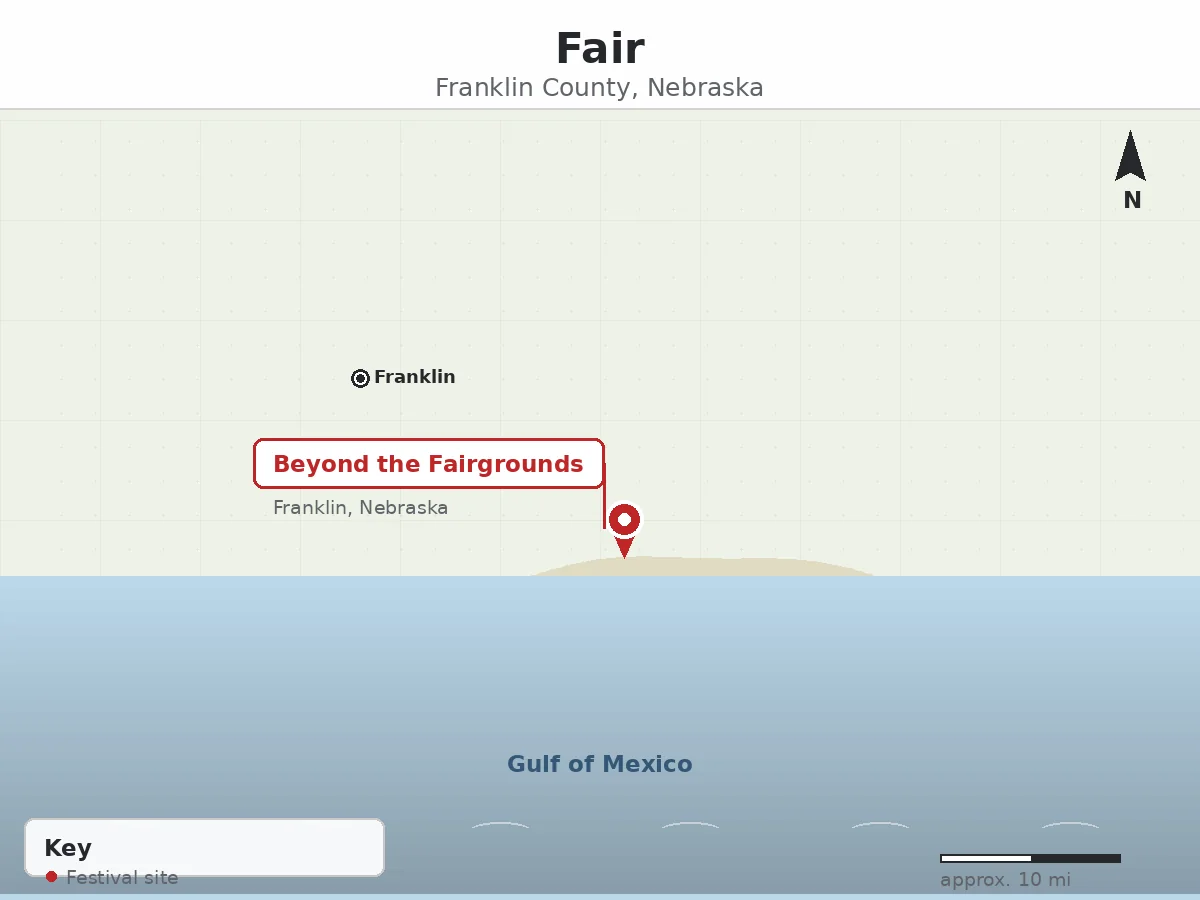
In Franklin, the county seat of Franklin County, Nebraska. No fairgrounds street address is published in the fair-side sources behind this article, so visitors navigate to the town and its fair rather than trusting a gate address from a listing site — several of which describe other states’ Franklin County fairs.
Who organises the Franklin County Fair?
No fair board, agricultural society or commission name is published in any fair-side source for this fair, and this article invents none. The documented machinery is Nebraska Extension in Franklin County, which publishes the fair’s two 2026 premium books.
Has the Franklin County Fair published an admission price?
No gate, pass or parking price appears in any fair-side source for this fair, and none is quoted here. That silence should not be read as a free fair: the price is simply unpublished, and any figure attached to this fair’s name elsewhere does not come from the fair.
What actually happens at the Franklin County Fair?
What the fair-side record documents is a showing fair: 4-H exhibits and shows under their own 2026 premium book, and open class exhibits under theirs. Carnival rides, rodeos, derbies and concerts are not confirmed by any fair-side source, so they are not promised here.
What to Expect From the Next Franklin County Nebraska Fair Festival
How often is the Franklin County Nebraska Fair Festival held?
Once a year. The Franklin County Fair is an annual event at Franklin, and its documented 2026 edition sat in mid-July, organised on paper around Extension’s 4-H and open class premium books.
When is the next Franklin County Nebraska Fair Festival?
On the pattern of its documented edition, in mid-July — the season Nebraska’s statewide list gives it. The exact days of a coming edition belong to the fair’s own announcements, carried through Extension in Franklin County.
Will the dates change?
The precise days are set fresh for each edition, so the safe expectation is a mid-July fair whose exact span follows the fair’s own publication rather than any earlier listing. Mid-July is the reliable fact; any specific day belongs to the year it is published for.
The Franklin County Fair will not be found by following the loudest search result, and it cannot be described by borrowing from its namesakes. It is a small, book-led fair in a small county seat: two premium books, two divisions of exhibits, one mid-July week in Franklin. Read on those terms, it needs no decoration. The county still writes its classes down, still judges its young people and its gardens in public, and still gathers in the seat town to see the results — it still holds a county fair in the oldest and most durable sense of the term.
One Comment