Franklin County Iowa Fall Festival
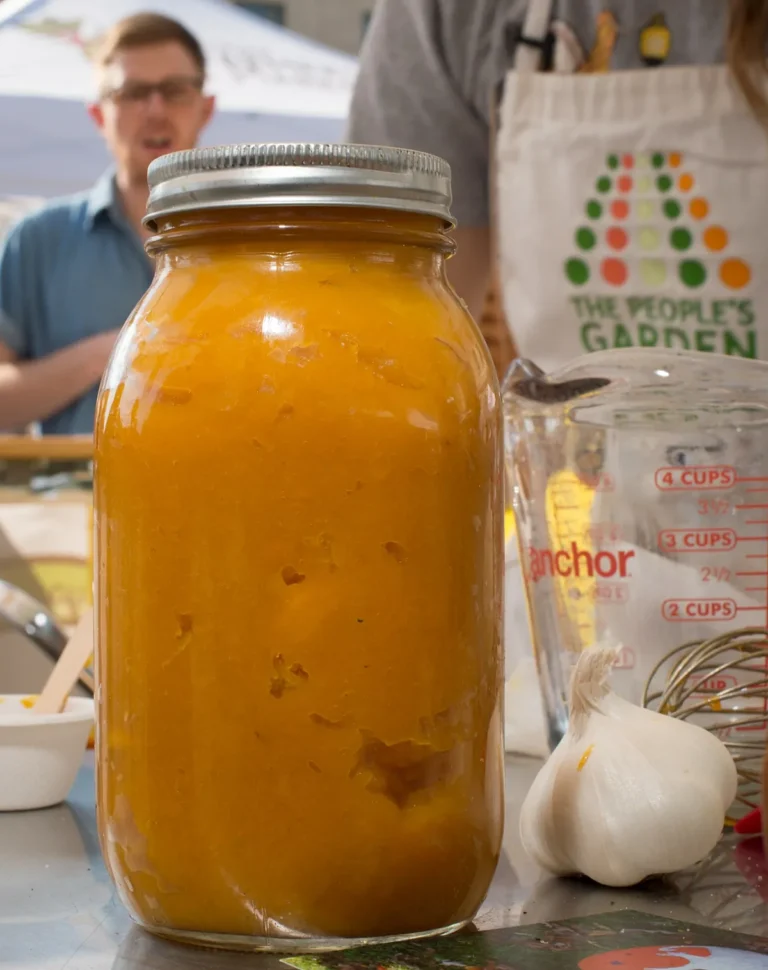
On the first Sunday of October, a historic farm on the west edge of Hampton opens its gates for an afternoon that belongs to the harvest season. The event is published under the farm’s own name — the Harriman-Nielsen Fall Festival — and the county-generic form used in this article’s title turns up in none of the sources consulted. Extension newsletters, a regional farm newspaper and local radio all print the farm’s name; a festival-guide layer adds the variant Harriman-Nielsen Farm Fall Festival, and an older harvest-tour blog writes it unhyphenated. Hampton is the county seat of Franklin County, and the farm that hosts its fall celebration began with a Danish immigrant family whose farmhouse still stands at the centre of the day. The afternoon offers tours of that farmhouse, wagon rides, pumpkin and corn-stalk contests, carnival games run by county 4-H clubs, and bowls of the farm’s bean soup. It is a gathering built to keep a piece of the county’s past repaired, visited and alive.
About the Festival
The Harriman-Nielsen Fall Festival is an annual autumn gathering held at the Harriman-Nielsen Historic Farm, just west of Hampton. An older harvest-tour account states the pattern outright: the festival is held every year on the first Sunday in October. Recent editions have run from one to four in the afternoon, while the twenty sixteen edition ran from two to five, with a rain date held in reserve.
Who stands behind the day depends on which source a reader picks up, and both pictures stand as their sources print them. A harvest-tour account and a travel blog agree that the farm was given to the Franklin County Historical Society. Local radio, meanwhile, quotes members of the Harriman-Nielsen Historic Farm board organising the festival and speaking for it.
The afternoon also carries a purpose beyond entertainment: local radio described the twenty twenty-four edition as a fundraiser whose proceeds go toward restoration of the historic farm, and one travel blog calls the farm’s bean soup a fundraiser staple, making the kitchen part of the preservation effort.
Quick Facts
| Item | Detail |
| Published name | Harriman-Nielsen Fall Festival; a festival-guide layer prints Harriman-Nielsen Farm Fall Festival and an older harvest-tour blog the unhyphenated Harriman Nielsen Fall Festival; the county-generic title form appears in no source read |
| Host town | Hampton, the county seat of Franklin County |
| Venue | The Harriman-Nielsen Historic Farm on the west edge of Hampton; the twenty twenty-six extension newsletter places the festival at the Harriman-Nielsen Barn |
| Timing | The first Sunday in October, as an older harvest-tour account states the pattern; recent editions ran from one to four in the afternoon |
| Documented editions | Twenty fifteen, twenty sixteen, twenty twenty-four, twenty twenty-five and twenty twenty-six |
| Organisers, as sources print them | The farm was given to the Franklin County Historical Society; local radio quotes members of the Harriman-Nielsen Historic Farm board organising and speaking for the festival |
| Admission | No general admission figure appears in any source read; local radio called the twenty twenty-four edition a fundraiser for the farm’s restoration |
| Programme highlights | Farmhouse tours, free concerts, wagon rides, biggest pumpkin and tallest corn stalk contests, a cribbage tournament, 4-H carnival games, a flea market and the farm’s bean soup |
| The farmhouse | Built in eighteen eighty-one by a Danish immigrant family, a date belonging to the farm’s history rather than the festival’s |
History
Two histories meet at this farm gate, and they should not be blurred into one. The older story belongs to the land and its buildings. A travel blog layer records that the farmhouse was built in eighteen eighty-one by a Danish immigrant family. The farm eventually passed out of family hands: the harvest-tour account and a travel blog agree that it was given to the Franklin County Historical Society, the gift that turned a working farm into a historic site.
For a useful comparison, see the Floyd County Iowa Heritage Fest Festival for another county festival.
The festival’s own history is shorter and far less firmly dated. No source read for this article gives the event a founding year, and none will be manufactured here. Farm board members quoted by local radio said in twenty twenty-four that the festival began more than two decades ago, and in twenty twenty-six that it has grown considerably since it began over twenty years ago. Those are the board members’ own recollections, recorded as they gave them; converting either remark into a precise start year would go beyond what the sources actually say.
Against that soft outline, the dated editions stand out clearly. A seed-company magazine layer reported that the twenty fifteen festival drew more than one thousand guests. The regional farm newspaper previewed the twenty sixteen edition for Sunday the second of October, running from two to five in the afternoon with a rain date of the ninth. Local radio documented a Sunday edition in twenty twenty-four from one to four, extension newsletters fixed the twenty twenty-five edition on Sunday the fifth of October and the twenty twenty-six edition on Sunday the fourth of October, both from one to four, and a radio report the day after the twenty twenty-six festival described an annual afternoon of food, music and fall activities.
What to Expect
The fullest single preview in the record comes from the regional farm newspaper ahead of the twenty sixteen edition, and much of the afternoon’s character is visible in its list. Visitors could walk through the farmhouse on guided tours, hear free concerts, and ride wagons around the grounds. Competition ran through the day: prizes for the biggest pumpkin and the tallest corn stalk, pumpkin decorating, and a cribbage tournament for those who preferred cards to produce. County 4-H clubs staffed old-fashioned carnival games, and a flea market rounded out the grounds.
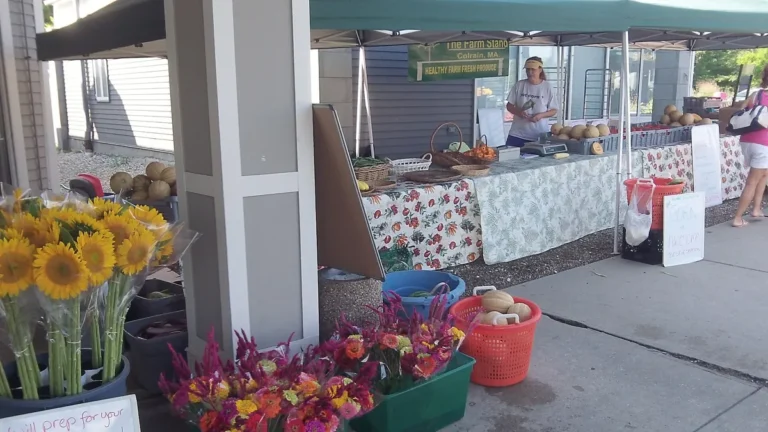
Later editions added their own touches without changing the recipe. Local radio noted pumpkin painting alongside carnival games for twenty twenty-four. Extension newsletters for twenty twenty-five and twenty twenty-six mention free 4-H enrolment offered at the festival, with the club-hosted carnival games continuing. Travel blog accounts fill in the farm’s own contributions: heirloom pumpkins, squash and garden produce sold during the day, horse-and-buggy rides, a tall corn contest, and the bean soup that one blog identifies as a fundraiser staple. Picture a working historic farm dressed for one afternoon rather than a midway.
Planning Your Visit
The pattern behind the date is steadier than most small festivals manage. An older harvest-tour account states that the festival is held every year on the first Sunday in October, and the dated editions bear that out: the second of October in twenty sixteen, the fifth in twenty twenty-five and the fourth in twenty twenty-six all fall on that first Sunday. The twenty sixteen preview’s rain date of the ninth is a reminder that an outdoor farm afternoon answers to the weather.
Hours have shifted slightly across the record. The twenty sixteen edition ran from two to five in the afternoon, while the twenty twenty-four, twenty twenty-five and twenty twenty-six editions each ran from one to four. Planning around a one o’clock start matches the most recent documented pattern.
None of the layers read puts a figure on general admission, and this article will not fill that silence with a guess. What local radio did say of the twenty twenty-four edition is that the event works as a fundraiser whose proceeds go toward restoration of the historic farm, so spending at the food stand and the garden produce table belongs to the day’s purpose.
A Sample Afternoon
The twenty sixteen edition is the most completely documented, so its preview shapes the itinerary below. Arrive as the grounds open at two and begin with the walk-through tour of the eighteen eighty-one farmhouse, while the light is good and the rooms are at their least crowded. From the house, take a wagon ride around the farm to learn its layout.
The middle of the afternoon belongs to the contests and games. Watch the judging for the biggest pumpkin and the tallest corn stalk, try the pumpkin decorating, and drift toward the carnival games the county 4-H clubs run. Card players can settle into the cribbage tournament instead. Leave room between activities for the flea market’s tables and for a bowl of the farm’s bean soup. At the five o’clock close the farm goes back to its quiet routine until the next first Sunday of October.
How It Compares
Two other Franklin County gatherings are worth separating from this one. The Franklin County Fair fills its own slot in July in Hampton, a full fair in high summer rather than a single October afternoon on a historic farm. The Fall Fun Day at Mayne’s Grove, run by county conservation and described in a travel blog layer, is a separate event in a different setting. Neither shares the Harriman-Nielsen farm, its board, or its first-Sunday pattern.
A New Hampshire newspaper layer describes a Fall Fest in Franklin, but that Franklin is a New Hampshire town and its festival belongs to another state. Readers tracing the Iowa event should hold on to the farm’s name, which travels with the festival in every Iowa source read.
Checklist
- Confirm the first Sunday in October date against a current extension newsletter or local radio listing
- Plan on an early-afternoon start; recent editions have run from one to four
- Check the forecast, remembering that the twenty sixteen edition carried a rain date a week later
- Leave time for the farmhouse tour early in the visit, before the grounds fill
- Bring an appetite for bean soup and farm-garden produce
- Come ready to spend a little, since the afternoon doubles as a fundraiser for the farm’s restoration
- Give the pumpkin and corn stalk contests a look, even as a spectator
- If travelling with children, head for the carnival games run by the county 4-H clubs
Beyond the Farm
The sources gathered for this article keep their attention on the farm itself, so this section stays close to what they actually support. Hampton holds the extension office that publishes the newsletters announcing the festival, and local layers describe its courthouse square — the civic centre of the county whose name directories attach to the festival even though its printed name belongs to the farm. Readers should treat the farm afternoon as the anchor of the day rather than one stop among many.
Why It Matters
Historic farms survive on attention, and attention usually has to be earned one afternoon at a time. The record assembled here shows a preservation project with a working method: open the farmhouse, feed people soup made on the place, sell the garden’s own heirloom pumpkins and squash, let the 4-H clubs run the games, and put the proceeds toward restoration. A crowd above one thousand was reported in twenty fifteen, and board members say it has grown considerably since it began. A festival that pays for the roof over its own history is doing more than marking the season — it is how a small county keeps an eighteen eighty-one farmhouse standing with the shutters open.
Frequently Asked Questions
Why does the festival carry a farm’s name instead of the county’s?
Because that is how the event is published. Extension newsletters, the regional farm newspaper and local radio all print Harriman-Nielsen Fall Festival; a festival-guide layer gives the variant Harriman-Nielsen Farm Fall Festival, and an older harvest-tour blog writes it without the hyphen. The county-generic form used in this article’s title appears in none of those layers — the name belongs to the farm where the festival is held.
What do the proceeds from the afternoon support?
Local radio described the twenty twenty-four edition as a fundraiser whose proceeds go toward restoration of the historic farm. The travel blogs show the same purpose in smaller ways, from bean soup to garden produce sold on the day. Spending at the festival is therefore part of how the historic site is maintained.
Which contests anchor the afternoon?
The farm newspaper’s twenty sixteen preview lists contests for the biggest pumpkin and the tallest corn stalk, alongside pumpkin decorating, and travel blogs mention a tall corn contest as well. The same preview includes a cribbage tournament, so the competition runs from the garden rows to the card table.
Who looks after the farm behind the festival?
The layers give two answers and this article keeps both. A harvest-tour account and a travel blog agree the farm was given to the Franklin County Historical Society. Separately, local radio quotes members of the Harriman-Nielsen Historic Farm board organising the festival and speaking for it. No source read merges those into a single organiser, so none is adopted here.
What to Expect From the Next Franklin County Iowa Fall Festival
How often is Franklin County Iowa Fall Festival held?
An older harvest-tour account states the pattern directly: the festival is held every year on the first Sunday in October. The dated editions in the record — twenty fifteen, twenty sixteen, twenty twenty-four, twenty twenty-five and twenty twenty-six — all sit in that same early-October position.
When is the next Franklin County Iowa Fall Festival?
Following the pattern the sources document, the next edition would fall on the first Sunday of October in the coming year, most likely in the early afternoon; the three most recent editions each ran from one to four. No layer read for this article announces a specific future date, so the first Sunday of October is the expectation rather than a published fixture, and a confirmed date would surface in extension newsletters or on local radio.
Will the dates change?
The day of the week and the position in the month have been stable across every dated edition found, always the first Sunday of October. The hours have moved before — two to five in twenty sixteen, one to four in the recent editions — and the twenty sixteen preview held a rain date of the ninth of October in reserve, showing the organisers will shift for weather when they must. The Sunday itself looks secure; the clock and the forecast deserve a check.
Closing Thoughts
Franklin County’s fall festival asks very little of its visitors: one Sunday afternoon, a walk through an old farmhouse, a bowl of soup, a look at somebody’s enormous pumpkin. In return it gives a Danish immigrant family’s farm another year of repairs and another year of being known. The sources may never agree on a single organiser line or supply a founding year, but the pattern they document together — first Sunday in October, at the farm on Hampton’s west edge — is clear enough to plan by and worth the drive.