Floyd County Iowa Floyd County Fair Festival

Every summer, the lanes around the Floyd County fairgrounds fill with pickups, minivans, and kids still carrying the exhibit ribbons they won the year before. The Floyd County Fair runs on tradition as much as on schedules — the same families working the gate, the same grandparents claiming seats by the show ring, the same drift of funnel cake and diesel smoke across the grounds.
Floyd County spreads across 501 square miles of north-central Iowa: corn and soybean fields, river bends, and small towns where neighbors know each other by first name. Charles City is the county seat, and the county counted 15,627 residents at the 2020 census — a number that swells noticeably during fair week, when grown children drive back from Ames, Des Moines, and points farther out.
What visitors find is a classic county fair: youth livestock shows, 4-H and FFA exhibits, a carnival midway, grandstand entertainment, and food stands staffed by churches, booster clubs, and legions of volunteers. It is a fair built for people who already know each other — and for newcomers who would like to.
Floyd County Fair: Key Details Before You Go
| Town / area | Floyd County area, Iowa |
| County | Floyd County, Iowa |
| County seat | Charles City |
| Population | 15,627 (2020 census) |
| Region | North-central Iowa |
| Typical timing | Summer, most often in July |
| Admission | Grounds admission is generally free; some rides and grandstand events carry their own charges |
| Setting | Rural fairgrounds in Floyd County, a short drive from Charles City |
| Signature features | Youth livestock shows, 4-H and FFA exhibits, carnival midway, grandstand entertainment, fair food |
| Organizer | County fair board with local clubs and community volunteers |
A Summer Anchor for Rural Floyd County
At its heart, the Floyd County Fair is an agricultural fair, and it wears that identity without apology. Barns hold cattle, swine, sheep, goats, poultry, and rabbits, each species with its own show time and its own cluster of families grooming animals in the aisles. The show ring becomes the center of gravity for a few hours each day, and the bleachers around it fill with parents, grandparents, and neighbors who have watched the same kids grow up one summer at a time.
Beyond the barns, the fair is a showcase for everything else Floyd County produces. Static exhibits cover tables and walls with photography, baking, canning, quilting, woodworking, and garden vegetables judged on ribbons and bragging rights. Commercial booths sell everything from farm equipment to insurance, and the midway hums after dark. For a county of roughly fifteen thousand people, it is a remarkably complete world for a week.
For another look at how a community turns its own traditions into a gathering, see the Floyd County Indiana Harvest Homecoming Festival for a useful comparison.
A Fair That Grew Alongside Floyd County
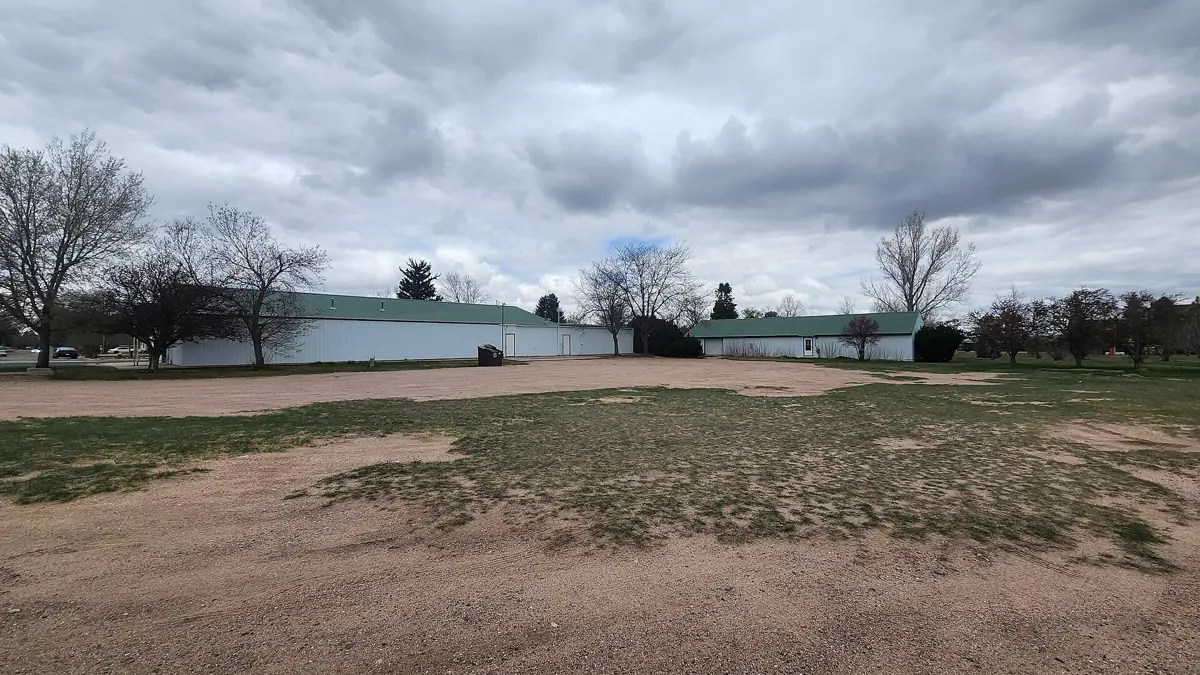
Floyd County was created on January 15, 1851, and organized a few years later, on September 4, 1854. Those dates place the county’s formal beginnings squarely in the era when Iowa’s agricultural fair movement was taking hold across the state. Early fairs in this part of Iowa were often modest affairs — livestock, produce, and machinery displayed by farmers who wanted to compare notes and show off a season’s work.
Over the decades, those gatherings became permanent institutions with grounds of their own. Permanent barns replaced temporary pens, a grandstand replaced a wooden platform, and the midway became a fixture rather than a novelty. The fair survived the hard years alongside the good ones, adjusting to changing farm economics, new machinery, and the shifting rhythms of rural life.
The biggest change came with the rise of youth organizations. When 4-H clubs and FFA chapters became the backbone of county fair exhibitions nationwide, the Floyd County Fair found its enduring purpose: a place where a young person’s project — whether a market hog, a plate of cookies, or a restored tractor — is taken seriously by an entire community.
Inside a Summer Week at the Floyd County Fair
Fair week has its own rhythm. Mornings belong to exhibitors and judges, afternoons bring families with strollers and sunscreen, and evenings fill the grandstand and the midway. Plan on a slower pace than a state fair, with shorter lines and more conversations.
Fair Food With Deep Iowa Roots
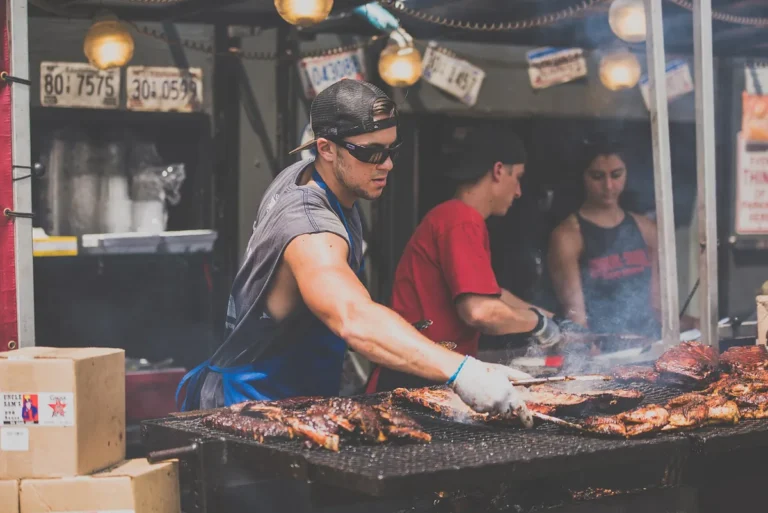
Food is where county fairs earn their reputation, and Floyd County’s stands lean heavily on local organizations. Expect pork producers grilling chops and tenderloins, church groups selling pie by the slice, and booster clubs running stands that fund everything from band uniforms to ball diamonds. Corn dogs, walking tacos, funnel cakes, kettle corn, and lemonade shake-ups are all part of the ritual. Come hungry, bring cash for the smaller stands, and don’t skip whatever the local groups are proudest of.
Grandstand Music and Evening Entertainment
Evenings at the fairgrounds tend to build toward the grandstand. In most years the schedule mixes live music with crowd-pleasing motorsport-style events, and the lineup shifts from season to season. Local and regional bands often play earlier in the week, while the biggest draws land on weekend nights. Whatever is on stage, the grandstand is also a social event — a place to run into half the county and catch up while the lights come on over the track.
Family Activities for Every Age
Families with small children usually start at the midway and the animal barns, where kids can get close to cattle, rabbits, and goats without much waiting. Youth activities often include pedal tractor pulls, craft stations, and hands-on exhibits, and the fair is a good place to let older kids roam a bounded, familiar space. Livestock auctions, fashion revues, and the always-popular showmanship contests give everyone something to cheer for.
Planning Your Trip to the Floyd County Fair
A county fair is easy to navigate once you know the basics. Here is what to sort out before you point the car toward Floyd County.
Getting to the Floyd County Fairgrounds
Nearly everyone arrives by car. Charles City, the county seat, is the natural hub for the area, and the fairgrounds sit a short drive from town. From surrounding communities, the trip is measured in minutes rather than hours, which is part of the fair’s appeal: you can come for an afternoon, go home to do chores, and come back for the evening show.
Where to Stay Near Charles City
Lodging in a rural county is limited, so visitors from out of the area should book early, especially for weekend nights during fair week. Charles City has the largest concentration of rooms, and camping is a popular option for families who want to stay close to the action. Travelers passing through sometimes base themselves in a larger nearby city and make the drive in for a single day.
Parking at the Fairgrounds
Parking is typically on or near the grounds, with volunteers directing traffic during the busiest hours. Arrive early on grandstand nights, when the lots fill fastest, and expect a short walk from the outer rows. Wear shoes you don’t mind getting dusty — Iowa fairgrounds are honest about being farm ground.
Admission and What Things Cost
Entry to the fairgrounds is generally free, which is one of the reasons the fair stays a habit for local families rather than a once-a-year splurge. Individual attractions — carnival rides, midway games, grandstand events, and food — carry their own costs. Bring cash, since smaller stands and vendors may not take cards, and set a rough budget for kids who discover the midway.
Floyd County Weather and What to Wear
Mid-summer in north-central Iowa means heat, humidity, and the chance of an afternoon thunderstorm. Dress in light layers, bring a hat and sunscreen, and carry a rain jacket that folds into a bag. Evenings cool off quickly in the grandstand, so a light sweatshirt is worth having in the car. If a storm rolls through, events may pause briefly and resume.
A Sample Fair Weekend in Floyd County
Start with the opening evening. Walk the barns while exhibitors are still settling in, grab supper from a church stand, and let the kids test the midway before the crowds arrive. Finish the night at the grandstand, where the atmosphere is relaxed and seats are still easy to find.
Give Saturday to the fair. Come mid-morning for the livestock shows, when the barn aisles are busiest and the judging is most interesting. Spend the afternoon on static exhibits and commercial booths, then take a break in the shade before the evening program. Saturday night is the fair at full volume — food lines, music, and a packed grandstand.
Sunday is quieter and, for many families, the best day. Wander back through the barns, catch the final shows and any auction or awards presentation, and eat one last tenderloin before heading home. If you have time, drive into Charles City for a look at the county seat before the week officially ends.
How the Floyd County Fair Compares With Nearby Fairs
Floyd County’s fair sits in a cluster of strong county fairs across north Iowa. The Mitchell County Fair in Osage follows a similar rhythm — youth exhibits, a midway, and a grandstand schedule — and draws from a comparable rural base. The Chickasaw County Fair in New Hampton offers another nearby option for families who like to make the rounds each summer.
For a bigger night out, the North Iowa Fair in Mason City serves a wider region and typically brings larger grandstand acts and a longer midway. Floyd County’s advantage is scale: shorter lines, cheaper evenings, and a crowd where you recognize most of the faces. Many local families do both — a day in Mason City and a few nights at home.
Floyd County Fair Checklist: What to Bring and Know
Pack sunscreen, hats, refillable water bottles, and a light rain jacket; wear closed-toe shoes for the barns and gravel; bring cash in small bills for food stands and games; keep a tote bag for ribbons, prizes, and leftovers; charge your phone or bring a battery pack, since signal and outlets can be scarce in a crowd.
Before you go, check the fair’s schedule for show times and grandstand events, confirm whether anything you want to see requires a separate ticket, and agree on a meeting spot with older kids. If you have exhibitors in the family, load the trailer the night before and keep a printed copy of entry times.
After the Fair: Exploring Charles City and Floyd County
The fair is a fine excuse to see the rest of the county. Charles City, the county seat, anchors the area with its courthouse square, riverfront, and small-town business district. The Cedar River shapes much of the landscape here, and the drive between towns runs past working farms, old barns, and the kind of scenery that rewards a slow car ride.
Smaller communities — Floyd, Nashua, Rockford, Marble Rock, and Nora Springs among them — each have their own character and their own local gathering spots. If you’re making a weekend of it, pair the fair with a stop at a local cafe, a walk along the river, or a look at the county’s historical markers. In Floyd County, the fair is the headline, but the surrounding countryside is the story.
The Fair as Floyd County’s Shared Backyard
For a county of 15,627 people, the fair does something no other event quite manages: it puts nearly every part of the community in the same place at the same time. Farmers and teachers, retirees and teenagers, families who have been here for generations and families who arrived last year — all of them end up in the same barn aisle or the same bleachers.
It is also an economic and educational engine in miniature. Local clubs raise money, vendors move inventory, and young exhibitors learn how to keep records, meet deadlines, handle animals, and accept a judge’s decision. Those lessons outlast the ribbons. When the grounds empty and the banners come down, the fair leaves behind a county that knows itself a little better.
Where the Fairgrounds Sit in Floyd County
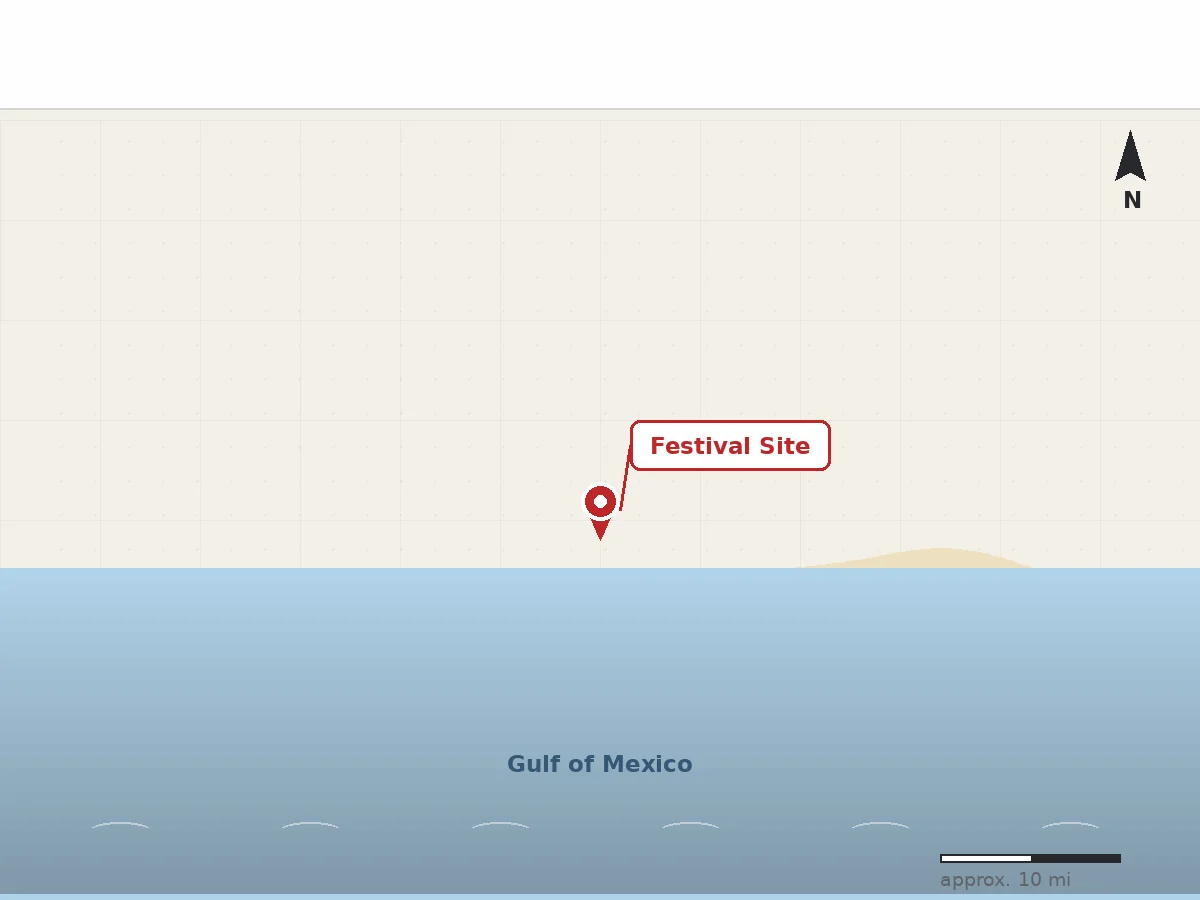
The Floyd County Fair takes place at the fairgrounds in Floyd County, Iowa, a short drive from Charles City, the county seat.
What First-Time Fairgoers Ask in Floyd County
When is the Floyd County Fair held?
It is a summer fair, held in most years during July, with events spread across several days. Because the schedule shifts from year to year, check the current fair schedule before you plan a trip.
Do you have to pay to get in?
Admission to the fairgrounds is generally free. Rides, games, food, and some grandstand events have their own costs, so bring cash and decide in advance what you want to spend on the midway.
Is the fair good for young children?
Yes. The grounds are compact, the animal barns are a hit with small kids, and there are typically youth-oriented activities and rides. Strollers handle the main paths well, though gravel and grass can be bumpy in places.
What is the best time to visit?
Weekday afternoons are the calmest, with shorter lines and easier parking. Weekend evenings are the liveliest, especially when a grandstand event is scheduled. Choose based on whether you want elbow room or atmosphere.
The Next Chapter for the Floyd County Fair
Like county fairs across Iowa, Floyd County’s fair faces a familiar challenge: keeping a tradition relevant to a generation that has more entertainment options and less free time. The answer here, as elsewhere, is the youth programs. As long as 4-H and FFA members keep entering projects and animals, the fair has a reason to exist and a built-in audience of families.
Expect the fair to keep evolving — new events, updated facilities, and more ways to reach people who have never set foot in a livestock barn. What won’t change is the shape of the week: barns in the morning, midway at dusk, and a grandstand full of neighbors.
Last updated: October 2026
If you’re anywhere near north-central Iowa in mid-summer, the Floyd County Fair is worth an evening. Come for the tenderloin and the tractor pull, stay for the showmanship contest, and leave understanding why a county of fifteen thousand people keeps showing up for the same week, year after year.
One Comment