Dubuque County Iowa Latinx Fiesta Festival
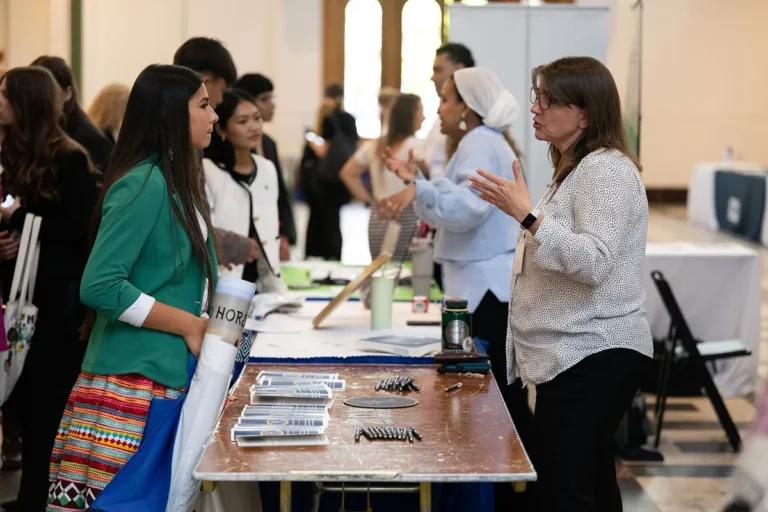
On an early October Saturday, the Millwork Historic District in Dubuque fills with live music, dancers, food stalls and family art tables, and the whole afternoon costs nothing to walk into. That gathering is the Dubuque Latinx Fiesta, organised by Dubuque Unidos, and it has belonged to the city’s autumn since its inaugural edition in twenty twenty-one. One point of naming deserves to be plain from the start: every layer gathered for this article, from the organiser’s own site to a local magazine’s event listings and an event-listing layer, calls the event the Dubuque Latinx Fiesta, and none of them adds the trailing word that the sheet title carries. The body of this article therefore uses the name as published. What the record documents in full is a young, free, single-afternoon festival: an outdoor and indoor celebration in twenty twenty-five, then a twenty twenty-six edition that put a mariachi group at the front of the stage for the first time in the fiesta’s history, alongside a folklorico ballet company, a returning salsa act and a partner art exhibition at the Dubuque Museum of Art.
About the Dubuque Latinx Fiesta
The Dubuque Latinx Fiesta is the work of Dubuque Unidos, the organiser named on its own site and in a local magazine’s account of the event. The organiser’s site notes that it operates under a Dubuque County fine arts society organised as a non-profit, and its support page describes the fiesta as providing a free cultural experience for all attendees. In twenty twenty-six, the magazine layer states, the fiesta was organised by Dubuque Unidos in partnership with the Dubuque Museum of Art, which stands inside the same historic district and hosted a partner exhibition during the event. The setting is the Millwork Historic District, Dubuque’s old industrial quarter, and a partner organisation’s poster layer places the fiesta there on Jackson Street. Dubuque is the county seat of Dubuque County. The published programme is built from Latinx live music, dance performances, cuisine and local vendors, with art woven through both documented editions: an exhibit of Indigenous and Latinx artists in twenty twenty-five, and the museum partnership the year after.
Quick Facts
| Item | Detail |
| Published name | Dubuque Latinx Fiesta; no layer read adds the sheet title’s trailing word |
| Host town | Dubuque, the county seat of Dubuque County |
| Venue | The Millwork Historic District, on Jackson Street |
| Partner venue | The Dubuque Museum of Art, inside the district, in twenty twenty-six |
| Organiser | Dubuque Unidos |
| First edition | Twenty twenty-one, recorded by an encyclopaedia layer |
| Twenty twenty-five edition | Saturday the eleventh of October, one to seven in the afternoon |
| Twenty twenty-six edition | Saturday the third of October, one to seven in the afternoon |
| Admission | Free, as the organiser’s own support page describes the fiesta |
History
An encyclopaedia layer holds the earliest account of the fiesta. It records that the inaugural Latinx Fiesta was organised in twenty twenty-one, and it describes what that first edition carried: dance performances, food, and producers from local Latino-owned businesses, with services from Dubuque Latino organisations. That single layer is the foundation the rest of the record builds on, and this article keeps the founding details at exactly the depth that layer gives them. Dubuque is the county seat, and its Latino organisations and businesses were the fiesta’s first producers and helpers, so the event began as a community presenting itself in its own home ground. The layers then run quieter until a partner organisation’s poster for twenty twenty-five, which shows a fiesta grown into a full afternoon, outdoor and indoor, running from one to seven, with Latinx live music, dancers and vendors joined by a food-eating contest, family art making and games, an art exhibit featuring Indigenous and Latinx artists, and an evening after party for those twenty-one and over. By twenty twenty-six, an event-listing layer reproducing the organiser’s announcement and the local magazine layer together describe another step forward: for the first time in the fiesta’s history a mariachi group opened the stage, a folklorico ballet company travelled in from Cedar Rapids, a salsa act returned, and the Dubuque Museum of Art stood as partner with an exhibition of its own. Read in sequence, the layers trace a festival rooted in local businesses and organisations in twenty twenty-one that was programming visiting companies and a museum partnership five years later, while holding onto its free afternoon shape.
What to Expect
The documented programme spreads across two editions, and each element belongs to the year and the layer that printed it. For twenty twenty-five, the partner organisation’s poster lists Latinx live music and dancers through the afternoon, vendors, a food-eating contest, family art making and games, and an art exhibit featuring Indigenous and Latinx artists, with the gathering moving between outdoor and indoor space in the Millwork District and a twenty-one-and-over after party following in the evening. For twenty twenty-six, the event-listing layer and the local magazine layer describe a stage opened, for the first time in the fiesta’s history, by a mariachi group, then a folklorico ballet company from Cedar Rapids and a returning salsa act, with cuisine, local vendors, art, live music and dance performances filling the afternoon. The same twenty twenty-six layers place a partner art exhibition at the Dubuque Museum of Art, free of charge during the event, so the district’s museum becomes part of the fiesta rather than a backdrop to it. A visitor going by this record should picture one compact afternoon rather than a sprawling fairground: a stage, food and vendor stalls, art indoors and out, and children’s art making and games folded into the same few hours.
Planning Your Visit
Both fully documented editions point a visitor the same way. Each fell on an early October Saturday, the eleventh of October in twenty twenty-five and the third of October in twenty twenty-six, and each ran from one to seven in the afternoon, so the fiesta is an afternoon’s commitment rather than a whole day’s. Admission carries no charge: the organiser’s own support page frames the fiesta as a free cultural experience open to all attendees, and the twenty twenty-six layers add that the partner exhibition at the Dubuque Museum of Art was free during the event as well. The ground to aim for is the Millwork Historic District, where the poster layer sets the fiesta on Jackson Street and the museum stands within the same district, giving the day two settings that play off each other, the street celebration outside and the exhibition indoors. Families reading the twenty twenty-five poster will note the art making and games aimed at children, while adults weighing the evening should note that the same poster’s after party was limited to those twenty-one and over. Each edition’s particulars arrive through that year’s own announcements, so the sensible preparation is to read the organiser’s current announcement and match the afternoon to it.
For a useful comparison, see the Dubuque County Iowa Dragon Boat Festival for another county festival.
A Sample Afternoon at the Fiesta
The twenty twenty-six edition offers the clearest shape to walk through, since two layers describe it. Arriving at one in the afternoon puts a visitor in the Millwork District as the stage opens, and that year the opening belonged to a mariachi group, the first time in the fiesta’s history that one had led the programme. The middle of the afternoon belongs to the dance floor and the food stalls in turn: the folklorico ballet company from Cedar Rapids and the returning salsa act anchor the stage, while cuisine and local vendors fill the gaps between performances. Somewhere inside those same hours, the partner exhibition at the Dubuque Museum of Art waits a short walk away within the district, free of charge during the event, and stepping into it trades the street’s noise for the fiesta’s quieter half. By seven in the evening the documented programme closes, and the afternoon ends where it began, among the millwork buildings. Every piece of that walk comes from the twenty twenty-six layers; other years arrange the same ingredients in their own order.
How the Fiesta Compares
Iowa holds several Latino festivals, and a state bulletin layer lists them as distinct events rather than editions of one another. The Festival Latino of Cedar Rapids belongs to that city, and the same is true of Iowa’s Latino Heritage Festival in Des Moines and the Clive Latino Festival in Clive; each is a separate celebration in its own community, and none of them is the Dubuque event under another name. The fiesta does share a stage tradition with the Cedar Rapids festival in one small way documented for twenty twenty-six, when a folklorico ballet company from Cedar Rapids travelled to perform in Dubuque, but a visiting company does not merge two festivals into one. Closer to home, a University of Dubuque African-Caribbean-Latino festival dating from twenty fourteen is a separate, older campus event, not an ancestor of the Dubuque Unidos fiesta, whose own first edition the encyclopaedia layer places in twenty twenty-one. The Dubuque Latinx Fiesta is therefore best understood on its own terms: the youngest and most local of the state’s Latino festivals in this record, built by the community it celebrates.
A Checklist for the Afternoon
- Aim to arrive near one in the afternoon, when the documented editions opened their programmes
- Keep the whole afternoon free, since both documented editions ran until seven
- Plan time inside the Dubuque Museum of Art for the partner exhibition during the event
- Bring an appetite for the cuisine stalls and the local vendors between performances
- If children are coming, look for the family art making and games the twenty twenty-five poster listed
- Remember that the evening after party in twenty twenty-five was for those twenty-one and over only
- Read the organiser’s announcement for the current year before setting out, since each edition’s lineup arrives through its own layers
Beyond the Fiesta
The fiesta’s own ground rewards a slower look outside the programme hours. The Millwork Historic District, the old industrial quarter where the poster layer places the gathering on Jackson Street, gives the afternoon its brick-and-warehouse character, and the Dubuque Museum of Art stands within the district as the event’s partner rather than a separate destination. A visitor who comes for the music and stays for the museum has, in effect, seen the two halves of the twenty twenty-six edition as its organisers arranged them. Beyond that, this article stays inside its record, and the wider city’s attractions belong to other pages.
Why the Fiesta Matters
A festival organised by the community it celebrates carries a different weight from one staged about that community from outside. Dubuque Unidos built the fiesta from its own ground up: the encyclopaedia layer’s account of twenty twenty-one has local Latino-owned businesses producing and Dubuque Latino organisations serving at the very first edition, and the later layers show that local base widening rather than being replaced, drawing in a visiting folklorico company, a returning salsa act, a first mariachi opening and a museum partnership while the afternoon stayed free. For a county seat in eastern Iowa, the fiesta gives the city’s Latino culture a public stage of its own in a historic district, one October Saturday at a time, and the documented record shows that stage being used with growing confidence year by year.
Frequently Asked Questions
Did a mariachi group really open the fiesta for the first time in twenty twenty-six?
Yes, on the account of the twenty twenty-six layers. Both the event-listing layer reproducing the organiser’s announcement and the local magazine layer describe that year’s stage as opened, for the first time in the fiesta’s history, by a mariachi group, ahead of a folklorico ballet company from Cedar Rapids and a returning salsa act.
When did the Dubuque Latinx Fiesta begin?
An encyclopaedia layer records that the inaugural Latinx Fiesta was organised in twenty twenty-one. That first edition featured dance performances and food, with producers from local Latino-owned businesses and services from Dubuque Latino organisations; fuller documentation begins with the editions of twenty twenty-five and twenty twenty-six.
Who organises the Dubuque Latinx Fiesta?
The organiser’s own site and the local magazine layer both name Dubuque Unidos. The magazine layer adds that in twenty twenty-six the fiesta was organised by Dubuque Unidos in partnership with the Dubuque Museum of Art, and the organiser’s site notes that it operates under a Dubuque County fine arts society organised as a non-profit.
What was there for families at the twenty twenty-five edition?
The partner organisation’s poster for twenty twenty-five lists family art making and games among the afternoon’s offerings, alongside Latinx live music, dancers, vendors, a food-eating contest and an art exhibit featuring Indigenous and Latinx artists. The same poster kept the evening after party for those twenty-one and over, so the afternoon and the evening were aimed at different crowds.
What to Expect From the Next Dubuque County Iowa Latinx Fiesta Festival
How often is Dubuque County Iowa Latinx Fiesta Festival held?
The documented pattern is one edition a year on the evidence gathered here: an inaugural fiesta in twenty twenty-one, then editions documented on single October Saturdays in twenty twenty-five and twenty twenty-six, each running one afternoon. The layers do not print a formal rule of frequency, so the honest answer rests on those documented editions and their yearly rhythm.
When is the next Dubuque County Iowa Latinx Fiesta Festival?
No fixed date for a coming edition appears in the layers gathered for this article. What the record offers is the shape the recent editions took: an early October Saturday, the eleventh of October in twenty twenty-five and the third of October in twenty twenty-six, from one to seven in the afternoon in the Millwork Historic District, with each year’s date arriving through that year’s own announcement.
Will the dates change?
They already move within their pattern. The two fully documented editions landed a week apart on the calendar, on the eleventh of October one year and the third of October the next, while holding the same Saturday afternoon hours and the same district. A future edition keeping the pattern could still shift its exact Saturday, so the organiser’s announcement for the year in question is the authority to trust.
Closing Thoughts
The Dubuque Latinx Fiesta is a small festival with a clear documentary trail: a community organisation’s free afternoon in the Millwork District, begun in twenty twenty-one, and documented in its maturity by posters, listings and magazine accounts that agree on its shape. Mariachi at the front of the stage, folklorico and salsa behind it, art in the museum and food along the street — the record shows a fiesta that knows what it is, and Dubuque’s October is the richer for it.