Douglas County Illinois Douglas County Fair Festival
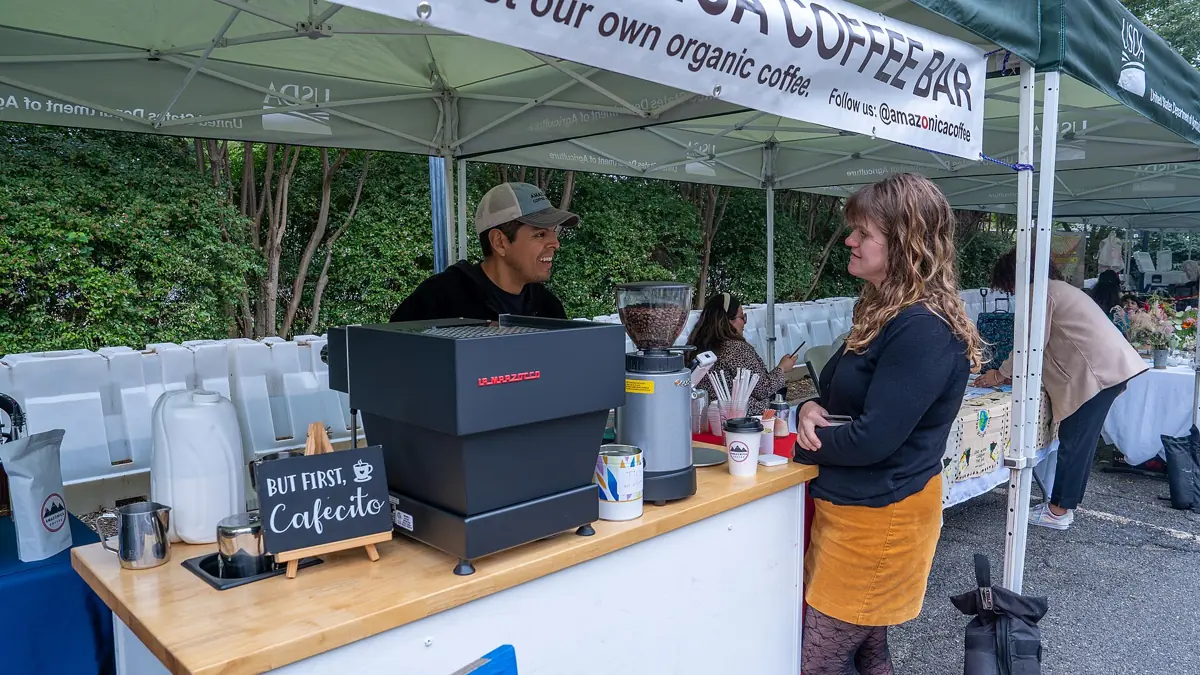
The Hollis family’s day begins before the sun has burned the dew off the corn. It is a summer morning in Douglas County, Illinois — 417 square miles of flat, generous farmland — and the truck is already loaded with sunscreen, a cooler, and two kids who have been talking about the fair since the last day of school. By the time they roll into Tuscola, the county seat, volunteers are waving cars into rows, and the smell of sausage, coffee, and frying dough is drifting across the grounds.
One Family, One Long Summer Day at the Douglas County Fair
Their first stop is always the barns, where the day’s rhythm is already set: buckets, braided halters, the low murmur of animals being washed and brushed before judging. The older child has a rabbit entered in a youth class and spends the first hour checking and rechecking the entry card taped to the cage. The younger one is more interested in the calves, and in whether anyone will let him scratch one behind the ear.
By mid-morning they are in the exhibit hall, where a whole county summer has been quietly judged and laid out: quilts, canned peaches, enormous zucchini, black-and-white photographs, a model bridge built from matchsticks. The grandmother reads every ribbon like a newspaper. The grandfather finds a bench in the shade and holds the coats.
Afternoon belongs to lemonade shake-ups and the midway. The kids ride until they are dizzy, the parents split a bucket of fries, and everybody studies the evening schedule taped to the side of a trailer. Somewhere between the tractor display and the funnel cake stand, the family runs into three other families they know, which is what a county fair in a county of 19,740 people is really like.
By the time the grandstand lights come on, everyone is sunburned and content. They leave with a stuffed animal, a participation ribbon, and a plan to come back next summer. That is the Douglas County Fair: not an attraction you visit so much as a day you spend.
For another look at how a community turns its own traditions into a gathering, see the Douglas County Illinois Arcola Broom Corn Festival for a useful comparison.
Douglas County Fair Basics Before You Head to Tuscola
| Festival | Douglas County Fair |
| Area | Douglas County area, Illinois |
| County seat | Tuscola |
| County population | 19,740 |
| County land area | 417 square miles |
| County founded | 1859 |
| Region | East-central Illinois, on the Grand Prairie |
| Typical timing | Summer, usually a run of days in July or early August |
| Admission | Generally no gate fee to walk the grounds; any ticketed events are announced locally |
| Setting and features | Agricultural fairgrounds with livestock barns, exhibit halls, a grandstand, midway rides, and food stands |
What the Douglas County Fair Is, in Plain Terms
The Douglas County Fair is the county’s annual agricultural gathering — part livestock show, part reunion, part small-town carnival. It happens in the Douglas County area, anchored by Tuscola, the county seat, and it exists primarily because farm families, 4-H members, and local businesses want one week a year when everyone is in the same place at the same time.
That means the fair is built around competition and exhibition rather than spectacle. Animals are judged. Projects are scored. Cakes and cucumbers get ribbons. Around those core events, a fair board and a small army of volunteers layer in food stands, entertainment, rides, and a grandstand program. The result is a fair that feels less like a ticketed attraction and more like a very large, very organized neighborhood picnic with livestock in it.
For visitors from outside the county, the appeal is exactly that texture. You are not watching a performance of rural life; you are standing in the middle of it, holding a lemonade, while a nine-year-old walks a sheep past you with tremendous seriousness.
From an 1859 County to a Summer Fair Tradition
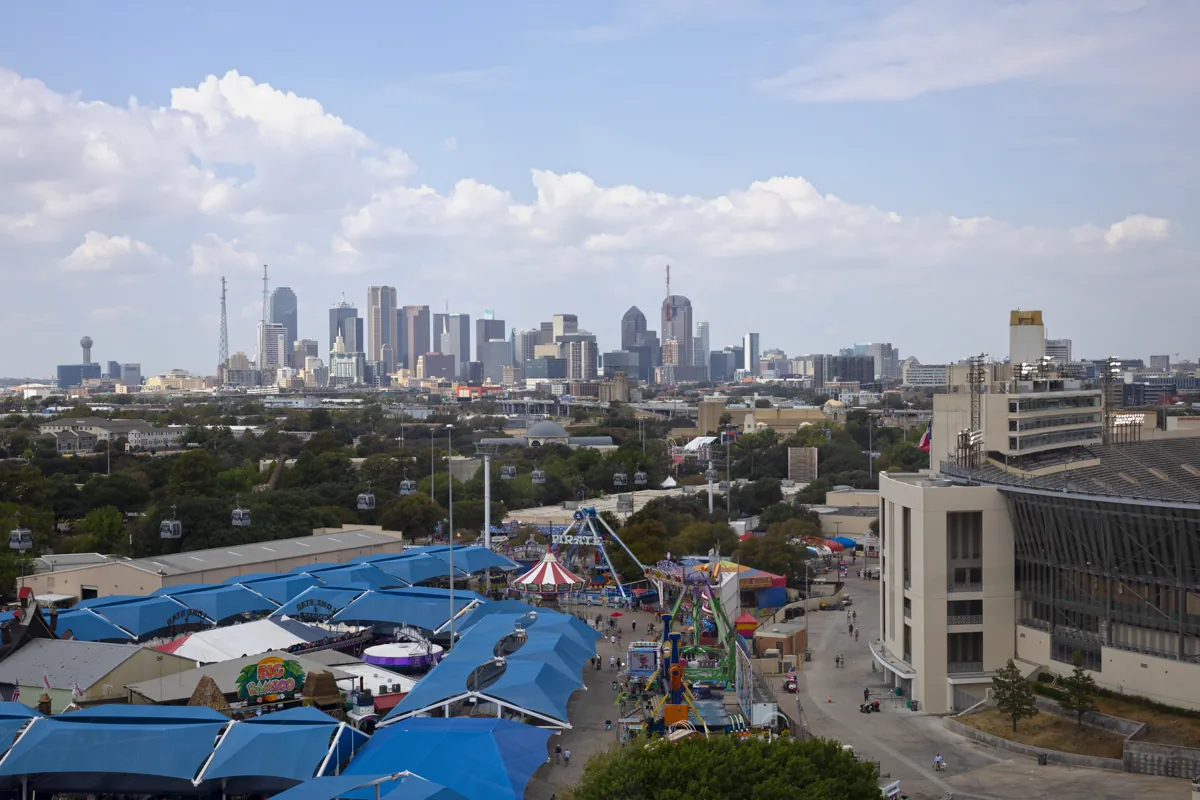
Douglas County was founded in 1859, in the years when Illinois prairie towns were being platted, named, and connected by rail. Tuscola became the county seat, and the surrounding townships settled into the pattern that still defines the place: corn and soybeans, small towns a few miles apart, and a county-wide habit of showing up for each other.
County fairs across Illinois grew out of that same era and that same instinct. Agricultural societies formed to spread better farming methods, and the annual fair became the natural showcase — a place to compare livestock bloodlines, test new implements, and let the whole county see what a good year looked like. Over the twentieth century, 4-H and Future Farmers of America clubs folded youth competition into the program, and the fair became as much about kids as about crops.
The Douglas County Fair follows that arc. Its modern shape — barns, exhibit halls, a grandstand, a midway, a week of shared meals — is the accumulated result of generations of local volunteers who kept the thing running. Fairs like this one rarely survive because of money; they survive because a county decides they matter.
What Happens on the Douglas County Fairgrounds
A day at the fair divides neatly into three zones: the food, the entertainment, and the activities that keep children busy long enough for adults to sit down.
Fair Food, From Pork Chops to Lemonade Shake-Ups
Fair food here is the classic Midwestern lineup, and it is best approached as a grazing strategy rather than a single meal. Expect pork producer sandwiches, grilled tenderloins, corn dogs, walking tacos, elephant ears, funnel cakes, homemade pies, and the frozen lemonade stands that seem to anchor every aisle. Local church groups and civic organizations typically run stands of their own, which means the money you spend on a slice of pie often goes straight back into the county.
Grandstand Nights and Local Entertainment
Evenings bring people to the grandstand. Programs vary from year to year and often include motorsports, tractor pulls, or musical acts, with local and regional performers filling other slots around the grounds. Smaller stages and open spaces host talent shows, contests, and announcements of the day’s winners. The schedule is posted on site and circulated locally, so the practical move is to check what is running the week you plan to attend and build your evening around it.
Livestock Barns, 4-H Exhibits, and the Midway
For families, the barns and the exhibit hall do the heavy lifting. Children can watch animals being fitted and shown, ask questions of exhibitors, and see projects made by kids their own age — photography, woodworking, baking, gardening, and more. The midway provides the rides and games, usually busiest in the late afternoon and after dark. Add a petting area, a tractor display, and a few benches in the shade, and you have a full day without ever leaving the grounds.
Planning a Douglas County Fair Trip
Getting to the Douglas County Area
Tuscola sits in east-central Illinois along the Interstate 57 corridor, which makes the county an easy drive from Champaign-Urbana, Decatur, Mattoon, and the surrounding small towns. Most visitors arrive by car, and the approach into town is straightforward. If you are coming from out of state, flying into a regional airport and renting a car is the simplest route.
Where to Stay Near Tuscola
Lodging in the immediate area is limited, so book early once fair week approaches. Options include the small hotels and motels clustered near the interstate in and around Tuscola, plus a handful of guest accommodations in neighboring communities. Many families skip hotels entirely and stay with relatives — a long-standing fair tradition — while others base themselves in Champaign-Urbana and drive in for the day.
Parking Around the Fairgrounds
Parking is generally handled on and around the grounds, with volunteers directing traffic during the busiest hours. Arrive before mid-afternoon if you want a short walk, and expect a longer one during grandstand events. Follow the posted signs and the direction of the volunteers rather than your own sense of the shortest route.
Admission and What Things Cost
Admission is typically free, with costs concentrated in food, rides, games, and any separately ticketed grandstand events. Bring cash — some stands and vendors still prefer it — and set a rough budget for the kids before you walk in, because the midway is designed to be irresistible. Carnival ride wristbands, where offered, are usually the better value for children who plan to ride repeatedly.
Summer Weather and What to Bring
Fair weather in Illinois in midsummer is hot, humid, and prone to sudden thunderstorms. Wear light clothing, bring hats and sunscreen, and carry a refillable water bottle. A light rain jacket or a poncho takes up almost no space and saves an afternoon. The barns are warm, the exhibit halls are usually cooler, and shade is a valuable commodity — plan your day around it.
A Sample Douglas County Fair Weekend, Friday to Sunday
Friday afternoon and evening: Arrive after lunch to avoid the earliest crowds. Walk the barns while animals are being prepared, tour the exhibit hall, and let the kids ride the midway before dinner. Eat at the food stands, then settle in for the grandstand program. This is the best evening for first-timers because the fair is lively but not yet at weekend peak.
Saturday: Come early for the livestock shows and stay through the afternoon. Break up the heat with a long stop in the exhibit hall, a cold drink, and a shaded bench. Late afternoon is the time for games and rides; evening is for the grandstand and one last funnel cake. Saturday is the busiest day, so plan parking accordingly.
Sunday: A slower, family-oriented day. Revisit whatever your kids loved most, catch any remaining shows or awards, and take a final lap through the barns before exhibitors pack up. Leave mid-afternoon to beat the drive home and to end the weekend on a relaxed note rather than a tired one.
How the Douglas County Fair Compares With Nearby Towns
Arcola, a short drive east, is known for its broom corn heritage and for community celebrations that draw visitors from across the region — a good pairing if you want two small-town events in one trip. Arthur, to the northwest, offers a different flavor entirely, with its Amish community, bakeries, and country stores making a natural half-day excursion. Champaign-Urbana, up the interstate, provides the opposite experience: bigger venues, more restaurants, and a wider choice of hotels for anyone basing a trip around the fair.
The Douglas County Fair sits comfortably between those poles. It is smaller and more agricultural than a city festival, larger and more organized than a single-town street dance, and rooted firmly in the county it serves.
A Day-Planning Checklist for Douglas County Fair Families
Before you leave: check the current schedule online or in the local paper; confirm whether any grandstand events require separate tickets; charge phones and pack a battery pack; fill water bottles; apply sunscreen at home, not in the parking lot; and set a cash budget for rides and food.
In the bag: hats, sunglasses, sunscreen, a light rain layer, wet wipes, a small first-aid kit, a tote for ribbons and prizes, and a change of clothes for small children who will inevitably find something muddy. Leave pets at home, and remember that animals on the grounds are working animals — ask before touching.
Beyond the Fairgrounds: Douglas County the Rest of the Year
Douglas County rewards a slow drive. Tuscola has a compact, walkable downtown with the kind of storefronts that survive on local loyalty, plus the murals and small landmarks that tell you a town is paying attention to itself. The countryside is the real attraction: flat, expansive farmland with big skies, backroads that run straight for miles, and small communities — Arcola, Arthur, Villa Grove, Newman, Oakland — each with its own diners and grain elevators.
If you have an extra day, spend it on the backroads and in the small-town restaurants. Order pie. Talk to people. In a county of 19,740, conversation is not a tourist activity; it is the local pastime.
Why the Fair Still Anchors Douglas County Summers
A county fair does something no other event does: it puts a whole county in one place. For a few days each summer, farmers, teachers, retirees, teenagers, and small children share the same gravel paths and the same long benches. Teenagers who spend the rest of the year in different schools compare notes. Grandparents watch grandchildren lead animals into a ring, which is exactly what they did decades earlier.
That continuity is the point. The fair is where the county’s work — the growing, the raising, the building, the baking — gets publicly noticed, and where the people doing it get a week of company. It is also an economic event for local vendors, churches, and clubs, many of which rely on fair week as their largest fundraiser of the year.
Tuscola and the Fairgrounds on the Douglas County Map
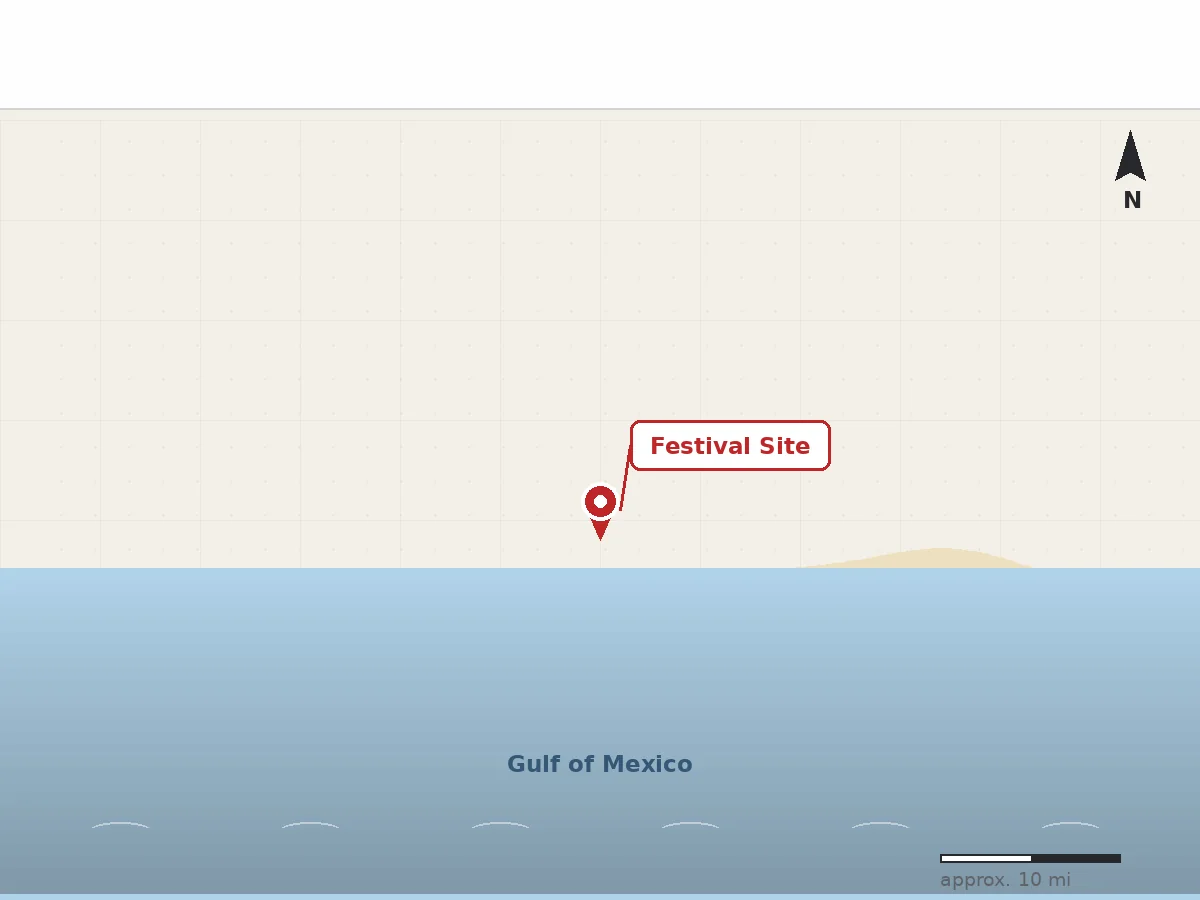
The Douglas County Fair takes place on the fairgrounds in the Douglas County area, in and around Tuscola, the county seat, in east-central Illinois.
What Families Ask Before Their First Douglas County Fair
When is the Douglas County Fair usually held?
It is a summer event, generally falling in a stretch of days in July or early August. Because the exact dates shift from year to year, confirm the current schedule locally before you plan travel, and treat the timing as a season rather than a fixed week.
Is the fair free to attend?
Admission is typically free, and visitors generally pay only for food, rides, games, and any separately ticketed entertainment. That structure makes the fair an affordable family outing — the main variable is how much time your children spend at the midway.
Is it a good outing for young children?
Yes, with a few adjustments. Go earlier in the day when it is cooler and quieter, start with the barns and exhibit hall while attention spans are fresh, and save the midway for last. Bring water, wipes, and a stroller that handles gravel, and plan an exit before everyone is overtired.
How do I make the most of one day at the fair?
Pick two anchors — a livestock show and a grandstand event, for example — and let everything else happen around them. Walk the grounds once without buying anything to get your bearings, then commit to a plan. The best moments at a county fair tend to be unplanned ones, so leave room in the schedule for a conversation or a second lap through the barns.
Looking Ahead to Future Douglas County Fairs
The fair’s future depends on the same things it always has: volunteer energy, local sponsorship, and families willing to enter projects and show animals. Fair boards everywhere are working to keep younger generations involved, blending traditional livestock and home economics classes with newer categories that reflect how people actually spend their time.
Last updated: October 2026
For anyone who grew up in Douglas County, the fair is less a calendar event than a marker of the year — the week when the work slows down, the whole county shows up, and a kid who has spent months brushing a rabbit finally gets to walk into the ring. Plan a visit, bring cash for pie, and give yourself the whole day. Tuscola and the surrounding townships will handle the rest.
One Comment