Cook County Illinois Chicago House Music Festival
Chicago gave the world a dance music of its own, and the city eventually built a festival around that inheritance. The Chicago House Music Festival is a city production staged most memorably in Millennium Park, where DJ sets and live performances run beneath the Jay Pritzker Pavilion while the companion conference talks through the genre’s history nearby. One honest caveat belongs at the front: the genre this festival celebrates is decades older than the festival record itself. House music was created in Chicago back in the nineteen eighties, yet the earliest edition of this festival that the published layers document took place in twenty eighteen, and no layer read pins down the year the festival itself began.
About the Chicago House Music Festival
The festival is produced by the Chicago Department of Cultural Affairs and Special Events, which makes it a municipal event rather than a commercial promotion. Admission has been free in every layer read, the programming pairs local artists with national names, and the event carries an educational arm in the Chicago House Music Conference, where panels and a symposium examine the genre’s history, culture and business. The published name shifts slightly between layers. City material from twenty eighteen and twenty twenty-four calls it the Chicago House Music Festival, while a city announcement from twenty twenty-two and a local report layer from twenty twenty-six use the fuller form Chicago House Music Festival and Conference. Both forms stand as printed. Chicago, the host city, is also the county seat of Cook County. The home ground in the city layers is Millennium Park, centred on the Jay Pritzker Pavilion with additional stages along the promenades, while the Chicago Cultural Center hosts the conference side of the programme.
Quick Facts
| Item | What the record shows |
| Published name | Chicago House Music Festival |
| Fuller published form | Chicago House Music Festival and Conference |
| Host city | Chicago, the county seat of Cook County |
| Produced by | Chicago Department of Cultural Affairs and Special Events |
| Home venue | Millennium Park, centred on the Jay Pritzker Pavilion |
| Conference venue | Chicago Cultural Center |
| Earliest documented edition | Saturday twenty-six May twenty eighteen |
| Other documented editions | September twenty twenty-two, June twenty twenty-four, August twenty twenty-six |
| Admission | Free in every layer read |
| Festival’s first year | Not stated in any layer read |
A History Written Only From Twenty Eighteen
The documented story opens on Saturday twenty-six May twenty eighteen, when the festival filled Millennium Park from one in the afternoon until nine in the evening and expanded that year to three stages. City releases from that spring describe DJ sets and live performances across the styles of house music, a Vinyl Records Fair, dance performances and a footwork dance event, with the conference running at the Chicago Cultural Center. Nothing in the layers read reaches back before that day with an earlier edition or a founding announcement, so the festival’s own beginnings stay unwritten here.
Behind the festival stands a far longer musical history, and the city layers tell it as background rather than biography. House music was created in Chicago in the nineteen eighties by DJ Frankie Knuckles and others gathered around the Warehouse club, and it grew from those rooms into a global dance culture. That is the genre’s origin story. It explains why Chicago stages this festival, but it does not date the festival.
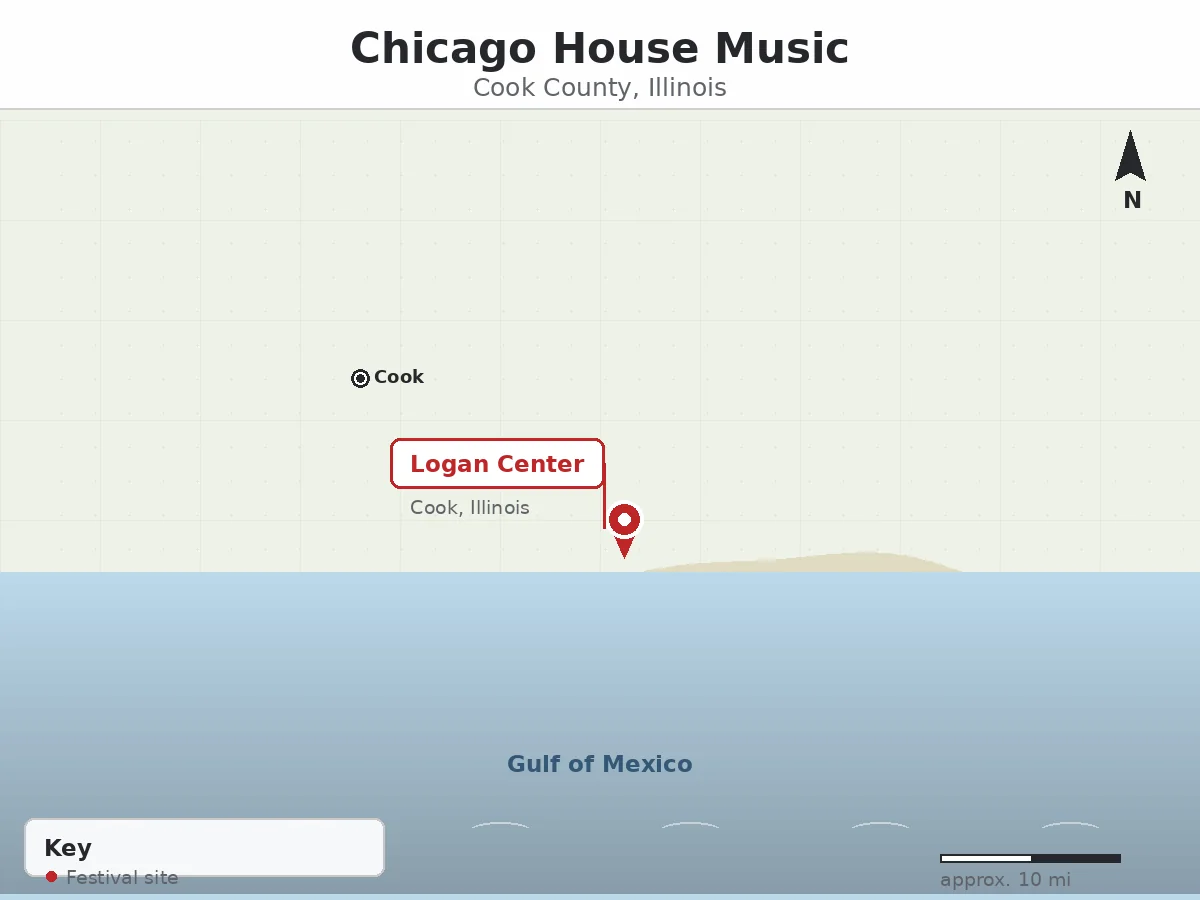
The organiser’s own announcement in twenty twenty-two supplies the next stretch of the timeline: the festival was held entirely online in twenty twenty because of COVID-19, was reimagined in twenty twenty-one, and returned in person in twenty twenty-two. That edition ran from fifteen to eighteen September under the fuller Chicago House Music Festival and Conference name, spreading beyond Millennium Park into venues across the city, including a symposium at the Logan Center for the Arts at the University of Chicago. Dance performances and the footwork event appear again in that year’s fenced programme.
For a useful comparison, see the Cook County Illinois World Music Festival for another county festival.
In twenty twenty-four the festival came back to Millennium Park on Sunday two June, running from ten in the morning until nine in the evening, with a Cultural Center open house on thirty May and the conference itself on thirty-one May as a two-step run-up. The city’s programming that year celebrated forty years of house music, a milestone belonging to the genre’s long arc since the nineteen eighties and not to this festival’s own lifespan. The city release also presented the festival as part of Millennium Park’s twentieth anniversary season. Against that framing, one low-trust aggregator layer claimed the festival would make its twentieth return in twenty twenty-four; the claim clashes with the city’s own presentation, survives here only as a disowned piece of garbling, and deserves no weight as evidence.
The most recent documented edition rests on weaker paper than the city releases. A local report layer, written after the fact, describes a free four-day programme from twenty-seven to thirty August twenty twenty-six with more than forty DJs and artists, spread across Daley Plaza, the Chicago Cultural Center, Grant Park, Millennium Park and the Chicago Riverwalk. That spread is that layer’s form of the event, recorded as reported, and it is the latest entry in the documented run.
What to Expect
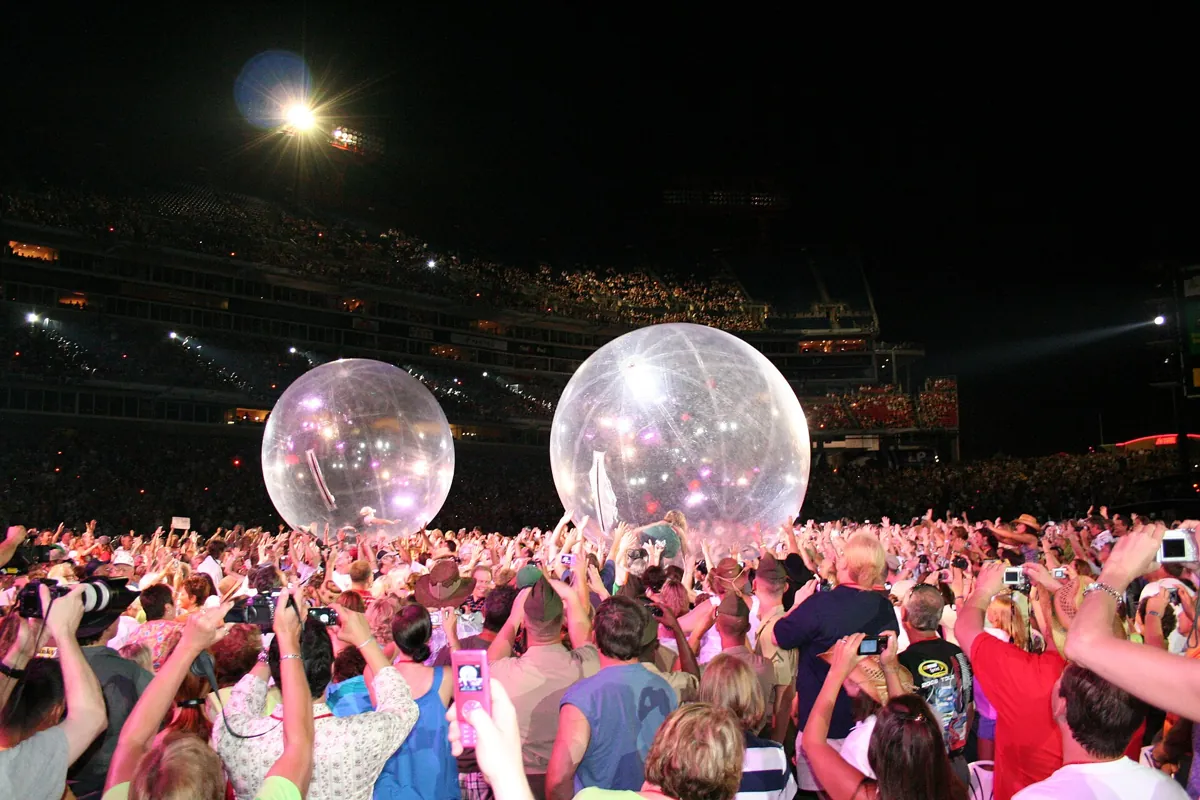
A documented edition of this festival is built from sound first. DJ sets anchor the programme, joined by live performances that move across the many styles house music has gathered under its name, with local artists billed alongside national ones. In twenty eighteen the park programme expanded to three stages, and the promenade stages around the Jay Pritzker Pavilion give the day a wandering quality, letting a listener drift from one sound to another without leaving Millennium Park.
Around the music sit the components the layers name individually. The Chicago House Music Conference brings panels and a symposium on the genre’s history, culture and business, turning part of the weekend into a classroom for the culture the DJs soundtrack. A Vinyl Records Fair appeared as a component in twenty eighteen. Dance performances and a dedicated footwork dance event, documented in twenty eighteen and again in twenty twenty-two, put Chicago’s own dance traditions on stage rather than leaving movement to the crowd alone.
Planning Your Visit
Free admission is the consistent thread through every layer read. A city release for twenty eighteen declares that admission to the event is free, the twenty twenty-two announcement describes free events in Millennium Park and in venues across the city, the twenty twenty-four release again presents free programming, and the local report layer calls the twenty twenty-six edition a free four-day program. No layer read publishes any price for this festival, so a visitor’s budget goes on travel and food, not on a gate.
Which ground you are heading for depends on the year’s shape. The city layers of twenty eighteen and twenty twenty-four centre everything on Millennium Park and the Jay Pritzker Pavilion, with the conference at the Chicago Cultural Center, while the twenty twenty-two edition widened across citywide venues and the twenty twenty-six report layer scattered its four days across five named locations. Checking which pattern a year follows matters more than any other preparation. The month moves too: documented editions sit in May, September, June and late August, so no habitual weekend exists to circle in advance. Attendance is a genuine blank — no layer read publishes a crowd figure for any edition, and this article invents none.
A Sample Itinerary From the June Twenty Twenty-four Shape
The twenty twenty-four edition offers the clearest documented shape to plan around, and this itinerary follows only that shape. Begin two days early: on Thursday thirty May, the Chicago Cultural Center holds its open house, a gentle first step into the festival’s world. Give Friday thirty-one May to the Chicago House Music Conference at the same building, where panels and the symposium walk through the genre’s history, culture and business.
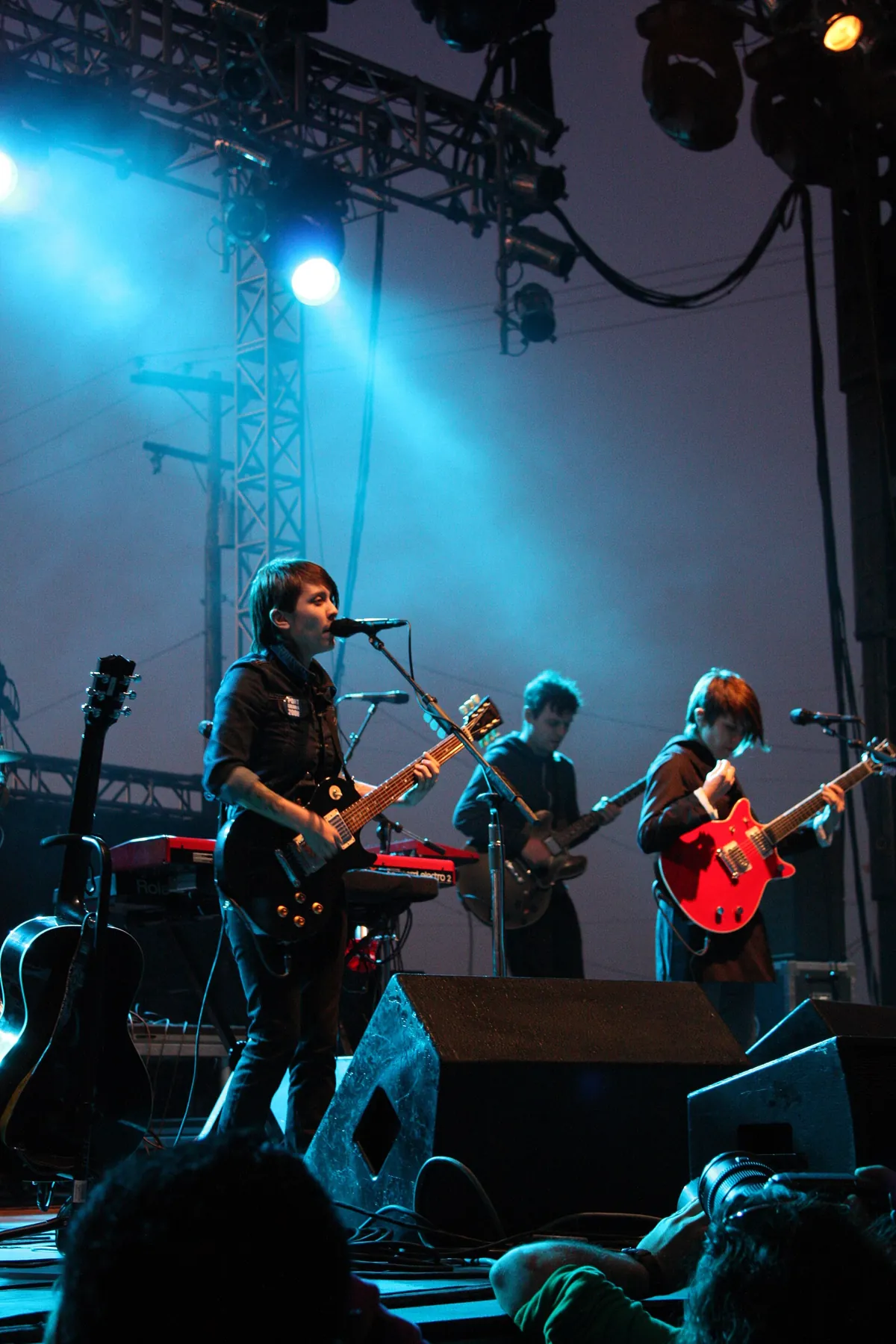
Sunday two June is the festival day itself, with documented hours from ten in the morning until nine in the evening in Millennium Park. Arrive unhurried in the late morning and work the promenade stages as well as the Jay Pritzker Pavilion rather than camping in one spot. Leave the final hours for the pavilion, when the day’s longest sets close out a programme that, in that anniversary year, sat inside a citywide celebration of forty years of house music.
How It Compares With Chicago’s Other House Events
Chicago holds more than one gathering devoted to this music, and the layers keep them carefully apart. The clearest contrast is the ARC Music Festival at Union Park, launched in twenty twenty-one and produced by Auris Presents as a ticketed private festival. The difference is structural: this festival is a free production of the city’s cultural affairs department in Millennium Park, while ARC is a commercial, ticketed undertaking in a different park under a private producer.
A second neighbour is the Chosen Few Picnic and House Music Festival in Jackson Park, running since nineteen ninety under its own organisers, with a longevity this festival’s record cannot claim. A third cluster belongs to the anniversary year: the House Music Forty celebrations and the inaugural House Music Parade and Festival of thirty-one August twenty twenty-four were a nonprofit’s separate events. None of these gatherings is this festival, and none of their histories, prices or organisers belongs in its account.
A Checklist for the Day
- Confirm which shape the year’s edition takes, since documented editions range from a single Millennium Park day to programmes spread across citywide venues
- Note the conference dates separately, because in twenty twenty-four the open house and conference fell on thirty and thirty-one May, ahead of the festival day
- Remember that admission is documented as free in every layer read, with no published price to budget for
- Plan to move between the Jay Pritzker Pavilion and the promenade stages rather than settling in one place
- Give the Chicago Cultural Center its own time if the conference is running
- Leave room for the dance performances and the footwork event where the year’s programme includes them
- Treat any claim about the festival’s age with suspicion unless a city layer stands behind it
Beyond Millennium Park
The documented beyond-the-park element of this festival is its conference. The Chicago House Music Conference, hosted at the Chicago Cultural Center in the twenty eighteen, twenty twenty-two and twenty twenty-four layers, extends the event into panels and a symposium on the genre’s history, culture and business. In twenty twenty-two the reach widened further, carrying a symposium to the Logan Center for the Arts at the University of Chicago. The twenty twenty-six report layer widened the map again in its own telling, placing programme elements at Daley Plaza, Grant Park and the Chicago Riverwalk alongside the park and the Cultural Center. Each wider footprint belongs to its own year’s layer, and none should be read as the festival’s permanent geography.
Why the Festival Carries Weight in Its Home City
House music is one of Chicago’s genuine cultural exports, a sound assembled in this city’s clubs in the nineteen eighties that went on to organise dance floors worldwide. A free festival produced by the city’s own cultural affairs department functions as an official homecoming for that sound: it places the music in Millennium Park, pairs performers with a conference examining the genre’s history and business, and bills local artists alongside national names. The twenty twenty-four edition’s setting inside a citywide celebration of forty years of house music underlines the point. The gap where a founding year should sit shows how recently civic celebration caught up with club history.
Frequently Asked Questions
When did the Chicago House Music Festival itself begin?
The layers read do not say. The earliest edition they document is the Millennium Park day of Saturday twenty-six May twenty eighteen, and nothing read reaches behind that date with a first edition or a founding announcement. The nineteen eighties belong to the creation of house music in Chicago, not to the start of this festival.
Is the conference a separate ticketed event from the festival?
The layers treat the Chicago House Music Conference as the festival’s companion rather than a separate undertaking, and in twenty twenty-two the two were published together under the fuller name Chicago House Music Festival and Conference. Admission across the documented editions is described as free, with free events named in Millennium Park and across the city, and no layer read publishes a price for either element.
Which venues does the festival actually use?
That depends on the year, and the layers give different maps. City layers centre the festival on Millennium Park and the Jay Pritzker Pavilion, with the conference at the Chicago Cultural Center; the twenty twenty-two edition added venues across the city, including the Logan Center for the Arts, and a local report layer for twenty twenty-six spreads its programme across Daley Plaza, the Cultural Center, Grant Park, Millennium Park and the Chicago Riverwalk as that layer’s own form.
How large are the crowds at this festival?
No attendance figure is published in any layer read, for any edition. The record documents dates, venues, hours and programme elements in reasonable detail, but it never counts the audience, so any crowd number circulating elsewhere has no support in these layers.
What to Expect From the Next Cook County Illinois Chicago House Music Festival
How often is Cook County Illinois Chicago House Music Festival held?
The documented editions fall in twenty eighteen, twenty twenty-two, twenty twenty-four and, on a weaker local report layer, twenty twenty-six, with all-virtual and reimagined editions also described for twenty twenty and twenty twenty-one. Gaps and shifts in that sequence mean the record supports a recurring city festival rather than an unbroken annual chain.
When is the next Cook County Illinois Chicago House Music Festival?
The most recent documented entry is the local report layer’s four-day programme of twenty-seven to thirty August twenty twenty-six, and beyond that report the layers read carry no announcement of a further edition.
Will the dates change?
They already have, repeatedly. Documented editions landed in May twenty eighteen, September twenty twenty-two, June twenty twenty-four and late August twenty twenty-six, so the record shows no fixed month and no settled weekend. A future edition could plausibly sit in any of those parts of the calendar, and only its own announcement would settle the question.
Closing Notes
The Chicago House Music Festival asks to be read on the evidence that survives: a free, city-produced gathering in Millennium Park, documented from twenty eighteen, wrapped around a genre Chicago created decades earlier. Keep the two timelines separate, credit the conference as its thinking half, and let the festival’s missing first year stand.