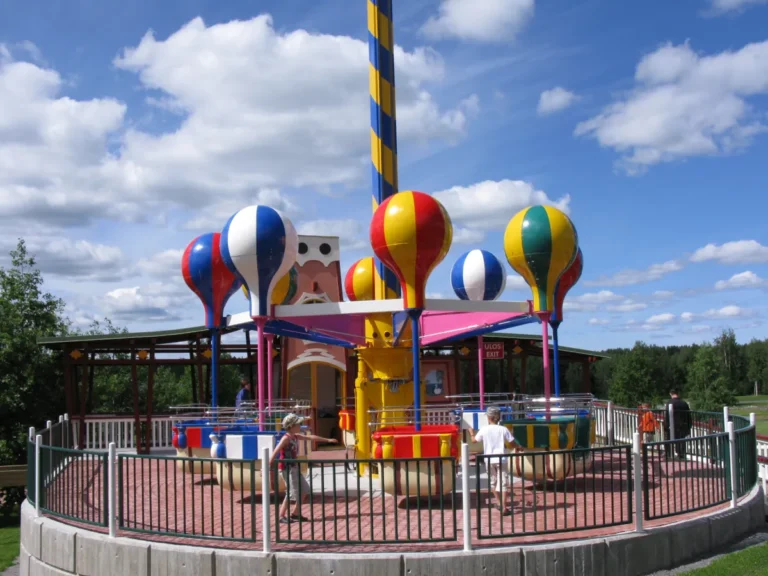
Carver County Minnesota Fair Festival
There are county fairs you stumble across, and county fairs that swallow a town whole. For five days in mid-August, Waconia becomes the second kind. The Carver County Fair fills its grounds in the middle of town, draws crowds that rank it among the highest-attended county fairs in Minnesota, and runs with a confidence summed up in its own boast: the best five days of summer.
The scale is part of the story, but only part. This is also one of the oldest fairs in the state, with a past that wandered between rival towns for seventy years before settling in Waconia for good. The midway is modern and the halls are packed, yet underneath sits a nineteenth-century agricultural society still doing its founding job.
Waconia’s Five-Day County Showcase
Understanding this fair starts with its setting. The fairgrounds sit right in the middle of Waconia, a few blocks from downtown and the lake shore, so the fair never feels parked on a community’s edge. It feels like the community itself, reorganised around barns, halls, a midway and a grandstand.
The programme is correspondingly broad. Gold Star Amusements runs the midway, the grandstand mixes machinery sports with spectacle, and the halls and barns hold the fair’s competitive heart: 4-H exhibits, livestock, home arts and the recognition of Century Farms, held by the same families for a hundred years or more.
Fairgoers planning a mid-August tour of Minnesota often weigh this event against the Carlton County Minnesota Fair Festival up in Barnum: Carlton builds its fair around a racetrack and a small town’s intimacy, while Carver builds its around scale, polish and a town that treats fair week as high season. Both are authentic, in opposite directions.
From Chaska Fields to Waconia Streets: A Fair That Kept Moving
The Carver County Fair began in 1868, when the Carver County Agricultural Society formed in Chaska, then as now the county seat. Later that year the society held its first fair in Chaska, a frontier exhibition where farmers displayed crops and animals and measured themselves against their neighbours. Minnesota had been a state for only ten years, and the fair was among the county’s first public institutions.
What followed was a seventy-year argument about where the fair belonged. It moved from Chaska to the town of Carver, grew from a one-day show into a two-day and then a three-day event, returned to Chaska for stretches, and went back to Carver again, each town certain it was the fair’s rightful home. Carver County’s fight lasted long enough to shape the event’s identity: this fair was worth fighting over.
The argument gained a rival in 1911, when Waconia decided to start a fair of its own. The established society’s name was unavailable, so the Waconia organisers formed a farmers’ cooperative agricultural society instead and built grounds on the southwest shore of Lake Waconia. For a generation the county effectively had competing fair traditions, a rivalry that kept standards high on both sides.
The matter settled in the late 1930s, when the Waconia fair board bought land a few blocks south of the original grounds and held the first fair on the new site in 1939. From that base the event grew steadily into its modern form, passing its 114th edition in 2026. The wandering years explain why the fair sits in the middle of a town, and why Waconia defends it so fiercely.
The Numbers Behind the Best Five Days
The essentials below capture the fair as it operates today: five mid-August days on permanent grounds in Waconia, crowds among the largest of any Minnesota county fair, and pricing that recent seasons have kept firmly in family territory.
| Festival | Carver County Fair |
| Town | Waconia, Minnesota |
| County | Carver County |
| County seat | Chaska |
| Region | Southwestern Twin Cities metropolitan area |
| Typical timing | Five days in mid-August |
| Admission | Recently $9 a day for ages seven and older, with children six and under free; confirm for the current season |
| Setting | Permanent fairgrounds in the middle of Waconia, off Highway 5 |
| Features | Gold Star Amusements midway, grandstand shows, 4-H and livestock exhibits, Century Farms recognition |
| Organizer | Carver County Agricultural Society, founded 1868 |
Midway Lights, Grandstand Roar and Ribbon Halls
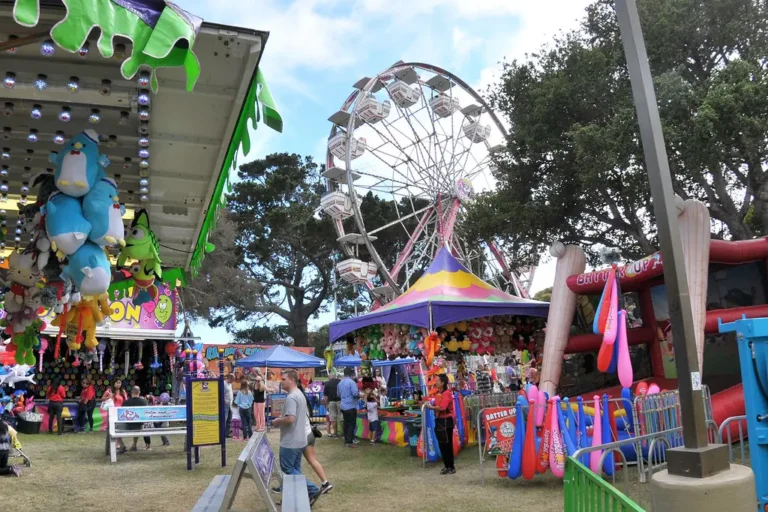
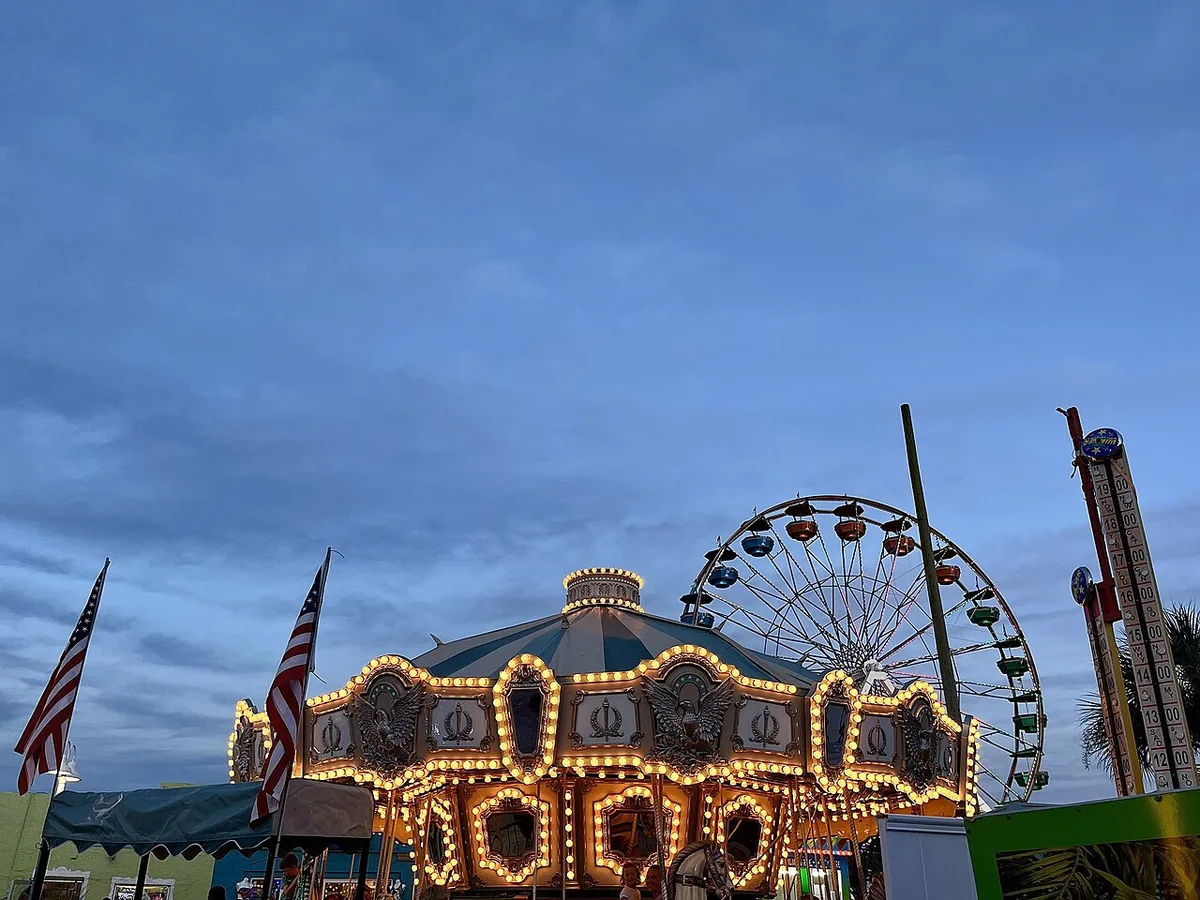
A fair this size has to offer several fairs at once, and Carver’s manages it. Exhibitors can spend five days in the barns and halls, thrill-seekers can live on the midway, and grandstand crowds get a different headline flavour almost every session.
Food stands and the vendor rows
Feeding tens of thousands of fairgoers is a serious operation, and the grounds answer with the full Minnesota repertoire: fair food in its fried and grilled glory, sweet stands doing steady business, and vendors lining the walkways. Local organisations traditionally anchor much of the food offering, keeping the eating half practical, half charitable. Plan to eat more than once.
Grandstand spectacle and stages
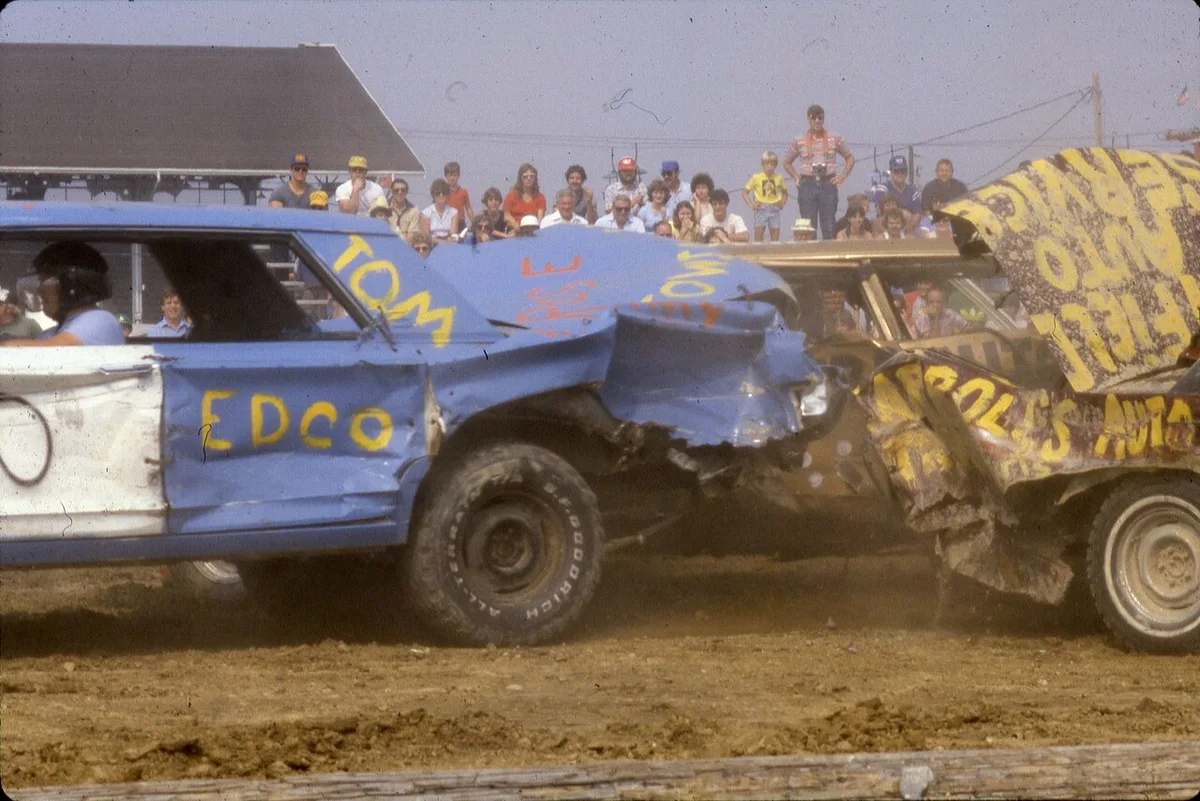
The grandstand programme leans into horsepower of every kind. Motokazie brings motocross racing and jumping, the ATV Big Air Tour sends quad bikes improbably skyward, and tractor pulling plus a demolition derby supply the traditional end of the spectrum, the derby traditionally closing the fair in a crunch of metal. Stages and an amateur talent contest keep music running elsewhere, so the fair rarely has a quiet hour.
Children, animals and hands-on fun
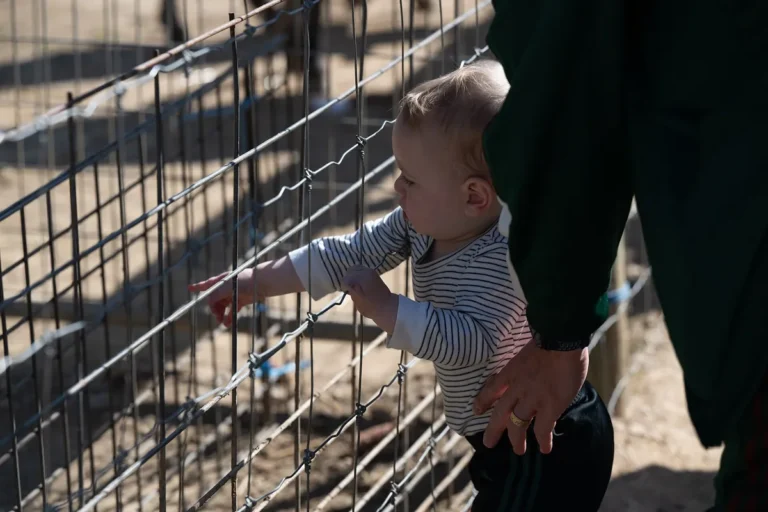
Families are the fair’s core audience, and it shows. Pig races turn a small track into the loudest corner of the grounds, mutton bustin’ gives small children a brief, heavily padded moment of rodeo glory, and the barns offer the slower pleasure of watching 4-H members present animals they raised all year. Gentler midway rides let younger children join the carnival on their own terms.
Making the Most of a Trip to Waconia
Big, popular fairs reward a little strategy. None of it requires military planning, just an awareness that mid-August Waconia runs at full capacity for five days.
Getting to the grounds in the middle of town
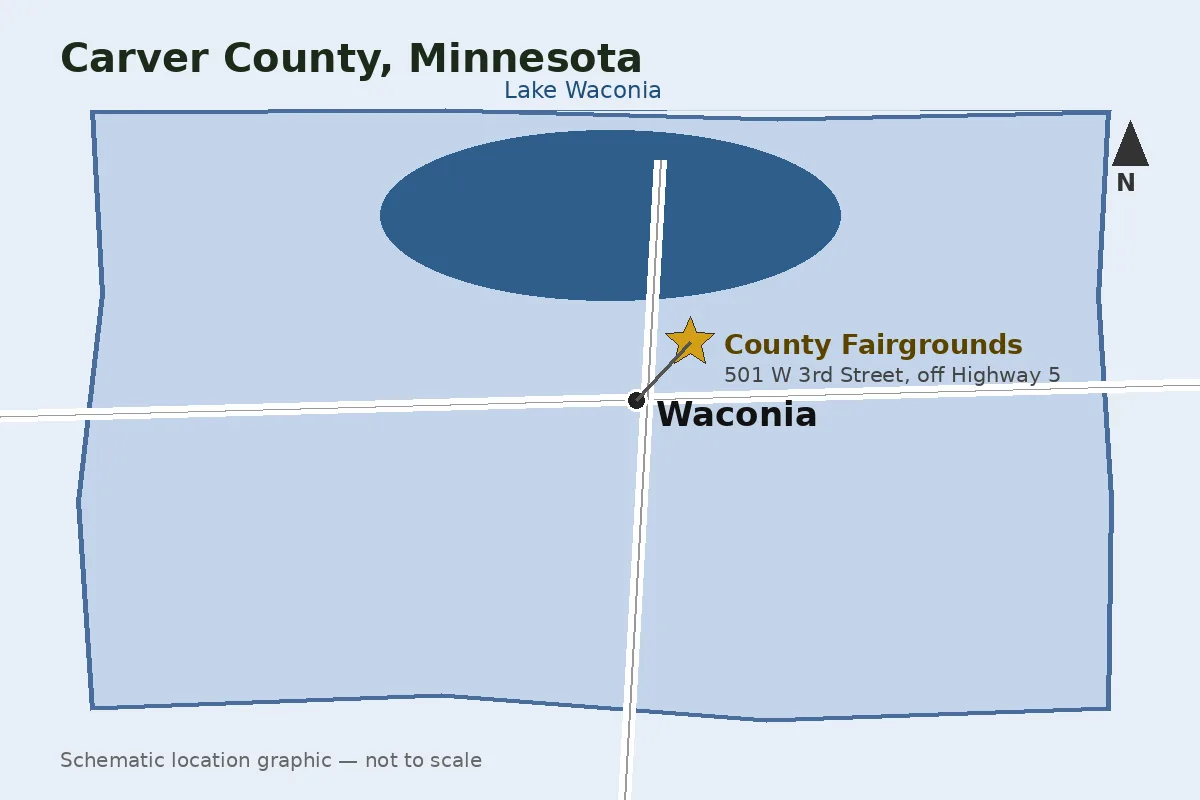
The fairgrounds stand at 501 West 3rd Street in Waconia, reached easily off Highway 5 on the southwestern side of the Twin Cities. Because the grounds sit inside the town, the last few blocks are shared with local traffic, and fair week brings Waconia’s streets to their busiest of the year. Build in a margin, especially for evening grandstand events.
Where to stay in the lake country
Waconia has hotels of its own and fills them during the fair, while the wider western metro, from Chaska and Chanhassen towards the city, offers plenty of alternatives within an easy drive. Visitors wanting the lake at their door can look for rentals around Lake Waconia. August demand argues for booking as soon as your plans firm up.
Camping and RV options
Carver County is lake country, and camping is part of its summer culture, with campgrounds and RV options in the surrounding area. Fair-week demand is heavy and arrangements change, so campers should reserve well ahead rather than arriving on spec. Most visitors treat the fair as a day-and-evening event, based a short drive from the grounds.
Parking and peak-time crowds
This is one of Minnesota’s most popular county fairs, and it feels like it at peak moments: evenings, grandstand changeovers and the final day’s derby. Queues are part of the experience then. Arriving earlier transforms the visit; the halls and food lines are calmest before the afternoon, and families often find a daytime visit the sweet spot.
Admission and the cost of a day
Recent seasons have kept the fair affordable for its size: daily admission has been $9 for visitors aged seven and older, with children six and under admitted free, though prices should be confirmed for the current season. Grandstand events, rides and food cost extra, so a family’s budget depends on how many spectacles and wristbands it collects.
August heat and lake-breeze evenings
Mid-August in Carver County typically brings warm, sometimes humid days and evenings that cool pleasantly near the lake. Sun protection and water matter during unshaded midday hours, and a light layer earns its keep after a night grandstand show. Storms can pass quickly, so pack a compact rain layer.
A Long Weekend at the Carver County Fair
Day one: orient yourself like a local. Walk the full loop of the grounds in the morning, take in the barns and the agriculture and home arts halls while they are fresh, and let the children test the midway early. Choose one grandstand event for the evening, and finish with fair food eaten slowly within earshot of the stages.
Day two: go competitive. Spend the morning with the judging, the 4-H shows and the contests, the fair’s original purpose still running at full strength. Graze the vendor rows in the afternoon, then give the evening to the grandstand’s biggest machinery: motocross, the ATV jumpers or the pulls.
Day three: leave room for the lake. Split the day between a last circuit of favourite exhibits and time in Waconia itself, then return for the closing energy. If your visit reaches the final day, the demolition derby’s traditional role as the fair’s last big roar is a fitting full stop.
Set Beside Its Southern Minnesota Neighbours
Mid-August offers fairgoers in southern Minnesota a genuine choice of styles. West at New Ulm, the Brown County Free Fair eliminates the gate charge altogether and pairs its derbies with a state gladiolus show. At Garden City, the Blue Earth County Fair keeps a smaller, older-fashioned fair on historic riverbank grounds. Both are excellent, and both feel intimate next to Waconia’s crowds, midway and five-day sprawl.
The fair’s other comparison is with its own past. Chaska, the county seat where the first fair was held in 1868, is now a substantial city, and a visitor can drive between the two in minutes, from the fair’s birthplace to the grounds it finally settled on.
Bring This, Skip That: A Carver County Checklist
Five days of fair, distilled into what actually helps:
- Sunscreen, a hat and a water bottle for the unshaded midway hours
- A light layer for cooling evenings near the lake after night shows
- Cash alongside cards, for food stands, games and smaller vendors
- Comfortable shoes, because a full circuit of these grounds adds up
- Extra time at the gates and in town traffic before evening grandstand events
- A plan for one headline event a day, rather than an exhausting attempt at all of them
- Room in the car for vendor purchases and the inevitable fair souvenirs
- A morning visit strategy if you want the exhibit halls at their calmest
Beyond the Fairgrounds: Lake Waconia and Downtown
The fair’s best neighbour is the lake itself. Lake Waconia spreads out just north of the fairgrounds, with beaches, boating and the easy pace that made this area a summer destination long before the fair reached its present size. Visitors routinely split days between water and fairgrounds, swimming in the morning and returning for the evening grandstand.
Downtown Waconia, a few blocks from the gates, offers local restaurants, a coffee-and-brewery culture fed by the lake trade, and streets that stay lively long after the midway lights come on. A short drive east reaches Chaska and its historic downtown, so the fair anchors anything from a day trip to a full lake-country holiday.
A Showcase a Whole County Still Turns Out For
County fairs began as a county’s annual report on itself, and in Carver County that report still draws a crowd most events would envy. The Century Farms recognition captures the spirit: families applauded for holding the same land for a hundred years, in a county that has suburbanised around them. The result is a fair that doubles as the county’s biggest family reunion.
The economic footprint matches the cultural one. Five days of top-tier attendance fill Waconia’s restaurants, hotels and fuel stations. That a fair founded by frontier farmers in 1868 can still anchor a modern county’s summer says something durable about the institution, and about the towns that fought over it for so long.
Finding the Grounds in the Middle of Waconia
The Carver County Fairgrounds stand at 501 West 3rd Street in Waconia, a few blocks south of the downtown streets and the lake shore, with Highway 5 carrying visitors in from across the southwestern Twin Cities area.
Frequently Asked Questions
When is the Carver County Fair usually held?
The fair traditionally runs for five days in mid-August, in the heart of Minnesota’s county fair season. The confirmed programme for each edition is published as the season approaches, and headline events are spread across the five days.
How much does admission to the Carver County Fair cost?
In recent seasons, daily admission has been $9 for visitors aged seven and older, with children aged six and under admitted free. Grandstand events, rides and food are charged separately, and prices should be confirmed for the current season before travelling.
What does the Best 5 Days of Summer mean?
It is the fair’s own slogan for its five-day run, and regulars treat it as a fair description rather than mere marketing. Between the midway, the grandstand programme, the exhibits and the lake next door, the fair makes a genuine claim on the title.
Is the Carver County Fair good for young children?
Very much so. Pig races, mutton bustin’, gentle midway rides and the livestock barns all suit younger visitors, children six and under have been admitted free in recent seasons, and a morning-to-afternoon visit avoids the biggest evening crowds.
What to Expect From the Next Carver County Fair
As an annual event with more than a century and a half behind it, the fair can be expected to return in its familiar mid-August place, run by the same society that has carried it since 1868. The safest expectations are structural: five days in Waconia, a major midway, a full grandstand programme and halls of competitive exhibits. Check the confirmed programme as August nears, and book accommodation early.
How often is the Carver County Fair held?
It is held once a year, traditionally across five days in mid-August, and has been staged in all but a handful of years since the first fair in 1868.
When is the next Carver County Fair?
The next edition is expected in mid-August, in the fair’s long-established slot in the season. Organisers publish the confirmed dates and programme as the fair approaches, which is the point at which to lock in travel and lodging.
Will the dates change?
The fair’s mid-August timing has been consistent for many years, and any adjustment would most likely be a small shift within that part of the season. Plan around the traditional window, then confirm before booking anything that cannot be moved.
Last updated: October 2026
Plenty of fairs are older, and a few are bigger, but very few combine age, size and a whole town’s enthusiasm the way this one does. Come for the history and you will find a fair that moved house for seventy years, then stayed, triumphantly, where it landed.