Calvert County Maryland Calvert County Fair Festival
The Calvert County Fair is a food story first and a carnival second. For several days each season, the fairgrounds fill with the smell of fried dough, pit-smoked pork, and simmering crab soup — and with the county’s bakers, canners, cattle handlers, and 4-H families hauling entries in by the wagonload.
Calvert County runs down a narrow peninsula between the Patuxent River and the Chesapeake Bay in Southern Maryland. Its seat is Prince Frederick, its population is 92,783, and it covers 345 square miles — a county founded in 1654 that has stayed stubbornly agricultural even as commuter subdivisions spread along the highway. The fair is the yearly proof.
Calvert County Fair Essentials: County, Timing, and Setting
| Festival | Calvert County Fair |
| County | Calvert County, Maryland |
| County seat | Prince Frederick |
| Population | 92,783 |
| Land area | 345 square miles |
| County founded | 1654 |
| Region | Southern Maryland, western shore of the Chesapeake Bay |
| Typical timing | Late summer into early autumn, across several days |
| Admission | Generally free or low-cost at the gate, with rides and some arena events ticketed separately |
| Setting and features | Rural fairgrounds with livestock barns, exhibit halls, a midway, open-air arenas, and local food vendors |
Inside the Calvert County Fair: A Peninsula Tradition Built on Local Flavor
Ask longtime residents what the Calvert County Fair is really about, and the answer usually starts in a kitchen. Not only the midway funnel cakes — though those have their devotees — but the rows of pickles, jams, and preserves on the exhibit tables, the pies with hand-crimped crusts, and the cakes entered under family names that have been competing against each other for generations.
The fair is a countywide showcase wrapped around an agricultural core. Livestock barns, poultry and rabbit exhibits, vegetable and grain displays, and a home arts hall sit alongside carnival rides, game booths, and open-air arenas. Community groups and local vendors work the food lines. 4-H members spend the week washing, feeding, and walking their animals in front of judges, then collapse into folding chairs with something fried.
Calvert County is a peninsula community of 92,783 people spread across 345 square miles, with Prince Frederick as its seat. That geography shapes the fair’s character: water on both sides, farmland in the middle, and a population that still includes families who have worked the same ground since long before the county’s commuter era. The fair is where those two Calverts — the farming one and the suburban one — sit down at the same picnic table.
From a 1654 County to a Fairground Tradition in Calvert County
Calvert County was founded in 1654, making it one of the older jurisdictions in Maryland. For most of its first two centuries, its economy ran on tobacco and the water — planting, packing, and shipping on one side, and the seafood harvest off the Chesapeake Bay and the Patuxent River on the other.
As agricultural societies took shape across Maryland in the 1800s, county fairs became the annual accounting of a farming year. They were part trade show, part classroom, part family reunion: a place to compare seed and stock, watch equipment demonstrations, and settle, amicably, whose tomatoes were best. Calvert County’s fair followed that pattern and never really stopped.
Across the twentieth century the fair’s center of gravity shifted. Tobacco faded, corn, soybeans, wheat, and specialty crops took its place, and the county’s population grew as Washington commuters discovered the peninsula. The fair adapted by adding rides, stages, and more food vendors — but the judging categories never left. Home canning, baking, needlework, photography, and livestock classes remain the spine of the event.
What has stayed constant is the rhythm: a late-summer or early-autumn run that lands when most of the growing season is banked, giving families one more long, loud, food-soaked weekend together before the year turns inward.
Tasting Your Way Through the Calvert County Fair
Come hungry and come early. Food is the through-line of the entire event, and the most popular stands tend to thin out their best sellers well before the evening crowds arrive.
Fair Food With a Chesapeake Accent
This is Southern Maryland, so the water shows up on the menu. Expect crab cakes, fried oysters, oyster stew, and shrimp wherever local vendors and civic groups set up. Alongside them: pit beef and pulled pork, fried chicken, hand-cut fries, sausage and peppers, funnel cake, elephant ears, and lemonade by the gallon. Church and volunteer-group booths often serve the most interesting plates — the recipes that do not exist anywhere else.
Do not skip the exhibit hall before you eat. The baked goods, canned goods, jams, breads, and decorated cakes on display are the fair’s quiet main event, and many of the same kitchens selling at bake sales are the ones collecting ribbons. Buy a jar of preserves or a loaf of bread on your way out; it is the most Calvert County souvenir available.
Stages, Arenas, and Evening Entertainment
Evening is when the fairgrounds hit full volume. Local and regional bands typically take the stage with country, rock, and classic covers, while arena programming — livestock shows, demonstrations, and motorsport-style events — draws its own loyal crowd. The midway lights up after dark, and the food lines run longest between the dinner hour and the headline set.
Arrive for the late afternoon, eat while the lines are short, then let the evening entertainment carry you through. If you have young children, the hours right after gates open are the calmest window of the day.
Family Activities and Hands-On Farm Fun
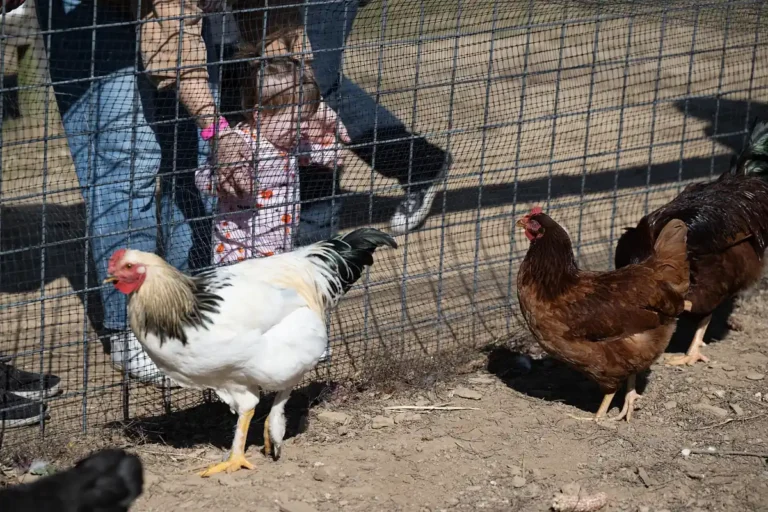
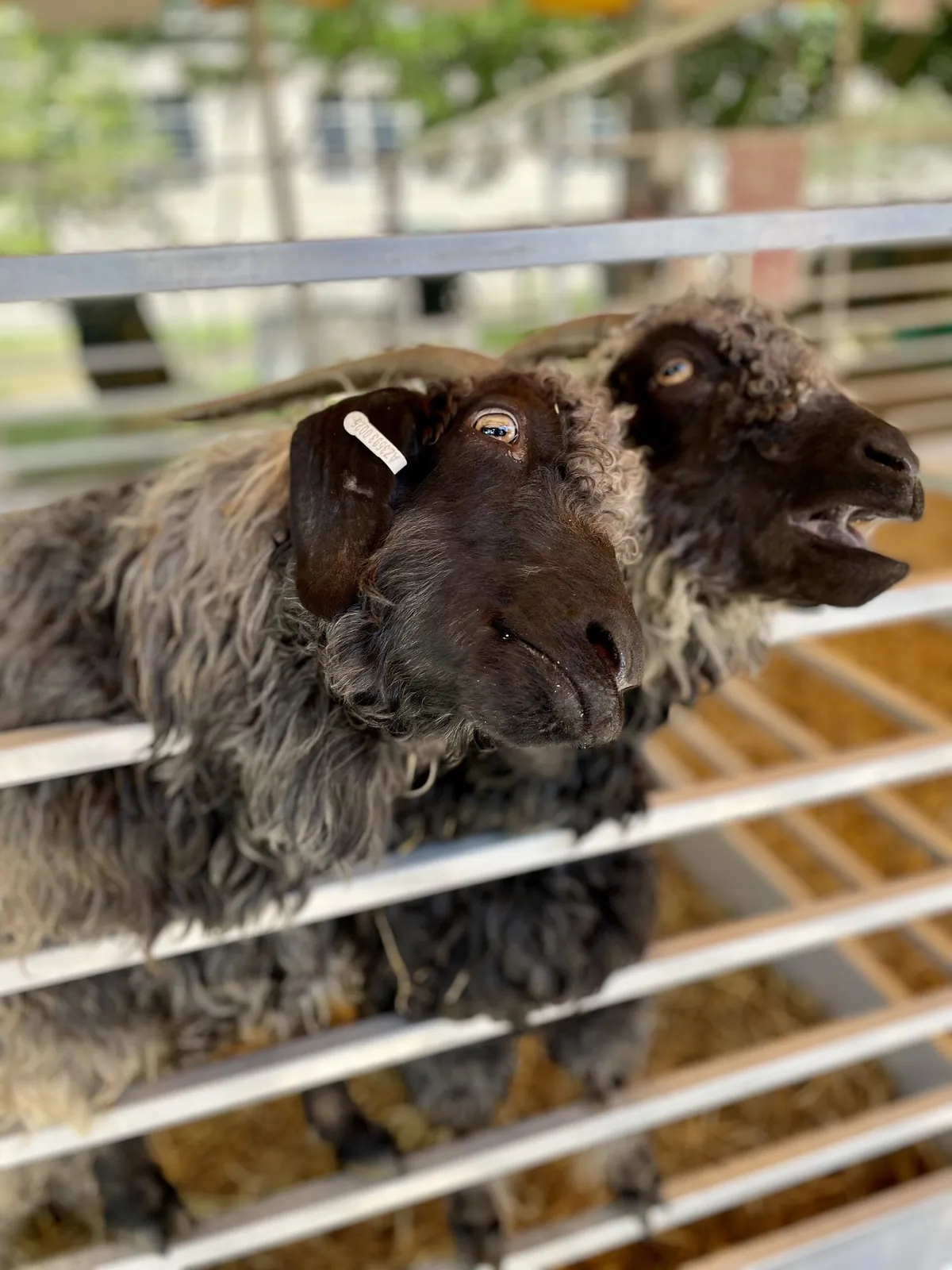
Children gravitate to the barns first. Livestock areas, poultry and rabbit exhibits, and small petting spaces give kids a chance to touch the agricultural side of the county rather than just ride past it. 4-H displays, craft demonstrations, and youth divisions in the exhibit hall turn the fair into an accidental classroom.
Add in kiddie rides, games, face painting, and the general permission to eat something on a stick, and you have a full day for a family. Paths between buildings are generally stroller-friendly, though barn areas call for closed-toe shoes and a little tolerance for mud.
Plan Your Calvert County Fair Visit: Roads, Rooms, and Rain Plans
Getting There From Prince Frederick and Beyond
Route 4 is the county’s main artery, running the length of the peninsula through Prince Frederick and connecting Calvert County to the Washington, D.C., metro area to the northwest and to St. Mary’s County to the southeast. Most visitors reach the fairgrounds by car, and the drive itself is part of the experience — farm stands, water views, and roadside produce signs along the way.
Where to Stay in and Around Calvert County
Lodging clusters in and around Prince Frederick along the Route 4 corridor, with more options near Solomons, Chesapeake Beach, and North Beach. Fair weekends fill the closest rooms quickly, so book well ahead if you are traveling from outside the county. Campers and RV travelers should confirm current policies directly rather than assuming space will be available on arrival.
Parking and Arrival Timing
On-site parking is typically directed by volunteers and included with your visit, but the lots near the main gate fill first on weekend evenings. Aim to arrive before the dinner rush, carpool when you can, and note where you parked — fairground rows look identical after dark. If you have mobility concerns, ask at the gate about the closest drop-off point.
Admission, Wristbands, and What Costs Extra
Gate admission is generally free or modest, while rides, midway games, and some arena events are ticketed separately. Ride wristbands and multi-day passes, where offered, usually represent the best value for families. Bring a little cash for bake sales, raffles, and smaller vendors, and check the current season’s schedule before you go for exact pricing and hours.
Weather Along the Chesapeake and How to Pack
Late-summer fair days on the peninsula are warm and humid, and early-autumn evenings cool off fast once the sun drops behind the trees. Afternoon thunderstorms are a real possibility in this part of Maryland. Pack layers, a light rain shell, sunscreen, and a hat — and treat a passing shower as a good excuse to spend twenty minutes in the exhibit hall.
A Sample Fair Weekend in Calvert County, Friday to Sunday
Friday evening: Arrive in the late afternoon, walk the livestock barns while they are still quiet, then eat before the dinner lines build. Finish with the midway after dark, when everything glows.
Saturday morning: Get there near opening and head straight for the exhibit hall — the baked goods, canned goods, and home arts displays are best seen before the crowds. Catch a livestock show, grab lunch from a vendor, and spend the afternoon on rides or in the arena.
Saturday evening: Stake out a spot near the stage, order something fried, and stay for the music. This is the fair at its loudest and most social.
Sunday: Sundays tend to be slower and more family-oriented. Revisit your favorite food stand, buy preserves or baked goods to take home, and then drive to Solomons or North Beach for a waterfront sunset to close out the weekend.
How the Calvert County Fair Compares With Nearby Southern Maryland Gatherings
Calvert’s neighbors all hold their own county fairs — St. Mary’s County to the south, Charles County to the west, and Anne Arundel County to the north — and each has a distinct personality. The larger fairs tend to lean harder on grandstand entertainment and midway scale. Calvert’s advantage is its setting: a peninsula fair with water on both sides and a food culture built on crab, oyster, and farm-stand produce.
If you are building a longer trip, pair the fair with the small-town waterfronts at Solomons, North Beach, and Chesapeake Beach, which offer boardwalk strolls, seafood dinners, and a slower pace than the fairgrounds. Together they make a weekend that feels distinctly Southern Maryland rather than generically suburban.
Calvert County Fair Checklist: What to Bring and Know Before You Go
Bring cash for bake sales, raffles, and small vendors; a refillable water bottle; sunscreen and a hat; a light rain jacket; and comfortable closed-toe shoes for the barn areas. Pack a tote for preserves and baked goods, hand sanitizer for after the petting areas, and a cooler in the car for anything perishable. Agree on a meeting point in case your group splits up, check the arena schedule before you arrive so you do not miss a show, and leave pets at home. Charge your phone, but plan to spend most of the day looking up.
Beyond the Fairgrounds: Eating and Exploring Calvert County
The fair is a gateway to the rest of the county. Solomons sits at the mouth of the Patuxent River and is known for waterfront dining, marinas, and seafood straight off the boats. North Beach and Chesapeake Beach offer boardwalk towns with restaurants, piers, and bay views that reward a slow afternoon.
Inland, Calvert Cliffs State Park is famous for its fossils and its walk down to the bay, while the Patuxent River corridor draws kayakers, anglers, and birders. Farm stands and pick-your-own operations dot the Route 4 corridor, and Prince Frederick anchors the county with its shops, markets, and services. If you came for the fair food, keep eating your way down the peninsula — the county rewards it.
Why the Calvert County Fair Still Holds the County Together
County fairs survive on volunteer hours, and Calvert County’s is no exception. The people running the gates, judging the pies, staffing the food booths, and hauling livestock trailers are largely neighbors. That is what makes the event feel less like an attraction and more like a reunion with a midway attached.
It also does quiet work that matters: it keeps a 345-square-mile county of 92,783 people in the same place at the same time, teaches children where food actually comes from, and gives farming families a public stage at a moment when most residents commute out of the county for work. In a place founded in 1654 and reshaped repeatedly since, that continuity is not sentimental. It is infrastructure.
Finding the Calvert County Fair in Southern Maryland
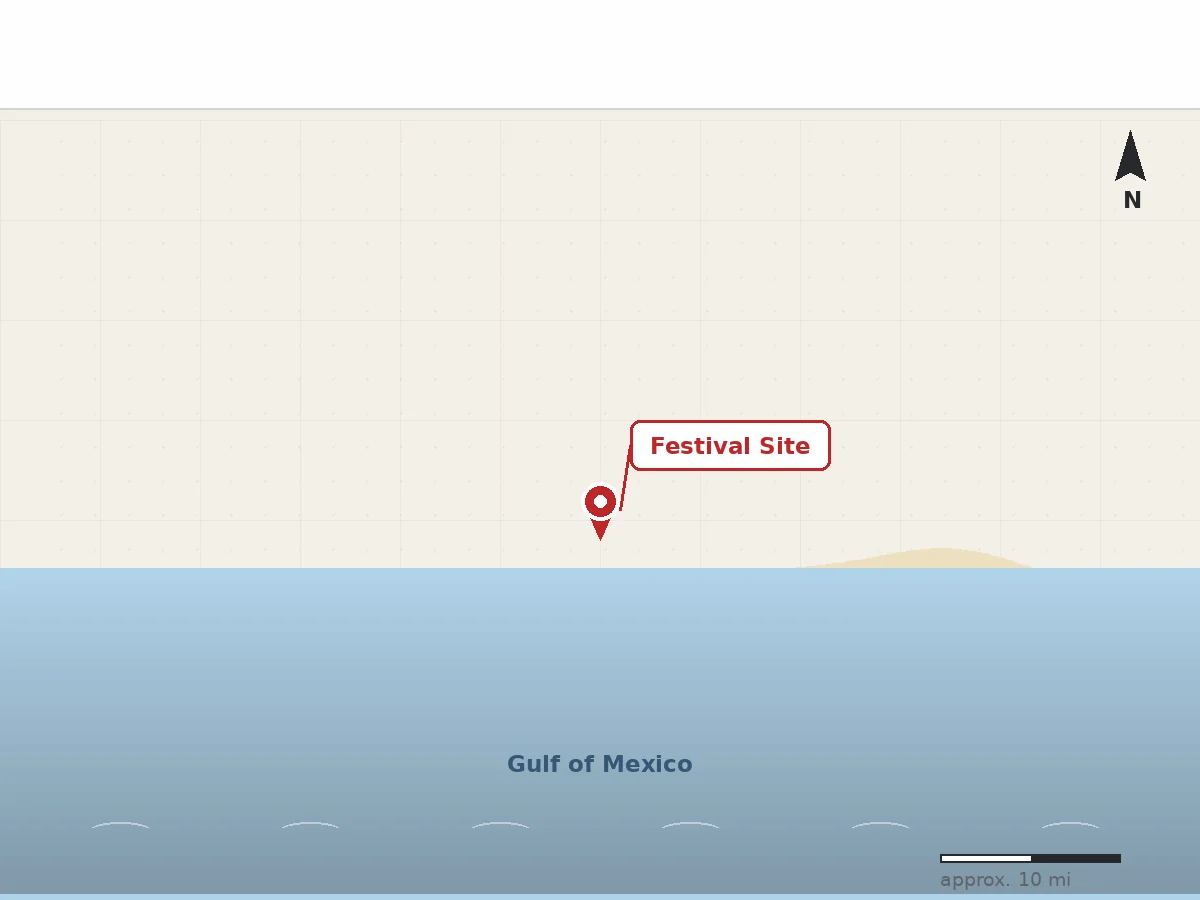
The Calvert County Fair takes place on the county fairgrounds in the Calvert County area of Southern Maryland, a short drive from Prince Frederick, the county seat.
Practical Answers for First-Time Calvert County Fair Visitors
Is the Calvert County Fair a good outing for young children?
Yes. The livestock barns, kiddie rides, games, and youth exhibit divisions are built for families, and the atmosphere is relaxed during the daytime hours. Bring a stroller if you need one, plan around nap schedules, and expect the midway to be loudest after dark.
How much time should I set aside for a visit?
Three to four hours covers the exhibit halls, barns, a meal, and a pass through the midway. Families with children on rides, or anyone planning to stay for evening entertainment, should budget a full afternoon and evening.
Can I bring my own food or a cooler?
Policies vary by season, so check the current fair information before you pack. Many visitors leave a cooler in the car for leftovers and perishables bought at the fair, then eat on the grounds — which is the point of coming, after all.
What happens if it rains during the fair?
Summer and early-autumn showers are common in Southern Maryland. Exhibit halls and barns offer shelter, and many indoor displays and judging areas continue regardless of weather. Check the day’s schedule if you are visiting specifically for arena or stage programming.
Looking Ahead: The Next Seasons of the Calvert County Fair
The fair’s future looks a lot like its past: agricultural exhibits at the center, food as the main draw, and a growing county discovering a tradition that predates its subdivisions. Expect continued attention to youth programs, local food vendors, and the home arts categories that keep family recipes circulating.
For visitors, the practical advice is simple. Watch for the season’s schedule as late summer approaches, plan around the evening crowds, and come with an appetite. Everything else at the Calvert County Fair follows from that.
Last updated: October 2026
Few county fairs still function as both a harvest ritual and a community reunion, and the Calvert County Fair manages to be both without trying hard. Come for the crab cakes and the funnel cake, stay for the livestock barns and the exhibit hall ribbons, and you will leave understanding why a peninsula of 345 square miles keeps setting aside a few days every year to eat, judge, and gather in the same place.