Boyd County Kentucky Healing Appalachia Festival
Healing Appalachia arrived in Boyd County carrying a reputation built somewhere else. The festival spent its earlier years at the West Virginia State Fairgrounds before its organisers brought it across the state line to the Boyd County Fairgrounds in Ashland, where a full edition unfolded on Friday the nineteenth and Saturday the twentieth of September two thousand twenty-five. That single held edition is, so far, the whole of the county’s direct connection to the event, because the expanded follow-up announced for two thousand twenty-six was cancelled before it could happen, and the next Boyd County dates belong to an announced return in two thousand twenty-seven rather than to anything already staged.
About
Every layer read for this article prints the event’s name as Healing Appalachia, full stop. Music-press layers, a local newspaper layer, a television layer and the organiser’s own quoted statements all use that two-word form, and none of them prints the longer form carried in this article’s title. The festival is run by Hope in the Hills, described across the layers as the nonprofit behind it, and it was founded by a Kentucky singer-songwriter working together with his management company. That founder remains central to the event’s identity: a music-press layer credits him with founding the festival and with headlining every edition staged so far, and at Ashland he took one of the two headline slots himself.
Ashland supplies the setting. The city is the largest community in Boyd County, though the county seat sits elsewhere, at Catlettsburg, a distinction recorded by a state government county-formation table and an encyclopedia layer alike. The grounds themselves sit within Ashland, and one music-press layer describes the festival site more precisely as a field lying just north of the fairgrounds proper.
The naming point matters for readers searching for the event, because anyone looking for the longer printed form used in this title will not find it in the coverage; the festival simply travels under its two-word name wherever it is staged. A second caveat frames everything that follows in this article: although the festival is heavily documented overall, Boyd County’s share of that documentation is deliberately narrow, resting on the single held edition of two thousand twenty-five and the announced return, rather than on a long local run.
Quick Facts
| Detail | What the layers record |
| Published name | Healing Appalachia |
| Host town | Ashland, Kentucky |
| County seat | Catlettsburg; Ashland is the county’s largest city |
| Venue | Boyd County Fairgrounds |
| Organiser | Hope in the Hills; founded by a Kentucky singer-songwriter together with his management company |
| Held Boyd County edition | Friday the nineteenth to Saturday the twentieth of September, two thousand twenty-five |
| Kickoff party | Thursday the eighteenth of September, two thousand twenty-five |
| Two thousand twenty-six edition | Announced for September, then cancelled in May of that year |
| Announced return | Friday the tenth to Saturday the eleventh of September, two thousand twenty-seven |
| Admission | Ticketed through the festival’s own site; no price printed in any layer read |
History
The festival’s roots lie in West Virginia. A festival-status layer and a local newspaper layer agree that its earlier home was the West Virginia State Fairgrounds, around Fairlea and Lewisburg, and those editions belong to the event’s history rather than to Boyd County’s record. Beyond that shared geography, the origin accounts diverge and this article leaves them standing side by side. One music-press layer says the founder established the festival in two thousand eighteen and has headlined all seven editions since. A festival-status layer likewise places the first edition in two thousand eighteen, at the West Virginia fairgrounds. A local newspaper layer, however, says the festival started in two thousand twenty, again at the West Virginia State Fairgrounds. Neither starting year is adopted here, and the seventh-annual billing attached to the announced two thousand twenty-six edition is treated as billing only, never as arithmetic from which a founding year could be worked out.
For a useful comparison, see the Boyd County Kentucky Poage Landing Days Festival for another county festival.
What can be said plainly is that the move north happened in two thousand twenty-five. Music-press layers document that Ashland edition in full, and a local newspaper layer records that it drew thousands of attendees and earned a feature in a national music magazine. The edition’s documented running order gives the debut a definite shape. A kickoff party on Thursday the eighteenth of September opened the weekend before the main days began. The founder headlined on the Friday, a second Kentucky country star headlined on the Saturday, and a full supporting lineup of Americana, country and roots acts filled the stages beneath them, with a closing spotlight stage bringing the bill to its end. Music-press layers document all of this in full, which is why the Ashland edition carries more particular detail than the festival’s announced future editions can. The momentum did not carry straight through. In March two thousand twenty-six, a music-press layer announced an expanded three-day festival for Thursday the tenth to Saturday the twelfth of September that year, again at the Boyd County Fairgrounds. Then, on the twenty-eighth of May two thousand twenty-six, a local newspaper layer and a television layer carried the organiser’s announcement that the two thousand twenty-six festival would not take place after all, citing current economic conditions and rising production costs, with resources redirected toward recovery programmes instead. The same organiser statement looked forward: it announced the festival’s return to the fairgrounds on Friday the tenth and Saturday the eleventh of September two thousand twenty-seven. In the layers read, no edition has yet been held on those dates.
What to Expect
Music comes first, spread across stages over two days. The layers describe the sound as country, folk, roots rock and Americana, and the two thousand twenty-five Ashland edition followed a clear shape: a kickoff party on the Thursday evening, then the founder headlining on Friday and a second Kentucky country star headlining on Saturday, with a full supporting lineup of Americana, country and roots acts beneath them and a closing spotlight stage rounding out the bill.
The recovery mission is woven into the working fabric of the weekend rather than bolted onto it. A local newspaper layer reports that the festival is staffed by nearly five hundred recovery volunteers, and that local school bands help park cars and lead a march that opens the fest. Music-press layers add that proceeds from the event fund addiction prevention and recovery programmes, which is the purpose Hope in the Hills exists to serve. Anyone attending should therefore picture a working music festival whose staffing, opening ceremony and money all point back toward the recovery community it was built to support.
The announced two thousand twenty-six edition would have stretched that shape, expanding to three days in mid-September, but its cancellation means the two-day pattern of the Ashland debut remains the only Boyd County template anyone has actually seen. The two thousand twenty-seven return is announced across two days, Friday and Saturday, matching the debut’s span rather than the cancelled expansion.
Planning Your Visit
Tickets are the first practical matter. The event is ticketed, and music-press layers direct readers to buy through the festival’s own site; none of the layers read states a price, so no figure can be quoted here and intending visitors would need to take the current price from the festival’s own channels when tickets for the announced return go on sale. The fairgrounds street address printed by a festival-status layer is likewise left unreproduced, though the venue itself is simply named as the Boyd County Fairgrounds in Ashland.
Timing deserves care because the recent history is unsettled. The two thousand twenty-six cancellation was announced months ahead of the planned dates, which suggests watching for organiser statements through the spring and summer before the two thousand twenty-seven return rather than assuming the announced dates guarantee a festival. Travelers coming from outside the county should also remember that Ashland, for all its size, is not the county seat; Catlettsburg holds that role, which matters if a trip combines the festival with county business. Beyond that, the documented shape of the held edition offers the best planning template: arrive for the Thursday kickoff if possible, treat Friday and Saturday as full music days, and expect the grounds to be busy, since the one Ashland edition on record attracted thousands.
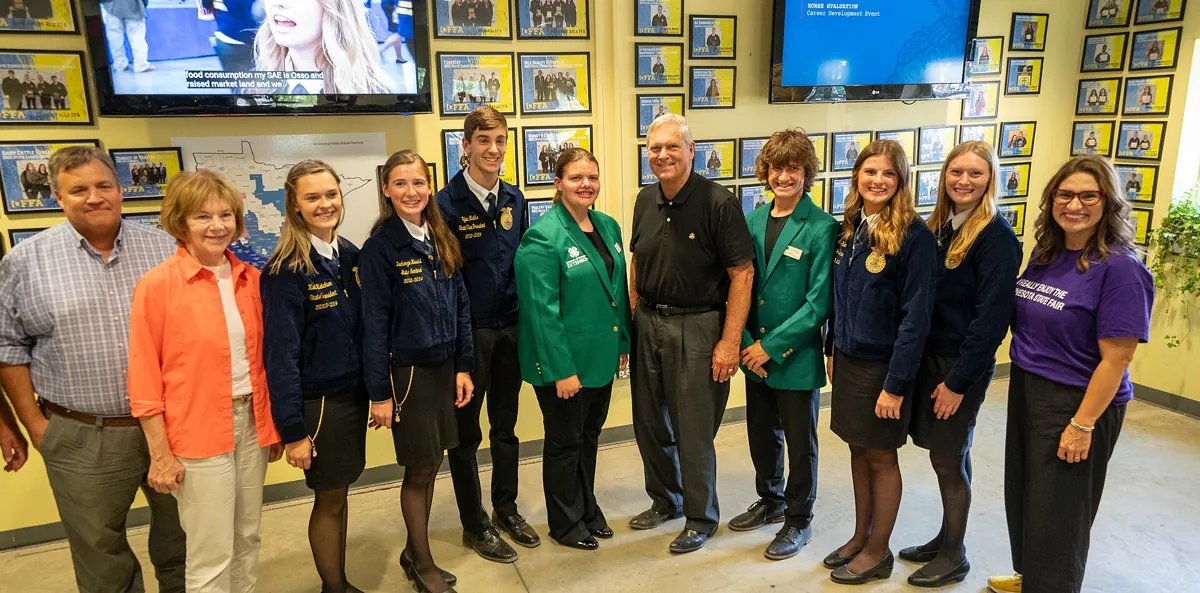
The site itself deserves a note. One music-press layer describes the festival ground as a field just north of the fairgrounds, so visitors picturing a paved exhibition complex should instead expect an open-field festival layout attached to the fairgrounds, with the stages, staffing and march all arranged around that ground.
A Sample Itinerary
Thursday belongs to the kickoff party, the documented curtain-raiser of the two thousand twenty-five edition, and to settling into Ashland before the crowds build. Friday can start unhurriedly, with the afternoon given to the supporting lineup across the stages and the evening reserved for the founder’s headline set. Saturday then becomes the fullest day: catch the opening march led by local school bands, move between stages through the afternoon, take in the closing spotlight stage, and stay for the second headline performance by the other Kentucky country star. Sunday has no documented festival programming in the layers read, so it suits a slow departure from the county.
How This Festival Compares
Against its own earlier self, the Boyd County edition is both a continuation and a change of ground. The West Virginia editions gave the festival its name, its founder-led headline tradition and its recovery purpose, but they document nothing about Ashland; only the two thousand twenty-five edition and the announced two thousand twenty-seven return tie the event to Boyd County soil. Against the run of county festivals generally, Healing Appalachia stands apart in structure: it is a ticketed, multi-stage music festival organised by a nonprofit around an explicit recovery mission, rather than a fairground exhibition or a heritage celebration, and its recent story includes something most festivals never record — a publicly announced cancellation, explained on the record by its organiser, followed by a dated promise to return.
Checklist
- Confirm the announced two thousand twenty-seven dates still stand before booking travel
- Buy tickets through the festival’s own site once sales open
- Note that no ticket price appears in any layer read, so check the current figure at purchase
- Plan for the Thursday kickoff party as well as the two main days
- Arrive early enough on Saturday to see the school bands lead the opening march
- Carry patience for fairground parking, which school bands help direct
- Remember that Ashland is the host city but Catlettsburg is the county seat
- Watch for organiser statements during the spring before the festival
Beyond the Fairgrounds
A trip built around the festival can still take in the rest of Ashland, the county’s largest city, and the wider Boyd County community whose school bands, volunteers and fairgrounds give the event its local footing. The recovery organisations that the festival’s proceeds support work across the region year-round, so the weekend also connects visitors, however briefly, with an Appalachian recovery network that extends well beyond one fairground field in September.
Why It Matters
Healing Appalachia matters to Boyd County because it binds a major touring-scale music weekend to a cause rooted in the region’s hardest problem. Nearly five hundred recovery volunteers staffing a festival, school bands opening it with a march, and proceeds flowing into prevention and recovery programmes make the event a piece of civic infrastructure as much as entertainment. Its arrival in two thousand twenty-five put Ashland on the festival’s map; its cancellation the following year tested the relationship in public; and the announced two thousand twenty-seven return gives the county a stake in whether the partnership endures.
The cancellation year even sharpens the point. When money tightened, the organiser chose to redirect resources into recovery programmes rather than protect the festival date, which tells Boyd County residents that the mission outranks the event itself. A festival willing to skip a year for its cause is a different kind of partner from one that treats a county purely as a market.
Frequently Asked Questions
Why was the two thousand twenty-six edition called off?
A local newspaper layer and a television layer reported the organiser’s announcement of the twenty-eighth of May two thousand twenty-six, which cited current economic conditions and rising production costs, and said resources would be redirected to recovery programmes for that year.
Which performers headline the Ashland edition?
The two thousand twenty-five edition was headlined by the festival’s founder, a Kentucky singer-songwriter, on Friday and by a second Kentucky country star on Saturday, above a supporting lineup of Americana, country and roots acts.
How is the recovery mission visible during the weekend?
A local newspaper layer describes nearly five hundred recovery volunteers staffing the festival, local school bands parking cars and leading an opening march, while music-press layers record that proceeds fund addiction prevention and recovery programmes.
Has Boyd County hosted the festival more than once?
Not in the layers read. The two thousand twenty-five edition is the only one held at the Boyd County Fairgrounds so far; earlier editions took place at the West Virginia State Fairgrounds, and the next Boyd County dates are the announced return in two thousand twenty-seven.
What to Expect From the Next Boyd County Kentucky Healing Appalachia Festival
How often is Boyd County Kentucky Healing Appalachia Festival held?
The layers portray an event organised on an annual cycle, but Boyd County’s own experience is intermittent so far: one held edition in two thousand twenty-five, a cancelled edition in two thousand twenty-six, and a return announced for two thousand twenty-seven.
When is the next Boyd County Kentucky Healing Appalachia Festival?
The organiser’s statement, carried by a local newspaper layer, a television layer and music-press layers, announces the return for Friday the tenth and Saturday the eleventh of September two thousand twenty-seven at the Boyd County Fairgrounds.
Will the dates change?
They might, and the record shows why caution is warranted: the two thousand twenty-six dates were announced in March and withdrawn by late May, so the two thousand twenty-seven dates stand as an announcement to keep checking rather than a settled fact.
Closing
Healing Appalachia’s Boyd County chapter is short, dramatic and unfinished: a well-attended debut at the Ashland fairgrounds in two thousand twenty-five, a candidly explained cancellation in two thousand twenty-six, and a promised return in two thousand twenty-seven. Whether that return happens will decide if the county becomes one of the festival’s homes or remains a single memorable stop on its journey from West Virginia.