Boone County Indiana 4-H Fair Festival
If you have been to the Boone County 4-H Fair once, you already know its rhythm. Sawdust and fried dough drift between the barns. Somewhere a goat is being walked toward a show ring by a kid in a white shirt. The grandstand goes quiet for a second, then does not. You also know the practical things — which gate moves, where the shade is at four in the afternoon, and how to park so you are not stuck behind a tractor pull when the night ends. This is written for the second-time visitor and the tenth-time visitor, the people who want that knowledge before the engine turns over.
The fair belongs to a county of 70,812 people spread across 423.25 square miles of central Indiana farmland, small towns, and fast-growing suburbs on the northern edge of the Indianapolis metro. Lebanon, the county seat, sits near the middle of it. For one week in summer, the county’s rural half and its suburban half end up in the same place at the same time, eating the same food and watching the same kids walk the same rings.
The Boone County Fair, Reduced to What You Actually Need
| Town / place | The Boone County area, centered on Lebanon |
| County | Boone County, Indiana |
| County seat | Lebanon |
| Population | 70,812 |
| Region | Central Indiana, north of Indianapolis |
| Typical timing | A summer week, in most years during July |
| Admission | Generally free to enter; food, rides and some activities are pay-as-you-go |
| Setting | County fairgrounds with barns, show rings, exhibit halls and a grandstand |
| Features | Livestock shows, 4-H project exhibits, food stands, grandstand entertainment, family activities |
| Organizer | Local 4-H clubs and their volunteer network |
What the Boone County 4-H Fair Really Is
This is not a commercial festival with a corporate name on the gate. It is a county 4-H fair, which means the headline act is the work of young people who spent the spring raising an animal, rebuilding a small engine, planting a garden, sewing a garment, shooting photographs, or programming a robot. Their projects are judged, displayed, and in some cases sold. The ribbons are the point.
That structure shapes everything about the week. Barns open early because animals need feeding before anyone thinks about breakfast. Exhibit halls stay cool and quiet while the midway wakes up. The busiest hours are late afternoon and evening, when families arrive after work and the show rings fill again for the classes that draw the biggest crowds.
For a returning visitor, the useful shift is this: treat the fair as a working agricultural event that happens to have excellent food and a carnival attached, rather than a carnival that happens to have animals. Walk the barns first, when exhibitors are still around and willing to talk. Save the midway for after dark, when the lights matter more than the heat.
For another look at how a community turns its own traditions into a gathering, see the Blackford County Indiana Hartford City Hometown Days Festival for a useful comparison.
From an 1830s County to a Week of Show Ribbons
Boone County was created on April 1, 1830, and organized the following year, with Lebanon established as the county seat. The land that became the county was prairie and timber, and the economy that grew on it was grain, livestock and the small towns that served both. County fairs in Indiana grew out of that world: agricultural societies wanted a place to compare crops, cattle and machinery, and farmers wanted a reason to gather once the season allowed it.
4-H arrived later and changed the shape of the fair permanently. What began as clubs for rural young people learning agriculture and home skills became, across the Midwest, a national youth program with a project-based structure — and the county fair became its annual stage. Boone County’s fair followed that arc. The exhibits moved from open-class competitions toward youth projects, the barns filled with members and their families, and the fairgrounds became the fixed address for a tradition that had previously wandered.
The through-line is continuity. A county founded in 1830 and organized in 1831 is now a suburban county of 70,812 people, and the fair still runs on roughly the same premise it always did: show your work, take your ribbon, come back next year.
What a Day at the Boone County Fairgrounds Feels Like
Days at a 4-H fair have a shape, and once you learn it, you can plan around the heat, the crowds and the parking lot.
Food: Pork Tents, Pie Slices and the Stand Everyone Mentions
Fair food here tends to come from two directions: the concession trailers that follow the carnival circuit, and the stands run by local clubs, churches and volunteer groups. The second category is the one regulars care about. That is where you find pork burgers, tenderloins, walking tacos, lemon shake-ups, and homemade pie and cake sold by the slice. Lines are longest in the hour after the evening shows let out. Eat early, around five, and you will walk straight up to the counter.
Entertainment: Grandstand Nights and the Show Rings
The grandstand carries the headline events — typically tractor pulls, a demolition derby, and musical acts or pageant nights, depending on the year. Smaller entertainment runs continuously around the grounds: showmanship classes, a livestock auction, talent performances, and the announcer’s voice carrying across the barn area. If you only have one evening, check the schedule board at the main entrance first thing and build the night around one grandstand event rather than trying to catch everything.
Family Activities: Where the Kids Actually Want to Stay
Beyond the rides, the reliable kid magnets are the animal barns at feeding time, the petting areas, the pedal tractor pull, and any hands-on exhibit where a child can touch something rather than look at it. Strollers handle the main paths fine; the barn aisles are tighter. Bring wipes, because small hands and livestock barns are a predictable combination.
Getting There, Sleeping There, and Handling July in Indiana
The logistics of fair week are simple once you accept three truths: it will be hot, the good parking goes early, and cash still moves faster than a card at a pie stand.
Driving Into Lebanon and the Fairgrounds
Lebanon sits north of Indianapolis, with Interstate 65 and U.S. 52 serving the area, so the approach is straightforward from almost any direction in central Indiana. Expect the last mile to be the slowest one during peak evening hours, and follow the volunteers directing traffic rather than your own instinct about shortcuts.
Where to Stay Around Boone County
The Lebanon corridor along the interstate has the most lodging, with additional options in the Whitestown and Zionsville areas and a much larger supply if you are willing to drive down into Indianapolis. For fair week, book early — this is a county event, but it draws family members from well outside the county.
Parking Without the End-of-Night Gridlock
Parking is typically on grass lots around the grounds, with volunteers filling rows. Arrive before the evening grandstand event if you want a short walk. If you plan to leave right at the end of a tractor pull or derby, park near an exit rather than near a gate, and accept the longer walk in exchange for a faster departure.
Admission and What Money You Should Bring
Entry to the fairgrounds is generally free, with costs concentrated in food, carnival rides, grandstand events and raffles or auctions. Bring cash in small bills and expect some stands to be cash-only. Set a per-child ride budget before you walk in; it is easier to hold that line at the ticket booth than at the ride entrance.
Weather: July in Central Indiana Does Not Negotiate
Expect heat, humidity and the real possibility of an afternoon thunderstorm. Barns run warmer than open ground, so plan barn visits for morning or evening. Bring water, sunscreen, hats and a light rain layer. If storms roll in, the exhibit halls and any covered grandstand area become the shelter of choice.
A Returning Visitor’s Sample Fair Weekend
Friday afternoon. Arrive a couple of hours before the evening rush and walk the barns while exhibitors are still working. Ask questions — most families are happy to explain what their animal eats, how long they have been raising it, and what the judge is looking for. Grab an early dinner from a local stand.
Friday night. Take in the grandstand event, then do one slow lap of the midway after dark. This is the fair at its most photogenic and its least crowded at the edges.
Saturday morning. Come back early for the livestock shows. This is the part day-trippers miss entirely, and it is the part that makes the fair what it is. Follow it with the exhibit halls, where the project work is displayed and judged.
Saturday afternoon. Retreat during the hottest hours, then return for the evening. Use the break for a shower and a nap — it makes the second half of the day far better.
Saturday night. Dinner from a different stand than Friday, then the auction or a second grandstand event. Leave before the final rush if you have a long drive.
Sunday. A short morning visit for the last classes and a final walk through the barns as animals are loaded out. It is quieter, and it is the version of the fair that longtime attendees remember best.
How It Compares With Zionsville, Whitestown and Nearby Fairs
Boone County contains several different versions of itself, and the fair sits at the intersection. Lebanon, the county seat, is the traditional small-city anchor — courthouse square, older neighborhoods, and the fairgrounds close at hand. Zionsville, to the southeast, is the polished village version, known for its brick Main Street and its own round of community events. Whitestown, between them, is the fast-growing suburban version, with youth sports fields and new subdivisions doing much of the social work.
Nearby county fairs in the surrounding counties run on the same basic template — barns, show rings, a grandstand, a midway — and each one carries the specific character of its own county. What makes Boone’s version distinct is the mix of audiences it serves. A single evening here can put farm families whose land has been in the same name for generations next to new residents who moved in last year. Few events in the county pull both groups into the same parking lot.
The Regular’s Pre-Fair Checklist
| Check the schedule board first | Grandstand events and show times set the shape of your day |
| Cash in small bills | Faster at food stands, raffles and ride tickets |
| Water and sunscreen | Barns and asphalt both hold heat into the evening |
| Closed-toe shoes | Gravel, mud and barn aisles are unforgiving |
| Arrive early for grandstand nights | Better parking, better seats, shorter food lines |
| Plan a mid-afternoon break | The heat between two and five is the hardest stretch |
Beyond the Barns: The Rest of Boone County
If you are making a day of it, the county rewards a slower drive. Lebanon’s courthouse square and surrounding streets are worth a walk, and the town has parks and trail connections that make an early-morning stretch easy before the fairgrounds open. Zionsville’s village center is a short drive southeast and offers a completely different afternoon — shops, restaurants, and a walkable historic core. Whitestown and the interstate corridor cover the practical stops: fuel, groceries, chain coffee and last-minute supplies.
Indianapolis is close enough that the fair can be part of a larger trip rather than the whole of it. Many families pair a fair evening with a weekend in the city, driving up for the animals and the food and back down for everything else.
Why Fair Week Still Holds Boone County Together
A county of 423.25 square miles and 70,812 residents does not have many occasions when it acts like a single community. The fair is one of them. It is where the 4-H members who spent months on a project get an audience, where grandparents watch grandchildren in a ring they once stood in themselves, and where volunteers who have worked the same stand for years hand the tongs to someone younger.
That matters more, not less, in a county growing as quickly as this one. The fair is a yearly reminder that Boone County’s identity is not only new subdivisions and commuter traffic. It is also livestock, soil, and the habits of a place that has been holding an agricultural gathering since long before anyone called it a suburb.
Where the Boone County 4-H Fair Sits on the Map
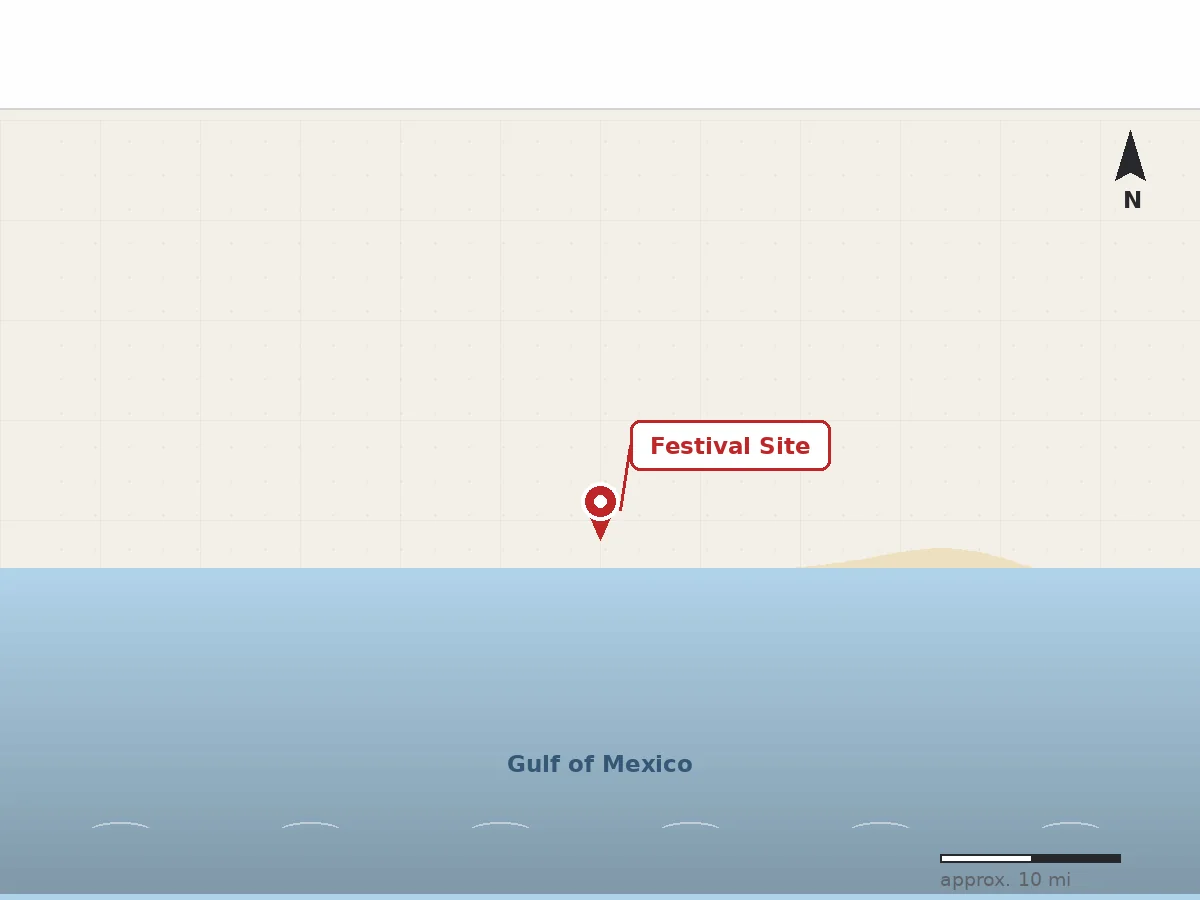
The fair takes place at the county fairgrounds in the Boone County area around Lebanon, roughly a half-hour north of Indianapolis via Interstate 65.
Straight Answers for Boone County Fair Week
Is the Boone County 4-H Fair free to get into?
Gate admission is generally free, which is typical of county 4-H fairs. Your spending will be concentrated in food, carnival rides, grandstand events and any auction or raffle purchases. Bring cash, particularly small bills, since some volunteer-run stands do not take cards.
What time of year does the fair usually run?
It is a summer event, held in most years during July, and it runs for roughly a week. Exact dates shift from year to year, so confirm the current schedule before you plan travel. Midweek evenings tend to be calmer than weekend nights.
Is it a good outing with young children?
Yes, with planning. Come early in the day or after the heat breaks, prioritize the animal barns and hands-on exhibits, and set a ride budget before you arrive. Strollers work on the main paths. The barn aisles are narrower, so a carrier can be easier for toddlers.
What should I do first if I only have one evening?
Walk the barns and exhibit halls before the crowds arrive, eat dinner early from a local stand, then settle in for the grandstand event. Finish with a slow lap of the midway after dark. That sequence gets you the fair’s agricultural core and its evening atmosphere in a single visit.
What’s Ahead for the Boone County 4-H Fair
The fair’s future looks a lot like its present, with a few pressures worth watching. As Boone County grows, the pool of 4-H members is shifting — more of them come from subdivisions and small lots than from working farms, and their projects reflect that with more robotics, photography, foods and small-animal entries alongside the traditional livestock classes. That is a healthy adaptation, not a decline.
The larger question is space and upkeep. Fairgrounds in fast-growing counties face constant pressure from surrounding development, and maintaining barns, grandstands and exhibit halls takes money and volunteer hours. The fair’s resilience has always come from the same place: families who show up, work a shift, buy a pie and come back the next year. As long as that holds, fair week in Boone County will keep looking like fair week.
Last updated: October 2026
There is a specific pleasure in arriving at a fair you already know — turning onto the grounds, spotting the same barn, heading straight for the stand you have been thinking about since last summer. For anyone with Boone County ties, that week in July is less an event than an appointment. Go early, stay for the evening, and leave a little room in the schedule for the conversation you did not plan on having.

One Comment