Blount County Alabama Covered Bridge Festival
Every autumn, downtown Oneonta turns its streets over to one of Alabama’s most distinctive small-town celebrations, a one-day festival built around the three historic covered bridges that survive in Blount County. The Blount County Alabama Covered Bridge Festival pairs a large downtown arts and crafts show with live music, food, family activities and tours out to the bridges themselves, all in the county seat of a county that bills itself the Covered Bridge Capital of Alabama.

The most recent edition also carries an honest and unusual footnote. The 2026 festival, billed by a state news wire as the 42nd annual and scheduled for Saturday, October 10, 2026, was cancelled shortly before the day because of a severe-weather threat, and the organisers stated that rescheduling was not possible. The 2026 gathering was planned in full, promoted, and then called off for safety, and the next celebration will be a comeback as much as a continuation.
About the Festival
The festival is presented and hosted by the Blount-Oneonta Chamber of Commerce, and it takes over Oneonta’s historic downtown entertainment district for a single day each year. Oneonta is both the host town and the county seat of Blount County; the seat of county government moved to Oneonta in 1897, according to the city’s own site, and the festival sits comfortably in that civic role, filling the downtown streets with vendors, stages and visitors.
At its centre is the downtown arts and crafts show. Blount County is one of the few places in Alabama where covered bridges still stand in their original settings over working waterways, and the festival treats them not as museum pieces but as the reason for the party. Tours run out to the bridges during the day, while downtown keeps the crowds fed, entertained and browsing. The result is a festival that is half craft fair, half heritage outing, and entirely rooted in the county it celebrates.
Quick Facts
| Detail | Information |
| Host town | Oneonta, Alabama |
| County role | Oneonta is the county seat of Blount County |
| Organiser | Blount-Oneonta Chamber of Commerce |
| Traditional timing | Second Saturday in October, 9 a.m. to 4 p.m. |
| 2026 date as scheduled | Saturday, October 10, 2026 |
| 2026 outcome | Cancelled shortly beforehand because of a severe-weather threat; rescheduling was not possible |
| Admission | Free, per the tourism authority and news layers for 2026 |
| Signature sights | Horton Mill, Swann and Easley covered bridges |
| Centrepiece | Downtown juried-style arts and crafts show with live music and food |
| County billing | Covered Bridge Capital of Alabama |
History
The festival’s deeper history belongs to the bridges. Blount County’s three surviving covered bridges all date from the early twentieth century, when covered spans were still practical engineering rather than nostalgia. Easley Covered Bridge, the smallest of the three at 95 feet, was built in 1927. Swann Covered Bridge followed in 1933, stretching 324 feet across the Locust Fork of the Black Warrior River. Horton Mill Covered Bridge, built in 1934, runs 220 feet and is billed as the tallest historic covered bridge in the United States, standing 70 feet above the Calvert Prong of the Little Warrior River. Together they gave the county a claim few places can match, and the billing of Covered Bridge Capital of Alabama grew up around them. One layer of the City of Oneonta’s own community material reaches further, calling the area the Covered Bridge Capitol of the South; the spelling and the scope differ between the two billings.
For a useful comparison, see the Barbour County Alabama Arts and Crafts Festival for another county festival.
How far back the festival itself reaches is a question the published record answers only in billings, not in a founding date. No source publishes the year the festival began, and this article will not invent one. What can be recorded is how editions have been described in their own years. A small-towns site’s 2024 layer described the festival as being in its 40th year. A state news wire billed the 2026 edition as the 42nd annual. Those two billings are the honest extent of the public record: a festival with roughly four decades of life behind it, anchored to bridges that are far older.
The 2026 chapter is the one that will be retold. The edition was scheduled, promoted with free admission, and then cancelled shortly before October 10 because of a severe-weather threat. The Blount County Children’s Center issued a cancellation notice dated October 8, 2026, and the regional tourism authority updated its listing to match. The Children’s Center notice stated plainly that rescheduling was not possible. A festival that sends people outdoors, onto downtown streets and out to river crossings, is unusually exposed to dangerous weather, and 2026 proved the point.
What to Expect
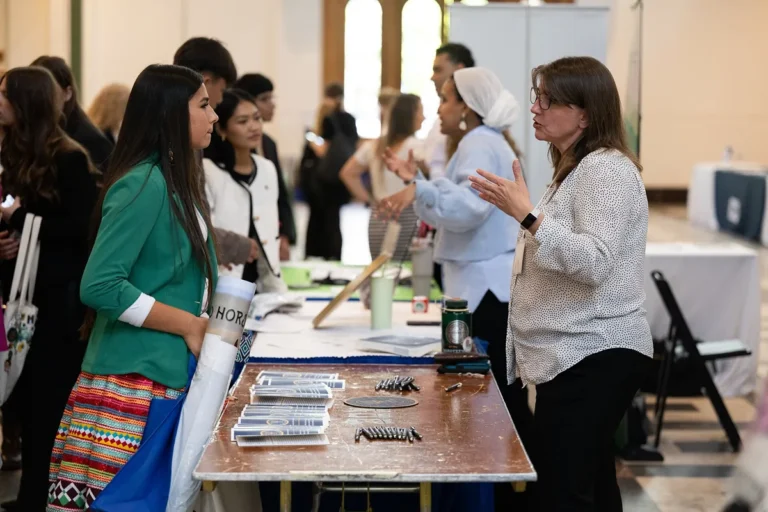
The downtown arts and crafts show is the centrepiece of the day. Its stalls lean handmade and local: handcrafted jewellery, woodwork, home décor and gifts fill the streets of the entertainment district, and browsing them is the natural way to spend the middle of the festival day.
Live music plays through the event, and a car cruise-in brings polished classics and customs into downtown. Food trucks handle the eating, and kids’ activities keep younger visitors occupied between the stalls. A quilt show adds a second, quieter craft tradition to the day, and a rib cook-off gives competitive cooks their own arena; both appear in the university calendar’s 2026 layer.
The bridges, though, are what separate this festival from every other autumn craft fair in Alabama. Self-guided tours let visitors drive out to Horton Mill, Swann and Easley bridges at their own pace, while bus tours run for those who prefer not to navigate. Seeing all three in a single day is a reasonable ambition: the oldest and smallest, the longest, and the tallest historic covered bridge in the country.
Festival morning begins before the official 9 a.m. opening for those who start at the Blount County Children’s Center pancake breakfast, held at Lester Memorial Methodist Church from 7 to 10 a.m. In the tourism authority’s layer, breakfast costs ten dollars for adults and five dollars for children ages 7 and under. That price is a fundraiser charge for the Children’s Center, not a festival admission fee; the festival itself was promoted as free.
Planning Your Visit
Aim to arrive in downtown Oneonta before the 9 a.m. start if the pancake breakfast appeals, or right at opening if it does not, because a one-day festival rewards an early start. The day runs to 4 p.m., and the serious bridge touring, the craft browsing and the cook-off crowds all compete for the same middle hours, so give the bridges a deliberate slot in the day.
Published listings have not settled on a single street address for the festival, and visitors should know both forms rather than trust one. The University of Alabama’s event listing gives 229 2nd Ave E, Oneonta, AL 35121, while the regional tourism authority’s listing gives 110 1st Ave. E, Oneonta, AL 35121. Both point into the same historic downtown, and either lands in the right few streets, because this is a district-wide street festival, not a single gated venue.
Admission was promoted as free in the tourism authority and news layers for 2026, so the day’s real budget goes to food, crafts and the optional fundraiser breakfast. Because the festival’s whole programme is outdoors, weather is the one planning factor that can override everything else, as 2026 demonstrated. Check the forecast and the chamber’s channels in the final days before travelling, and treat any severe-weather warning in the county as a genuine reason the day may change. Comfortable shoes and a layer for October shade complete the practical list.
A Sample Festival Day in Oneonta
Start at Lester Memorial Methodist Church between 7 and 8 a.m. for the Children’s Center pancake breakfast, while downtown is still being set up around you. When the festival opens at 9 a.m., walk the arts and crafts rows first, while the light is good and the best handmade pieces are still on the tables.
Give the late morning to the bridges. Take a bus tour if one is boarding, or drive the self-guided route, and plan to stand on all three spans: Easley for its modest scale, Swann for its length over the Locust Fork, and Horton Mill for the long drop to the Calvert Prong below. Return downtown for lunch from the food trucks, then split the afternoon between the quilt show, the rib cook-off results and the car cruise-in. Finish with a final pass through the craft stalls before the 4 p.m. close.
How This Festival Compares
Most autumn festivals in Alabama ask visitors to come for a crop, a fairground or a main street. This one asks them to come for infrastructure: three timber bridges that have outlived the world that built them. That gives the day a structure few craft fairs can copy, because the headline attractions sit out in the countryside and send visitors travelling between town and riverbank.
It also differs in scale of ambition. A single day, a free gate, and a programme that ends at 4 p.m. make it an outing rather than an expedition, yet the centrepiece sights are nationally notable. A 2024 small-towns layer reported that the festival sees more than 10,000 people, a figure that belongs to that layer alone, but even treated cautiously it suggests a crowd far beyond an ordinary weekend on those quiet roads.
Planning Checklist
- Check the forecast and the chamber’s updates in the days before travelling, since severe weather cancelled the 2026 edition.
- Decide between the bus tours and a self-guided drive to Horton Mill, Swann and Easley bridges.
- Arrive before 9 a.m. if you want the Children’s Center pancake breakfast, which runs 7 to 10 a.m.
- Bring cash or cards for food trucks, crafts and the fundraiser breakfast; admission itself was promoted as free.
- Allow the middle of the day for the bridges rather than leaving them until last.
- Pack a light layer and comfortable shoes for October streets and bridge approaches.
- Save time downtown for the quilt show, the rib cook-off and the car cruise-in.
- Keep both published downtown address forms handy, since listings differ.
Beyond the Festival
A festival trip can easily widen into a bridge trip. The three covered bridges stand in different corners of the county’s river country, and the drives between them pass through the farmland and small communities that the bridges were built to serve. Visitors who come only for the festival day often leave planning a slower return, with time to photograph each span and walk the banks below Horton Mill, where its height above the Calvert Prong is best appreciated.
Oneonta itself rewards a wander beyond the festival streets. It has been the county seat since 1897, and its historic downtown entertainment district is the festival’s stage precisely because it still functions as the county’s living centre. Leaving time for the ordinary Saturday life of the town around the festival edges rounds out a visit that the bridges begin.
Why the Covered Bridges Matter to Blount County
Covered bridges were working tools, roofed to protect their timber trusses from the weather, and most counties that built them have lost every one. Blount County kept three, spanning two river systems: a short township span, a long river crossing, and a bridge hung high above a gorge-like prong. The festival is the county’s way of making sure those survivals are visited, photographed and valued rather than merely listed.
That is also why the 2026 cancellation does not diminish the event. A festival devoted to outdoor heritage depends on the same weather its bridges were roofed against. The chamber and the community groups around the festival chose safety, said so plainly, and left the tradition intact for its next October.
Frequently Asked Questions
Why was the 2026 edition called off at short notice?
The October 10, 2026 festival was cancelled shortly beforehand because of a severe-weather threat. The Blount County Children’s Center’s cancellation notice, dated October 8, 2026, also stated that rescheduling was not possible, and the regional tourism authority updated its listing to record the cancellation.
Which of the county’s three covered bridges claims the height record?
Horton Mill Covered Bridge, built in 1934, is billed as the tallest historic covered bridge in the United States. It runs 220 feet and stands 70 feet above the Calvert Prong of the Little Warrior River. Swann is the longest of the three at 324 feet, and Easley, built in 1927, is the smallest at 95 feet.
Does the pancake breakfast price mean the festival charges admission?
No. The ten-dollar adult and five-dollar child prices belong to the Blount County Children’s Center’s pancake breakfast at Lester Memorial Methodist Church, a fundraiser held on festival morning from 7 to 10 a.m. The festival itself was promoted as free in the tourism authority and news layers for 2026.
Can visitors see the bridges without joining a bus tour?
Yes. The programme includes both self-guided tours, which let visitors drive to Horton Mill, Swann and Easley bridges at their own pace, and bus tours for those who prefer not to navigate. Seeing all three is a realistic goal within the festival’s hours.
What to Expect From the Next Blount County Alabama Covered Bridge Festival
How often is Blount County Alabama Covered Bridge Festival held?
October brings the festival back to downtown Oneonta on the second Saturday of the month. The standing pattern published by the tourism authority is one day, from 9 a.m. to 4 p.m., though 2026 showed that an edition can still be lost to dangerous weather.
When is the next Blount County Alabama Covered Bridge Festival?
On the festival’s standing pattern, the next edition would fall on the second Saturday of October after the cancelled 2026 edition, again running 9 a.m. to 4 p.m. in downtown Oneonta. Because the 2026 cancellation was announced at short notice, visitors should confirm the date and programme through the Blount-Oneonta Chamber of Commerce and the regional tourism authority as the season approaches.
Will the dates change?
The second-Saturday-in-October pattern has been the festival’s published habit, and there is no record of a plan to move it. What 2026 proved is that a fixed date is not a guarantee: severe weather forced a cancellation with no reschedule. Treat the pattern as reliable for planning, and the final week’s forecast as part of the plan itself.
The bridges will be waiting either way. Horton Mill, Swann and Easley have stood over Blount County’s rivers for roughly a century, and the festival that honours them has built some four decades of its own history around their timbers. When the craft stalls line downtown Oneonta again and the tour buses roll out toward the river crossings, the Covered Bridge Festival will not just be resuming. It will be doing what it has always done, which is reminding a county that its most useful old things are also its most loved.