Berkshire Massachusetts Harvest Festival
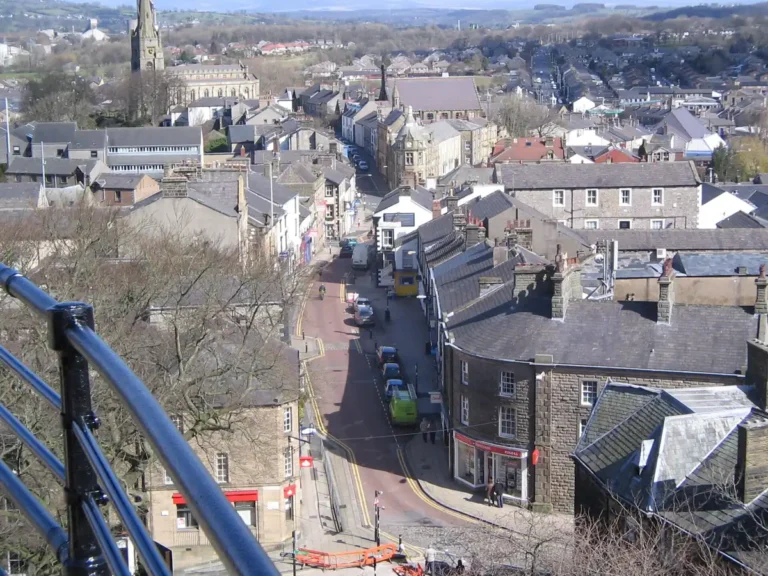
On the second weekend of October, when the Berkshire hills are turning and the mornings carry the first real chill, a Stockbridge garden gives its twenty-four acres over to a celebration of the harvest. There are two stages of music, rows of vendors, children queuing for pony rides, blacksmiths at work, and scarecrows posted along the paths. The event behind the title above is documented in every layer read as one gathering: the Berkshire Botanical Garden’s annual Harvest Festival, held at the garden in Stockbridge. The sheet title itself, county first and town unnamed, appears as a single name in none of those layers, and this article keeps that distinction visible from the start rather than papering over it.
About the Festival
The garden’s own event form for the weekend is the plain one: Harvest Festival. Around that core, the layers read offer longer variants, none of them merged here into a single official styling. One form carries the full possessive, Berkshire Botanical Garden’s annual Harvest Festival. Another drops the possessive and reads Berkshire Botanical Garden Harvest Festival. A listing layer titles it Berkshire Harvest Festival, while an arts layer prints the garden’s name in the plural, Berkshire Botanical Gardens Harvest Festival. Each wording belongs to the layer that printed it, and a reader searching for the event will meet several of them.
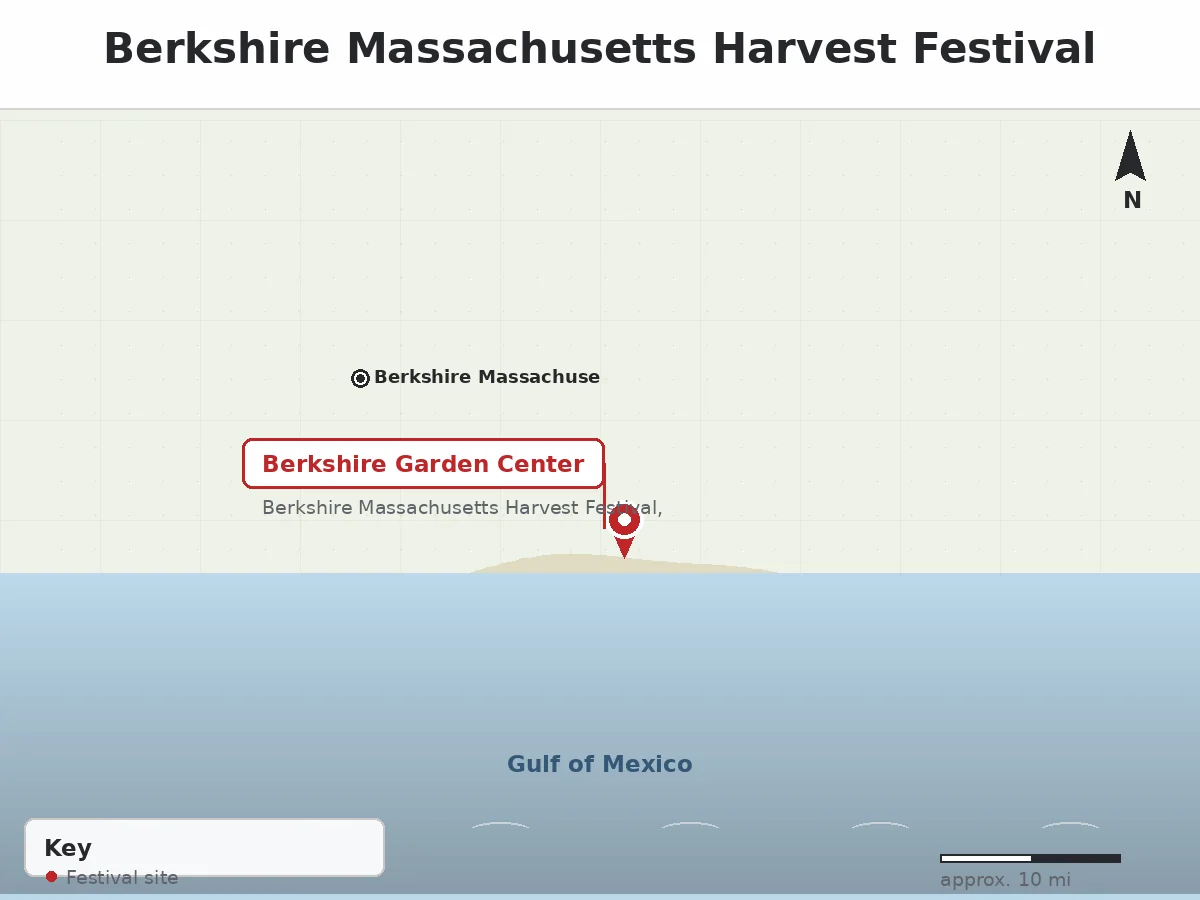
What every layer agrees on is the host. The organiser and the venue are the same institution: the Berkshire Botanical Garden, which the layers also shorten to BBG, its own abbreviation. The garden sits in Stockbridge, and Stockbridge is not the seat of Berkshire County; a reference layer gives that standing to Pittsfield. So the festival belongs to a small town in the southern Berkshires, staged on ground the garden tends all year, and the harvest weekend turns cultivated beds and lawns into fairground space without leaving the garden’s own fences.
For one weekend the garden’s ordinary geography is rearranged. Lawns that usually frame the display beds take the stages, the paths carry stall frontages instead of strollers alone, and the working side of the place, its sheds, teaching beds and plant collections, stands behind the demonstrations rather than apart from them. Visitors who know the garden in its quieter months meet a busier version of the same ground, and first-time visitors meet the institution at its most public, which is precisely the festival’s usefulness to the garden: the harvest weekend is its open house as much as its fair.
Quick Facts
| Item | Detail |
| Published name | Harvest Festival, the organiser’s own event form |
| Sheet title | Berkshire Massachusetts Harvest Festival, never printed as a single name in the layers read |
| Host town | Stockbridge, Massachusetts |
| County | Berkshire County |
| County seat | Pittsfield; Stockbridge is not the seat |
| Venue | Berkshire Botanical Garden, across its twenty-four acres |
| Organiser | Berkshire Botanical Garden |
| Dates in 2026 | Saturday 10 and Sunday 11 October 2026 |
| Hours | Ten in the morning to five in the evening on both days |
| Admission in 2026 | Fifteen dollars, with children under twelve admitted free, per a regional newspaper layer |
History
The festival’s beginnings are described in the layers read through several statements that sit side by side without ever being reconciled, and they are left that way here. An arts layer headlines the event with the words Began in 1935, attaching that year to the festival itself. Organiser-side listing text takes a different route, calling the weekend an iconic Berkshire event dating back to our founding, a phrasing that ties the celebration to the garden’s own origins without naming a year at all. A third layer reaches for seniority of another kind, describing the gathering as the oldest festival of its kind in the Berkshires.
For a useful comparison, see the Barnstable Massachusetts Harwich Cape Verdean Festival for another county festival.
The garden beneath the festival has its own separate dating in the record. A guide layer states that the garden began in 1934 as the Berkshire Garden Center, the institution from which the present Berkshire Botanical Garden grew. That 1934 date belongs to the garden, not to the festival, and the 1935 headline belongs to the festival as one arts layer states it; the two are close but they are not the same claim, and neither is used here to manufacture a founding year the layers themselves do not settle. What the record supports plainly is longevity: whichever statement a reader follows, the harvest weekend in Stockbridge is presented as a fixture with deep roots in the garden’s own history, returning each autumn to the same ground.
What to Expect
Music runs through both days from two stages, and the garden’s schedule layer populates them with a community band, a singer and brass performers among the documented acts. Around the stages, the vendor rows are the weekend’s marketplace. The organiser-side layers count more than ninety vendors, while one guide layer counts more than fifty regional vendors; the figures are reported as their layers give them and are not averaged into one number. Their stalls sell regional food, handmade crafts, art, jewellery, woodworking, farm products, plants and herbs, the sort of buying that lets a visitor carry the harvest home in a bag.
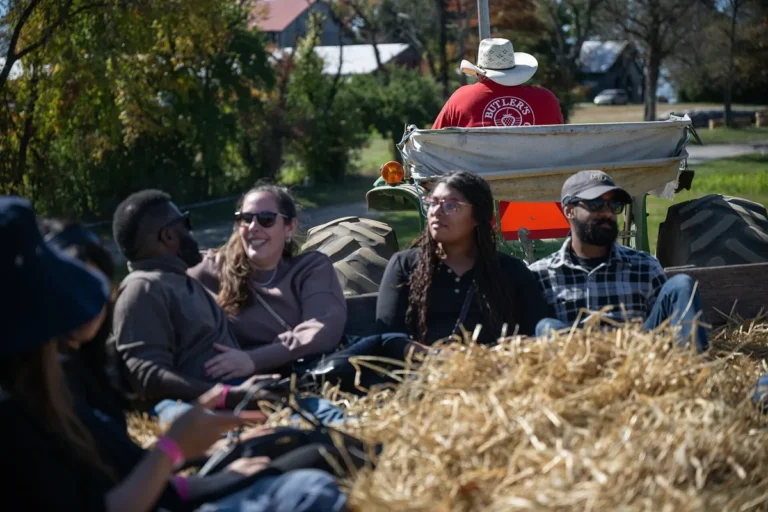
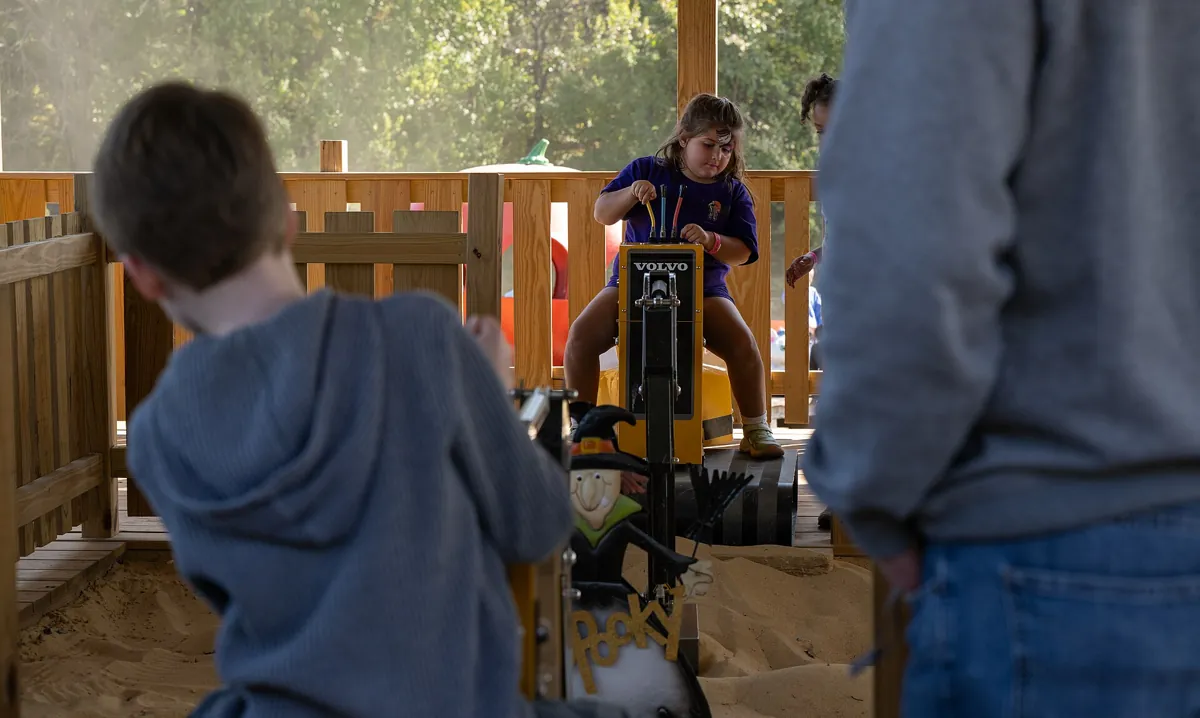
Eating has its own dedicated corners. Food trucks work the grounds, a beer garden pours for the adults, and the demonstration programme turns skill into spectacle: blacksmith forging, woodworking, sessions on honey and herbs, guidance on overwintering plants, and photography. Square dancing and marionettes widen the entertainment beyond the stages. A harvest basket contest gives growers and arrangers a competitive edge to the weekend, and a scarecrow walk threads the paths with figures made for the season. Children are thoroughly provided for, with a petting zoo, pony rides, hay rides, a hay maze, a haunted house, face painting and a touch-a-truck session where vehicles become climbing frames. A site map and schedule exist for the edition, so the day can be planned stage by stage rather than wandered into blindly.
The demonstrations reward lingering rather than glancing. A blacksmith’s forging demonstration unfolds in heats and pauses, the honey and herb sessions turn on questions from the crowd, and the overwintering plants guidance lands differently in October, when every gardener watching stands weeks away from the same task in a home plot. The photography sessions use the garden itself as the subject, sending their audiences between beds the festival has dressed for the season. These sessions sit in the open programme alongside the stages and the stalls, part of the same ticket of entry rather than extras fenced behind further gates.
Planning Your Visit
The 2026 edition runs on Saturday 10 and Sunday 11 October, from ten in the morning to five in the evening on each day, and a visit is best shaped around those seven hours rather than treated as a drop-in. Admission is fenced here to the one layer that states a gate price: a regional newspaper layer for 2026 gives admission at fifteen dollars, with children under twelve admitted free. That figure arrives through a single layer, so it is carried here as one layer’s reporting rather than a settled tariff, and anything charged by individual vendors or for particular activities on the ground is a purchase, not part of the admission.
Because the whole festival sits inside a working botanical garden, comfortable shoes matter more than at a paved fairground, and October in the Berkshires rewards layers of clothing: a bright midday can end in a cold late afternoon before the five o’clock close. Families weighing the two days against each other will find the same hours and the same grounds on both, so the choice can rest on weather and on which stage times suit naps and appetites. Arriving near the opening hour gives the children’s attractions their shortest queues, while the demonstration sessions and the contest judging reward visitors who check the schedule on arrival and pick their moments.
A Sample Itinerary
A full Saturday might begin at the gates soon after ten, with the first hour given to the vendor rows while they are still easy to browse, herbs and preserves and turned wood laid out before the crowds thicken. Late morning suits the demonstration lawn, where the blacksmith and the woodworking draw watchers into a loose semicircle. Lunch from the food trucks, eaten within earshot of whichever stage is playing, carries the day to the children’s hour: pony rides, the hay maze and a turn through the petting zoo before the haunted house. The scarecrow walk makes a gentle mid-afternoon circuit, the harvest basket contest rewards a look before the day ends, and the beer garden offers the adults a final pause while the second stage plays out the afternoon toward the five o’clock close.
A Sunday visit can borrow the same skeleton and run it in reverse, starting with the children’s ground before the pony rides gather their longest line, then the stages, then a slow second pass along the vendor rows for purchases weighed up and deferred the day before. Visitors with only one day at their disposal should decide in advance whether the demonstrations or the music matter more, because the schedule sets them running against each other, and the map rewards a plan made at the gate over one improvised at noon.
How It Compares
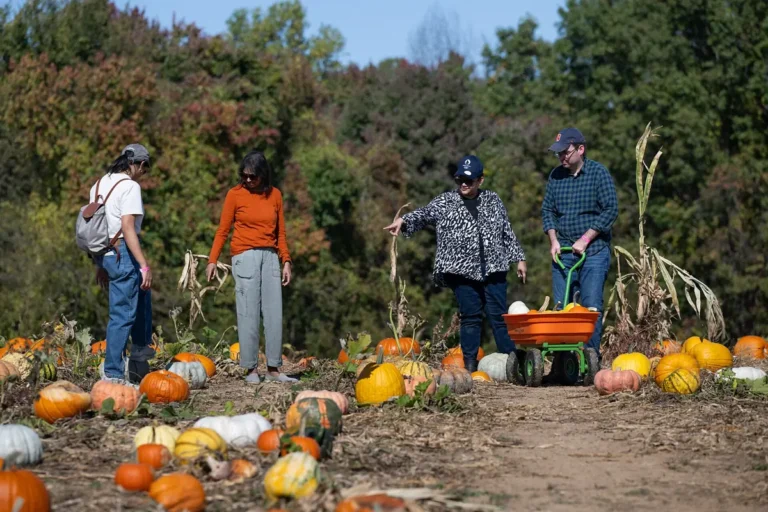
Harvest weekends crowd the Berkshire calendar in October, and the layers read are careful to keep this one distinct. The Naumkeag pumpkin show, a separate Stockbridge-area event built around carved and lit pumpkins, is not this festival, however close the season and the scenery. Other Berkshire harvest celebrations in the same layers are likewise their own events. The sharpest confusion is the name itself: Harvest Festival is a generic label pinned to autumn weekends all over Massachusetts, and most events carrying it have nothing to do with Stockbridge. This festival’s identity is narrower and stronger, a single garden’s own annual weekend, produced by the garden, on the garden, with the garden’s plants and demonstration culture woven through it rather than a rented field dressed for two days.
Beyond the Festival
A trip to Stockbridge in mid-October carries its own rewards around the festival hours. The garden itself remains the anchor: outside the weekend’s stages and stalls, its beds and borders are a serious collection, and the town sits in a valley threaded with the scenery that draws foliage travellers to the southern Berkshires every autumn. Visitors who stay for both days can give the Sunday a slower shape, returning to a favourite vendor, walking the scarecrow route again in different light, or simply sitting with the music while the hills do the decorating. The festival rewards those who treat it as the centre of an autumn weekend rather than a single errand.
The timing does quiet work for the whole trip. Mid-October is when the Berkshire hills are at their most theatrical, and a garden festival gives that scenery a destination instead of a drive-by. Travellers approaching from Pittsfield or Great Barrington reach Stockbridge through valleys already worth the journey, and the village itself makes an unhurried base for anyone stretching the visit across both days of the edition.
Why It Matters
A harvest festival at a botanical garden closes a loop that most county fairs leave open. The plants in the demonstration beds, the herbs on the vendor stalls, the honey in the sessions and the produce in the contest baskets all belong to one cycle of growing and gathering, and the garden spends the rest of its year teaching exactly that cycle. The weekend therefore works as both celebration and showcase: regional makers and growers sell to thousands of neighbours, children meet farm animals and working crafts at close range, and the garden demonstrates, in the most public way it can, why a community keeps twenty-four acres of cultivated ground in its middle. Longevity adds weight to that role; an event described as the oldest of its kind in the region carries expectations, and the two stages, the contest and the demonstrations are how it keeps meeting them.
Frequently Asked Questions
Under what name does the garden itself advertise this weekend?
The organiser’s own event form is simply Harvest Festival. Longer variants appear in other layers, including Berkshire Botanical Garden’s annual Harvest Festival and Berkshire Botanical Garden Harvest Festival, while a listing layer shortens it to Berkshire Harvest Festival. The county-first sheet title is a catalogue form and is printed as a single name in none of the layers read.
Is the host town also the seat of Berkshire County?
Stockbridge hosts it, at the Berkshire Botanical Garden. Stockbridge is not the seat of Berkshire County; a reference layer names Pittsfield as the county seat, so visitors aiming for the festival should aim for Stockbridge in the southern Berkshires rather than the county’s administrative centre.
What is charged at the gate for the 2026 edition?
One regional newspaper layer for 2026 states admission at fifteen dollars, with children under twelve admitted free, and that figure is reported here as that layer gives it. No other layer read puts a figure on entry. Money spent with vendors or on individual activities inside the garden is separate from admission.
What is there for younger visitors across the two days?
The children’s programme in the documented edition includes a petting zoo, pony rides, hay rides, a hay maze, a haunted house, face painting and a touch-a-truck session. Those attractions sit alongside the demonstrations, the scarecrow walk and the two stages, so a family can alternate between the children’s ground and the rest of the festival through the day.
What to Expect From the Next Berkshire Massachusetts Harvest Festival
How often is Berkshire Massachusetts Harvest Festival held?
The layers read describe it as the garden’s annual Harvest Festival, a fixture of the autumn calendar held each year at the Berkshire Botanical Garden in Stockbridge. The documented edition for this article is the 2026 weekend, and the annual billing is the garden’s own framing of the event.
When is the next Berkshire Massachusetts Harvest Festival?
The documented edition took place on Saturday 10 and Sunday 11 October 2026. A following year’s dates would be set by the garden in its own time; readers should look to the garden’s own announcements for the next edition rather than assuming the same weekend repeats exactly.
Will the dates change?
The festival belongs to the October harvest season, and its documented edition fell on the second weekend of the month. Exact days are fixed edition by edition, so a future weekend could shift within the season even while the autumn timing holds.
The most honest summary of this festival is also the simplest: a garden in Stockbridge that has grown plants and knowledge for generations turns its grounds over each October to the county’s harvest, and the layers read, for all their differences in naming and counting, agree on that. Two days, two stages, and twenty-four acres of autumn in the Berkshires.