Baltimore City Maryland Baltimore Caribbean Carnival Festival
A Trinidad-style street parade winds through the Park Heights community, steel bands ring out across the park bowl, and the smell of grilled Caribbean food drifts between vendor stalls. That is the heart of the Baltimore Caribbean Carnival, the event the county sheet calls the Baltimore City Maryland Baltimore Caribbean Carnival Festival. The sheet title itself never appears in the layers read, and the published record carries several name forms side by side, but the event they describe is one and the same: a mid-July weekend in Druid Hill Park of Caribbean music, dance, food and family celebration. The parade is free to watch, entry to the festival ground is ticketed at prices that have shifted from year to year, and the weekend runs from a Friday opening party to a Sunday Family Day.
About
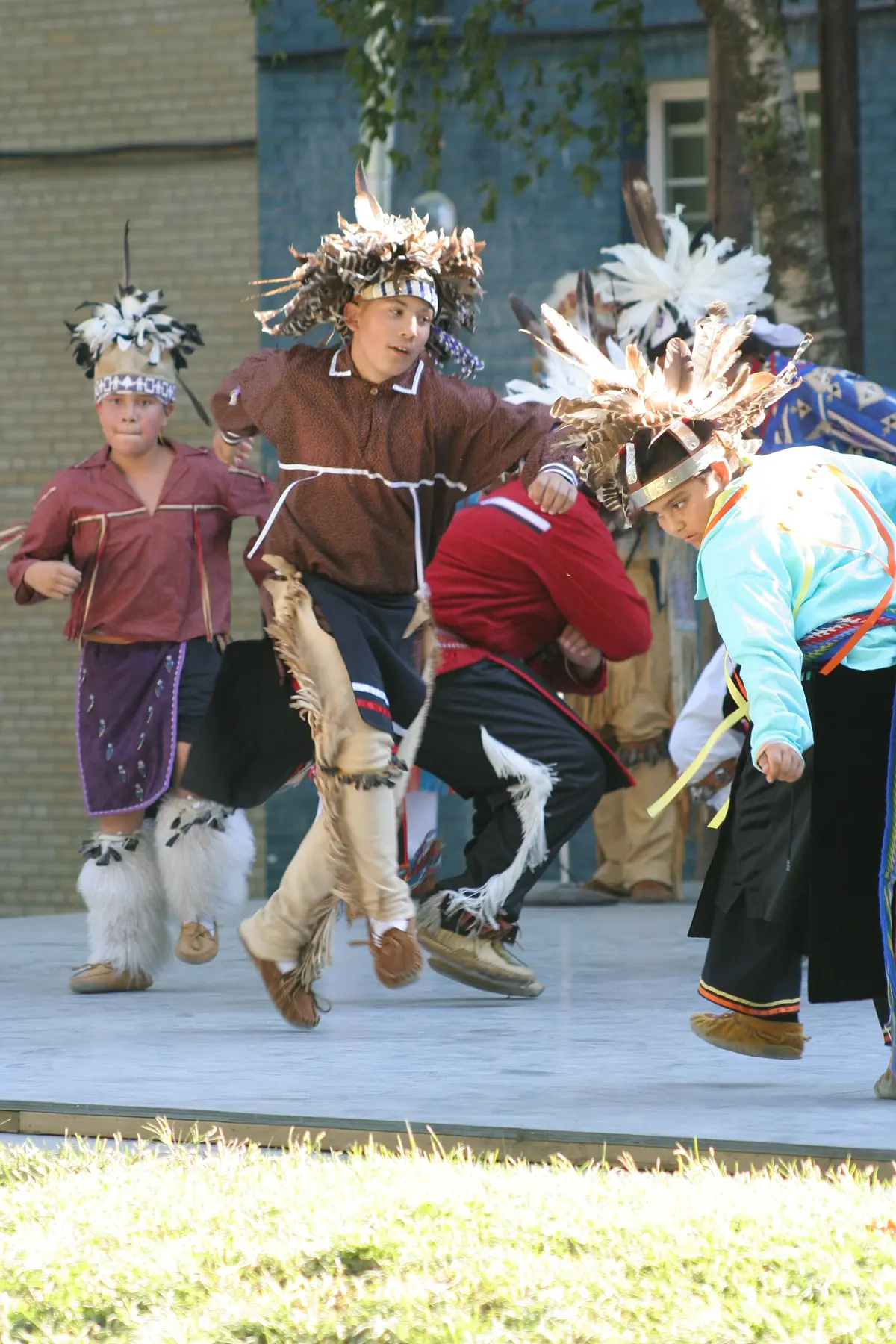
The Baltimore Caribbean Carnival is a three-day Caribbean cultural celebration held in Baltimore, Maryland, each July. Its centre is Druid Hill Park, and its most visible moment is the Saturday parade, when mas bands, steel bands, stilt walkers and drummers travel through the Park Heights community and finish inside the park at the Bowl. Around that parade sits a full weekend: a Friday J’ouvert and day party, a Saturday festival of food, music and vendors, and a Sunday Family Day.
The event is organised by the Caribbean American Carnival Association of Baltimore, known as CACAB, working with the DC Caribbean Carnival Committee, known as DCCC, and DC Caribbean Carnival, Inc. The organiser forms appear in the layers read without being merged, and the president of CACAB is named in a news layer but appears here by role only. The dated editions run from 2023 through 2026, each carrying a different annual billing, and no founding account appears in the layers read, so no founding year is derived from them.
Baltimore City itself shapes how the festival is described. The city is an independent city, separate from Baltimore County since 1851 and not part of any county, so the county-seat question that frames many articles in this series does not apply here. Druid Hill Park, one of the city’s great public parks, has room for a parade route, a festival ground, food vendors and family areas.
Quick Facts
| Item | Detail |
| Sheet title | Baltimore City Maryland Baltimore Caribbean Carnival Festival |
| Published names | Baltimore Caribbean Carnival; Baltimore Washington One Carnival; Baltimore/Washington One Carnival; Baltimore Washington One Caribbean Carnival |
| Host city | Baltimore, Maryland, an independent city with no county seat |
| Venue | Druid Hill Park, Baltimore, the Bowl |
| Parade | Saturday, through the Park Heights community to Druid Hill Park |
| Organiser | Caribbean American Carnival Association of Baltimore; DC Caribbean Carnival Committee |
| Latest dated edition | 10–12 July 2026, billed the forty-fifth year |
| Earlier dated editions | 11–13 July 2025; 12–14 July 2024; 7–9 July 2023 |
| Admission | Ticketed, with figures fenced by year; the parade is free to watch |
| Founding | No founding account in the layers read |
History
The history of the Baltimore Caribbean Carnival, as the layers read present it, is one of annual billings rather than a founding story. No layer read gives an account of who founded the event or when it began, and this article does not supply one. What the layers give is a run of dated editions, each carrying its own billing.
For a useful comparison, see the Baltimore City Maryland Fell’s Point Fun Festival for another county festival.
The earliest dated edition in the layers read is 7–9 July 2023, billed as held for forty-two years. The following year, 12–14 July 2024, was billed the forty-third annual. The 2025 edition ran 11–13 July 2025, and the most recent, 10–12 July 2026, was billed the forty-fifth year. A city tourism layer lists the same 2026 dates, while a city cultural-festivals layer lists 11–12 July 2026. The billings do not line up into a single arithmetic sequence, and no founding year is derived from any of them.
The name forms have their own history in the record. The layers print “Baltimore Caribbean Carnival” and “Baltimore Washington One Carnival” as the two leading forms, alongside “Baltimore/Washington One Carnival” and “Baltimore Washington One Caribbean Carnival”, while the sheet title, “Baltimore Caribbean Carnival Festival”, is never printed. The Washington element reflects the DC Caribbean Carnival Committee, a co-organiser based in the District, not a claim that the festival is held in Washington.
Two neighbouring gatherings belong in a different column from this one. The Baltimore Caribbean-American Festival in the Clifton Park neighbourhood, listed in an encyclopedia layer as a separate July event, is a different gathering, and its existence does not rescue the sheet title. The DC Caribbean Carnival and the DC Hookie Carnival Weekend are separate District events run by a co-organiser, not this festival. A single listing layer gives a parade route ending at Clifton Park rather than Druid Hill Park, recorded here as an unmerged variant rather than adopted as the parade’s course.
What to Expect
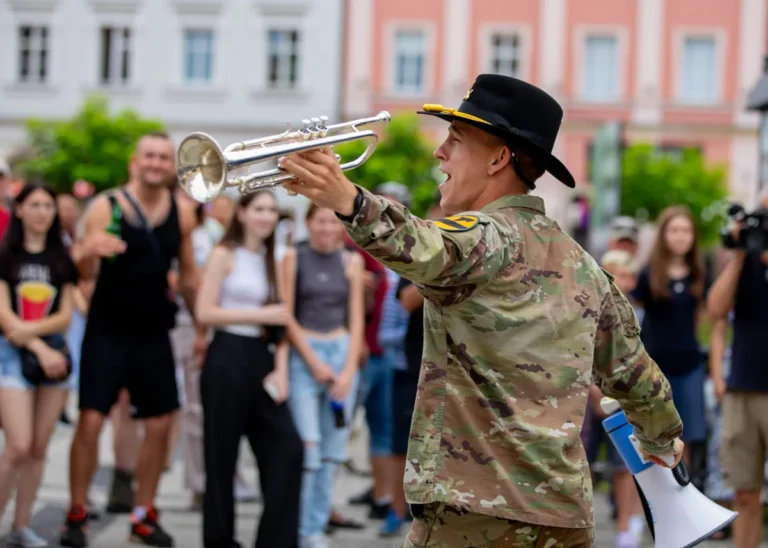
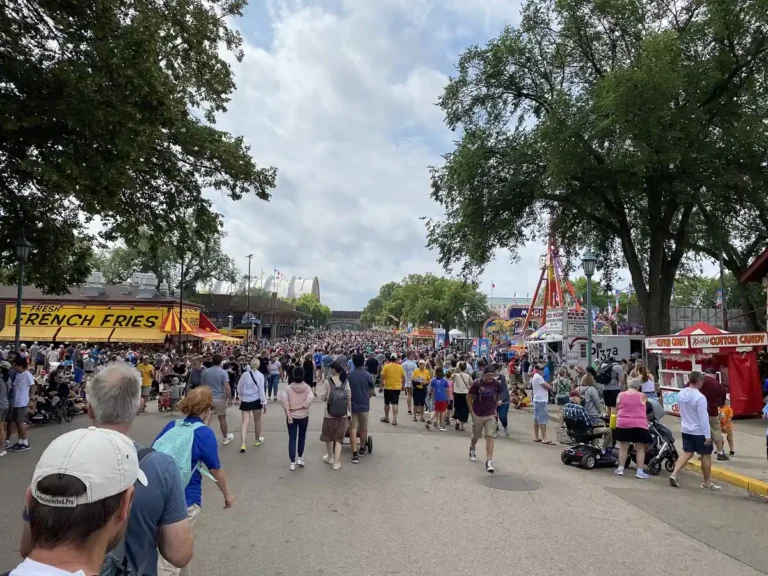
The weekend follows a three-day shape that has held across the dated editions in the record. Friday opens with a J’ouvert and day party, a daytime gathering of music and dancing. Saturday is the great day: the Trinidad-style street parade moves through the Park Heights community with mas bands in costume, steel bands, stilt walkers and drummers, and ends at Druid Hill Park, where the festival ground takes over with food, music and vendors. Sunday is Family Day, with games, arts and crafts and cultural performances for children and families, at a slower pace.
Music runs through every part of the weekend. Steel bands carry the parade, soca and reggae sounds fill the festival ground, and the headliners named in the layers read give a sense of the scale: the 2025 headliners included soca artist Pumpa, Destra and reggae singer Carl Malcolm, and soca artist Pumpa headlined the opening concert of the 2026 edition. Those names are documented performing acts, printed here exactly as the layers print them. Food is a central part of the experience too, with vendors selling Caribbean dishes alongside drinks and snacks, and the Bowl gives the whole gathering a natural amphitheatre.
Admission resists a single summary, and visitors should read the figures by year. A 2024 news layer states that tickets cost twenty-five dollars while the parade itself was free to watch. A 2024 magazine layer lists twenty dollars. A 2025 news layer lists Friday at sixty-four dollars and seventy-four cents, with Saturday and Sunday at twenty-two dollars and seventy-eight cents. No single gate position is stated across the layers, and the figures are not averaged or merged here. What is consistent is that the parade can be watched without a ticket, while entry to the festival ground is ticketed, and that prices have varied by day and by year.
Planning Your Visit
Druid Hill Park anchors the whole weekend, and the Bowl holds the festival ground. The Saturday parade starts in the Park Heights community and finishes at the park, so visitors who want the full parade should find a spot along the route early, while those who prefer the festival ground can head straight to the Bowl. One listing layer gives a different parade route ending at Clifton Park, noted here without being adopted, so check the current year’s route before setting out.
Baltimore in mid-July is hot, and the weekend is mostly outdoors. Bring water, sun protection and comfortable shoes for a weekend spent mostly on foot. The park has shade under its trees, but the open ground around the Bowl is exposed at midday. Friday’s J’ouvert and day party is a livelier, more adult opening, while Sunday’s Family Day is the gentlest day for children.
Look into ticket prices before the weekend begins. The layers give no single price, and the figures differ by year and by day, so look for the current year’s ticket information through the organiser’s own channels. The parade itself is free to watch from the street, which gives visitors a way to enjoy the centrepiece of the weekend without a ticket. Food, drinks and merchandise are sold inside the festival ground, so carrying cash or a card for purchases is sensible.
Getting there is straightforward for a city park event. Druid Hill Park sits within Baltimore, reachable by the city’s bus routes or by car, with parking around the park filling early on Saturday. Arriving before the parade moves off gives time to find a viewing spot, and leaving after the evening music means sharing the roads with the rest of the crowd, so allow extra time for the journey home.
Sample Itinerary
A first visit works best spread across two days, with Saturday for the parade and Sunday for the family programme. Arrive in the Park Heights community before the Saturday parade sets off, watch the mas bands, steel bands, stilt walkers and drummers pass, and follow the procession toward Druid Hill Park. Spend the afternoon moving between the food vendors and the music stages, and stay into the evening for the headline performances, which in 2025 included soca artist Pumpa, Destra and reggae singer Carl Malcolm.
Return on Sunday for Family Day, when the pace softens. Start with the games and arts and crafts, watch the cultural performances, and browse the vendor rows at leisure. Visitors with only one day to spare should choose Saturday for the spectacle, but the two-day shape of the weekend is the way to see the event whole.
Comparison
Baltimore’s July calendar holds more than one large outdoor celebration, and the Caribbean Carnival sits alongside them. AFRAM, the city’s African American festival, is a different event with its own history and its own Juneteenth timing. The Baltimore County African American Cultural Festival, held in Towson, is another separate gathering, and the two should not be confused with the Caribbean Carnival. The Baltimore Book Festival, held in the Waverly neighbourhood, is a literary event with author appearances and booksellers, a different kind of weekend altogether.
The closest comparison is the DC Caribbean Carnival in the District, run by a co-organiser of the Baltimore event. The two share organisational roots and a Trinidad-style parade tradition, but they are separate festivals in separate cities. The Baltimore Caribbean-American Festival in Clifton Park is a smaller, separate July event in a different neighbourhood. The Caribbean Carnival’s claim to attention rests on its parade, its music and its three-day shape.
Checklist
- Check the current year’s dates and ticket prices before travelling
- Find a parade viewing spot in Park Heights early on Saturday
- Bring water, sun protection and comfortable shoes
- Carry cash or a card for food, drinks and merchandise inside the festival ground
- Plan Sunday for Family Day if travelling with children
- Allow extra time for the journey home after the evening music
- Confirm the current parade route before setting out
- Remember the parade is free to watch, while the festival ground is ticketed
Beyond the Festival
Druid Hill Park rewards a longer stay. The park is one of Baltimore’s great green spaces, with wooded paths, open lawns and views across the city, and a morning walk there before the crowds arrive gives a quieter sense of the ground. The Park Heights community around the parade route has its own shops and street life, and the parade passes through it rather than around it.
Why It Matters
The Baltimore Caribbean Carnival matters because it brings a Trinidad-style carnival tradition into the heart of a major American city and sustains it across decades. The parade is not a sideshow but the centre of the event: mas bands, steel bands, stilt walkers and drummers moving through a neighbourhood and into a public park, watched for free from the street, is a form of public celebration that belongs to the whole city rather than only to ticket holders. That openness is part of the festival’s character, and it is why the parade is the image most visitors carry home.
The event also matters as a record of Caribbean community life in Baltimore. The food, the music, the family programming and the vendor rows all speak to a community that has made a home in the city and marks its heritage in public each July. The DC Caribbean Carnival Committee’s involvement shows that the celebration reaches beyond a single city, linking Baltimore’s Caribbean community with its counterpart in the District, while remaining firmly a Baltimore event. Some community traditions are carried forward by the people who organise them year after year rather than by a single documented beginning.
Frequently Asked Questions
What name should visitors look for when they arrive?
Look for Baltimore Caribbean Carnival or Baltimore Washington One Carnival. The layers print both forms, along with Baltimore/Washington One Carnival and Baltimore Washington One Caribbean Carnival, and the sheet title is never printed. Any of the published forms points to the same July weekend.
Can the parade be watched without a ticket?
Yes. The layers state that the parade is free to watch from the street, while entry to the festival ground is ticketed, and other layers give different ticket figures by year and by day.
Which day suits a family with young children?
Sunday Family Day is the best fit, with games, arts and crafts and cultural performances aimed at children. Saturday is the parade day and the busiest day of the weekend, while Friday’s J’ouvert and day party is the liveliest opening.
How does this event differ from the DC Caribbean Carnival?
The DC Caribbean Carnival is a separate District event run by a co-organiser, the DC Caribbean Carnival Committee. The Baltimore event shares organisational roots and a Trinidad-style parade tradition with it, but it is held in Baltimore, in Druid Hill Park, and the Washington element in its published name reflects the co-organiser.
What to Expect From the Next Baltimore City Maryland Baltimore Caribbean Carnival Festival
How often is Baltimore City Maryland Baltimore Caribbean Carnival Festival held?
The layers read show the event as a July weekend held each year, with dated editions in 2023, 2024, 2025 and 2026. The pattern across those four years is a three-day Friday-to-Sunday gathering in mid-July.
When is the next Baltimore City Maryland Baltimore Caribbean Carnival Festival?
The most recent dated edition in the layers read ran 10–12 July 2026, billed the forty-fifth year. No later edition is dated in the layers read, and the next gathering would be expected in July of the following year.
Will the dates change?
The dates have sat in mid-July across the four dated editions in the layers read: 7–9 July in 2023, 12–14 July in 2024, 11–13 July in 2025 and 10–12 July in 2026. The weekend has stayed in that window, with a Friday opening, a Saturday parade and a Sunday Family Day.
Come for the parade, stay for the music and the food, and let the three days unfold from the Friday opening party through the Saturday procession to the quieter pleasures of Sunday Family Day.