Albany County New York Altamont Fair Festival
The event this title names is the Altamont Fair, and it does not take place in the city of Albany at all. It runs for six days each mid-August at the Altamont Fairgrounds in the village of Altamont, in the Town of Guilderland in the west of Albany County. Albany, the county seat and state capital, does not host it — and the fair does not belong to Albany County alone. On its own record it is the only three-county fair in New York State, held for Albany, Schenectady and Greene counties together, and no honest account may shrink it into one county’s show.
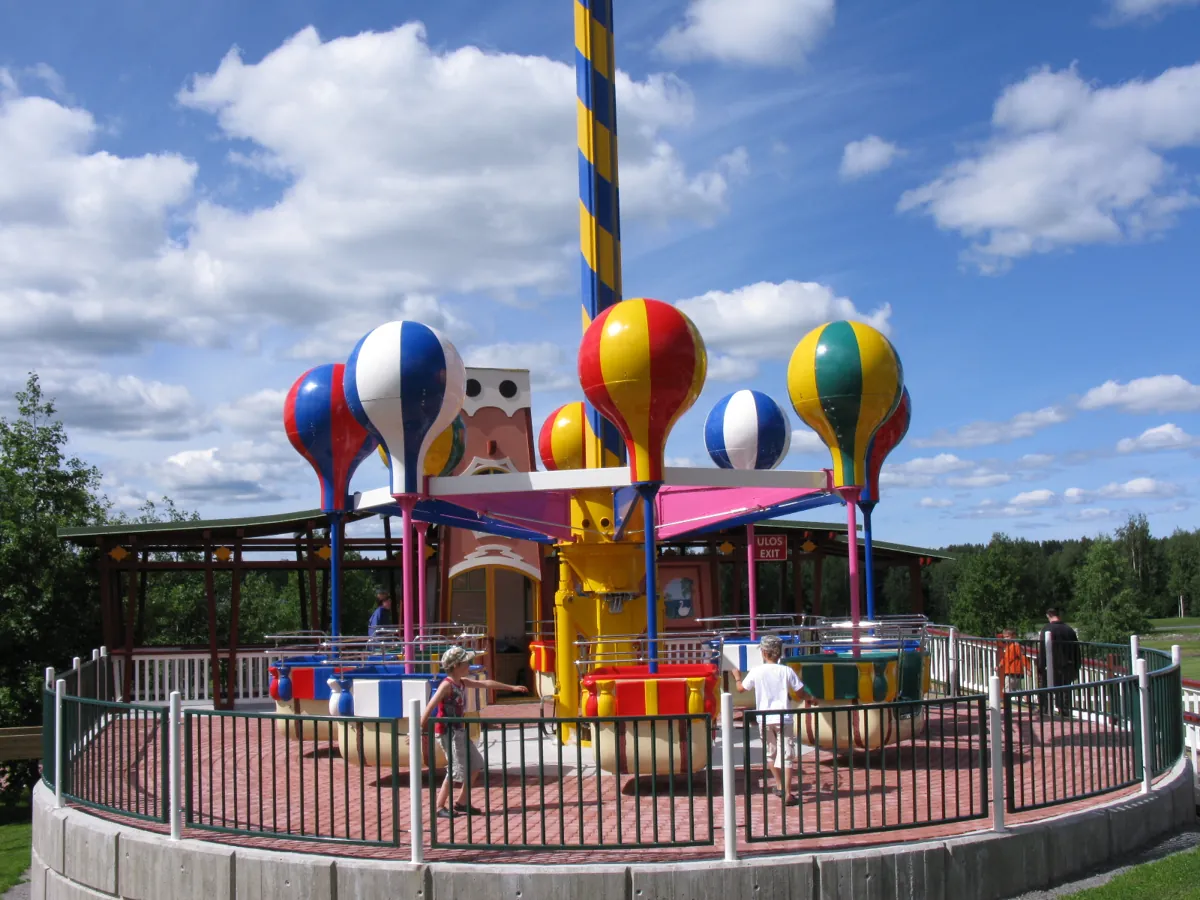
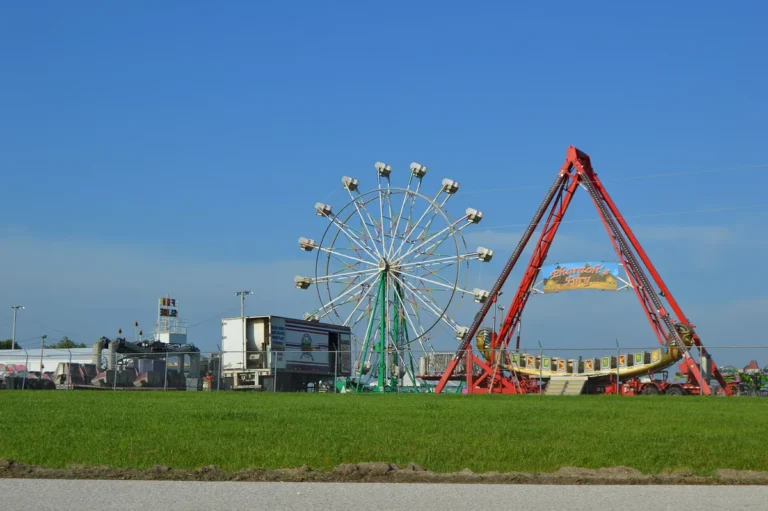
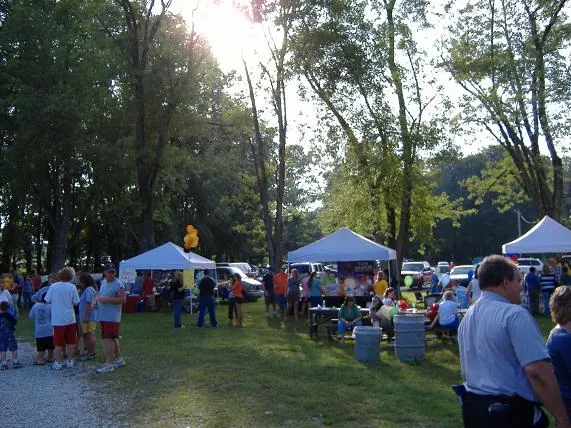
Those six days hold a full old-fashioned fair: a ladder of 4-H and open livestock shows, horse shows, a midway, a circus, racing pigs, lumberjack shows and a museum row free with admission. One change matters most: until 2022 a single pay-one-price ticket bundled gate, rides, shows and parking, but from 2023 the fair unbundled them — a cheaper gate, the midway paid separately by those who ride. Every price below carries its year, because a figure from the wrong side of that change describes a fair that no longer exists.
Three Counties Sharing One Fairground
The fair is run by a not-for-profit agricultural and historical society describing its support as coming from admissions, rentals, contributions and hundreds of volunteers. Its name is printed in more than one form, recorded here unmerged: the fairgrounds’ owner is named on the fair’s museum pages as the Albany, Schenectady, Greene County Agricultural and Historical Societies, Inc., while its history page records the association becoming officially known in 1946 as the Albany, Schenectady and Greene County Fair Association. Neither form may be shortened to an Albany-only body: Schenectady joined in 1922, Greene in 1945, and the society speaks for all three.
Cornell Cooperative Extension of Albany County runs the 4-H exhibits and livestock-show schedule at the fair and staffs a Master Gardener booth — a programme partner, never the organiser.
Quick Facts
| Item | Detail |
| Event name | The Altamont Fair |
| Counties served | Albany, Schenectady and Greene — billed by the fair as the only three-county fair in New York State |
| Fair town | Altamont, a village in the Town of Guilderland |
| County seat | Albany, the state capital, which does not host this fair |
| Venue | Altamont Fairgrounds, 129 Grand Street, Altamont, at Route 146 and Arlington Street |
| 2026 dates | Tuesday, August 18 to Sunday, August 23, 2026 |
| Organiser | The Albany, Schenectady, Greene County Agricultural and Historical Societies, Inc. (name forms vary in print) |
| 2026 gate | Ten dollars cash Tuesday, fifteen dollars cash Wednesday and Thursday, seventeen dollars cash Friday to Sunday, ages eleven and up; children ten and under free |
| Rides | Not included in the gate since 2023; an advance unlimited ride wristband cost twenty-seven dollars and twenty-five cents online in 2026 |
| Fair-week camping | None published by the fair in any source |
From a Driving Park to a Three-County Fair
The fair’s own history reaches back before Altamont, carefully. In 1819 Albany hosted the Albany Agricultural Society’s Agricultural Jubilee, remembered as the Ploughboy’s Holiday — a predecessor in the county’s story, never this fair’s founding, and no version of its age may be counted from it. The Altamont story begins in 1892, with a public meeting that formed a committee to investigate a fair. In 1893 the Altamont Driving Park and Fair Association was incorporated, bought twenty-four and a half acres of the Severson land, and ran the first fair from September 12 to 15 — twenty-five cents for adults, net receipts of eight hundred eighty-four dollars and thirteen cents, billed as the first annual Albany County Fair, harness racing its main event.
For a useful comparison, see the Valencia County New Mexico Fair Festival for another county festival.
The grounds grew: the Flower Building, later the Fine Arts and Flower Building, rose in 1896, listed on the state and national registers of historic places, and in 1897 the association became the Albany County Agricultural Society and Exposition. Schenectady joined in 1922; the fair was suspended in 1942 and 1943 during the Second World War; Greene joined in 1945; and in 1946 came the Albany, Schenectady, and Greene County Fair Association name. The fair bills itself as the only three-county fair in New York State; its press billings — a 120th year in 2013, a 123rd in 2016, a 125th in 2017 — are billings only, and with a two-year suspension inside the run, no founding year may be computed from them. The grounds’ size will not settle either: the fair’s own pages give both more than one hundred thirty-eight acres and a one hundred twenty-eight acre site, unreconciled.
What to Expect
The Museum Row That Comes With the Gate
A ring of museums stands on the grounds, free with fair admission: a Circus Museum, a working Blacksmith Shop, a one-room Schoolhouse Museum in the 1850s Knox School Number 12, a Farm House Museum, an Auto Museum, a Village and Carriage Museum, an Antique Farm Machinery Museum, a Fair History Museum and a Military Museum, alongside the Dutch Barn and the Cattle Barn.
A Livestock Ladder, Day by Day
The exhibitor core runs on a published ladder, documented for 2026 in the Extension schedule. Tuesday brought the Open ADGA Doe Show, the 4-H Poultry Show and a Horse Show; Wednesday the 4-H Rabbit and Cavy Show and the Meat and Wool Breeds Open Show; Thursday the 4-H Dairy Goat, Sheep and Dairy Cattle shows with the Open Dairy Show; Friday the 4-H Horse Show and the 4-H and Open Beef Cattle Show; and Saturday the 4-H Master Showmen Show, where the week’s best young handlers competed across species.
Circus Rings, Racing Pigs and Lumberjacks
The 2026 entertainment layer, fenced to that edition, was headed by the Royal Hanneford Circus performing daily — the circus of the recent record, never to be swapped with the Circus Hollywood of earlier years. Sherman’s Lumberjack Show performed three shows daily, Robinson’s Racing Pigs and the Dynamo Dogs drew their crowds, The Little Mermen and the Princess Pals anchored the music, and every general admission ticket in that layer included all grandstand events, circus shows and live music. Around that spine sat Corgi Races on Thursday, the Lucky E Rodeo on Friday, pie-baking contests and a Sunday Demolition Derby.
Midway Nights and Gentler Hours
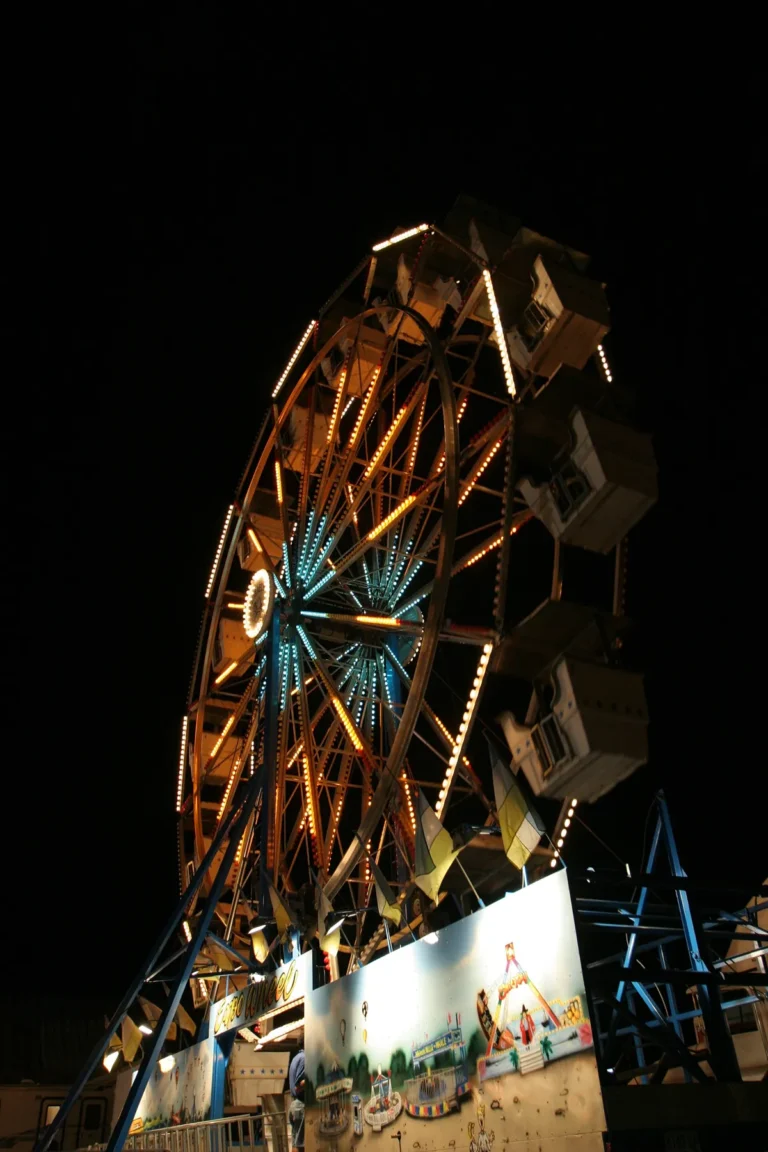
The Dreamland Amusements midway kept its own clock in 2026: from two in the afternoon on Tuesday, noon to ten on Wednesday and Thursday, to eleven on Friday and Saturday, winding down by eight on Sunday. One newer tradition carries its fence: the fair’s first low-sensory midway period ran on Thursday, August 14, 2025, from noon to two, with a sensory zone in the Dutch barn all that week — a 2025 first, carried into the 2026 record as sensory-friendly hours on Thursday afternoon.
Planning Your Visit
Getting to Grand Street
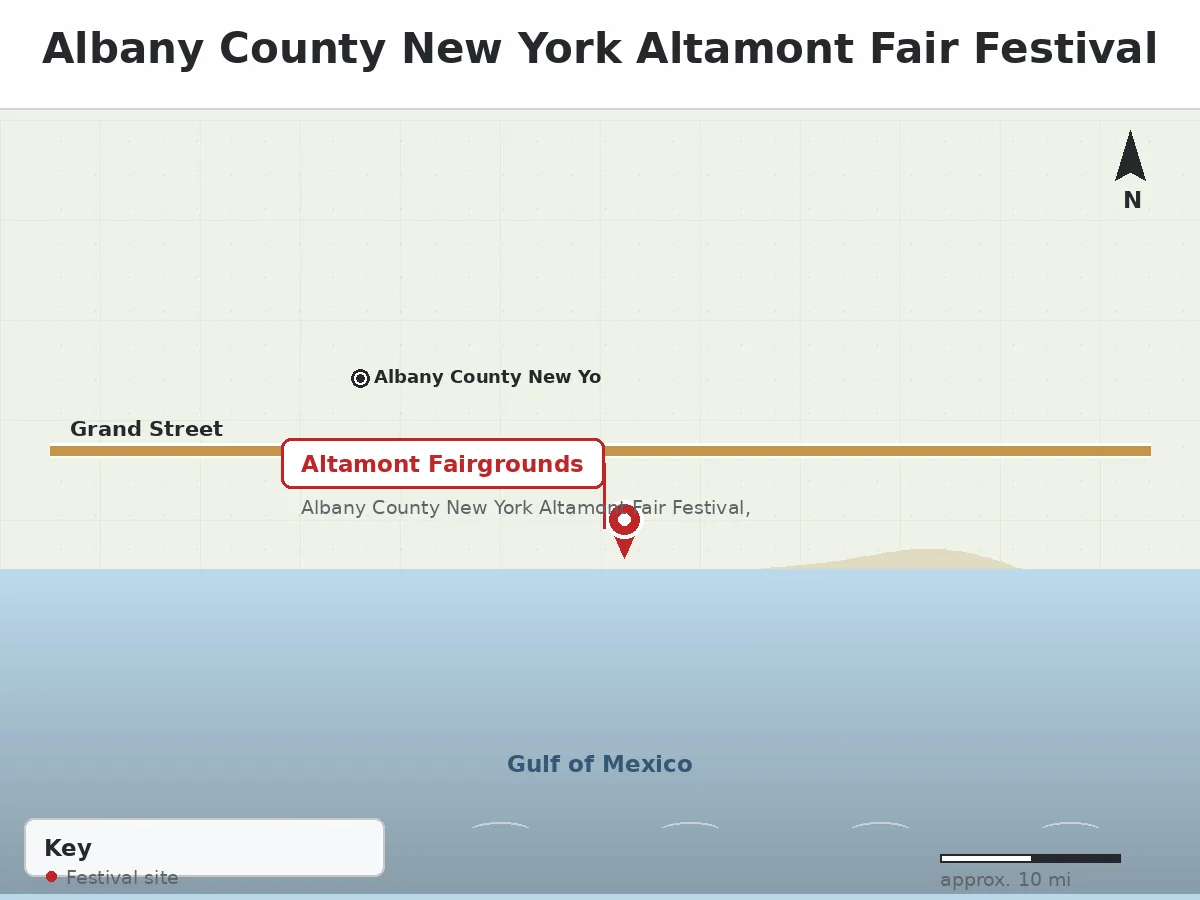
Drivers approach by Routes 146 and 156, vehicle entry by those routes, the Grand Street entrance serving pedestrians. Tuesday’s gates open at noon; from Wednesday to Sunday the public day begins at ten, the exhibitors’ separate gate at seven.
What the Gate Cost in 2026
The 2026 ladder, recorded in the 2026 listing layer, ran by the day, in cash for ages eleven and up: ten dollars on Tuesday, fifteen dollars on Wednesday and Thursday, seventeen dollars from Friday to Sunday — card and online payment slightly higher. Children ten and under entered free all week, and Wednesday was also free all day, with proper identification, for senior citizens of sixty-five and over, active military members, veterans and Grange members.
The Pricing Change, Year by Year
In 2025 the gate stood at ten dollars on Tuesday and fifteen dollars from Wednesday to Sunday, children of ten and younger free, parking stated free; that layer names no ride prices, and none may be carried into it. In 2024 it was ten dollars Tuesday, fifteen dollars Wednesday to Sunday, thirteen dollars online, a single-day unlimited ride pass at twenty-five dollars, children under ten free. The model changed in 2023, when admission over the age of ten fell to thirteen dollars and rides split off at one dollar and fifty cents a ride, or twenty-five dollars an unlimited day. Before that, pay-one-price bundled everything; its final 2022 form charged twenty-two dollars at the gate or eighteen dollars in advance online — rides, shows, exhibits and parking included, children under thirty-six inches tall free. No era-one figure may be printed as current, and no modern gate price described as including rides.
A Sample Saturday at the Fair
Begin at the ten o’clock opening, because Saturday is Master Showmen day. Give the late morning to the museum row, then lunch and a circus performance in the early afternoon. Mid-afternoon belongs to the lumberjack show and the remaining livestock classes, the early evening to the racing pigs. Ride in the long evening — Saturday’s midway ran to eleven at night in 2026 — then close with the grandstand music your gate ticket already covers.
Sleeping Over, and the Camping Answer
The fair publishes no fair-week camping offer at all — no public camping, recreational vehicle rate or reservations appear in its own record. Camping does happen here in other months, but it belongs to tenant events, whose pitch prices are never the fair’s terms. Staying visitors book ordinary lodging instead.
Two Fairs in One, Then and Now
Against an ordinary single-county fair, Altamont is a federation: three counties’ societies own it jointly, and three counties’ exhibitors fill its barns. Against its own past, the fair changed its bargain without changing its contents: the 2022 visitor paid twenty-two dollars and rode all day, while the 2026 visitor paid as little as ten dollars to walk the same grounds and museums and chose the midway as an extra. Non-riders won the change; riding families must budget the wristband on top. Nor is this the New York State Fair at Syracuse — a separate, far larger state event later in the season, whose dates and prices form no part of this record.
A Checklist Before You Set Out
- Pick your day by price as well as programme: Tuesday is the cheapest gate, the weekend ladder the dearest.
- Carry cash for the gate, because the published 2026 prices are cash prices and card payment cost slightly more.
- Bring identification on Wednesday if you qualify for the free day as a senior, service member, veteran or Grange member.
- Buy the unlimited ride wristband online in advance if your party rides — in 2026 it undercut the on-site price until the opening afternoon deadline.
- Measure young riders first, since the 2026 midway required riders to be at least thirty-six inches tall for a wristband.
- Book a room instead of a pitch, because the fair offers no camping.
- Match your visit to the livestock ladder, since each species owns a different day and Master Showmen belongs to Saturday.
- Leave real time for the museum row, which costs nothing beyond admission and is the half of the fair most visitors underrate.
Beyond the Fairgrounds
The fairgrounds keep a year of their own outside the fair’s six days. Tenant occasions fill the other seasons — a long-running old songs festival in June, the Capital District’s Scottish games in September and a Christmas village in December — each separate, with its own terms, none of it fair programme, and none of their prices or free admissions any guide to fair week. Beyond the gates, Altamont is a compact Guilderland village of porches and small shops — while Albany, seat and capital, is a separate excursion, worth its own day rather than a detour on a fair day.
Why a Three-County Fair Matters
Most county fairs answer to one county’s society and one county’s barns. Altamont’s answer to a harder question — how three neighbouring counties share one fair without any becoming the junior partner — has run since 1946, and the fair’s billing calls it the only arrangement of its kind in New York State. The museum row gives that partnership a memory, keeping the region’s rural past standing in timber rather than in text. Albany’s name opens the fair’s name, but the fair is three counties’ joint work.
Frequently Asked Questions
Where is the Altamont Fair actually held?
At the Altamont Fairgrounds, 129 Grand Street, in the village of Altamont in the Town of Guilderland — not in the city of Albany, even though Albany is the county seat and state capital.
What did admission cost in 2026?
Cash gate prices for visitors aged eleven and up ran by the day: ten dollars Tuesday, fifteen dollars Wednesday and Thursday, seventeen dollars Friday to Sunday, card and online payment slightly higher, children of ten and under free. Seniors of sixty-five and over, active military members, veterans and Grange members entered free all day Wednesday with identification.
Are the rides included in the ticket price?
Not any more. Rides were included under the old pay-one-price model, whose last form in 2022 charged twenty-two dollars at the gate with rides, shows and parking bundled in. Since 2023 gate and midway are separate: in 2026 an advance unlimited ride wristband cost twenty-seven dollars and twenty-five cents online, and single ride tickets cost one dollar and fifty cents each.
Can we camp at the fairgrounds during the fair?
No camping offer is published by the fair for fair week — no pitches, rates or reservations — and the camping that does occur at these grounds belongs to tenant events on their own weekends, under their own terms.
What to Expect From the Next Albany County New York Altamont Fair Festival
How often is the Albany County New York Altamont Fair Festival held?
Once a year, as a single six-day edition each summer — one continuous Tuesday-to-Sunday run, not separate weekend events. In the modern record it has returned every year outside its documented wartime suspension of 1942 and 1943.
When is the next Albany County New York Altamont Fair Festival?
The pattern is a Tuesday-to-Sunday week in mid-August, and the fair’s own homepage already bills the edition after 2026 as running from August 17 to 22, 2027 — a future billing for the next edition, just as the 2026 edition’s governing dates were August 18 to 23, 2026.
Will the dates change?
The weekday architecture is stable — six days, Tuesday to Sunday, in mid-August — while the calendar dates move yearly: August 12 to 17 in 2025 and August 13 to 18 in 2024, against August 18 to 23 in 2026. Expect the next edition inside the same window, its exact days fixed by the fair’s own announcement.
Come for a day at Altamont and the title resolves itself: a county seat that does not host, three counties that jointly do, museums inside the gate price and a midway honestly priced outside it. The Altamont Fair has kept that generous arrangement alive since 1893.

One Comment