Adams County Idaho Council Mountain Music Festival
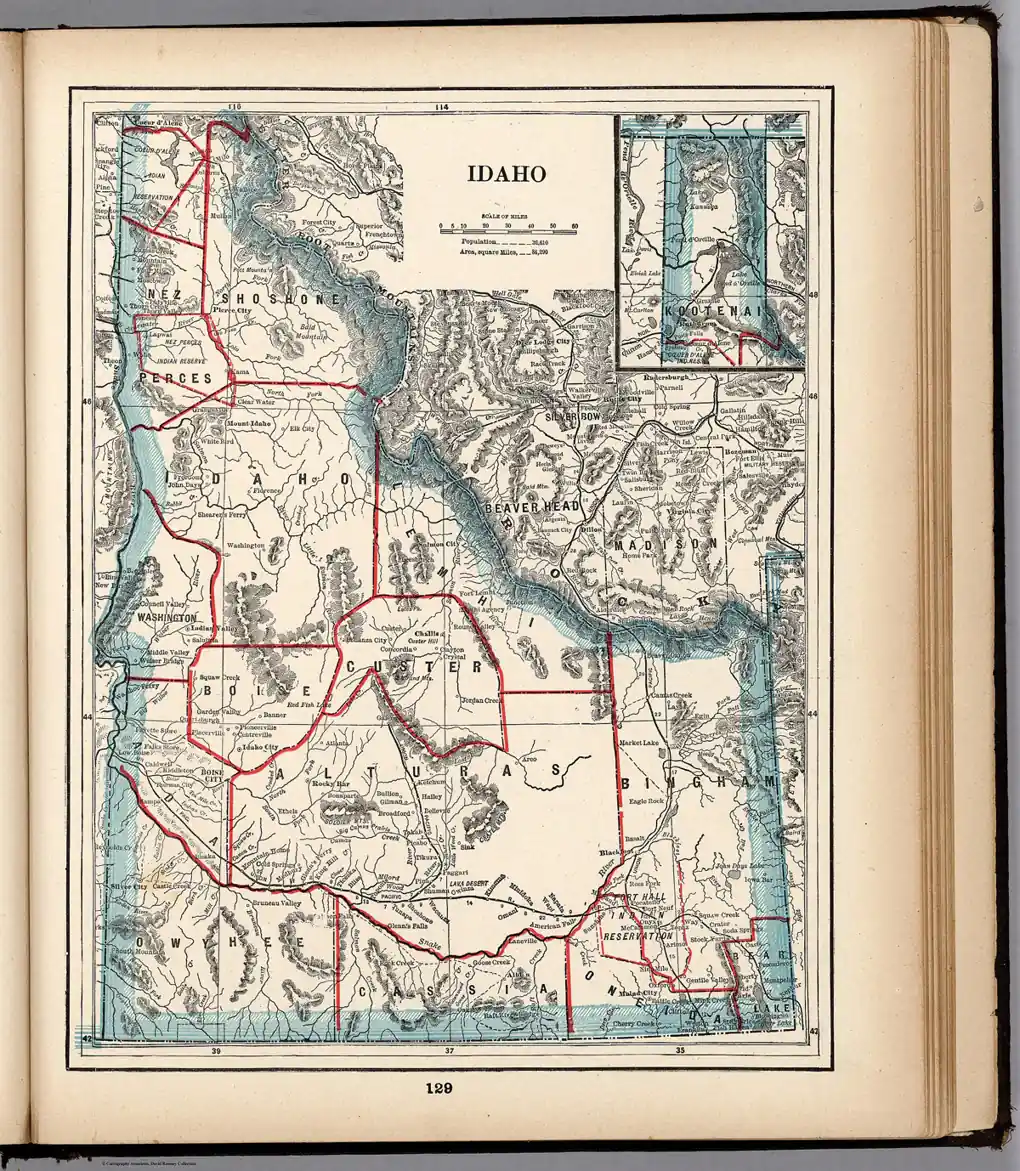
Council, Idaho, sits where the Weiser River valley opens into the mountains of west-central Idaho, and it has been the seat of Adams County since the county was established in 1911. That is a long time to be the center of anything, especially in a county covering 1,370 square miles with no large city anywhere inside its borders. Council’s role has always been practical: courthouse, school, feed store, the place where ranches and timber crews came to stock up. Once a summer, it becomes something louder. Council Mountain Music fills the town and the surrounding Adams County area with stages, folding chairs, and the sound of local bands playing under a wide mountain sky.
Council Mountain Music: County, Timing, and Setting in Brief
Before you point the car north or south on the highway, here are the fundamentals of the festival and the place that hosts it.
| Town and area | Council and the surrounding Adams County area |
| County | Adams County, Idaho |
| County seat | Council |
| Population | Small and rural, with residents spread thinly across 1,370 square miles |
| Region | West-central Idaho, high country near Council Mountain |
| Typical timing | A summer weekend, most often in July or August |
| Admission | Typically free, with food and craft vendors on site |
| Setting | Outdoor and small-town, ringed by timbered ridges |
| Features | Live local and regional music, food vendors, family-friendly daytime programming |
| Organizer | Community volunteers and local music supporters |
What Council Mountain Music Is, and Who It’s For
Council Mountain Music is a homegrown, community-scale festival staged in and around Council. It is not a fenced-in, multi-stage production with sponsor banners every ten feet. It is closer to the older model of American music gathering: a stage or two, a lineup that mixes local players with regional acts, food sold by people who live nearby, and an open lawn where families spread blankets and let the evening run long.
The name points at the setting. Council Mountain rises over the valley, and the festival borrows that landscape as its backdrop. Expect country, folk, bluegrass, gospel and rock-leaning sets — the kind of mix that works when the audience includes grandparents, teenagers and everyone in between. Because the event is small and volunteer-driven, its exact shape shifts from summer to summer; some years bring a fuller schedule than others. What stays constant is the format: outdoor, informal, affordable, and built on the idea that a rural Idaho county can put on a good show without pretending to be something bigger.
Adams County Since 1911: How a Mountain Music Tradition Took Hold
Adams County was established in 1911, with Council named as its seat. The county covers 1,370 square miles — a sprawling, thinly populated stretch of central Idaho where timber, cattle and hay have long shaped the working year. In places like this, gathering has always been a form of infrastructure. School gyms hosted dances, churches hosted potlucks, and granges hosted whatever needed hosting. Music traveled with all of it, because in rural Idaho a guitar and a fiddle cost less than almost any other form of entertainment.
That habit is the real ancestry of Council Mountain Music. The festival does not trace back to a single founder’s bright idea so much as to a persistent local instinct: when the weather is good and the work slows down, put out some chairs and play.
Over recent decades, small-town festivals across the rural West have taken on work that other institutions used to do — the mill, the depot, the packed Saturday night downtown. Council Mountain Music fits that pattern. It gives Adams County a summer date that belongs to the whole community rather than to one business or venue, and it keeps a musical tradition alive that would otherwise live mostly in living rooms and church basements.
What a Summer Weekend in Council Feels Like
The mood is relaxed and the pace is slow. People arrive early to claim shade, wander between sets, and stay later than they planned. Here is what tends to fill the hours.
Food, Vendors, and Small-Town Cooking in Council
Festival food in a county this size is usually a short list done well: burgers and hot dogs off a grill, pulled pork, fry bread or funnel cake, snow cones for the kids, and a coffee or lemonade stand doing steady business all afternoon. Local service groups and church kitchens often run booths, which means the money tends to circulate close to home. Bring cash in small bills, since card readers can be unreliable where cell coverage thins out. If you have dietary restrictions, plan on packing your own food — a small festival cannot stock for every need, and Council’s grocery options are limited.
The Music: Local Bands, Open Air, and Long Summer Evenings
The lineup leans heavily on musicians from Adams County and nearby Idaho towns, with a handful of regional acts filling out the bill. Sets tend toward acoustic and electric country, bluegrass, folk, gospel and classic rock — songs that reward a crowd that knows the words. Daytime slots are casual; the evening sets are when the lawn fills up and the temperature drops enough to make a jacket worthwhile. Between acts, you may catch informal jamming near the edges of the grounds, which is often the best music of the day.
Family-Friendly Corners of the Festival Grounds
This is a bring-the-whole-family event. Kids run the grass, dance in front of the stage and fall asleep on blankets before the last song. There is usually room to set up a shade tent, and no pressure to keep children seated or quiet. Older attendees stake out chairs in the shade and hold court. If your family includes a dog, check the current year’s rules before you load up the car — policies on leashes vary by venue and season.
Planning Your Trip to Council Mountain Music
Getting to Council and the Adams County Area
Council sits along the north-south highway corridor that runs through west-central Idaho, which makes the drive straightforward from both directions. Travelers coming from the Boise area head north; those coming from the Lewiston-Clarkston side come south through the mountains. The nearest commercial airport is in the Boise area, and from there it is a scenic drive through river canyon country. Fill your tank before you get close — services thin out, and cell signal comes and goes in the canyons.
Where to Stay in and Around Adams County
Lodging in Council itself is limited to a small number of motels, guest cabins and vacation rentals, and they book up quickly for festival weekends. Beyond town, campers and RV travelers have national forest options in the surrounding mountains, and there are more hotel rooms in the larger towns north and south along the highway. If you are set on staying close to the music, reserve months ahead or plan to camp. Campgrounds fill on summer weekends generally, festival or not.
Parking Near the Festival
Expect simple, mostly free parking in lots and along streets near the grounds, with volunteers directing traffic. Arrive early for the evening sets if you want a short walk, and be patient leaving — a small town empties a festival crowd slowly. Carpooling with neighbors or friends is both practical and in the spirit of the event.
Admission, Costs, and Cash
Admission is typically free, which is part of the point: the festival is designed so that a family can show up without deciding who gets to go. Your real spending will be food, drinks, raffle tickets, merchandise from the bands, and donations if a collection bucket comes around. Bring cash, keep some small bills handy, and treat any donation as what it is — fuel for next summer’s lineup.
Mountain Weather and What to Wear
Summer days in this part of Idaho can be genuinely hot, and summer evenings can be genuinely cold. The temperature swing between afternoon and midnight is the single biggest comfort factor at an outdoor festival here. Pack a hat, sunscreen, sunglasses, a refillable water bottle, a light rain shell for afternoon thunderstorms, and a warm layer you will be glad you brought after sunset. Closed-toe shoes handle grass, dust and gravel better than sandals.
A Sample Council Mountain Music Weekend, Start to Finish
Friday. Arrive in the afternoon, check in, and take a slow drive through Council to get your bearings. Grab an early dinner, then head to the grounds for the opening sets. Friday crowds are the smallest of the weekend, which makes it the best night for actually getting close to the stage.
Saturday. Start with coffee and a walk. Spend the middle of the day on a nearby forest road or along the river, then return for the afternoon and evening music. This is the big day, so claim your spot early, eat from the vendors, and stay for the closing set. If you are camping, the drive back to camp under a dark sky is its own reward.
Sunday. Sleep in, find breakfast in town, and catch whatever farewell music is scheduled before the long drive home. If you have time, take the scenic route rather than the fast one — this is country worth looking at twice.
How Council Mountain Music Compares With Nearby Idaho Gatherings
Adams County is not the only rural Idaho county that throws a party in summer. The differences are mostly about scale and character.
| Event or town | Season | Character |
| Council Mountain Music (Council) | Summer | Free, volunteer-run, local and regional bands, mountain backdrop |
| Weiser, down the valley to the south | Early summer | Long-running old-time fiddling contest that draws musicians and listeners from well beyond the county |
| McCall, north in the mountains | Winter | Snow-sculpture carnival and lake-town energy, a cold-weather counterpart to summer music |
Compared with a fiddling contest, Council Mountain Music is broader in genre and looser in format. Compared with a resort-town winter carnival, it is smaller, cheaper and more local. If you have a free summer weekend and want music without a long line at the gate, this is the one to circle.
Your Council Mountain Music Prep List
Pack like you are going to a friend’s backyard party that happens to last all day: folding chairs or a blanket, a shade canopy if you have one, a cooler with water, sunscreen, bug spray, a warm layer for the evening, and cash for vendors. Charge your phone, but do not count on much signal.
Before you leave home, confirm the current year’s schedule, venue and start times through the festival’s own channels, since a volunteer-run event can shift details from one summer to the next. Book lodging early, tell someone where you are going if you plan to camp, and leave the itinerary loose enough to enjoy the detours.
Beyond the Music: Exploring Adams County
Make a weekend of it and the county rewards you. Forest roads climb out of the valley into the Payette National Forest, where trails lead to ridgelines and alpine lakes. The Weiser River and its tributaries offer fishing and quiet banks for a picnic. Council Mountain itself is the landmark everyone uses to orient themselves, and the drive toward it is worth an afternoon. In town, the pace is unhurried: a couple of cafés, a grocery store, a hardware store that has seen everything, and the courthouse that has anchored the county since Council became its seat. Bring binoculars for wildlife along the river bottoms and a camera for the light in the late afternoon.
Why This Festival Matters to Council and Adams County
In a county of 1,370 square miles with a small, scattered population, shared events do more than entertain. Council Mountain Music gives local musicians a real stage, gives young players something to aim for, and gives neighbors who live miles apart a reason to stand in the same field. It also puts visitors into local motels, restaurants and gas stations at the height of summer. Most of all, it is a statement of identity: Adams County is remote, but it is not empty, and it knows how to throw a good evening.
Where Council Mountain Music Happens
Council Mountain Music takes place in and around Council, the Adams County seat, in the high country of west-central Idaho below Council Mountain.
First-Timer Questions About Council Mountain Music
Is Council Mountain Music free to attend?
Admission is typically free, which keeps the festival accessible to local families and to travelers passing through on a summer weekend. You will still want cash for food, drinks and band merchandise, and donations are usually welcome.
When is the festival usually held?
It is a summer event, most often on a weekend in July or August. Because the schedule is set year by year by local volunteers, confirm the current season’s dates through the festival’s own announcements before you book lodging.
What should I bring to an outdoor festival in Adams County?
A chair or blanket, water, sunscreen, a hat, a rain shell and a warm layer for after dark. Mountain evenings here cool off fast, and afternoon thunderstorms are a normal part of Idaho summers.
Is it a good event for children and older visitors?
Yes. The grounds are informal, the volume is reasonable, and there is room to move around. Bring shade, water and a plan for the evening temperature drop, and you can comfortably stay for the whole day.
What the Next Few Summers Could Look Like for Council Mountain Music
The festival’s future depends on the same things that built it: volunteers, local sponsors, good weather and an audience willing to show up. Growth will likely stay modest by design — a bigger festival would strain parking, lodging and the volunteer crew that makes a free event possible. The more realistic path is steady improvement: a slightly stronger lineup each year, better signage and shade, and a continued emphasis on local talent. For visitors, that means the festival you find this summer will feel recognizably like the one five summers from now: small, warm and worth the drive.
Last updated: October 2026
If you have been looking for a reason to point the car toward central Idaho, Council Mountain Music is a good one. Come for the music, stay for the mountains, and leave with the particular satisfaction of a weekend spent in a place that still does things its own way.