Acadia Parish Louisiana Roberts Cove Germanfest Festival
In a quiet corner of Acadia Parish, about three miles northwest of Rayne, a small unincorporated community keeps a German heritage alive with music, food, and family memory. Roberts Cove does not look like a festival town for most of the year. It is a rural settlement of homes, fields, and a parish church, settled by German families who built a life around faith, farming, and kinship. Once a year, in early October, the community opens its church grounds to visitors and celebrates that inheritance in the open air. The Roberts Cove Germanfest brings together descendants of the founding families and guests from across south Louisiana for two days of polka music, German cooking, folk dancing, genealogy, and quiet conversation under the oaks. It is not a large commercial fair, and it does not try to be one. Its appeal lies in its scale and its sincerity: a community festival where the people serving the food are often the same people whose grandparents planted the first crops on the surrounding land. Visitors come for the bratwurst and the accordion music, and stay for the genealogy tables and the German Heritage Museum, which give the weekend its depth.
About the Festival
The Roberts Cove Germanfest is the annual public celebration of the German community of Roberts Cove, held on the grounds of Saint Leo IV Catholic Church. One layer prints the church name as “St. Leo IV Catholic Church”, and the grounds around the church form the heart of the festival, with food stands, music, exhibits, and gathering space arranged within easy walking distance of one another. The event is presented as the community’s own festival, held at its parish church, rather than as a production of an outside organiser. The Roberts Cove German Heritage Museum takes part as a participating institution, opening its doors during the festival and displaying the objects, photographs, and records that document the settlement’s German roots. The name also appears in print as “Roberts Cove German Fest” and the shorter “Germanfest”, but its main printed form is Roberts Cove Germanfest. One layer loosely headlines it as an Oktoberfest, but that is that layer’s framing, not the event’s name. The celebration keeps its focus on the German families of Roberts Cove: their food, their music, their dancing, and their family histories. Descendants perform German singing and folk dancing, and genealogy displays honour the founding families. Agricultural demonstrations recall the farming life that has sustained the community.
Quick Facts
| Detail | Information |
| Festival name | Roberts Cove Germanfest |
| Parish | Acadia Parish, Louisiana |
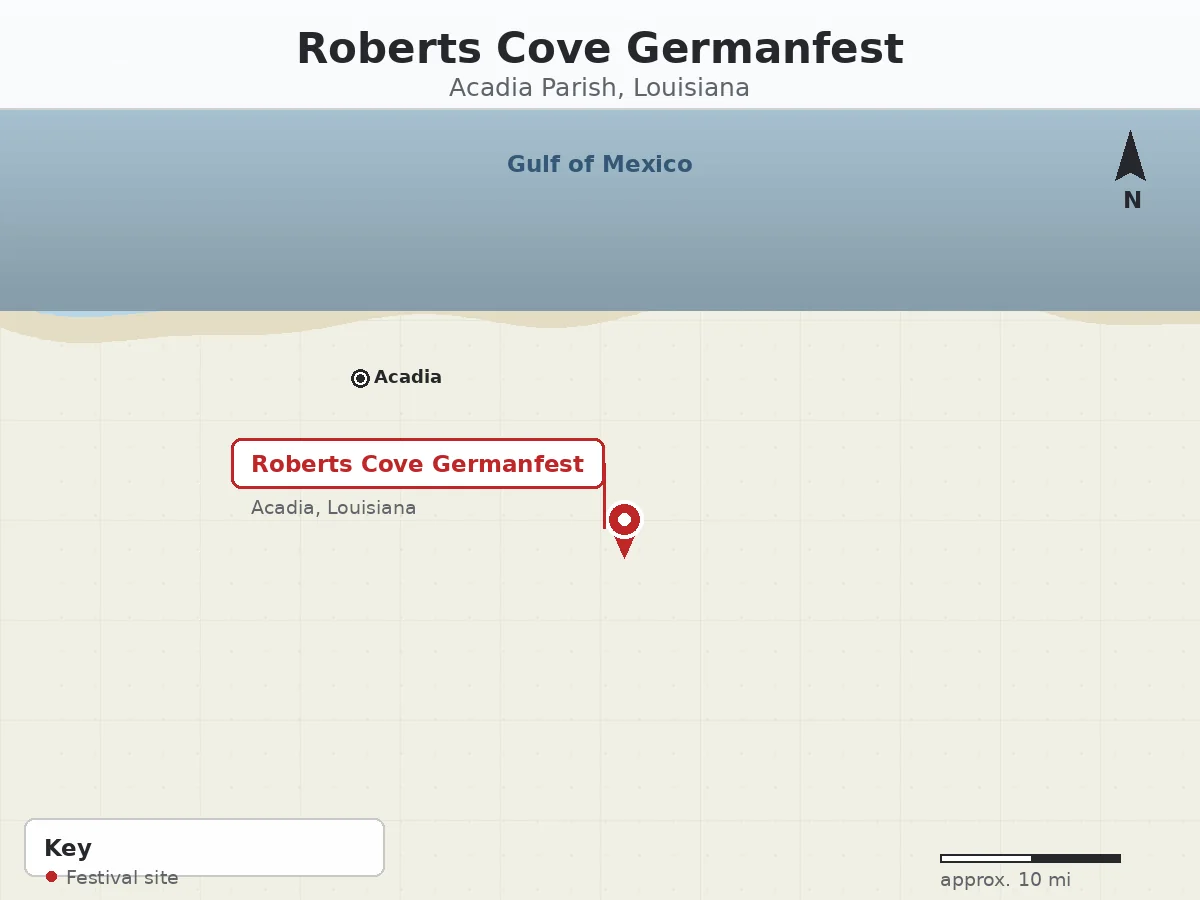
| Host community | Roberts Cove, about three miles northwest of Rayne |
| Parish seat | Crowley, not Roberts Cove |
| Venue | Grounds of Saint Leo IV Catholic Church, Roberts Cove |
| Usual timing | Early October, over two days |
| Recent editions | October fourth and fifth, twenty twenty-five; October third and fourth, twenty twenty-six |
| Signature foods | Bratwurst, sauerkraut, and potato stew |
| Signature sounds | Polka and accordion music, German singing |
| Heritage focus | Genealogy displays, the German Heritage Museum, agricultural demonstrations |
History
The roots of the Roberts Cove Germanfest reach back to the nineteen sixties, when German families in Roberts Cove began gathering for yearly family reunions. Those reunions were private affairs at first, held among kin who shared the same surnames, the same church, and the same memories of the settlement’s early years. Over time the gatherings grew, and scattered families returned each year to renew ties that distance had stretched but never broken. In nineteen ninety-five the celebration changed character: it opened to the public and took the name Roberts Cove Germanfest, becoming a festival that welcomed neighbours and visitors alongside the descendants themselves. A festival-listing layer likewise states that the festival was started in nineteen ninety-five by German descendants, and the two accounts sit side by side in the record without being merged into a single story. The parish newspaper layer billed the twenty twenty-six edition as the thirty-second Roberts Cove Germanfest, and that billing is recorded as printed, without deriving a founding year from it. The festival thus carries two strands: the private reunion tradition begun in the nineteen sixties, and the public celebration that has run since nineteen ninety-five. The German Heritage Museum preserves the material side of this story, holding photographs and objects from the settlement’s German past. Genealogy stations carry the work further, helping visitors trace their own lines back to the founding families.
What to Expect
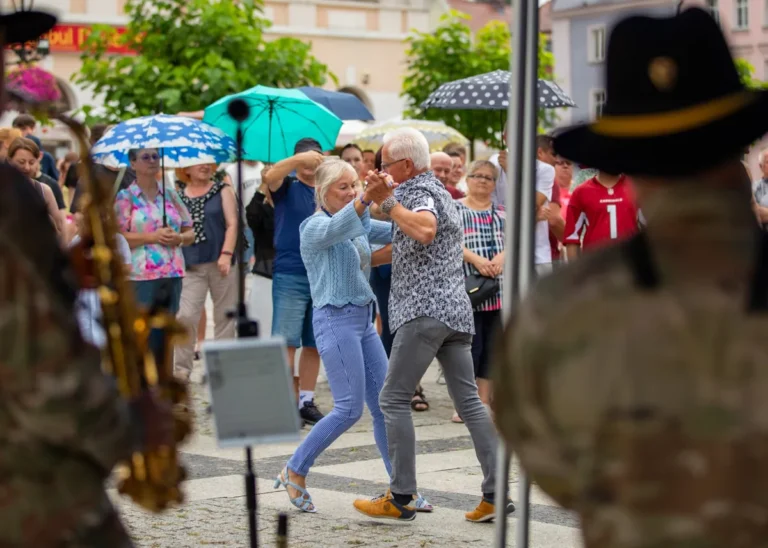
Arriving at the Roberts Cove Germanfest means stepping onto the church grounds and finding a festival that unfolds at a gentle pace. Polka music and accordion playing fill the air for much of the day, and German singing and folk dancing by descendants give the celebration its most distinctive sound. Food stands serve bratwurst, sauerkraut, and potato stew, and visitors often eat in small groups, talking with neighbours and strangers alike. Genealogy stations invite guests to look up family names and to hear the stories behind them, and the displays honouring the founding families reward a slow look rather than a quick pass. Agricultural demonstrations recall the farming life that shaped the community. The German Heritage Museum stands open throughout the festival, and its rooms offer a quieter counterpoint to the music outside, with exhibits that trace the settlement’s German roots in photographs and objects. Children have activities of their own. A Mass celebrated in German formed part of the twenty twenty-five edition, giving the weekend a spiritual centre that sets it apart from an ordinary street fair.
Planning Your Visit
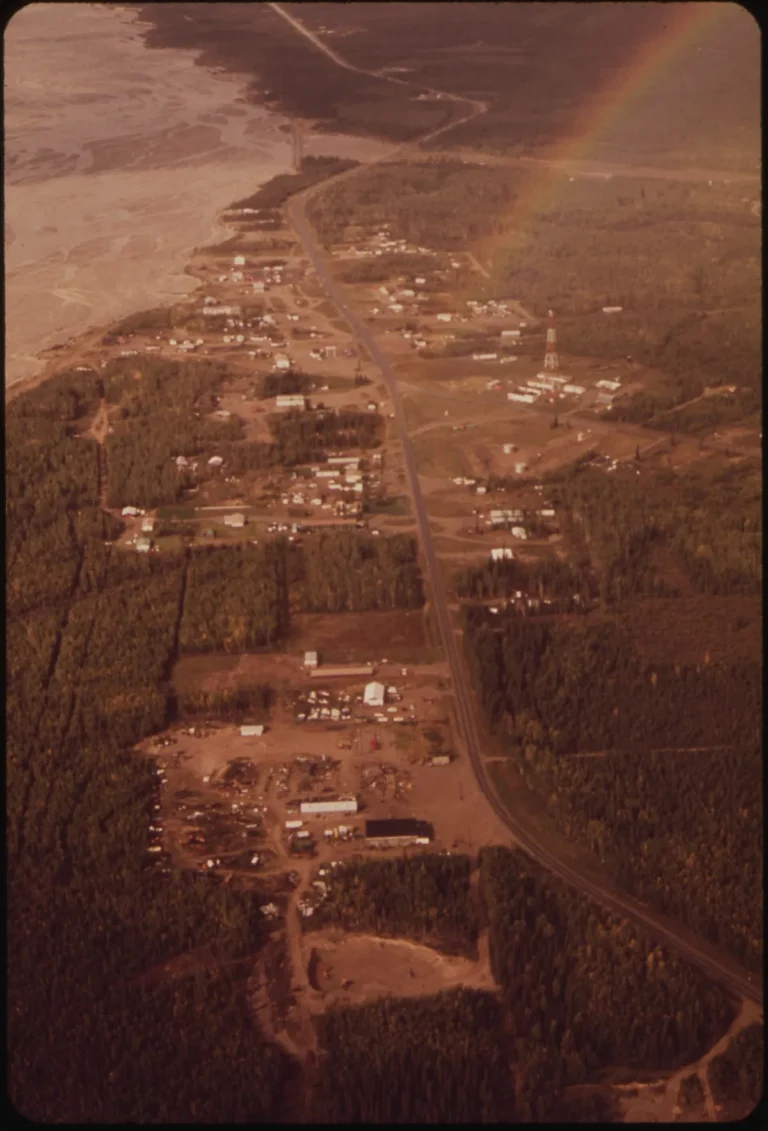
Roberts Cove lies about three miles northwest of Rayne, and most visitors reach it by car along the parish roads that link Rayne with the surrounding countryside. Crowley, the parish seat, offers the nearest lodging, fuel, and dining, while Rayne provides a closer base for those who want to stay near the grounds. The festival takes place on the grounds of Saint Leo IV Catholic Church, and parking and walking routes are arranged around the church property, so comfortable shoes and sun protection are worth bringing for a day spent largely outdoors. Early October in south Louisiana can still be warm, and a hat, water, and light clothing make the day easier, especially for families with children. As guests of a community gathering, visitors should bring patience for food stand lines, curiosity for the genealogy tables, and time for the museum. A visit to the museum early in the day gives the music and food that follow a richer context. The festival deserves a full day rather than a hurried hour, and an overnight stay in Rayne or Crowley makes the two-day schedule easy to enjoy.
For a useful comparison, see the Woodford County Kentucky Versailles Twilight Festival for another county festival.
A Sample Itinerary
A good first day at the Roberts Cove Germanfest begins in the morning, when the church grounds are still cool and the music is just starting. Arrive early enough to walk the grounds before the crowds gather, and make the German Heritage Museum your first stop, where the exhibits set the settlement’s story in front of you before the day’s noise begins. From the museum, move to the genealogy stations and ask the volunteers about the founding families and the farms they worked. By midday the food stands are in full swing, and a plate of bratwurst with sauerkraut and potato stew makes a fitting lunch. The afternoon belongs to the music: find a seat near the polka players, listen to the accordion, and watch the German singing and folk dancing by descendants, which carry the festival’s heart in their voices and steps. Agricultural demonstrations run through the afternoon as well. As evening approaches, return to the museum for a second look, or simply sit on the grounds and let the music carry the day to its close. A second day can follow the same rhythm more slowly, with more time at the genealogy tables and the museum.
How It Compares
South Louisiana is rich in festivals, and the Roberts Cove Germanfest stands apart from its better-known neighbours by its scale and its focus. The International Rice Festival in Crowley is a large civic celebration built around the rice harvest, with parades, pageants, and crowds that fill the town; the Germanfest, by contrast, gathers on a single church ground. The Frog Festival in Rayne celebrates that town’s frog-leg industry, and it too draws far larger crowds than Roberts Cove ever seeks. Oktoberfest events elsewhere borrow a German theme for a general audience, but the Germanfest is not an Oktoberfest: its German character comes from the families who settled the cove, and its programme reflects a living community rather than a borrowed motif. There are no long midway lines and no sprawling vendor rows here; instead there is a church ground, a museum, a set of food stands, and a community that knows its own history. The Germanfest trades spectacle for intimacy, and for travellers who value a festival that belongs to a place, that trade is the point.

Checklist
- Bring comfortable walking shoes for a day spent on church grounds
- Carry sun protection and water for warm early October weather
- Arrive early to visit the German Heritage Museum before the crowds
- Bring family names to look up at the genealogy stations
- Allow a full day rather than a hurried hour at the festival
- Plan lodging in Rayne or Crowley, the nearest towns with more options
- Leave room in the day for the music, the food, and the museum alike
Beyond the Festival
Roberts Cove sits in a parish with plenty to explore once the Germanfest day is done. Rayne, about three miles to the southeast, is the nearest town, and its streets repay a short visit. Crowley, the parish seat, lies a short drive away and holds the parish’s civic centre, its historic downtown, and the rice country that has shaped Acadia Parish for generations. Crowley’s International Rice Festival is a different event, but its home town is worth a walk even outside festival season, and the surrounding rice fields give the drive a character all its own. The Frog Festival in Rayne is likewise a separate celebration, yet Rayne’s identity as a festival town adds another layer to a visit centred on Roberts Cove. Travellers with more time can follow the parish roads through the small communities that dot the prairie, each with its own church and school, and the countryside between them shows the agricultural landscape the festival recalls. A weekend built around the Germanfest can stretch into a wider tour of Acadia Parish, with the church grounds of Roberts Cove as its quiet centre.
Why It Matters
The Roberts Cove Germanfest matters because it keeps a specific community’s memory alive in public, year after year. German families settled the cove around their church, their farms, and their kin, and the festival carries that life forward for descendants and visitors to share. The yearly family reunions of the nineteen sixties were private acts of remembrance; the public festival that began in nineteen ninety-five turned that remembrance outward, inviting neighbours and strangers to learn the songs, taste the food, and hear the names of the founding families. The museum gives that invitation a permanent home, preserving photographs and objects that would otherwise scatter, and the genealogy stations connect a visitor’s own family name to the settlement’s story. A Mass celebrated in German during the twenty twenty-five edition showed that the festival’s roots are spiritual as well as cultural, tied to the parish church whose grounds host the gathering. Where other festivals grow into large commercial events, the Germanfest has kept its community scale: it remains the community’s own, held on its own ground, in honour of its own people.
Frequently Asked Questions
What kind of food will I find at the Germanfest?
German food anchors the festival table, with bratwurst, sauerkraut, and potato stew among the dishes served on the church grounds. The dishes reflect the German cooking traditions the founding families brought to Roberts Cove. Expect hearty, simple fare served outdoors, best enjoyed at a shared table.
Can I learn about my own family history while I am there?
Yes, genealogy is one of the festival’s central features. Genealogy stations display the names and stories of the founding families, and volunteers help visitors look up family lines connected to Roberts Cove. The museum adds photographs and objects that place those names inside the settlement’s wider story.
Is the festival a large commercial fair?
No, it is a community festival held on the grounds of Saint Leo IV Catholic Church, and its scale reflects that character. There are food stands, music, exhibits, and children’s activities, but the gathering is organised around the Roberts Cove community itself rather than around a commercial midway. The atmosphere is warm, unhurried, and personal.
What is the German Heritage Museum, and is it open during the festival?
The German Heritage Museum is a participating institution in the festival, and it stands open during the celebration. Its exhibits document the German settlement of Roberts Cove through photographs, records, and household objects, and a visit there gives the music, food, and genealogy displays a deeper context. Many visitors find the museum the most rewarding part of the day.
What to Expect From the Next Acadia Parish Louisiana Roberts Cove Germanfest Festival
How often is Acadia Parish Louisiana Roberts Cove Germanfest Festival held?
The festival gathers once each year in early October, over two days on the grounds of Saint Leo IV Catholic Church in Roberts Cove. Its roots reach back to yearly reunions in the nineteen sixties, and it has been public since nineteen ninety-five.
When is the next Acadia Parish Louisiana Roberts Cove Germanfest Festival?
The most recent documented editions fell in early October: October fourth and fifth in twenty twenty-five, and October third and fourth in twenty twenty-six. Following that pattern, the next gathering would be expected in early October of the following year, with exact dates announced as the season approaches.
Will the dates change?
The festival has kept to early October in the documented editions, with the twenty twenty-five gathering on October fourth and fifth and the twenty twenty-six gathering on October third and fourth. The exact weekend can shift by a few days from one year to the next, so the precise dates for the coming edition are worth confirming once the community publishes them.
The Roberts Cove Germanfest endures because the community behind it endures. On a quiet church ground about three miles northwest of Rayne, descendants of German settlers gather each October to sing the old songs, serve the old dishes, open the museum doors, and trace the family names that tie them to the cove. Visitors who come with curiosity and time to spare will find a living heritage, kept with care and shared with generosity.