Cobb County Georgia International Festival
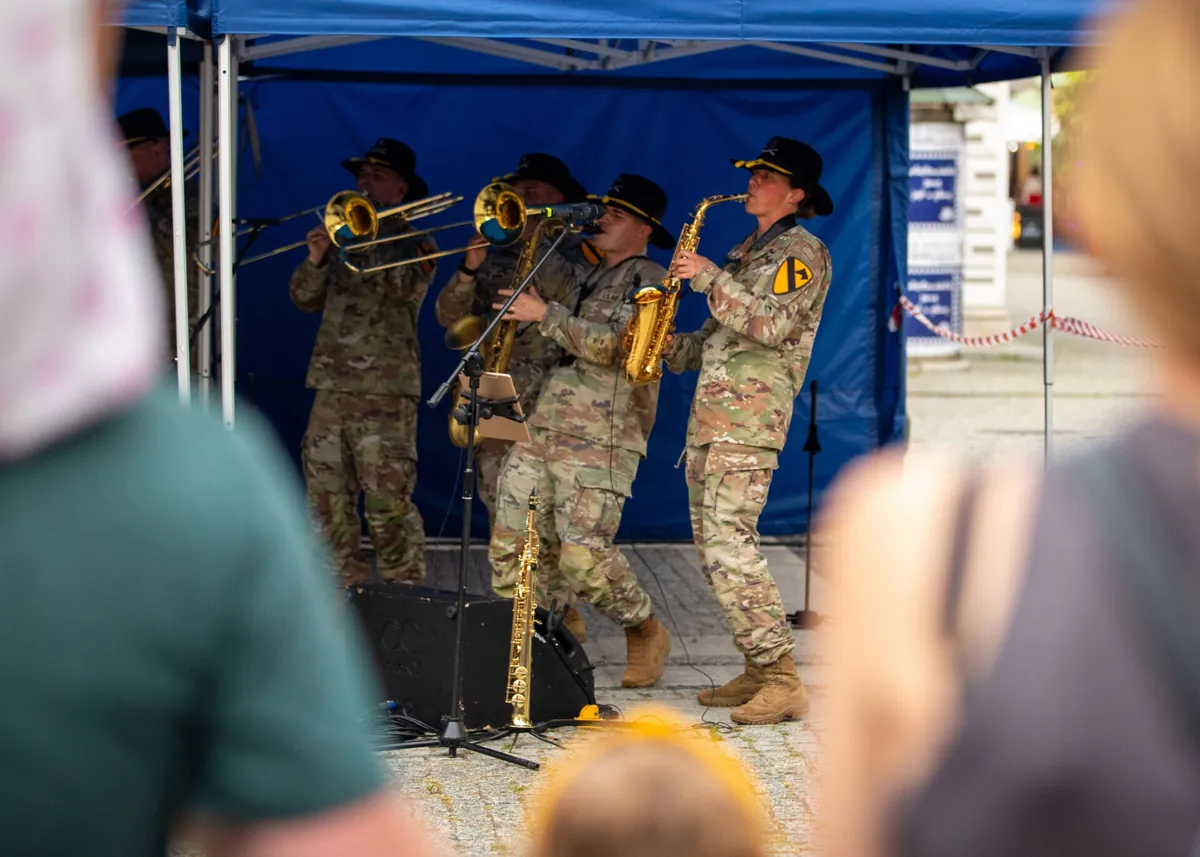
A smooth festival day in Cobb County rarely happens by accident. The Cobb County Georgia International Festival brings together food, music, dance, crafts, and neighbors from one of Georgia’s largest counties, and the best visits start with a simple plan: know how you will arrive, where you will park, what you want to eat first, and how much time you want to spend in each zone. This guide is built for that kind of logistics-minded traveler, whether you live minutes away in the Cobb County area or you are driving in from elsewhere in north-central Georgia.
Cobb County Georgia International Festival: Quick Reference for Trip Planning
| Festival | Cobb County Georgia International Festival |
| Town / place | Cobb County area |
| County | Cobb County, Georgia |
| County seat | Marietta |
| Population | 766,149 |
| Region | North-central Georgia |
| Typical timing | Often held in a spring or fall festival window; confirm the current year’s official calendar |
| Admission | Typically free to enter; vendors and some activities may charge separately |
| Setting | Outdoor festival grounds in the Cobb County area |
| Features and organizer | International food, music, dance, crafts, and family programming; organized by Cobb County community and cultural partners |
What the Cobb County Georgia International Festival Brings to North-Central Georgia
The Cobb County Georgia International Festival is a cultural gathering for a county that is both large and varied. Cobb County was founded in 1832 and named for Thomas Willis Cobb. It covers 345 square miles in north-central Georgia and is home to 766,149 residents. That scale matters. A county this size can support a festival that feels broad enough to represent many traditions while still being rooted in local neighborhoods, schools, churches, small businesses, and community groups.
The festival’s appeal is not only the chance to try a new dish or hear an unfamiliar rhythm. It is the chance to see Cobb County’s many cultures in one place, on the same afternoon, with families moving between stages, food stalls, craft tables, and open lawns. The atmosphere is typically informal and outdoor, which means the experience is shaped by weather, crowd flow, and how well visitors plan their arrival and departure. Admission is often free to enter, but individual vendors and activities may set their own prices, so a flexible budget is useful.
For first-time visitors, the most important mental shift is this: treat the festival like a small city with its own rhythm. The early hours are usually best for parking, stroller space, and shorter food lines. Midday brings the biggest energy and the longest queues. Late afternoon can be ideal for performances and relaxed browsing. Knowing that rhythm ahead of time helps you decide whether to arrive at opening, come for a specific performance, or split the visit into two shorter trips.

How Cobb County’s International Festival Took Shape Over Time
Cobb County’s story begins in 1832, when the county was founded and named for Thomas Willis Cobb. Over the following decades, the area grew from a rural and railroad-linked region into a major suburban and commercial part of north-central Georgia. The county’s 345 square miles now hold a population of 766,149, and that growth has brought residents with roots in many parts of the world. The International Festival reflects that long transformation.
Community festivals rarely appear fully formed. They usually begin with a simple idea: invite neighbors to share food, music, and traditions in a public space. In Cobb County, that idea fits naturally with a county seat like Marietta and with the many local districts, parks, and gathering places spread across the area. The festival gives those communities a shared calendar moment, a place where a school group, a dance troupe, a home cook, and a craft vendor can all be part of the same event.
While the exact early milestones of the festival are best confirmed through current organizers and local archives, the broader arc is clear. As Cobb County became more diverse, the festival became more useful as a meeting point. It is not a museum piece about culture; it is a live, busy, food-and-music-driven gathering that changes with the people who take part. That is why a logistics-savvy approach works so well: the event is dynamic, and the more you know about its layout and timing, the more you can enjoy it.
Navigating the Sights, Sounds, and Tastes in Cobb County
Food Stalls and Global Flavors in Cobb County
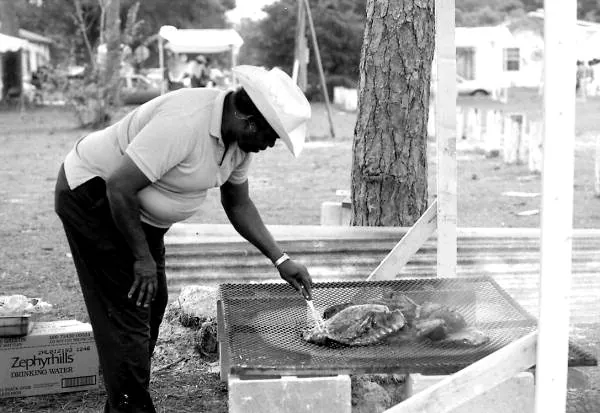
Food is often the main draw at an international festival, and the Cobb County Georgia International Festival is no exception. Expect a mix of savory dishes, sweets, drinks, and snacks that reflect traditions from multiple regions. Some vendors may offer familiar festival staples, while others may introduce dishes that are new to you. Portion sizes vary, so a good strategy is to share items across your group and try more flavors without overcommitting to one large plate.
Lines can build quickly around the most popular stalls. If you have a must-try dish, visit it early or late rather than at the peak lunch hour. Carry a refillable water bottle if allowed, and check whether vendors prefer cash or card. Many festivals now accept both, but a small amount of cash can still be useful for tips, small vendors, or unexpected fees. If you have food allergies or dietary restrictions, ask questions directly at the stall before ordering; ingredient practices vary from vendor to vendor.
Music, Dance, and Entertainment Across the Festival Grounds
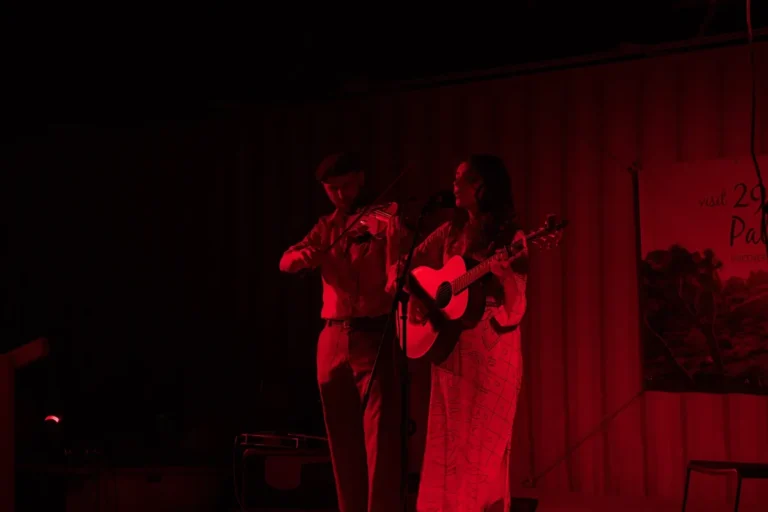
Music and performance give the festival its pulse. Stages or performance areas may feature live bands, solo musicians, dance groups, and cultural presentations. Because schedules can change, pick up a program or check the official event map when you arrive. If a particular performer is your priority, stake out a spot a little early. Sound carries differently in open outdoor spaces, so the best listening position may not be the closest one to the stage.
Between sets, use the time to explore craft booths, community tables, and demonstration areas. These quieter pockets often hold the most personal interactions, whether you are learning about a traditional craft or talking with a local organization. The festival is also a good place to let children see performance up close; just keep an eye on crowd flow and set a clear meeting point in case anyone gets separated.
Family-Friendly Activities for Cobb County Kids and Parents
Families are a core part of the festival audience, and many activities are designed with younger visitors in mind. Look for hands-on craft stations, games, face painting, cultural demonstrations, and open space where kids can move. A stroller can work well in some areas, but crowded food rows and uneven grass may make a carrier or wagon easier in others. Comfortable shoes for everyone are a small detail that pays off over a long day.
Plan for basic needs before they become urgent. Know where the restrooms, first-aid station, and family meeting point are located. Bring sunscreen, hats, and a light layer if the forecast shifts. If your child has a favorite snack or a sensory need, pack it. The festival is meant to be lively, but a little preparation helps families enjoy the noise, colors, and crowds without wearing out too soon.
Planning Your Trip to the Cobb County Georgia International Festival
Getting to the Cobb County Festival Without the Guesswork
Cobb County sits in north-central Georgia, and the festival area is generally reached by car, rideshare, or local transit depending on the year’s location and route options. Before you leave, check the official festival map and any road-closure notices. If you are coming from outside the county, build in buffer time for traffic near major corridors and commercial districts. A 15-minute delay on the road can turn into a 30-minute search for parking if you arrive without a plan.
Where to Stay Around Cobb County for Festival Weekend
Cobb County has a wide range of lodging options, from hotels near major highways and business districts to smaller properties closer to Marietta and other town centers. If your priority is walking to the festival, look for accommodations nearest the event grounds and book early. If you are more interested in dining, shopping, or exploring the county before and after the festival, a hotel near a walkable district may be a better fit. Always confirm the current year’s festival location before booking.
Parking Strategy for the Cobb County International Festival
Parking is often the single biggest logistics variable. Official lots, nearby garages, and satellite parking with shuttle service may be part of the plan, but details can change by year. Arrive early if you want the shortest walk. Have a backup lot in mind. Take a photo of your parking spot and note the row or level. If you are meeting others, choose a clear rendezvous point away from the busiest entrance, such as a specific gate, sign, or landmark.
Admission, Costs, and Smart Spending at the Festival
Admission is typically free to enter, but that does not mean the day is cost-free. Food, drinks, crafts, games, and some performances or activities may have separate charges. Set a loose budget per person, especially if you have children who will want to try multiple activities. Many festivals accept cards, but a small amount of cash can be helpful. Keep receipts or use a single payment method if you want to track spending easily.
Weather and Seasonal Comfort in Cobb County
North-central Georgia weather can shift quickly. Spring and fall festival dates often bring pleasant temperatures, but rain, wind, and sudden heat are always possible. Check the forecast the night before and again in the morning. Dress in layers, bring a poncho rather than an umbrella if crowds are tight, and wear shoes that can handle grass or uneven ground. If the event is outdoors, sun protection matters even on cloudy days.
A Sample Weekend Itinerary for the Cobb County Georgia International Festival
Friday evening: Arrive after work if the festival opens on Friday, but treat this as a scouting visit rather than a marathon. Walk the grounds, pick up a map, note the food stalls you want to revisit, and watch one performance. Eat a smaller meal so you can return on Saturday with a real appetite. This low-pressure visit also helps you learn the parking and exit patterns before the biggest crowds.
Saturday morning: Aim to arrive near opening. Head first to the most popular food vendor or the performance you most want to see. Midday is for browsing crafts, catching a dance or music set, and letting kids try an activity. Take a real break in the afternoon, even if it is just sitting in the shade with water. Saturday evening is often the most energetic window, so stay if you enjoy a fuller crowd and a festival-at-night atmosphere.
Sunday: Use the final day for a slower pass. Revisit a favorite dish, talk with vendors, and explore the community tables you missed. If you are traveling with family, Sunday can be the best day for younger children because the pace may be gentler. Before you leave, check the schedule for any closing performances and confirm the exit route. A relaxed departure is the best way to end a festival weekend in Cobb County.
Comparing the Cobb County Festival with Nearby Georgia Events and Towns
The Cobb County Georgia International Festival stands out for its international focus within a county of 766,149 people. Nearby Marietta, the county seat, often hosts events tied to its historic square and local downtown energy. Smyrna and Kennesaw also have community celebrations and outdoor gathering spaces that appeal to families and neighbors. Each has its own personality, but the International Festival is specifically built around cultural exchange across many traditions.
From a logistics standpoint, the comparison is useful. Downtown Marietta events may put you closer to walkable blocks, shops, and restaurants. Smyrna festivals can feel more neighborhood-scale. Kennesaw events may lean toward outdoor and park settings. The Cobb County International Festival can be larger and more varied, so it rewards an early arrival and a clear parking plan. If you are choosing between events, decide whether you want international food and performance variety or a more localized town-center experience.
Practical Checklist for a Smooth Cobb County Festival Day
Before you go: confirm the current date, location, and hours; check the weather; charge your phone; screenshot the festival map; set a meeting point; and decide on a parking backup. Pack water, sunscreen, hats, comfortable shoes, a light rain layer, any needed medications, and a small cash reserve. If you have children, add snacks, wipes, a stroller or carrier as appropriate, and a written phone number in a pocket.
At the festival: arrive early, note restroom and first-aid locations, eat before you are starving, and hydrate regularly. Keep your group’s expectations realistic; you will not see everything. Choose two or three must-do items and let the rest be spontaneous. Before leaving, do a quick check for belongings, trash, and tired children. A calm exit is part of a successful festival plan.
Beyond the Festival: Exploring Cobb County and North-Central Georgia
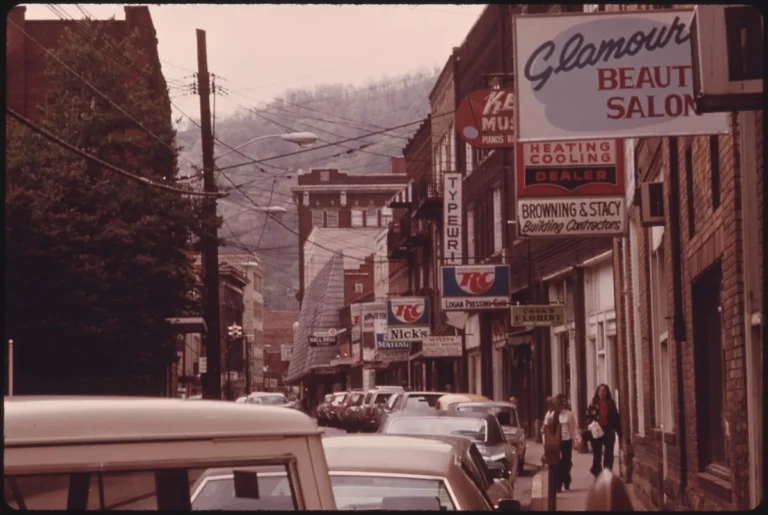
Cobb County’s 345 square miles offer plenty to do before or after the festival. Marietta, the county seat, has a historic downtown area with shops, restaurants, and local landmarks. Kennesaw Mountain National Battlefield Park and the Chattahoochee River corridor provide outdoor options for visitors who want to stretch their legs. If you are making a weekend of it, pair festival time with a morning walk, a local meal, or a short drive through the county’s varied neighborhoods.
Because Cobb County is in north-central Georgia, it also works as a base for exploring the wider region. You can spend one day at the festival and another visiting nearby towns, parks, or cultural sites. Keep an eye on drive times, especially around busy commercial corridors. A little route planning turns the festival into the centerpiece of a fuller Cobb County weekend rather than a single stop.
The Community Significance of the Cobb County Georgia International Festival
With 766,149 residents, Cobb County is large enough that people can live, work, and shop in different pockets without crossing paths often. The International Festival creates a rare shared space. It allows neighbors to meet across language, generation, and background. That matters in a county founded in 1832 and named for Thomas Willis Cobb, because it shows how a historic place continues to change and make room for new traditions.
The festival also supports local vendors, performers, and community organizations. When visitors buy a meal, a craft, or a small gift, they are participating in a local economy that extends beyond the event grounds. More importantly, the festival builds familiarity. A dance performance, a shared table, or a conversation at a booth can do more for community feeling than a dozen formal introductions. That is the quiet significance behind the music and food.
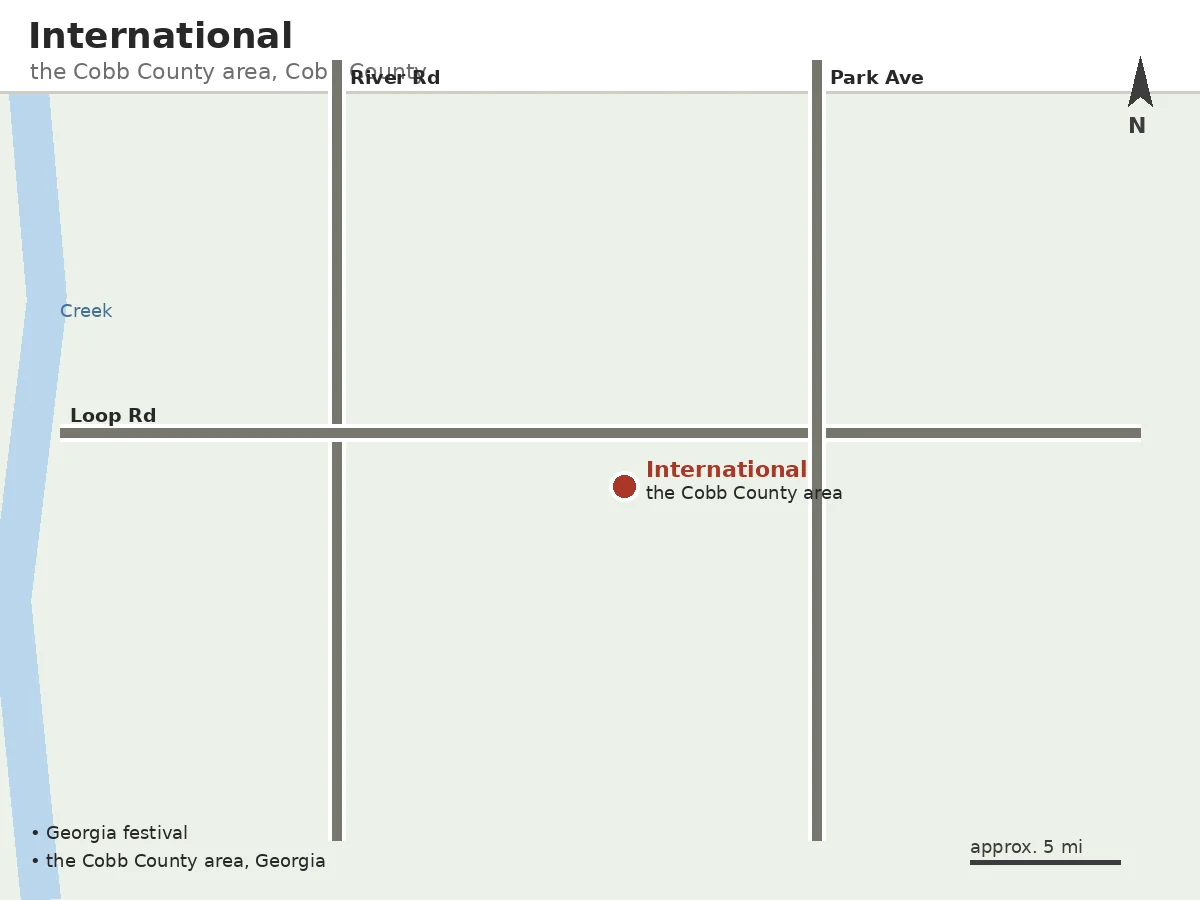
Map and Location for the Cobb County Georgia International Festival
The Cobb County Georgia International Festival takes place in the Cobb County area of north-central Georgia, within the county founded in 1832 and named for Thomas Willis Cobb.
Answering Common Logistics Questions About the Cobb County Festival
When is the Cobb County Georgia International Festival usually held?
The festival is often held in a spring or fall festival window, but the exact dates can change from year to year. Check the current official schedule before you book lodging or make travel plans.
Is admission free at the Cobb County International Festival?
Admission is typically free to enter, though individual vendors and some activities may charge separately. Bring a flexible budget for food, drinks, crafts, and children’s activities.
Where exactly is the festival located in Cobb County?
The festival takes place in the Cobb County area, but the specific grounds can vary by year. Use the official event map and address for the current edition, and check for any road closures or parking instructions.
What should I bring to the Cobb County Georgia International Festival?
Bring water, sunscreen, a hat, comfortable shoes, and a light rain layer. A small amount of cash, a charged phone, and a screenshot of the festival map are also useful. Families may want snacks, wipes, and a stroller or carrier.
Is parking available near the festival?
Parking arrangements can change by year. Look for official lots, garages, or satellite parking with shuttle service. Arrive early, have a backup lot in mind, and note your parking location before walking to the entrance.
Are there family-friendly activities at the Cobb County festival?
Yes. Family programming often includes crafts, games, cultural demonstrations, and performance areas. The event is generally informal and outdoor, so plan for weather, restroom breaks, and a clear meeting point if your group separates.
What kind of food will be available at the festival?
Expect a variety of international dishes, snacks, sweets, and drinks from multiple traditions. Vendors may accept card or cash, and prices are set individually. If you have allergies, ask directly at the stall before ordering.
Can I bring my pet to the Cobb County International Festival?
Pet policies vary by event and location. Check the current organizer rules before bringing a pet, and remember that service animals are handled differently from pets. Crowds, food areas, and weather can also make the festival less comfortable for animals.
Future Outlook for the Cobb County Georgia International Festival
The future of the Cobb County Georgia International Festival will likely be shaped by the same forces that define Cobb County itself: growth, diversity, traffic patterns, and the need for shared public spaces. With 766,149 residents across 345 square miles, the county has a deep audience for cultural programming. The festival can continue to serve as a meeting point for that audience if it keeps logistics clear, programming varied, and access manageable.
Visitors can help by planning ahead, supporting vendors, respecting the grounds, and being patient in crowds. Organizers can help by communicating parking, transit, and schedule details early. The strongest festivals are not just big; they are easy to navigate and welcoming to first-timers. If the Cobb County International Festival keeps those priorities in view, it should remain a highlight of the county’s annual calendar.
Last updated: October 2026
Whether you come for one afternoon or build a full weekend around it, the Cobb County Georgia International Festival rewards preparation. Arrive with a plan, stay flexible, and let the food, music, and community carry the day.

One Comment