Bibb County Georgia Macon Cherry Blossom Festival
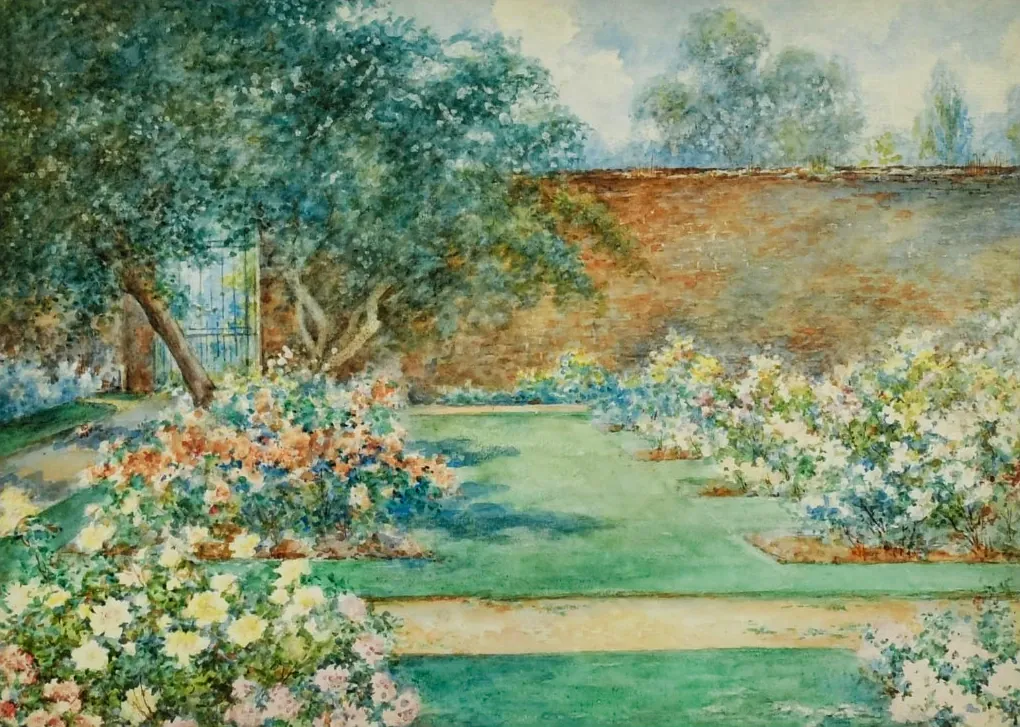
In Macon, spring does not tiptoe in. It arrives in pink — first as a soft haze over the ridgelines, then as a full canopy over downtown streets, front porches, churchyards and riverside parks. That transformation is the heartbeat of the Macon Cherry Blossom Festival, a celebration now woven so tightly into Bibb County’s sense of self that it is hard to imagine one without the other.
Bibb County is home to 157,346 people, according to the 2020 census, spread across 255 square miles of Middle Georgia. For a few weeks each spring, that community becomes a stage: neighbors become hosts, parking lots become gathering places, and the simple act of looking up at a tree becomes a shared civic ritual.
Macon Cherry Blossom Festival: The Essentials for Bibb County Visitors
If you are new to the festival, start here. The details below cover the who, where and when of a spring tradition that draws visitors from across Georgia and well beyond the state line.
| Town | Macon |
| County | Bibb County, Georgia |
| County seat | Macon |
| County population | 157,346 residents (2020 census) across 255 square miles |
| Region | Middle Georgia, along the Ocmulgee River |
| Typical timing | Each spring, usually across several weeks in March, timed to the Yoshino cherry bloom |
| Admission | Many festival activities are free to attend; select concerts and special events are ticketed |
| Setting | Downtown Macon, historic neighborhoods, and parks and green spaces throughout Bibb County |
| Signature features | Blossom viewing drives and walks, live music, food vendors, family programming, community events |
| Organizer | A community-wide partnership of local organizations, businesses and volunteers |
The Macon Cherry Blossom Festival and the City That Turns Pink
Macon is often called the Cherry Blossom Capital of the World, and the nickname is not marketing spin so much as a description of the landscape. Hundreds of thousands of Yoshino cherry trees — the same variety celebrated in Washington, D.C. — grow here, planted over decades by residents who simply liked the way they looked in their yards and along their streets. The result is a city that, for a couple of weeks each year, glows in a shade of pink no paint chip has ever quite matched.
The festival itself is less a single ticketed event than a season. Programming spreads across downtown Macon and outward through Bibb County, with concerts, food events, family activities, art shows and neighborhood gatherings clustered around the bloom. Some years the blossoms arrive early and the party follows; other years a cold snap slows everything down. That unpredictability is part of the charm, and locals have learned to treat the bloom the way farmers treat a harvest — with patience and a close eye on the forecast.
What makes it work is the scale. A county of 255 square miles has room for both a bustling downtown celebration and quiet drives down residential streets where the only soundtrack is a wind chime and a barking dog. Visitors can spend a morning at a festival stage and an afternoon on a two-lane road with the windows down, and both feel like the same event.
How Yoshino Cherries Became Macon’s Signature Season
The story begins well before the festival did. In the mid-twentieth century, a local horticulturist noticed a flowering cherry tree on his property that was not supposed to thrive in Middle Georgia’s climate. It did more than thrive. Cuttings were shared, rooted and passed along to friends, churches and garden clubs, and the tree quietly multiplied across the county.
By the late 1970s, Macon had something rare: a mature, citywide collection of Yoshino cherries that bloomed together each March. Community leaders and garden enthusiasts saw an opportunity, and in the early 1980s the first Cherry Blossom Festival took shape — modest in size, heavy on volunteers, and built around the idea that a beautiful thing is worth celebrating out loud.
From there, the festival grew the way the trees did: gradually, and mostly because people kept showing up. Parade routes lengthened. Stages multiplied. Food vendors turned into traditions. School groups built floats and art projects. Downtown businesses learned that the pink weeks were among their best of the year.
In 2014, the City of Macon and Bibb County consolidated into a single government, a change that reshaped how the community plans and promotes large events. The festival adapted, as it always had, and the modern version draws on partners from across the county rather than a single municipal office. Four decades on, the format still rests on the same foundation: trees, neighbors and a willingness to stand outside in unpredictable spring weather.
What a Day Under the Blossoms in Macon Feels Like
Ask ten people what the festival is like and you will get ten answers, which is a good sign. The experience shifts depending on whether you are chasing the bloom, chasing a band, or chasing a toddler through a park. Here is how the main threads tend to run.
Southern Plates and Pink-Tinted Treats Downtown
Food is the festival’s most democratic pleasure. Downtown Macon’s restaurant row fills with visitors at lunch and dinner, and the kitchens lean into the season with cherry-inspired desserts, cobblers, lemonades and pastries alongside the Southern staples the city is known for — shrimp and grits, fried green tomatoes, pulled pork, pecan pie. Food trucks and pop-up vendors add funnel cakes, barbecue, boiled peanuts and the kind of fried things that only taste right outdoors.
Cherry Street, fittingly, is a natural gathering point, with sidewalks full of people carrying to-go cups and paper cones. Arrive early for brunch if you want a table without a wait, and expect lines at the most popular stands on the biggest festival weekends. Cash still moves faster than cards at some smaller vendors.
Stages, Streets, and Macon’s Musical DNA
Macon’s musical pedigree is real and deep — soul, southern rock and gospel all run through the city’s history — and the festival uses that inheritance well. Live music turns up in parks, on downtown stages and inside venues throughout the blossom weeks, spanning local cover bands, singer-songwriters, blues, jazz, gospel choirs and rock acts.
Much of the entertainment is free and family-friendly, with headlining concerts and special performances sometimes ticketed. The mood is relaxed rather than frantic: lawn chairs, blankets, kids dancing at the edge of the crowd, and a schedule that generally wraps up early enough to walk somewhere for dinner afterward.
Family-Friendly Blossom Time in Bibb County
This is an easy festival to bring children to. Parks host craft stations, face painting, games and story times. The blossom trail — a self-guided route through the county’s most photogenic streets and green spaces — works beautifully as a slow family drive, especially with snacks in the car and no particular schedule.
Strollers handle downtown sidewalks and park paths well, though some historic neighborhoods have uneven pavement. Many families pair a festival morning with an afternoon at a playground or a picnic under the trees, which is, after all, the entire point.
Planning a Blossom Weekend in Macon and Bibb County
A little preparation goes a long way here, mostly because spring weather and bloom timing refuse to cooperate with anyone’s calendar.
Getting to Macon from Atlanta and Elsewhere in Georgia
Macon sits at the crossroads of Middle Georgia, roughly an hour south of Atlanta via Interstate 75, with Interstate 16 running east toward Savannah and U.S. highways linking the city to Columbus, Augusta and the smaller towns in between. Driving is the simplest option for most visitors, and the trip makes a comfortable day outing from Atlanta or a weekend trip from almost anywhere in the state.
Where to Stay Near Downtown Macon
Downtown hotels put you within walking distance of restaurants, venues and the most photographed blocks of the blossom trail. Historic inns and bed-and-breakfasts in the surrounding neighborhoods offer a quieter stay, and chain properties along the interstate corridors are the practical choice for travelers who want easy parking and quick highway access. Book early for peak bloom weekends — spring is a busy season here.
Parking, Shuttles, and Getting Around the Blossom Trail
Parking downtown is a mix of street spaces, surface lots and decks, and it fills quickly on festival weekends. Arrive before mid-morning if you want the closest spots, or park a few blocks out and enjoy the walk — the stroll is part of the experience. Larger events sometimes run shuttles from outlying lots, so check the current schedule before you go. For the blossom trail itself, a car is ideal, but cyclists and walkers will find plenty of rewarding routes closer in.
Admission, Costs, and What Is Free
Admission to many festival activities is typically free, which is a big part of why the celebration feels so community-owned. Expect to pay for food, drinks, merchandise, and select ticketed concerts or special events. Budget for parking, and keep some cash handy for smaller vendors and donation jars. Compared with a theme park day, a blossom weekend here is remarkably affordable.
Georgia Spring Weather and Choosing Your Dates
Middle Georgia springs are mild and unpredictable. Days in the 60s and 70s are common, mornings can be chilly, and a passing front can bring rain and wind that shortens the bloom. The safest strategy is to watch the forecast and the bloom reports, keep your plans flexible, and pack layers. Wind and rain are the bloom’s enemies, so if you have a choice, aim for the first clear, calm days after peak.
Two Days in Macon: A Sample Cherry Blossom Itinerary
Friday evening. Arrive in the late afternoon, check in downtown, and take an easy walk through the historic blocks near the center of the city. Grab dinner at a local restaurant, then find an evening concert or a quiet patio. If the trees are already blooming, a short drive through a residential neighborhood at dusk is a lovely way to start the weekend.
Saturday. Get out early for the blossom trail while the light is soft and the streets are quiet. Follow it at whatever pace suits you, stopping for photos and coffee. Return downtown for lunch, then spend the afternoon at park programming — music, vendors, kids’ activities. In the evening, catch a headlining show or settle in for a long dinner and a walk back to the hotel under the trees.
Sunday. Start with brunch, then choose your finale: a riverfront walk, a historic home tour, or a drive out to one of the county’s parks and lakes. If you have time before heading home, a stop at the Ocmulgee Mounds area adds a few thousand years of context to your weekend. Leave mid-afternoon to beat the Sunday traffic.
How Macon’s Blossom Season Compares with Nearby Georgia Festivals
Macon is not the only Middle Georgia town that throws a spring party. Forsyth, the seat of Monroe County to the northwest, hosts the Forsythia Festival, a charming small-town celebration built around the yellow forsythia bloom, with a courthouse-square parade and a distinctly local feel. It is a shorter, more compact experience — perfect as a half-day add-on rather than a replacement.
In Atlanta, the Dogwood Festival fills Piedmont Park in April with art vendors, music and a big-city crowd. It offers more shopping and more bustle, but it trades the intimacy of a neighborhood blossom drive for volume. Macon lands somewhere between the two: bigger and more varied than a town square festival, calmer and more walkable than a major metro event.
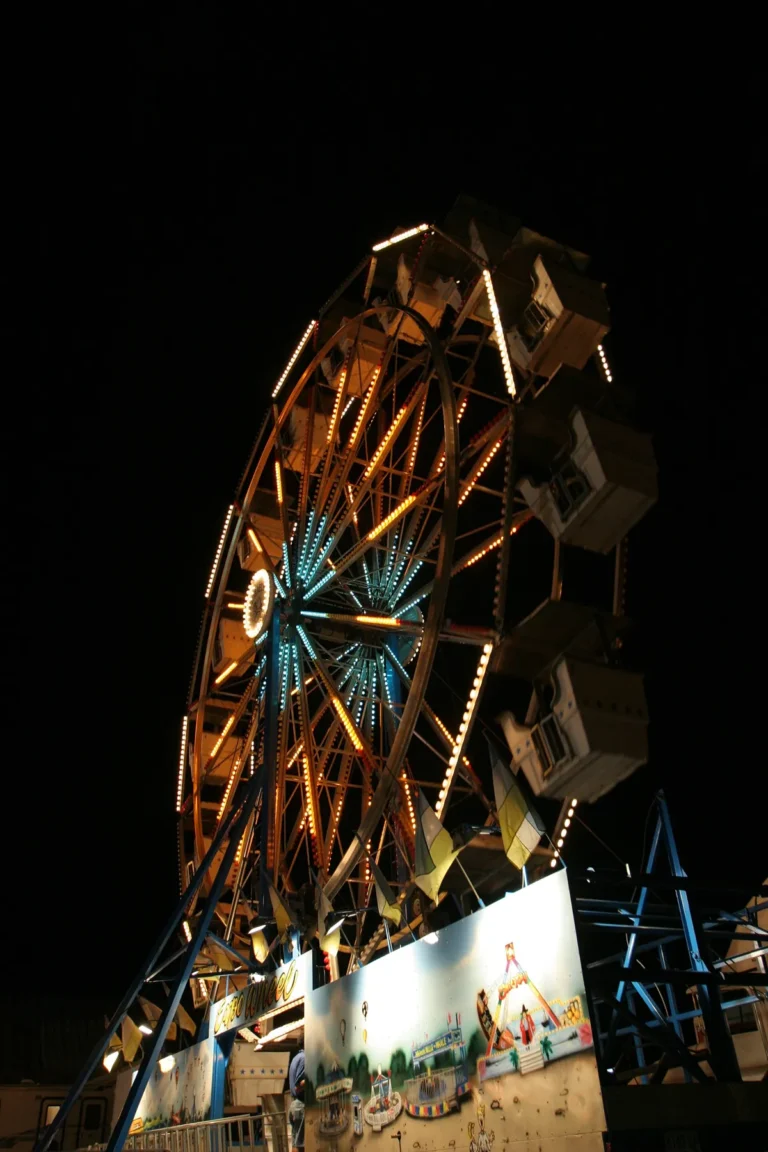
For a completely different flavor, Perry’s Georgia National Fair in the fall is the region’s agricultural showcase — livestock, rides and fair food on a grand scale. Comparing the two is a reminder that Middle Georgia’s calendar is generous: pink trees in spring, Ferris wheels in autumn, and a lot of small towns worth a detour in between.
Your Cherry Blossom Weekend Checklist for Bibb County
Pack comfortable walking shoes you have already broken in, layers for cool mornings and warm afternoons, a light rain jacket, sunscreen and sunglasses. Bring a camera or make sure your phone has space, along with a portable charger, refillable water bottles and a blanket or folding chairs for lawn seating. Keep cash for vendors and tips, and consider a small cooler for picnic supplies.
Before you go, check the current festival schedule, confirm bloom conditions, and look up parking and shuttle details for the specific events you plan to attend. Book lodging early, make dinner reservations for Saturday night, and have a rainy-day backup such as a museum or a historic home tour. Finally, remember that much of the blossom trail runs through residential neighborhoods — drive slowly, keep noise down, and treat people’s front yards with respect.
Beyond the Blossoms: What Else to See in Macon
The festival is a fine excuse to stay longer. Ocmulgee Mounds National Historical Park preserves earthworks built by Indigenous peoples centuries ago and remains one of the most significant archaeological sites in the Southeast. The Tubman Museum explores African American art, history and culture, while the Hay House offers a look at antebellum architecture on a grand scale and the Grand Opera House keeps a busy performance calendar.
Music fans will want to visit the Big House, the former home of the Allman Brothers Band, and Rose Hill Cemetery, where several southern rock figures are buried. Outdoors, the Ocmulgee Riverwalk and Amerson River Park provide easy trails and water views, and Lake Tobesofkee offers swimming, boating and picnicking just outside the city. Day trips to Juliette, Indian Springs State Park and High Falls State Park are all within reach.
Petals, Pride, and What Blossom Season Means to Bibb County
For residents, the festival is less about tourism than about identity. The trees were planted by ordinary people — grandparents, garden clubs, church groups — who had no idea they were building a civic landmark. When the bloom comes, that inheritance becomes visible all at once, and the county gets a few weeks of collective pride that is hard to manufacture any other way.
The economic effect matters too. Restaurants, hotels, shops and venues see a spring surge that helps carry them through slower months, and the festival gives local musicians, artists and food vendors a stage they might not otherwise have. Behind all of it are volunteers — the people who staff information tables, direct traffic, hand out programs and clean up afterward, mostly without applause.
There is also a quieter significance: stewardship. The trees that make the festival possible are aging, and keeping the canopy healthy takes planning, replanting and money. Every spring celebration is, in a sense, an argument for continuing that work.
Where the Blossoms Are on the Macon Map
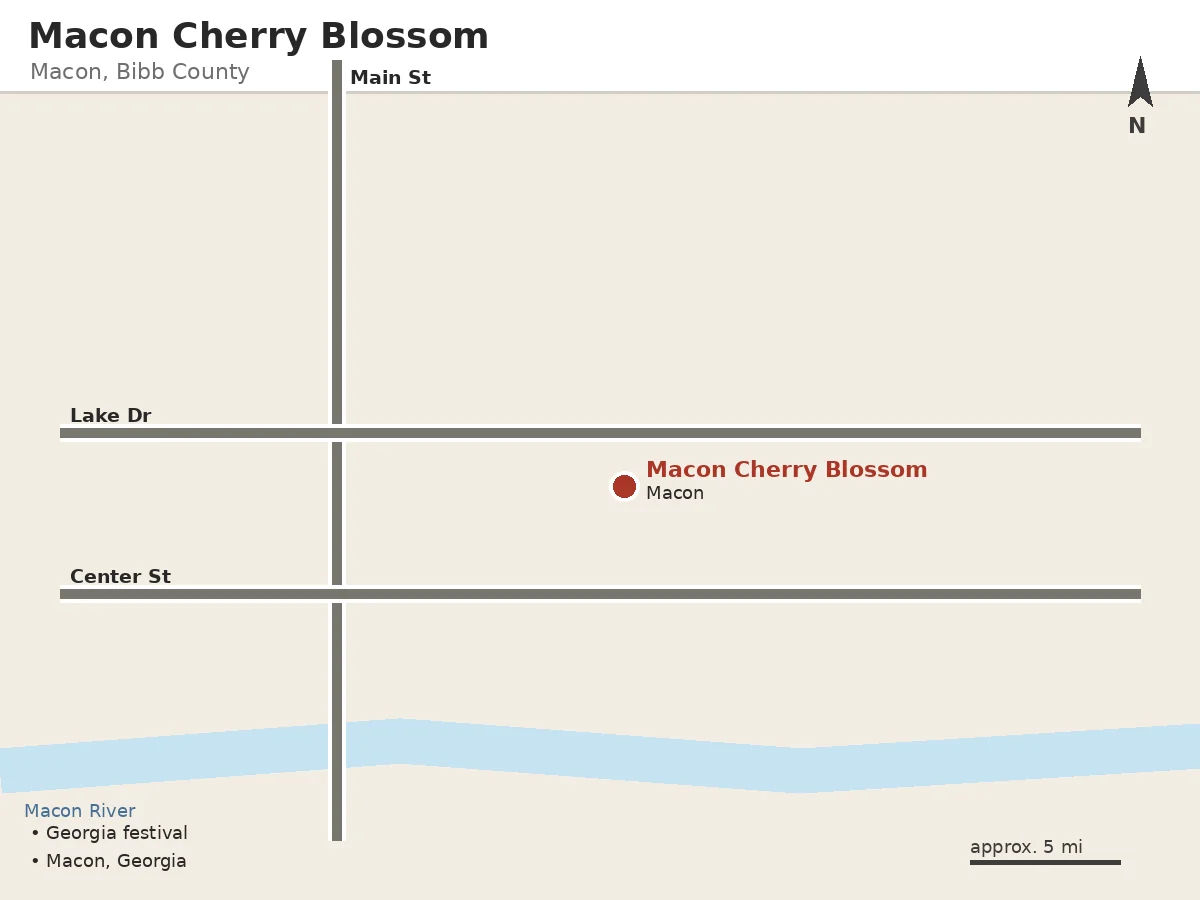
The Macon Cherry Blossom Festival unfolds in downtown Macon, Georgia, in Bibb County, with blossom viewing and events spreading through the city’s historic neighborhoods, parks and riverfront.
Macon Cherry Blossom Festival Questions, Answered
When does the Macon Cherry Blossom Festival usually take place?
It is held each spring, typically across several weeks in March, timed to the Yoshino cherry bloom. Because the bloom depends on winter chill and spring temperatures, the exact peak shifts from year to year. Check current bloom reports and the festival schedule before finalizing travel plans.
Is the festival free to attend?
Many activities are free, including blossom viewing, most park programming and much of the live entertainment. Some concerts and special events require tickets, and you will pay for food, drinks and merchandise. Admission policies can vary by event, so confirm details for anything you specifically want to attend.
Where do festival events actually happen in Macon?
Programming is concentrated in downtown Macon, with additional events in parks, historic neighborhoods and venues throughout Bibb County. The blossom trail is self-guided and stretches well beyond the city center, so a car is useful if you want to see the fullest extent of the bloom.
How long does the cherry blossom bloom last?
Yoshino cherries typically hold their blossoms for a week or two at peak, though cool, calm weather can extend the show and wind or heavy rain can shorten it dramatically. Plan for a narrow window and stay flexible. Locals often describe it as a two-week party with a very firm closing time.
Is the festival suitable for children and pets?
It is very family-friendly, with craft activities, games and plenty of open space for kids to run. Leashed, well-behaved dogs are generally welcome in outdoor areas, but crowds, food vendors and warm pavement can be hard on animals — and some specific events may restrict pets, so check ahead.
What should I wear and bring?
Dress in layers, wear comfortable walking shoes, and bring a light rain jacket, sunscreen, sunglasses and a refillable water bottle. A blanket or folding chairs help for lawn seating, and cash speeds things up at smaller vendors. A camera is practically mandatory.
Do I need to book accommodation in advance?
Yes, especially for peak bloom weekends. Downtown hotels and historic inns fill quickly once the bloom forecast firms up, and rates rise with demand. Booking several weeks ahead gives you more choice and usually a better price.
What happens if it rains during my visit?
Light rain rarely cancels outdoor events, but heavy storms can delay or postpone performances and programming. Macon’s museums, historic homes and music venues make excellent rainy-day substitutes, and the blossoms themselves are often at their most photogenic just after a shower.
Looking Ahead to Future Blossom Seasons in Bibb County
The years ahead will bring the same tension the festival has always lived with: a bloom that answers to the weather and a community that plans anyway. Tree care and replanting will remain central, since the canopy that defines Macon’s spring is a living asset rather than a permanent one. Downtown investment and growing regional tourism should keep drawing new visitors to Bibb County.
What seems likely to stay constant is the character of the thing — free and open, spread across a county rather than fenced into a fairground, and dependent on the goodwill of people who simply love where they live. As long as the Yoshino cherries bloom in Middle Georgia, Macon will find a reason to gather beneath them.
Last updated: October 2026
If you go, go slowly. The festival rewards the visitor who lingers — who takes the long way through a historic neighborhood, who stops for a second cup of coffee, who sits on a park bench a little longer than planned while the petals drift down. That, more than any schedule or stage, is what the Macon Cherry Blossom Festival has been offering Bibb County for four decades.