Jefferson County Alabama Sidewalk Film Festival
For one long weekend each August, the historic theatre district of downtown Birmingham becomes the center of independent film in the South as the Sidewalk Film Festival takes over a cluster of venues with hundreds of screenings, filmmaker talks, panels, and parties. Founded in 1999, the festival has grown into one of the most respected regional film events in the country, repeatedly named among the best festivals worth an entry fee.
Sidewalk is the flagship program of the Sidewalk Film Center and Cinema, which opened a permanent home in the Pizitz Building in 2019. That combination of a marquee festival weekend and a year-round cinema gives Birmingham something unusual: a film culture with both a celebration and an everyday home, and it makes the festival feel rooted rather than transient.
Sidewalk Film Festival: Quick Facts
| Location | Historic Theatre District, downtown Birmingham, Jefferson County |
| Typical timing | Last weekend in August |
| Founded | 1999 |
| Scale | 200-plus films across multiple venues |
| Venues | Alabama Theatre, Alabama School of Fine Arts, Sidewalk Cinema, and others |
| Recognition | Named among the best film festivals for independent filmmakers |
A Festival Built for Independent Film
Sidewalk’s mission is to connect audiences with work they would not otherwise see. The programming leans heavily on independent, documentary, and regional filmmaking, with dedicated tracks for social and civil issues, Black filmmakers, women in film, Spanish and Portuguese language films, and LGBTQ stories. An Alabama track spotlights local filmmakers, which keeps the festival tied to the state even as it draws submissions from around the world.
Festivals that anchor a city’s cultural identity are a recurring theme in Alabama, and the Jackson County Alabama Russell Cave Native American Festival shows how a north Alabama county builds a tradition around craft and place.
That breadth is part of what distinguishes Sidewalk from larger, more commercial festivals. It is a place where a first-time director and an established documentarian can both find an audience, and where filmmakers and attendees mix easily because the footprint is compact and the venues are close together. Q and A sessions, panels, and workshops give the weekend a conversational feel.
Venues and the Festival Weekend
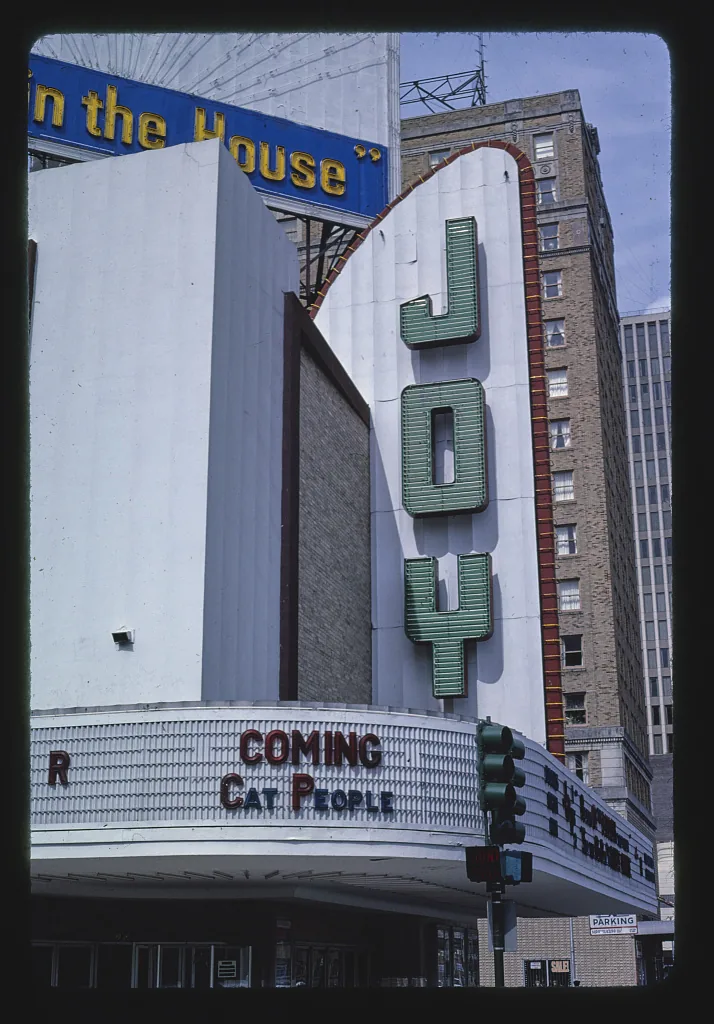
The festival screens across several venues within downtown’s historic theatre district, anchored by the restored Alabama Theatre, a 1920s movie palace that gives opening and closing events a sense of occasion. Additional screening rooms at the Alabama School of Fine Arts and the Sidewalk Film Center and Cinema keep a steady flow of films running from morning into the night.
Beyond screenings, the weekend includes filmmaker Q and A sessions, panels, networking events, and parties that make it as much a gathering of the film community as a series of screenings. Passes are sold at a range of price points, and individual tickets are available, which keeps the festival accessible to casual moviegoers as well as dedicated cinephiles.
Exploring Birmingham
The festival’s downtown location puts visitors within walking distance of restaurants, bars, and hotels, which makes a full weekend easy to manage without a car between events. Complimentary shuttles run between the north and south ends of the festival footprint, and the compact geography means you can often walk from one screening to the next.
Birmingham itself rewards a longer stay, with a growing food scene, museums, and the surrounding hills offering a break from the dark of the theatre. Visitors who come for the festival often build in time to explore the city, which is part of why Sidewalk has become a destination event rather than a purely local one.
Why It Matters to the Region
For more than two decades, Sidewalk has given independent filmmakers in the South a serious venue and given Birmingham audiences a reason to take film culture seriously. The permanent cinema that grew out of the festival extends that work year-round, turning a single weekend into an ongoing institution. In a state not always associated with independent film, that is a meaningful achievement.
How the Festival Is Organized
Sidewalk is run by the Sidewalk Film Center and Cinema, a nonprofit that also operates a year-round art-house theater in the Pizitz Building. That structure matters: the festival is not a one-off event but the flagship program of an organization with a permanent home, which gives it stability and a connection to the city that a traveling festival would lack.
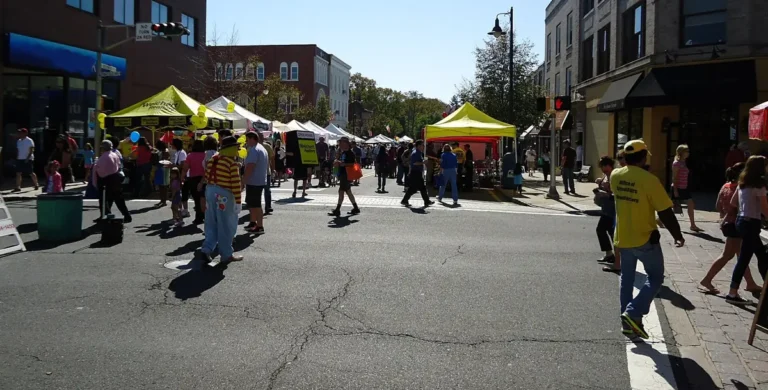
The weekend itself runs on a compact footprint, with venues clustered in the historic theatre district so that attendees can walk or ride a short shuttle between screenings. Passes, individual tickets, and memberships are all available, and the tiered pricing keeps the festival accessible to casual moviegoers as well as devoted cinephiles.
The Alabama Track and Regional Filmmaking
One of Sidewalk’s distinguishing features is its commitment to regional work. The festival includes a dedicated Alabama track that spotlights local filmmakers, alongside programming that reflects the South’s growing independent film scene. That focus gives emerging directors from the region a serious venue and gives audiences a chance to see stories rooted in their own part of the country.
Beyond screenings, the festival invests in the film community through panels, workshops, and networking events that connect filmmakers with one another and with industry guests. Over the years, that combination of exhibition and development has helped Birmingham build a genuine film culture rather than a single annual event.
A Weekend in Birmingham
The festival’s downtown location makes it easy to turn the weekend into a broader visit. Restaurants, bars, and hotels sit within walking distance of the venues, and the compact geography means you rarely need a car between screenings. The city’s growing food scene and its museums give visitors plenty to do between films.
Birmingham’s surrounding hills offer a break from the dark of the theatre, with parks and overlooks that reward a morning or afternoon away from the festival. Visitors who come for the films often find that the city itself is a reason to extend the trip, which is part of why Sidewalk has become a destination event.
Tips for First-Time Visitors
Plan your schedule in advance, since screenings overlap and popular films sell out. A pass makes sense if you intend to see several films, while individual tickets suit a lighter visit. Arrive early for the big screenings, and leave time to linger in the theatre district between shows.
Wear comfortable shoes and be ready to walk or take the shuttle between venues. If you are a filmmaker, the panels and networking events are worth prioritizing alongside the screenings. And do not overlook the short film blocks, which often contain the festival’s most surprising work.
A Festival With a Home
Many film festivals exist only for a weekend, borrowing venues and vanishing until the next year. Sidewalk is different. Its parent organization operates a permanent cinema, which means the festival is the centerpiece of an ongoing effort rather than a one-off event. That continuity gives it a stability and a connection to Birmingham that a transient festival could never claim.
The year-round theater also extends the festival’s mission beyond August. Audiences who discover independent film during the festival can return throughout the year, and filmmakers who screen in the summer can find an ongoing venue for their work. It is a model that turns a single weekend into a lasting cultural resource.
Why Regional Festivals Matter
For independent filmmakers, regional festivals are often the difference between a film being seen and being forgotten. Large festivals receive thousands of submissions and accept a fraction; regional events like Sidewalk offer a realistic path to an audience, along with the chance to meet other filmmakers and industry guests in an approachable setting.
For audiences, that accessibility is a gift. Sidewalk brings work to Birmingham that would otherwise require a trip to a larger city, and it does so in a setting where filmmakers are present and approachable. The conversations that happen between screenings are as much a part of the festival as the films themselves.
The Magic City as a Setting
Birmingham has grown into a destination in its own right, with a food scene, museums, and a compact downtown that suits a festival weekend. The historic theatre district where Sidewalk screens is central to that appeal, offering venues with real character within walking distance of hotels and restaurants.
The surrounding hills give visitors a change of pace, with parks and overlooks that reward a break from the theater. Whether you come for the films or the city, the two reinforce each other, which is part of why Sidewalk has become more than a local event. It is a reason to visit Birmingham, and Birmingham is a reason to stay.
Festival Area Map
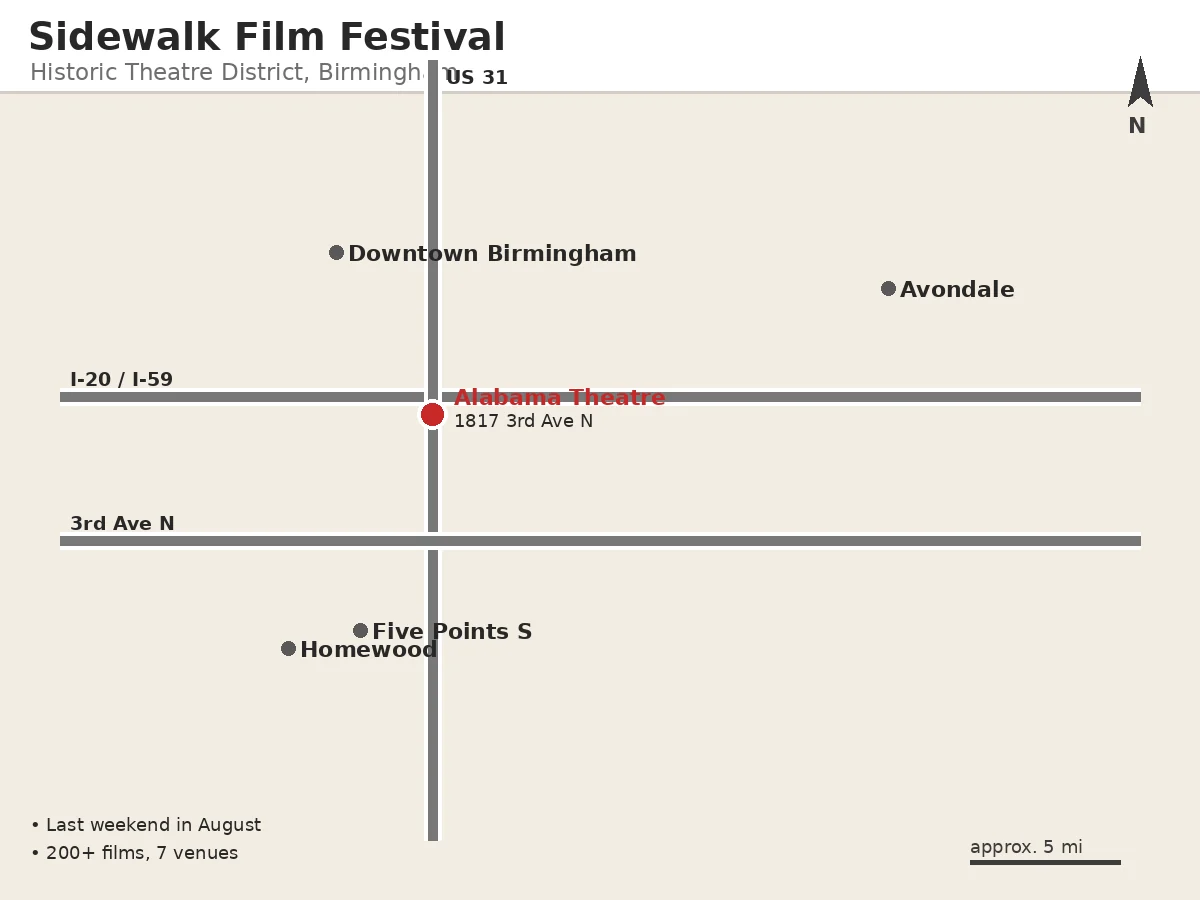
The map below shows the historic theatre district in downtown Birmingham, with the main interstates and thoroughfares marked for orientation. The festival’s venues cluster within a walkable area, and a complimentary shuttle connects the north and south ends of the footprint.
Frequently Asked Questions
When is the Sidewalk Film Festival?
It is held over the last weekend in August each year in downtown Birmingham, Alabama. The festival was founded in 1999.
How many films are shown?
The festival screens more than 200 films across multiple venues, including features, documentaries, and short films from around the world.
Where are the venues?
Screenings take place in Birmingham’s historic theatre district, anchored by the Alabama Theatre and the Alabama School of Fine Arts, with additional screens at the Sidewalk Film Center and Cinema.
Do I need a pass, or can I buy single tickets?
Both options are available. Festival passes cover multiple screenings, while individual tickets let you attend specific films.
Is there anything besides screenings?
Yes. The weekend includes filmmaker Q and A sessions, panels, workshops, networking events, and parties, making it a full gathering of the film community.
Is the festival only for independent films?
The programming leans heavily toward independent, documentary, and regional filmmaking, along with curated tracks for social issues, diversity, and local Alabama work.
Are there events for filmmakers?
Yes. The weekend includes filmmaker Q and A sessions, panels, workshops, and networking events designed to connect creators with audiences and with one another.
Planning Ahead for Next Year
How do filmmakers submit?
Submissions are handled through the festival’s official channels, with deadlines typically falling in the months before the August weekend. An Alabama track welcomes local filmmakers.
When do passes go on sale?
Passes and ticket information are announced on the festival’s website and social channels ahead of the event, often in the spring and summer.
Where should I stay?
Downtown hotels put you within walking distance of the venues. The compact footprint and shuttle service make it easy to get between screenings without a car.
Does the organization show films year-round?
Yes. The Sidewalk Film Center and Cinema operates a permanent theater in the Pizitz Building, so audiences can see independent film in Birmingham throughout the year.
Last updated: October 2026
The Sidewalk Film Festival is the rare regional festival that has earned national respect without losing its local soul. More than two hundred films, a restored movie palace, filmmaker conversations in the halls between screenings, and a city that has learned to celebrate independent film all year. If you love movies, the last weekend in August in Birmingham belongs on your calendar.