Middlesex Massachusetts Lowell Folk Festival
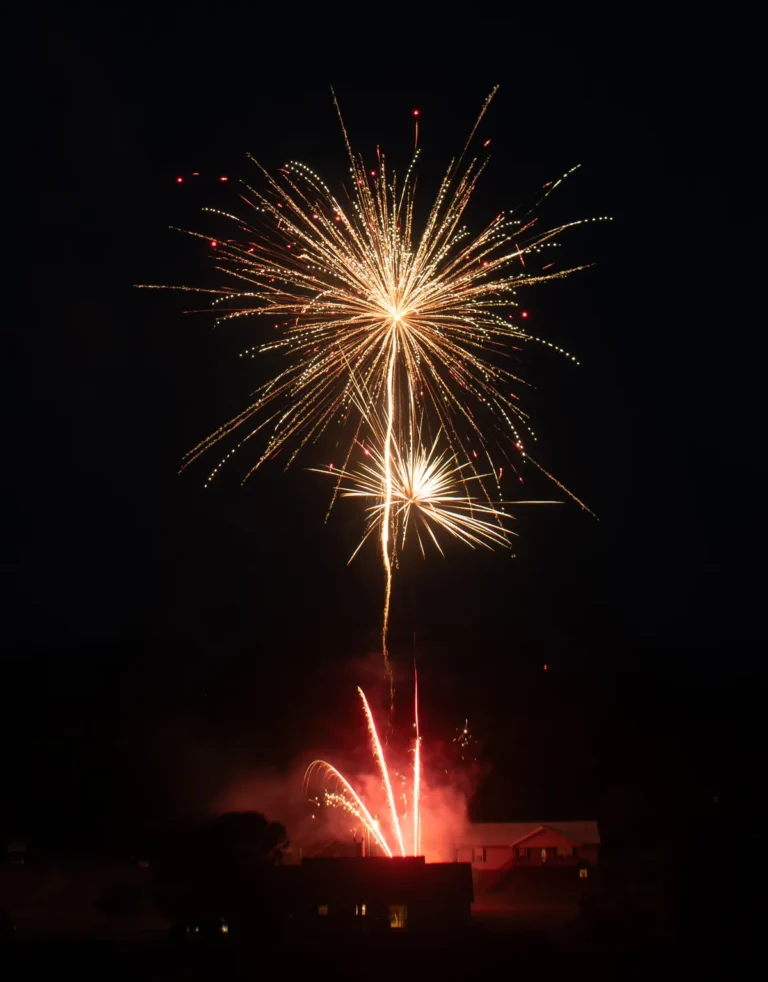
For one long weekend each summer, downtown Lowell trades its ordinary traffic for fiddles, accordions, drums and dance floors, as the Lowell Folk Festival fills the city’s streets and parks with traditional music from cultures around the world. The published name is simply “Lowell Folk Festival,” printed in exactly that form in the organiser’s own layer, in a reference layer and in news layers, and no other published name form for the event was found. The gathering spreads across several downtown stages rather than a single fenced ground, so a visitor wandering a few blocks can move from a dance pavilion to a churchyard stage to a park lawn within the space of one song. Lowell itself carries an unusual civic distinction: a reference layer lists the seats of Middlesex County as Lowell and Cambridge together, with Lowell serving as the Middlesex-North seat and Cambridge as the Middlesex-South seat, which makes the host city a county seat in its own right. That same reference layer notes that county government was abolished in 1997, leaving Middlesex County as a geographic and court district rather than a governing body.

About
The Lowell Folk Festival is a free, multistage celebration of traditional music and dance, built around the idea that the many communities who settled in the Merrimack Valley each brought a sound worth hearing. Nineteen musical acts performed at the 2025 edition, according to the organiser’s own layer and news layers, and the Saturday and Sunday schedules that year ranged across Cambodian dance, polka, Turkmen music, flamenco, Cajun sets, Irish sessions and gospel singing. Performances run across four stages, and dancing is treated as part of the listening rather than an extra, with a dedicated dance pavilion where the floor stays busy. The organising credit is layered rather than single. The name printed most often is the Lowell Festival Foundation, and a longer producer list in recent layers reads “Lowell Festival Foundation, City of Lowell, Greater Lowell Community Foundation, Lowell National Historical Park, National Council for the Traditional Arts, and Revolutionary Valley.” An earlier producer list names the Greater Lowell Chamber of Commerce and the Greater Merrimack Valley Convention and Visitors Bureau in place of Revolutionary Valley, and the two lists are kept apart here exactly as the layers print them, never merged into one blended credit. The shifting cast of producers tells its own story: a foundation at the centre, the city itself, a community foundation, a national historical park and a national traditional-arts council in the recent list, the chamber of commerce and a regional visitors bureau in the earlier one. Through both lists, the Lowell Festival Foundation and the format stay constant — traditional music and dance, performed outdoors, in the middle of the city.
Quick Facts
| Item | Detail |
| Published name | Lowell Folk Festival |
| Host city | Lowell, Massachusetts |
| County | Middlesex County |
| County seat status | Lowell is one of two seats, as the Middlesex-North seat |
| Setting | Downtown Lowell, across multiple stages |
| Named stages | Boarding House Park; Rockland Trust Bank Dance Pavilion; Saab Family Foundation Stage; a churchyard stage named for Saint Anne |
| 2025 edition | Friday 25 to Sunday 27 July 2025 |
| 2026 edition | Friday 24 to Sunday 26 July 2026 |
| Admission | Free, as stated in the organiser’s own layer and a listing layer |
| Lead producer name | Lowell Festival Foundation |
History
The festival’s roots lie with a travelling parent event. Layers state that the National Folk Festival came to Lowell in 1987 and was hosted in the city from 1987 through 1989, after which local organisers kept the music going under a local name, continuing it from 1990 as the Lowell Folk Festival. A press-release layer phrases the same story slightly differently, describing the event as founded in 1987 and becoming the Lowell Folk Festival in 1990, and both phrasings stand here side by side, unmerged, because each belongs to its own layer. News layers billed the 2025 gathering as the thirty-eighth year and the thirty-eighth annual, but that billing is recorded only as billing; no founding year is squeezed out of it by arithmetic. The distinction matters to how the story is told: the National Folk Festival itself, which moves from city to city, is not this festival, and it belongs in this article only as the documented origin of what Lowell built afterwards. What the layers agree on is the shape of the inheritance — a national showcase arrived for three summers, local people learned how it was done, and then they carried it forward themselves for decades after the parent event moved on. The 2026 edition, documented in a press-release layer for Friday 24 to Sunday 26 July 2026, kept the same downtown format and opened with a Parade of Flags — the continuation has plainly settled into a durable shape. Between the 1990 continuation and the thirty-eighth-year billing of 2025 lies a long, unbroken local habit, passed between civic hands without the festival changing its name, its downtown ground or its free door.
What to Expect
Music spills out of every corner of the downtown during the festival weekend, and the range is the point. A single afternoon at the 2025 edition could carry a listener from Cambodian dance to a polka set, then on to Turkmen melodies, flamenco, Cajun two-steps, Irish tunes and gospel harmonies, all without leaving the cluster of stages. The weekend opens with ceremony as well as sound: the 2025 edition began with an opening parade on Friday 25 July at quarter past six in the evening, led by a Trinidadian Carnival parade group, and the 2026 edition was documented in a press-release layer with the same downtown format and a Parade of Flags opening. One stage is given over to dancing at the Rockland Trust Bank Dance Pavilion, where the audience is expected on its feet. Families get their own territory in the family and discovery playspace elements recorded in the 2025 layers, which included an instrument petting zoo where children could handle the tools of the trade. Food follows the music’s global lead, with global food stalls, pop-up cafés and food trucks feeding the crowds, and crafts round out the street scene between sets. The spread of stages shapes the listening: a seated park audience at Boarding House Park hears a set differently from the dancers crowding the pavilion floor, and the churchyard stage named for Saint Anne gives quieter traditions a smaller, closer room of open air. The discovery runs both ways — longtime residents hear the music of newer neighbours, and newer communities hear the Irish and gospel sounds that were in these streets before them.
Planning Your Visit
Getting the most from the weekend starts with accepting that no one hears everything. With nineteen acts across four stages in 2025, the schedules overlap by design, so picking a few anchor performances and letting the rest be discovered on foot works better than marching to a rigid plan. The stages named in the layers — Boarding House Park, the Rockland Trust Bank Dance Pavilion, the Saab Family Foundation Stage on Market Street and a churchyard stage named for Saint Anne — all sit within the downtown, so comfortable shoes matter more than transport strategy. Arriving before the Friday opening parade gives the fullest arc of the weekend, from the first procession to the last Sunday sets. Admission costs nothing: the organiser’s own layer bills the event as a free multistage festival, a listing layer states admission is free, and a reference layer adds that entry has cost nothing since the very first edition, each statement fenced to the layer that made it. Vendor and exhibitor enquiry routes exist on the organiser’s own layer, but no vendor fee is any kind of gate charge, and those routes are noted here by existence only. Because the stages are outdoors and spread across streets and park lawns, visitors should dress for a day outside and expect the programme to fill the sidewalks as much as the stages. Dancers should head for the Rockland Trust Bank Dance Pavilion, which is built for movement, while families will want the playspace in the middle of the day, when the instrument petting zoo and the other family elements recorded in 2025 were in full swing. The Friday parade, stepping off at quarter past six in the evening in 2025, doubles as the weekend’s best orientation, walking the heart of the festival ground before the first full day begins.
For a useful comparison, see the Hampshire Massachusetts Easthampton Film Festival for another county festival.
A Sample Itinerary
A Friday arrival in time for the opening parade sets the tone, with the procession — led in 2025 by a Trinidadian Carnival parade group — carrying the crowd into the first evening of music. Saturday rewards an early start at Boarding House Park before drifting towards the dance pavilion, where a Cajun or polka set can turn a spectator into a dancer, and the middle of the day suits the family and discovery playspace while younger visitors still have energy for the instrument petting zoo. Lunch from the global food stalls or a pop-up café keeps the day downtown, and the afternoon can be given to whichever tradition is new to you, whether that is Turkmen music, flamenco or Cambodian dance. Sunday runs gentler: gospel singing in the morning light, a slow pass by the crafts, and a final set at the Saab Family Foundation Stage on Market Street before the weekend closes.
How It Compares
Most county festivals gather on one ground behind one gate; this one occupies a whole downtown and charges nothing at all, which makes its closest relatives the big urban folk gatherings rather than the fairground circuit. Its origin also sets it apart: few festivals can trace themselves to a three-year residency by a national travelling event, as this one can to the National Folk Festival’s Lowell summers of 1987 to 1989. A reference layer names a Seattle folk festival as a comparison, but that is a different event in a different state, and it shares nothing with Lowell beyond the broad folk idea. Against its own region, the Lowell weekend leans on the Merrimack Valley’s immigrant layers — Cambodian dance and Irish sessions belong to the same streets here, not booked as novelties but heard as neighbours.
Checklist
- Arrive before the Friday opening parade to catch the procession
- Pick a few anchor acts and let the rest be found on foot
- Wear shoes suited to walking between downtown stages
- Try the dance pavilion instead of only watching from the edge
- Give children time at the instrument petting zoo
- Eat at least one meal from the global food stalls
- Hear one tradition you have never heard live before
- Check the organiser’s own layer for the current year’s stage times
Beyond the Festival
The stages sit inside a downtown shaped by Lowell’s mill history, and the Lowell National Historical Park — itself named among the recent producers — preserves the canals, mill buildings and boarding houses that explain why so many cultures washed up in this city in the first place. Boarding House Park, one of the festival stages, takes its name from that same era of mill-girl housing. A visitor with an extra day can walk the canal paths, tour the mill museums and see the working-class city whose Cambodian, Irish and other communities now supply the festival’s soundtrack. Cambridge, the county’s other seat, sits at the Middlesex-South end — a reminder that this county has always had two centres rather than one.
Why It Matters
The festival matters because it treats heritage as something performed by neighbours rather than preserved behind glass. The traditions on its stages — gospel, flamenco, polka, Cajun, Irish, Turkmen, Cambodian dance — are the living cultures of the region’s own people, presented on downtown streets for free, as they have been since the local continuation began in 1990. Its survival across nearly four decades, carried by a foundation and a shifting coalition of civic producers, shows what happens when a city decides that a borrowed national event was worth keeping. The free-admission principle, which a reference layer traces back to the festival’s inception, keeps that inheritance open to everyone who wanders into earshot. There is a quieter civic point in the setting, too: the music plays in a city that remains a county seat on paper — the Middlesex-North seat, paired with Cambridge — even though county government was abolished in 1997, so the festival now gathers the old county identity in public not by a courthouse but by a crowd.
Frequently Asked Questions
How did the Lowell Folk Festival grow out of the National Folk Festival?
Layers state that the National Folk Festival was hosted in Lowell from 1987 through 1989, and that local organisers then continued the event from 1990 under the Lowell name, while a press-release layer compresses the story into a 1987 founding and a 1990 renaming.
Which downtown stages host the performances?
The layers name Boarding House Park, the Rockland Trust Bank Dance Pavilion, the Saab Family Foundation Stage on Market Street and a churchyard stage named for Saint Anne, with performances spread across four stages in 2025.
What is on the programme for children and families?
The 2025 layers record family and discovery playspace elements, including an instrument petting zoo where children could try instruments, alongside the dance pavilion and the opening parade.
How many musical acts appeared in the 2025 edition?
Nineteen musical acts performed across the weekend of Friday 25 to Sunday 27 July 2025, in a programme that news layers billed as the thirty-eighth year of the festival.
What to Expect From the Next Middlesex Massachusetts Lowell Folk Festival
How often is Middlesex Massachusetts Lowell Folk Festival held?
The festival returns every summer to downtown Lowell, following the pattern set by the documented 2025 and 2026 editions, each running from a Friday through a Sunday in late July.
When is the next Middlesex Massachusetts Lowell Folk Festival?
The 2026 edition is documented in a press-release layer for Friday 24 to Sunday 26 July 2026, with the same downtown format and a Parade of Flags opening; a following year’s dates rest with the organiser’s own layer.
Will the dates change?
The two documented editions sit one week apart in successive Julys, so the late-July weekend looks settled, though only the organiser’s announcement for a given year can confirm its exact Friday to Sunday.
The Lowell Folk Festival endures because a city chose to keep hold of something that was only ever meant to pass through. Three summers of a national event became, in local hands, a free downtown tradition measured in decades — and each July, when the parade steps off and the dance pavilion fills, Lowell sounds like all the places its people came from, at once.