Worcester County Maryland Country Calling Festival
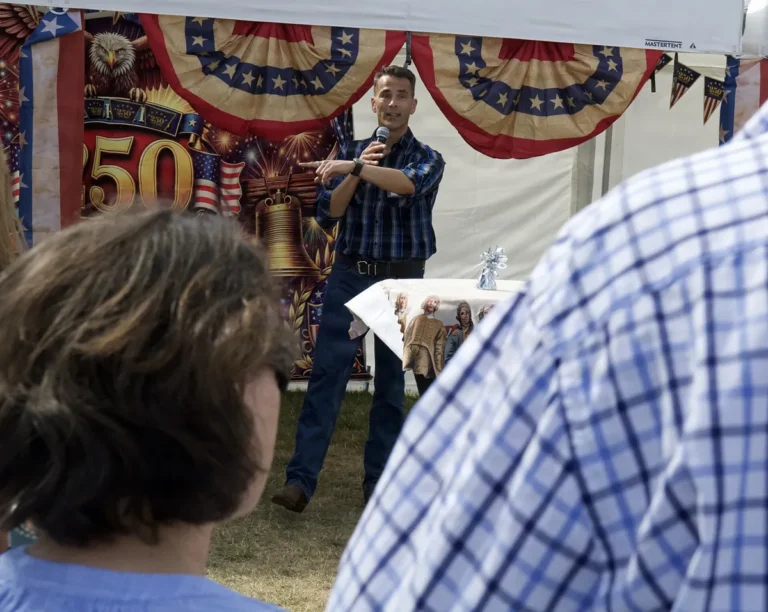
Ocean City ends its summer season loudly, and since 2024 part of that noise has worn a cowboy hat. Country Calling brings a full-scale country music weekend to the very southern tip of the town’s Boardwalk, spreading its stages across the sand of the Inlet Beach and the hard surface of the Inlet Lot. The festival arrived with unusual confidence for a newcomer: its first edition, held over 4–5 October 2024, drew fifty-five thousand people and put four major headliners on the bill. A second edition followed in early October 2025, and a third was staged on 2–3 October 2026, so in the space of three autumns the event has moved from experiment to fixture. What follows gathers everything the published record establishes about the festival — its setting, its lineups, its layout and its place alongside the other big weekends that share its ground — while leaving its silences exactly where they lie.

About the Festival
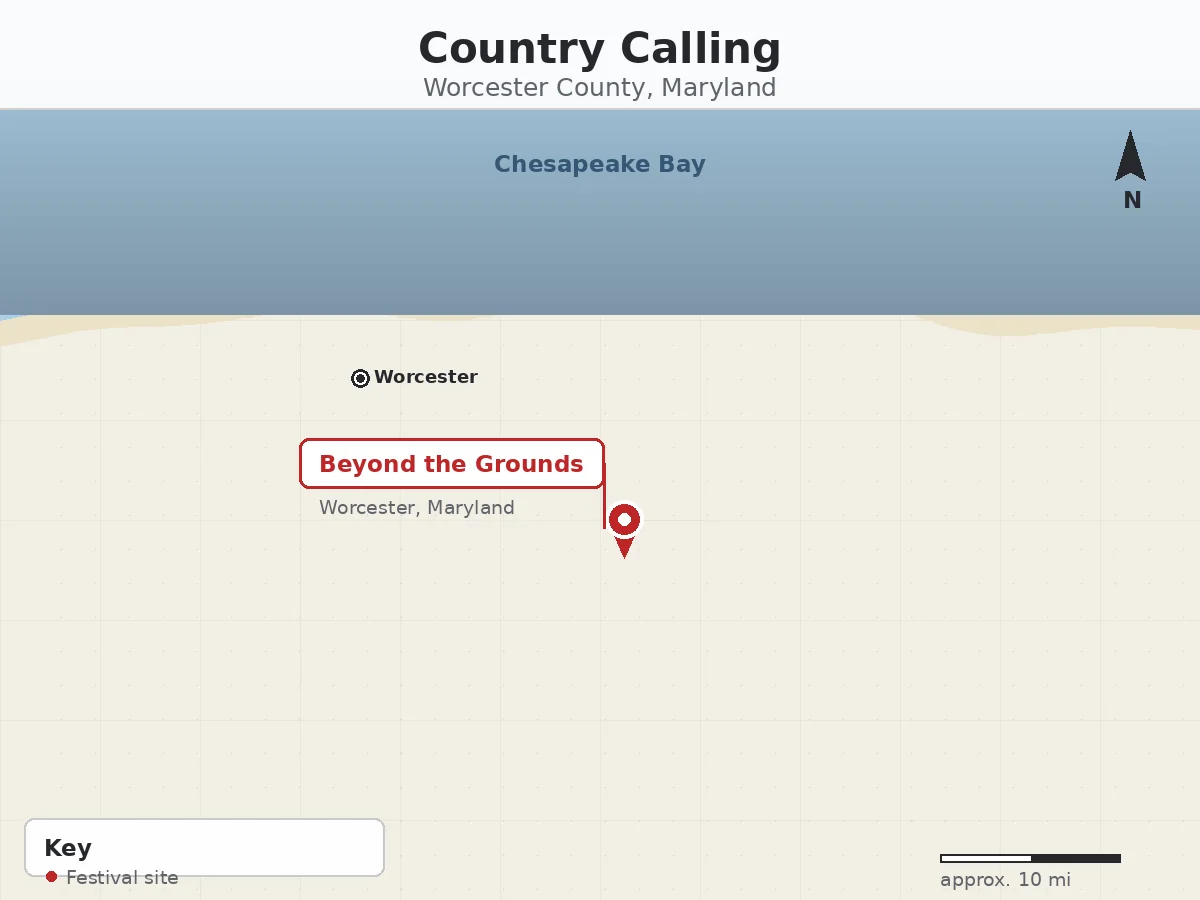
The event circulates under two printed name forms, the short Country Calling and the fuller Country Calling Festival, and both appear across the coverage. Its home is Ocean City, the Atlantic resort town that occupies a barrier island in Worcester County, Maryland. One local fact often trips up first-time visitors: Ocean City is not the county seat. That honour belongs to Snow Hill, an inland town, while Ocean City supplies the crowds, the beach and the Boardwalk. The festival footprint sits at the Boardwalk’s south end, divided between the Inlet Beach and the Inlet Lot, ground that Ocean City already uses for its largest outdoor gatherings.
Coverage of the festival consistently frames it as a counterpart. Oceans Calling, a rock and pop festival, occupies the same inlet ground on an adjacent weekend, and Country Calling is presented as the country answer to it — same shoreline, same rough footprint, different accent. Interestingly, the layers consulted for this article describe the event’s dates, artists and layout in generous detail yet never attach a producing organisation’s name to it, so the festival’s presenter remains uncredited here rather than guessed at. What the record does credit is the format: two days, more than twenty-five artists, and three stages with names — Boot, Scoot and Boogie — that announce the weekend’s intentions before a single note is played.
That placement at the inlet carries practical meaning as well as atmosphere. The Inlet Beach and the Inlet Lot form the largest open gathering space at the town’s southern end, hard against the Boardwalk’s final blocks, so the festival inherits both a genuine beach setting and the services of a built resort around it. An audience member can step off the sand and onto the promenade without leaving the grounds, a combination few purpose-built festival fields can offer, and the arrangement explains why this particular patch of Worcester County keeps being chosen when a weekend needs to hold tens of thousands of people at once.
Quick Facts
| Item | Detail |
| Published names | Country Calling; Country Calling Festival |
| Host town | Ocean City, Maryland |
| County seat | Snow Hill; Ocean City does not hold the seat |
| Venue | Ocean City Inlet Beach and the Inlet Lot |
| First edition | 4–5 October 2024 |
| Most recent documented edition | 2–3 October 2026 |
| Stages | Boot, Scoot and Boogie |
| Artists | More than twenty-five across two days |
| Daily gates | Noon until eleven in the evening |
| Admission | Ticketed |
History
Country Calling debuted in 2024, and its first outing set the scale for everything since. Across 4–5 October 2024, fifty-five thousand people came through the inlet gates, a figure that placed the brand-new festival immediately among the largest music weekends on this stretch of coast. The inaugural bill was topped by Eric Church, Tyler Childers, Jelly Roll and Bailey Zimmerman, a headline group that mixed mainstream country radio with Americana-leaning songwriting and signalled that the bookers intended range rather than a single narrow sound.
For a useful comparison, see the Worcester County Maryland Ocean City Seafood Festival for another county festival.
The festival returned in early October 2025 for a second edition on the same ground. The surviving coverage of that middle year is thinner than for its neighbours — the record confirms the edition happened, in the same early-autumn slot, without preserving the full day-by-day detail that survives for 2024 and 2026 — but its existence matters, because it turned a one-off launch into a sequence. By the time the third edition arrived on 2–3 October 2026, the shape was settled: Friday belonged to headliner Lainey Wilson and Saturday to Chris Stapleton, with Miranda Lambert, Rascal Flatts, Dierks Bentley, Brothers Osborne, Dustin Lynch, Charley Crockett and Clay Walker filling out a bill of more than twenty-five artists. Three editions in three years, all in early October and all at the inlet, is the whole of the documented history so far — a short story, but a consistent one.
What to Expect
Music runs from the moment the gates open at noon until the site closes at eleven in the evening, and the three stages divide the day between them. Boot and Scoot stand on the sand itself, so their audiences watch with the Atlantic behind the performers and the beach underfoot, while Boogie sits along the Boardwalk, closer to the town’s wooden promenade and its passing crowds. With more than twenty-five artists across two days, sets overlap as a matter of design, and part of the weekend’s pleasure is drifting between stages as one act hands the shoreline over to the next.
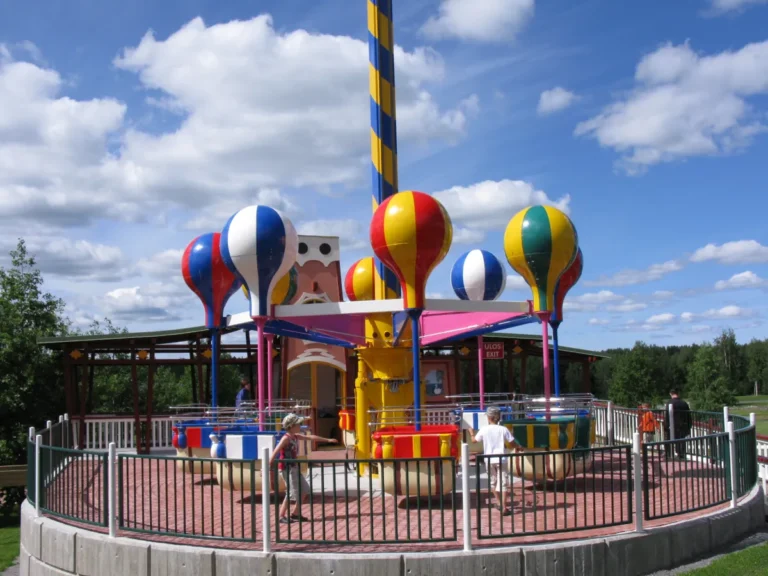
The footprint holds more than stages. Boardwalk restaurants fall inside the festival boundary, so eating during the day means choosing among the same counters and dining rooms that serve the promenade all season, and the pier rides stand within the grounds as well, giving the weekend a fairground edge between performances. The bill’s construction rewards that wandering: the 2026 lineup paired its two headliners with acts spanning several generations of the genre, from Rascal Flatts and Dierks Bentley through Brothers Osborne and Dustin Lynch to Clay Walker, so any given hour on any given stage pulls a somewhat different crowd. Nobody attends all of it; everybody assembles a personal version of the weekend out of the same twenty-five-plus names. The audience dresses for a beach festival in October rather than an arena show: layers for the evening, shoes that tolerate sand, and an ear for the headliners who close each night — Lainey Wilson’s Friday set and Chris Stapleton’s Saturday performance in the 2026 pattern. Nothing in the record suggests a quiet weekend. Fifty-five thousand people attended the debut, the stages run eleven hours a day, and the whole enterprise sits at the meeting point of a beach, a boardwalk and a fairground pier.
Planning Your Visit
Admission is by ticket, and one gap in the record deserves stating plainly before anything else: the layers consulted publish no single ticket price for this festival, so any figure a visitor needs should come from the event’s own current sales information rather than from an article. What can be planned from the record is the weekend’s rhythm. Gates open at noon on both days, which rewards an unhurried morning and a settled base before the music starts, and the site stays open until eleven at night, so the headline sets finish late enough that nobody needs to rush dinner beforehand.
Because two stages stand on open sand and the third along the Boardwalk, footwear and layers matter more than at a stadium concert; an October evening off the Atlantic cools quickly once the sun drops. The early-October slot also carries coastal weather risk, a point the festival’s own neighbourhood underlines — its sister event’s 2026 edition, on adjacent ground, was cancelled when a nor’easter struck the coast, a reminder that autumn weekends at the inlet are planned with one eye on the forecast. Visitors who treat the two days as a beach weekend with a festival inside it, rather than a concert with a beach attached, tend to pack correctly for it.
A Sample Itinerary
A Friday at the 2026 edition could begin with a late breakfast on the Boardwalk before the noon opening, then an afternoon spent sampling the earlier sets between the Boot and Scoot stages on the sand, breaking for food at one of the boardwalk restaurants inside the grounds. The evening builds toward Lainey Wilson’s headline performance, after which the site empties at eleven and the town’s late-night kitchens take over.
Saturday allows a slower start — a morning walk at the quieter northern end of the beach, away from the inlet crowds — before returning south for the second day’s programme. The Boogie stage along the Boardwalk suits the afternoon, the pier rides fill the gap between favoured acts, and Chris Stapleton’s closing set anchors the night. A Sunday departure after a final Boardwalk stroll completes the shape the festival’s three editions have established: two dense days of music folded into one coastal weekend.
How It Compares
The comparison this festival invites first is with Oceans Calling, and the two should be kept firmly apart despite everything they share. They occupy the same Inlet Beach and Inlet Lot ground on adjacent weekends, and Country Calling is openly presented as the country counterpart to the older rock and pop event. The resemblance ends at the fence line: the lineups, the audiences and the weekends are distinct, and the sister festival’s history cannot be borrowed for this one — most sharply in 2026, when a nor’easter forced the cancellation of the Oceans Calling edition while Country Calling’s own weekend went ahead on 2–3 October with its full bill.
A second neighbour needs separating as well. Sunfest is another October festival at the Ocean City inlet, older and broader in its remit, and visitors scanning autumn listings can easily blur the two. Country Calling is narrower and louder by design: two days, three named stages, and a bill drawn entirely from country and its neighbouring Americana territories, where Sunfest spreads its attention across a wider fairground mix. Knowing which weekend is which is the first act of planning either trip.
Beyond the Grounds
The festival takes over the southern end of Ocean City, but the town extends well beyond the fence. The Boardwalk runs north from the inlet through the heart of the resort, lined with the arcades, food counters and shops that have defined the town’s summers for generations, and the beach continues the whole length of the island for anyone who wants a quieter hour between sets. The inlet itself, where the bay meets the ocean beside the festival ground, gives the site its working-waterfront edge, with boats moving through the channel within sight of the stages.
Worcester County beyond the island offers a different register again. Snow Hill, the county seat, sits inland on the Pocomoke River, and the county’s mainland towns and farmland make a deliberate contrast with the resort strip — useful context for visitors who assume the whole county looks like the Boardwalk. An October trip built around Country Calling can hold both halves of the county: the loud weekend at the inlet and a slow drive inland before heading home.
Why It Matters
A festival that draws fifty-five thousand people in its first year is making an argument about its town, and Ocean City’s argument is about season length. A resort built on summer gains a second anchor when an early-October weekend of this size takes root, and the pairing of Country Calling with its sister festival turns the inlet into a two-weekend music destination each autumn, extending the working calendar for the Boardwalk businesses inside and around the footprint. For country music specifically, the festival plants a large, open-air, multi-stage event on a mid-Atlantic beach, a setting the genre’s touring circuit reaches less often than the South and Midwest, and its bills — pairing stadium headliners with songwriters such as Charley Crockett — suggest a deliberate breadth. Three editions is a beginning rather than a legacy, but the record so far shows a festival that arrived at full scale and stayed there.
Frequently Asked Questions
Who headlined the very first Country Calling?
The inaugural edition on 4–5 October 2024 was topped by Eric Church, Tyler Childers, Jelly Roll and Bailey Zimmerman, and it drew fifty-five thousand people to the inlet over its two days.
What are the three stages called, and where do they stand?
The stages are named Boot, Scoot and Boogie. Boot and Scoot stand on the sand of the Inlet Beach, while Boogie is positioned along the Boardwalk within the same festival footprint.
Which acts closed the 2026 edition each night?
Lainey Wilson headlined the Friday of 2–3 October 2026 and Chris Stapleton headlined the Saturday, on a bill that also included Miranda Lambert, Rascal Flatts, Dierks Bentley, Brothers Osborne, Dustin Lynch, Charley Crockett and Clay Walker.
Is Country Calling the same event as Oceans Calling?
No. They are separate festivals that share the Inlet Beach and Inlet Lot ground on adjacent weekends; Oceans Calling is the rock and pop event, and Country Calling is its country counterpart. Their lineups and histories are entirely their own.
What to Expect From the Next Worcester County Maryland Country Calling Festival
How often is Worcester County Maryland Country Calling Festival held?
Each of the three documented editions — 2024, 2025 and 2026 — occupied a single two-day weekend, and all three fell in early October at the same inlet site. Whether that rhythm hardens into permanence is something only future editions can confirm.
When is the next Worcester County Maryland Country Calling Festival?
The most recent edition documented in the record ran on 2–3 October 2026. Coverage consulted for this article carries no confirmed date beyond that weekend, so the honest answer is that the next edition’s timing rests on an announcement still to come, with early October the established pattern to watch.
Will the dates change?
Across three years the festival has stayed in early October, moving only within that window — the first full weekend in 2024 and 2026. Nothing in the record signals a move to another season, but the dates are set edition by edition, and coastal weather has already shown, in the sister festival’s 2026 cancellation, that an October weekend on this shore is never entirely beyond negotiation.
Three autumns into its life, Country Calling has the outline of an institution: a fixed home at the foot of the Boardwalk, a settled early-October slot, and bills that draw fifty-five thousand people to the sand. The record behind it is young, and this article has kept it that way, but what the record shows is a country festival that skipped the small beginning entirely and started at full size.