Queen Anne’s County Maryland Seaglass Festival
On a late-winter weekend in Grasonville, a small gathering of sea glass vendors set up their tables at the Chesapeake Bay Environmental Center, and the record of that weekend is almost everything the layers read have to say about this festival. The sheet title, Queen Anne’s County Maryland Seaglass Festival, is a close variant of the names the event was actually printed under: Spring Sea Glass Festival in a community newsletter layer, and Seaglass Festival and Artisan Fair in a county visitor guide. The single dated edition with particulars ran from Friday the twenty-eighth of February to Saturday the first of March in twenty fourteen, with the Sea Glass Vendors Fair held on the Saturday from noon to four in the afternoon, and admission free.

About
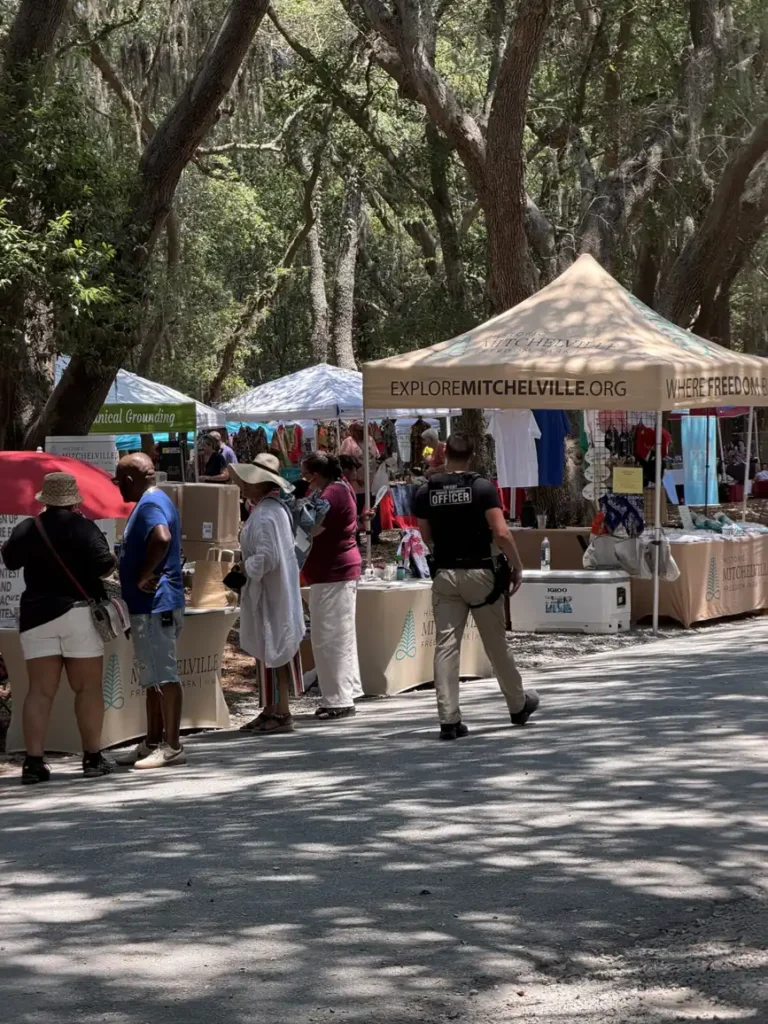
The festival, as the layers read describe it, was a vendors fair built around sea glass: frosted fragments smoothed by years in the water, gathered along shorelines and worked by hand into jewellery, ornaments and coastal goods. Vendors sold those wares at the Sea Glass Vendors Fair on the Saturday of the twenty fourteen edition, and that fair is the whole programme the layers read particularise. No music, food stalls, contests or parade appear in the record; the event was a market of makers at a nature center whose grounds look toward the Chesapeake Bay.
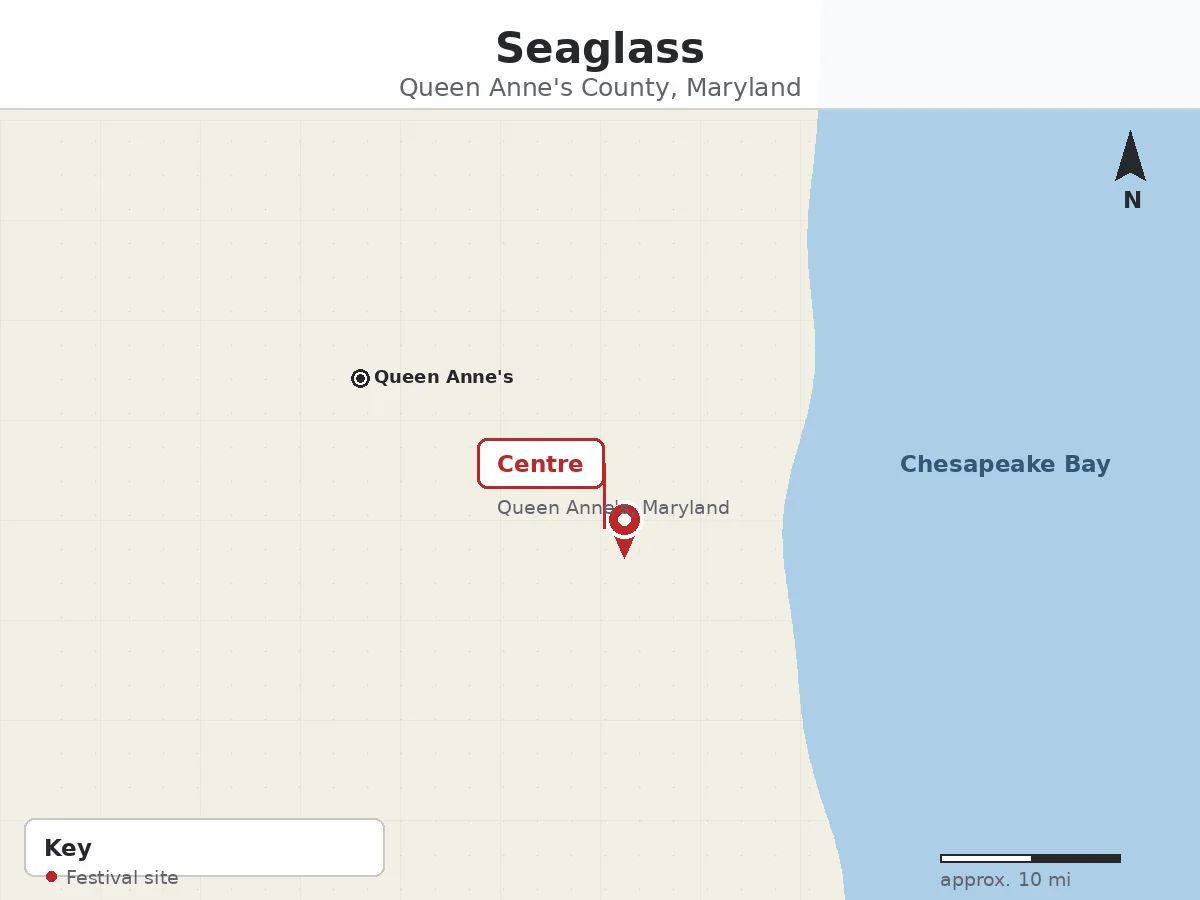
Grasonville, the host town, sits in Queen Anne’s County on Maryland’s Eastern Shore. The seat belongs to Centreville, per a state archives reference layer, and visitors who head for the seat expecting the festival will find themselves in the wrong town. The venue, the Chesapeake Bay Environmental Center, is run by the organisation of the same name, and its grounds give the gathering its setting: marsh edge, open sky and shoreline, where a fair of found and reworked glass fits the place it is sold in.
The organiser’s name does not appear in the material read. A county development-foundation minutes layer from March twenty twenty-one records production issues between the festival’s producer and the property owner, with a possible move to a later date. No producer name is given, so the person behind the production stays a role in this article, not a name. The minutes are the latest dated trace of the event, and they leave open whether the gathering moved, paused or ended after that meeting.
Quick Facts
| Item | Detail |
| Sheet title | Queen Anne’s County Maryland Seaglass Festival |
| Published names | Spring Sea Glass Festival; Seaglass Festival & Artisan Fair |
| Host town | Grasonville, Maryland |
| County seat | Centreville; Grasonville is not the seat |
| Venue | Chesapeake Bay Environmental Center |
| Dated edition | Friday the twenty-eighth of February to Saturday the first of March, twenty fourteen |
| Vendors fair | Saturday, noon to four in the afternoon |
| Admission | Free at the twenty fourteen edition |
| Organiser | None named in the layers read |
| Later editions | No later edition documented |
History
There is no founding account in the layers read, and none is offered here. The festival was already running by the time the community newsletter layer recorded its twenty fourteen edition, but the layers read say nothing about who first organised it or how many years it had run by then. A realty-marketing layer describes the Spring Sea Glass Festival as an annual March event in the county, which suggests a recurring gathering rather than a one-off, yet no earlier dated edition is pinned in the layers read and none follows the twenty fourteen one.
For a useful comparison, see the Queen Anne’s County Maryland Chesapeake Storytelling Festival for another county festival.
The county visitor guide, by contrast, lists the Seaglass Festival and Artisan Fair at the Chesapeake Bay Environmental Center in its November section. That placement conflicts with the March dating in the other layers, and the two are recorded here unmerged: March in the newsletter and realty layers, November in the guide, with no way to reconcile them into a single season.
A final dated note comes from the March twenty twenty-one minutes layer: production issues between the festival’s producer and the property owner, with a possible move to a later date mentioned. The minutes name no producer, give no new date and say nothing about whether the move happened. After that meeting, the trail goes quiet.
What to Expect
A visitor to the documented edition would have found a vendors fair rather than a stage show. The Sea Glass Vendors Fair ran on the Saturday from noon to four in the afternoon, and its stalls carried sea glass creations and coastal goods: pieces of glass gathered from shorelines, smoothed by the water, and set by hand into things people carry home. The fair was the event. No live music, food vendors, children’s activities or demonstrations appear in the layers read, and this article invents none.
The place itself carries much of the day: a fair of found glass suits a center devoted to the shoreline. Expect a slow, browsing pace, tables to linger at, makers to talk with, and pieces to turn over in the hand before choosing. The twenty fourteen edition was free to attend, so the cost of the day was whatever a visitor chose to spend at a stall.
Two things deserve care. First, the record is thin: expect a compact gathering with a single documented weekend, not a county fair. Second, the similarly named Eastern Shore Sea Glass and Coastal Arts Festival at the Chesapeake Bay Maritime Museum in Saint Michaels, Talbot County, is a different event in a different county, with its own dated editions in April twenty nineteen, April twenty twenty-four and November twenty twenty-six. Confusing the two would send a visitor to the wrong town on the wrong weekend.
Planning Your Visit
Aim for Grasonville, not Centreville: the seat is Centreville, but the Chesapeake Bay Environmental Center stands in Grasonville, and on the Eastern Shore a wrong turn between the two can cost an hour.
The documented edition ran from Friday the twenty-eighth of February to Saturday the first of March in twenty fourteen, with the vendors fair on the Saturday from noon to four in the afternoon. That Saturday is the only day the layers read particularise, so a visit built around the fair should be built around a Saturday midday arrival. Admission was free at the twenty fourteen edition; no admission position for any later edition is stated in the layers read, because no later dated edition is documented.
Because the record ends in twenty fourteen and the visitor guide’s November listing conflicts with the March dating, a prospective visitor should confirm the current date and venue before setting out. The March twenty twenty-one minutes layer mentions only a possible move to a later date, without naming one.
A Sample Itinerary
A Saturday built around the documented twenty fourteen edition might run like this. Arrive in Grasonville in the late morning, in time to reach the Chesapeake Bay Environmental Center before the fair opens, and spend the first hour walking the stalls as they fill: sea glass jewellery, ornaments and coastal goods, each piece shaped by the water before it was shaped by hand.
From noon to four, the Sea Glass Vendors Fair is the heart of the day. Linger at the tables, talk with the vendors about where their glass was gathered and how it was worked, and choose a piece or two to carry home. A fair of this size rewards a slow pace; the pleasure is in the looking and the choosing.
In the late afternoon, after the fair closes, take time for the center’s grounds and the bay-country setting around Grasonville before heading on. The gathering itself is compact, so the rest of the day belongs to the place.
How It Compares
The nearest comparison is the event most likely to be confused with it: the Eastern Shore Sea Glass and Coastal Arts Festival at the Chesapeake Bay Maritime Museum in Saint Michaels, Talbot County. That festival has a longer documented run, with an eighth annual edition in April twenty nineteen, an April twenty twenty-four edition and a fifth annual Holiday Edition in November twenty twenty-six, all at a museum venue in a different county. The Grasonville gathering, by contrast, rests on a single dated edition in twenty fourteen at a nature center, with a realty layer describing it as an annual March event and a visitor guide listing it in November. The two share a theme, sea glass, and little else: different towns, different counties, different venues, different records.
Within its own record, the gathering compares with itself across two seasons: March in the newsletter and realty layers, November in the visitor guide. Neither placement is disowned, and neither can be confirmed against the other, so the comparison ends in an honest split rather than a settled answer.
Against the broader run of Queen Anne’s County gatherings, the festival stands out for its thinness. Many county events arrive with years of dated editions, named organisers and full programmes; this one arrives with a single dated weekend, no organiser name and a vendors fair as its whole programme. That thinness is the truest thing the record offers, and it shapes everything a visitor should expect.
Checklist
- Aim for Grasonville, not Centreville: the venue is the Chesapeake Bay Environmental Center in Grasonville, while Centreville is the county seat.
- Build the visit around a Saturday midday, matching the documented fair from noon to four.
- Confirm the current date and venue with a fresh listing before travelling, since no later dated edition is documented and the March and November placements conflict.
- Do not confuse this gathering with the Eastern Shore Sea Glass and Coastal Arts Festival in Saint Michaels, Talbot County, which is a different event.
- Expect a compact vendors fair, not a multi-day festival: sea glass creations and coastal goods, makers to talk with, and a slow browsing pace.
- Allow time after the fair for the center’s grounds and the bay-country setting around Grasonville.
- Remember that admission was free at the twenty fourteen edition; no admission position for a later edition is stated.
Beyond the Festival
The Chesapeake Bay Environmental Center gives the gathering more than a venue; it gives it a context. A nature center devoted to the bay’s shoreline is a fitting home for a fair of glass the water has shaped, and its grounds reward an unhurried walk after the stalls close. The drive between Grasonville and the seat at Centreville runs through the farmland and shoreline country that defines Maryland’s Eastern Shore.
Centreville, as the county seat, suits a longer stop for courthouse and shops, while Grasonville holds the festival ground. A visitor with a full day could pair the two: the fair at the environmental center at midday, and the seat’s streets before or after. The glass on the vendors’ tables is, in its own small way, a piece of the shoreline carried home.
Why It Matters
A festival with a single dated edition and no organiser name might seem too slight to matter, yet the Grasonville gathering matters in the way small, place-bound events do. It put makers and buyers together at a nature center and gave the shoreline’s cast-off glass a second life as something worn, displayed and kept. The craft is modest and the record is thin, but the exchange at its heart, a maker handing worked glass to a stranger who will carry it home, is the same exchange that anchors far larger festivals.
The record also matters as a caution. The March dating and the November listing do not agree, the March twenty twenty-one minutes record a production dispute and a possible move without naming a new date, and no later dated edition follows the twenty fourteen gathering. A visitor who trusts a single listing could arrive in the wrong season, and the honest account, thin as it is, beats a confident one built on guesswork.
Frequently Asked Questions
Is the Grasonville gathering the same event as the maritime museum festival in Saint Michaels?
No. The Eastern Shore Sea Glass and Coastal Arts Festival at the Chesapeake Bay Maritime Museum in Saint Michaels, Talbot County, is a different event in a different county, with its own dated editions in April twenty nineteen, April twenty twenty-four and November twenty twenty-six. The Grasonville gathering was held at the Chesapeake Bay Environmental Center in Queen Anne’s County.
When in the year does the Grasonville gathering take place?
The dated evidence points to March. The twenty fourteen edition ran from Friday the twenty-eighth of February to Saturday the first of March, and a realty-marketing layer describes the gathering as an annual March event. The county visitor guide, however, lists it in its November section. The two placements are recorded unmerged in this article, and a current listing should be checked before travelling.
What kinds of goods do the vendors sell at the festival?
The vendors at the Sea Glass Vendors Fair sold sea glass creations and coastal goods: pieces of glass gathered from shorelines, smoothed by the water and worked by hand into jewellery, ornaments and other coastal pieces. No other goods are particularised, and no food, music or activity stalls are recorded.
Why do some listings place the festival in November?
The county visitor guide lists the Seaglass Festival and Artisan Fair at the Chesapeake Bay Environmental Center in its November section, while the community newsletter layer and a realty-marketing layer place the gathering in March. The layers read give no explanation for the difference, so this article records both placements without reconciling them.
What to Expect From the Next Queen Anne’s County Maryland Seaglass Festival
How often is Queen Anne’s County Maryland Seaglass Festival held?
A realty-marketing layer describes the gathering as an annual March event, which points to a yearly rhythm. Only one dated edition, in twenty fourteen, is documented, so that rhythm rests on a single description rather than a run of dated editions a reader can count.
When is the next Queen Anne’s County Maryland Seaglass Festival?
No next date is documented in the material this article draws on. The record consulted here ends with the twenty fourteen gathering and the March twenty twenty-one minutes layer, which mentions a possible move to a later date without naming one. A current listing is the only place a next date would appear.
Will the dates change?
Change is possible, and the record gives two reasons to expect it might. The March twenty twenty-one minutes layer records a possible move to a later date after production issues between the producer and the property owner, and the visitor guide’s November placement already differs from the March dating in the other layers. Whether a change happened, and to which season, is not stated in the layers read.
The Grasonville gathering remains a small fair with a thin record and a clear identity: sea glass, sold by its makers, at a nature center on the bay shore, in a town that is not the county seat. Its single documented weekend, its two unmerged published names and its unresolved March and November placements are all part of that identity.