Union Parish Louisiana Watermelon Festival
Late July in Farmerville belongs to watermelon. The parish seat of Union Parish turns its courthouse square and the streets around it into a two-day gathering built on the fruit that put this part of north Louisiana on the map, and the Louisiana Watermelon Festival — printed in some layers as the Farmerville Watermelon Festival — has been doing it the same way for more than six decades. The sheet title for this article is never printed as the event’s name in the layers read, so the body below uses the published names, while the title line above and the outlook at the end keep the sheet title verbatim.

About the Festival
The Louisiana Watermelon Festival is a community harvest festival held in Farmerville, the seat of Union Parish in north Louisiana. Its organiser is the Farmerville Jaycees, and its home is Union Parish Courthouse Square, with events spilling onto the surrounding streets. The festival’s centre of gravity is the fruit itself: contests judge the largest watermelon and measure sugar content with a refractometer, while eating and seed spitting contests turn the harvest into a spectator sport. Around those contests sits a full weekend programme — a tennis tournament, bicycle and tricycle races, arm wrestling, a best dressed watermelon competition, a street dance, a pageant and a Saturday morning parade that runs from the high school down Main Street.
The event’s standing in the town is easy to see in its longevity. The festival was founded by the Farmerville Jaycees in 1963 to celebrate Louisiana’s watermelon industry and to honour the local growers who sustain it, and the annual billings printed in the layers read run from the fifty-first annual edition in July 2014 through the sixty-third annual edition in 2026. Those billings are recorded exactly as the layers print them, and no founding year is derived from them, since the founding year is stated directly in the town and festival layers. The festival is held annually on the last weekend in July, a rhythm the town and festival layers both confirm, and the most recent documented edition is the sixty-third annual gathering in 2026, for which vendor applications opened on 17 January 2026.
Farmerville’s claim on the fruit runs deeper than a single weekend. The festival exists because watermelons have long been a working crop in Union Parish, and the Jaycees built the event around the growers rather than around a stage.
Quick Facts
| Item | Detail |
| Sheet title | Union Parish Louisiana Watermelon Festival |
| Published names | Louisiana Watermelon Festival; Farmerville Watermelon Festival |
| Host town | Farmerville, parish seat of Union Parish |
| Venue | Union Parish Courthouse Square and surrounding streets |
| Organiser | Farmerville Jaycees |
| Founded | 1963, by the Farmerville Jaycees |
| Timing | Annually, last weekend in July |
| Latest documented edition | Sixty-third annual, 2026 |
| Signature contests | Largest watermelon; sugar content by refractometer; eating and seed spitting |
| Admission | No gate figure stated in layers read |
History
The Louisiana Watermelon Festival began in 1963, when the Farmerville Jaycees founded it to celebrate Louisiana’s watermelon industry and to honour local growers. That founding purpose is stated in the town and festival layers, and it has remained the event’s reason for being across every edition the layers document. The Jaycees, a civic organisation of young community members, built the festival around the crop that defined the parish’s agricultural life, and the square in front of the Union Parish courthouse became its home.
For a useful comparison, see the Terrebonne Parish Louisiana Hero Festival for another county festival.
The documented editions trace a long, steady run. The fifty-first annual edition was held in July 2014. The fifty-third annual edition followed on 29–30 July 2016, and the fifty-fourth annual edition on 28–29 July 2017. The sixtieth annual edition was held on 28–29 July 2023, the sixty-first annual edition in 2024, and the sixty-third annual edition in 2026, with vendor applications for that edition opening on 17 January 2026. The festival is held annually on the last weekend in July, according to the town and festival layers, and the two-day pattern of a Friday-to-Saturday or Saturday-to-Sunday weekend holds across the dated editions.
What the history does not offer is a single dramatic turning point. The watermelon contests, the parade, the pageant and the street dance appear in the programme across the documented years, and the growers the festival honours remain its named reason for existing.
What to Expect
A weekend at the Louisiana Watermelon Festival is built around the courthouse square and the streets around it, and the programme fills both days with contests, races and music. The watermelon contests are the heart of it. Growers bring their largest fruit to be weighed and judged, and a refractometer measures sugar content, giving the judging a precise, measurable edge that sets it apart from a purely visual contest.
Sport runs through the weekend as well. A tennis tournament anchors the athletic side, while bicycle races and tricycle races give younger visitors their own competitive moment. Arm wrestling adds a test of strength to the programme, and the mix of ages and abilities in these events is part of the festival’s character: the races are open and informal, the tennis is organised, and the arm wrestling draws a crowd wherever it is staged. The tennis tournament, the bicycle races and the arm wrestling sit alongside the fruit contests rather than apart from them, so a visitor can move from a weigh-in to a race to a match without leaving the square and its surrounding streets.
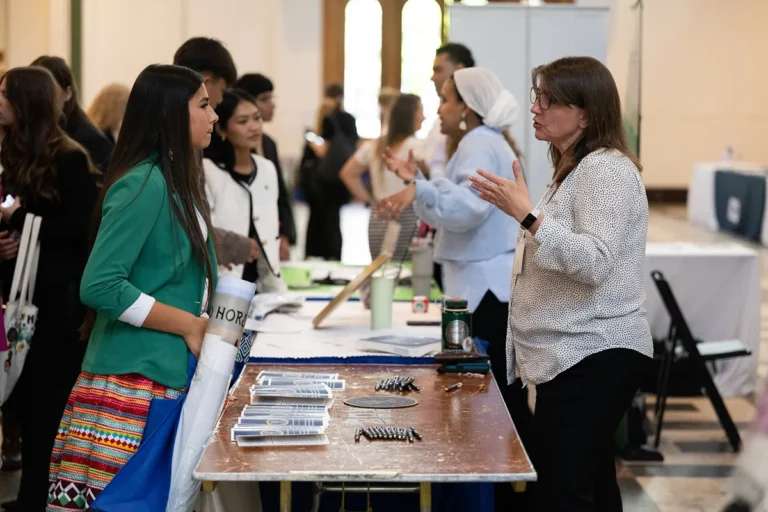
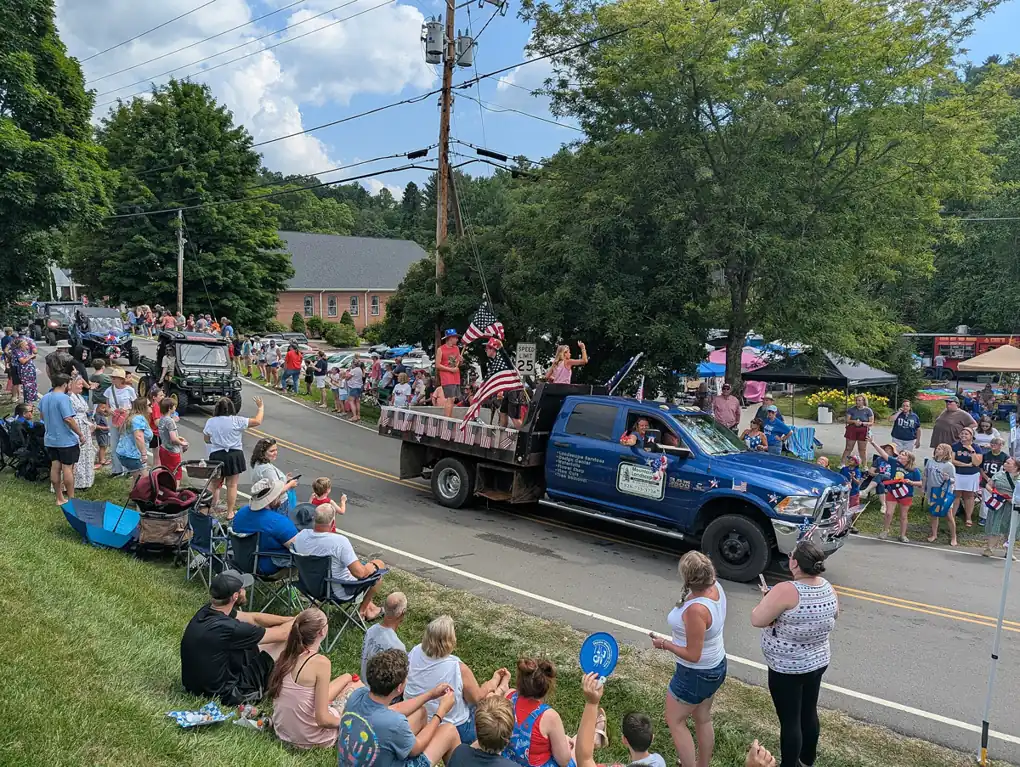
The Saturday morning parade is the weekend’s most visible public moment. It runs from the high school down Main Street, bringing the festival out of the square and through the town, and it gathers the community along the route before the day’s contests resume. Food and vendor booths line the square, and the surrounding streets carry the foot traffic between the contests, the races and the dance.
Planning Your Visit
The festival is held on the last weekend in July, so plan for summer heat in north Louisiana and for a weekend that runs across two days. Arrive with the square in mind as your base: the courthouse square holds the contests and the vendor booths, and the surrounding streets carry the rest of the programme, so most of the weekend is walkable once you are there. The Saturday morning parade starts at the high school and runs down Main Street, so if the parade is your priority, position yourself along Main Street early rather than waiting at the square.
Entry is not priced in the layers read, and this guide does not guess at a figure. Vendor booth fees and a vendor application fee are documented in the layers, but those are charges for sellers, not for visitors, and they say nothing about what entry costs a person walking onto the square. Treat admission as unconfirmed and check the current listing before travelling, since the layers read carry no gate figure for any edition.
Bring sun protection, water and comfortable shoes, and expect to spend most of the day outdoors. The contests run on a schedule set by the organisers, so the largest watermelon judging and the sugar content testing are worth seeking out early in the day, while the street dance and the pageant belong to the later hours.
Sample Itinerary
A two-day visit can follow the festival’s own shape. On the first day, arrive at the courthouse square in the morning and start with the vendor booths, getting a sense of the square before the contests begin. Watch the largest watermelon judging and the sugar content testing, then take in the bicycle and tricycle races and the tennis tournament as the afternoon unfolds. Stay for the street dance in the evening, when the square turns from a contest ground into a dance floor.
On the second day, head to Main Street early for the Saturday morning parade from the high school, then return to the square for the eating and seed spitting contests and the best dressed watermelon competition. Spend the middle of the day at the vendor booths and the food stalls, catch the arm wrestling if it is running, and finish with the pageant.
Comparison
Among Louisiana’s harvest festivals, the Louisiana Watermelon Festival stands out for the precision of its judging. Many harvest events crown a largest fruit by weight alone, but the refractometer test for sugar content adds a measurement that rewards flavour as well as size, and that pairing of weight and sweetness is the festival’s most distinctive feature. The refractometer test gives the judging a measurable edge, since sugar content is recorded as a number rather than left to taste alone. The programme is also broader than a single-crop showcase: the tennis tournament, the bicycle and tricycle races and the arm wrestling give the weekend an athletic spine that a purely agricultural fair would not have, while the parade and the pageant give it a civic spine.
Compared with larger, multi-day festivals elsewhere in the state, the Farmerville gathering is compact and square-centred. Its venue is a courthouse square and the streets around it, not a fairground, and its organiser is a single civic group, the Farmerville Jaycees, rather than a rotating committee. The festival’s longevity — founded in 1963 and running into its sixty-third annual edition in 2026 — also sets it apart from younger harvest events, and the continuity of the Jaycees as organiser across that span is unusual.
Checklist
- Aim for the last weekend in July, the festival’s annual slot.
- Start at Union Parish Courthouse Square, the festival’s centre.
- Watch the largest watermelon judging and the sugar content test.
- Catch the Saturday morning parade from the high school down Main Street.
- Try the eating contest and the seed spitting contest.
- Look for the best dressed watermelon competition.
- Bring sun protection and water for a July weekend outdoors.
- Wear comfortable shoes for a walkable, square-centred site.
- Check the current listing for admission, since no gate figure is stated in the layers read.
- Leave time for the street dance and the pageant in the later hours.
Beyond the Festival
Farmerville itself rewards a slower look. As the parish seat of Union Parish, it carries the civic architecture of a north Louisiana county town, and the courthouse square that hosts the festival is the town’s centre in every sense. The surrounding streets hold the shops and storefronts that serve the parish year-round, and the high school that starts the parade route is part of the same small-town fabric.
Union Parish’s agricultural landscape is the other half of the story. Watermelons are a working crop here, and the festival’s founding purpose — celebrating Louisiana’s watermelon industry and honouring local growers — points directly at the fields beyond the town. The growers who bring their largest fruit to the square are the same people who work that land, and the refractometer test that judges their fruit is a reminder that the festival is rooted in agriculture rather than in spectacle alone.
Significance
The Louisiana Watermelon Festival matters to Farmerville because it ties the town’s civic life to its agricultural life in a single weekend. The Farmerville Jaycees founded it in 1963 for exactly that purpose, and the event has carried that purpose through more than sixty annual editions without drifting from it. The contests honour the growers, the parade and the pageant belong to the town, and the square provides the shared ground where both meet.
The festival’s significance also lies in what it has not become. It has not moved to a fairground, changed organiser or grown into a multi-week event; it remains a Jaycees-run weekend on a courthouse square, held on the last weekend in July, with the same contests and the same parade route. The Jaycees’ role matters here too: a single civic group has organised the festival since 1963, and that continuity of organiser matches the continuity of venue on the courthouse square. In a state full of festivals that expand, relocate or rebrand, the Farmerville gathering holds its shape, and the edition count — fifty-first in 2014, sixtieth in 2023, sixty-third in 2026 — is the clearest evidence of that steadiness.
Frequently Asked Questions
What makes the watermelon judging here different from other harvest festivals?
The festival pairs a largest watermelon contest with a sugar content test measured by refractometer, so the judging rewards sweetness as well as size. That combination of weight and measured sugar content is the most distinctive feature of the contest programme.
If I can only come for one day, which day works best?
The Saturday morning parade from the high school down Main Street is the weekend’s most visible public moment, and the contests, races and pageant cluster around it, so a Saturday visit catches the fullest single day. A two-day visit adds the street dance and the slower pace of the square on the other day.
Is the festival only about watermelon?
Watermelon is the centre, but the programme is broader: a tennis tournament, bicycle and tricycle races, arm wrestling, a street dance, a parade and a pageant all share the weekend, and vendor booths line the square. The fruit gives the festival its theme; the rest gives it its weekend.
Who runs the festival?
The Farmerville Jaycees organise the event, as they have since founding it in 1963. The venue is Union Parish Courthouse Square and the surrounding streets in Farmerville, the parish seat of Union Parish.
What to Expect From the Next Union Parish Louisiana Watermelon Festival
How often is Union Parish Louisiana Watermelon Festival held?
The festival is held annually on the last weekend in July, according to the town and festival layers. The documented editions run from the fifty-first annual gathering in July 2014 to the sixty-third annual edition in 2026, and the annual rhythm holds across all of them.
When is the next Union Parish Louisiana Watermelon Festival?
The most recent documented edition is the sixty-third annual gathering in 2026, with vendor applications opening on 17 January 2026. No dated edition beyond 2026 is documented in the layers read, so the next gathering after that edition is not fixed here; the annual last-weekend-in-July pattern is the only guide the record gives.
Will the dates change?
The festival has held the last weekend in July across the documented editions, and the town and festival layers describe that slot as its annual timing. A visitor should still check the current listing before travelling, since the layers read carry no dated edition beyond 2026 and the organisers set each year’s exact days.
The Louisiana Watermelon Festival endures because it has never tried to be more than what the Farmerville Jaycees founded in 1963: a weekend on the courthouse square that celebrates the parish’s watermelon industry and honours the growers behind it. The contests, the parade, the pageant and the street dance have carried that purpose through sixty-three annual editions, and the square in Farmerville remains the place where the town and its harvest meet each July.