Ouachita Parish Louisiana Mardi Gras Festival
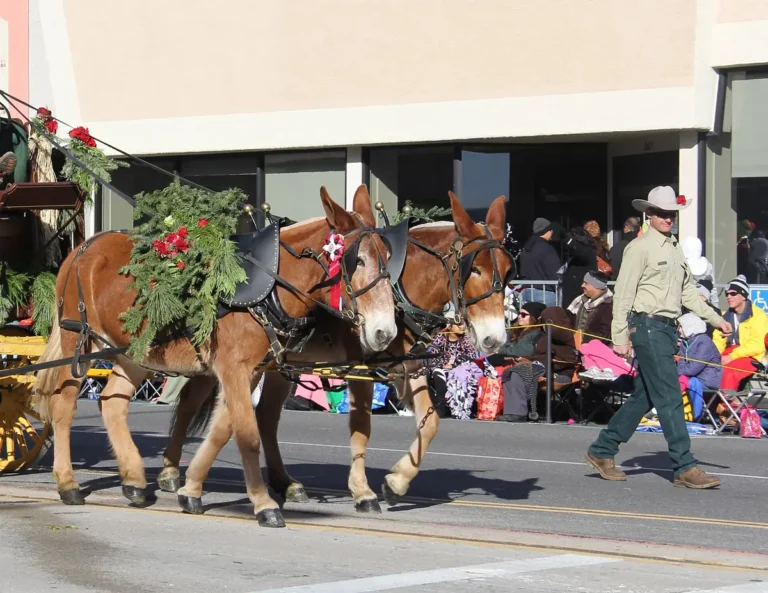
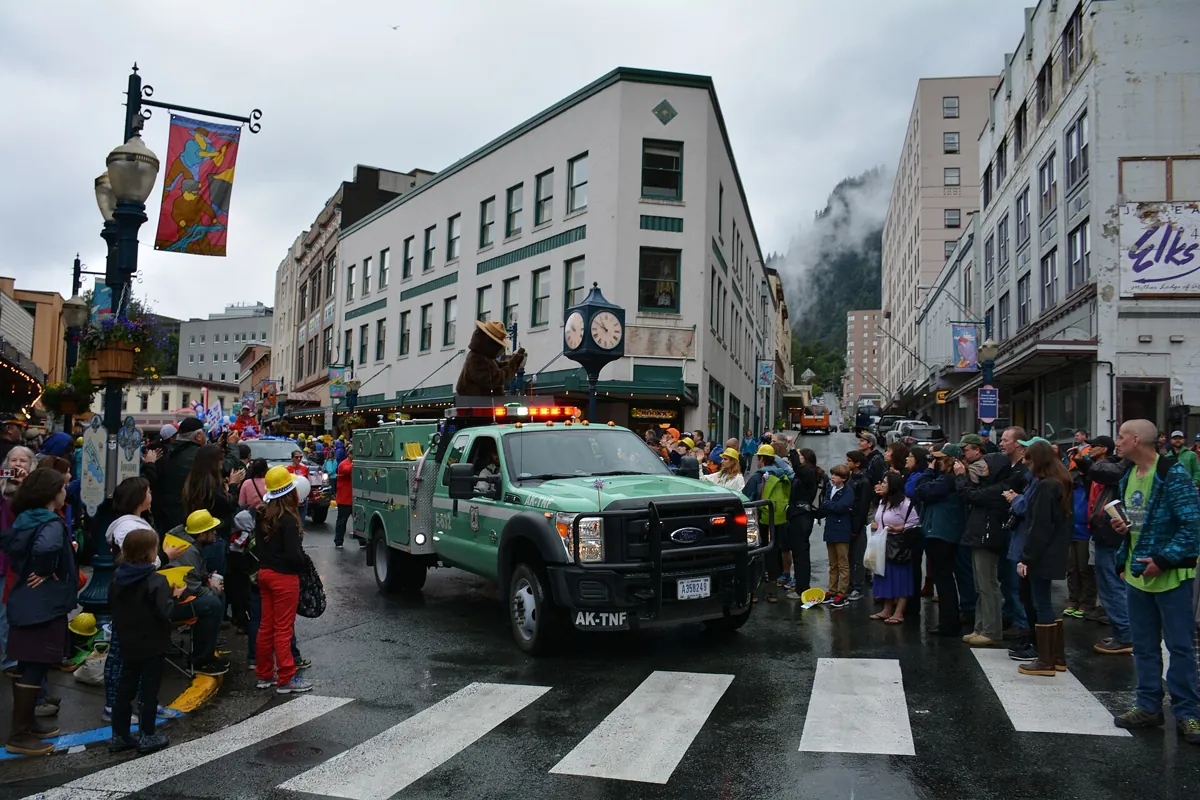
Each Carnival season, the twin cities of Monroe and West Monroe turn one shared parade route into the Ouachita Parish Mardi Gras season. Two krewes roll along the same streets on the same February Saturday, one in the afternoon and one in the evening, and the river between the two towns becomes a crossing point rather than a boundary. The Krewe de Riviere leads off in the afternoon, and the Krewe of Janus follows after dark, so a single day holds two distinct parades with two distinct characters. Floats carry costumed riders, marching bands keep time along the kerb, and beads arc from the floats into outstretched hands. No single event is printed under the sheet title: the documented reality is a season built from two parades sharing a route, a weekend, and a parish.
About
The Ouachita Parish Louisiana Mardi Gras Festival, as the sheet title names it, is best understood as a season rather than a single gathering. No layer read prints one event under that title. What the layers do document, in detail, are two krewe parades that share a route between West Monroe and Monroe. The Krewe de Riviere parades in the afternoon and the Krewe of Janus parades in the evening, both on the same Saturday, and together they give the parish its Carnival weekend. Monroe is the parish seat, and West Monroe sits across the Ouachita River from it, so the route itself tells the story of the two towns: it begins in West Monroe, crosses the river, and finishes in Monroe at Oliver Road. The afternoon parade is bright, loud, and family centred, while the evening parade carries the weight of the older krewe and the longer tradition. The Krewe of Janus is the oldest Mardi Gras krewe in Northeast Louisiana, and its parade is the anchor of the evening. The Krewe de Riviere, founded in 2019, is the younger of the two, and its afternoon parade opens the day. The season also includes a children’s parade and a pet parade in the morning, and a formal grand ball tied to the evening, so the weekend stretches well beyond the two main processions. For a visitor, the point is simple: one Saturday, one route, two parades, and a morning of smaller family events.
Quick Facts
| Item | Detail |
| Event | Ouachita Parish Louisiana Mardi Gras Festival |
| Documented reality | Two krewe parades sharing one route |
| Parades | Krewe de Riviere and Krewe of Janus |
| Host towns | Monroe and West Monroe |
| Parish seat | Monroe |
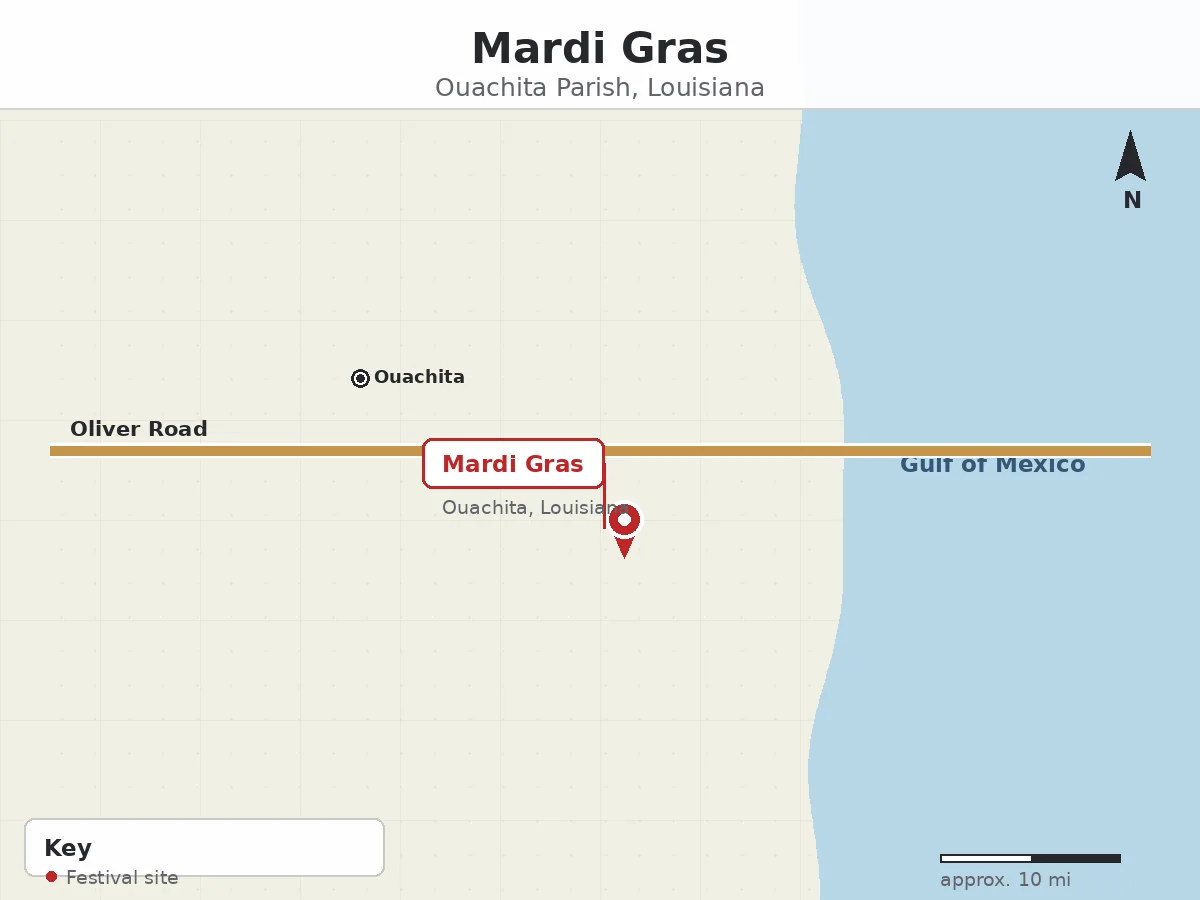
| Route | West Monroe across the Ouachita River into Monroe, ending at Oliver Road |
| Organisers | Krewe of Janus and Krewe de Riviere |
| 2026 parade day | Saturday 7 February 2026 |
| 2026 parade times | Krewe de Riviere at 3 p.m., Krewe of Janus at 6 p.m. |
| Admission | Parades are street events watched from the route; the grand ball is a separate formal ticketed event |
History
The history of the season belongs mostly to the Krewe of Janus, the oldest Mardi Gras krewe in Northeast Louisiana. A regional tourism guide records the krewe celebrating forty-three years in 2026, and a travel-guide layer calls it the oldest krewe in the region. A student-paper layer says the krewe has been around since 1984, while a magazine layer bills a thirty-seventh annual parade, and those accounts are carried here exactly as printed, without being merged into a single founding year. What is clear is that the Krewe of Janus has paraded in the Monroe area for decades, and that its evening parade has become the centrepiece of the parish Carnival weekend. The Krewe de Riviere is newer by a wide margin. A tourism-board blog layer records that the krewe was founded in 2019, and its parade has grown into the afternoon half of the shared Saturday. The two krewes did not always share a route, but the layers read describe a settled pattern in recent years: one route, two parades, one day. The children’s parade and the pet parade add a morning layer to that pattern. In 2024, the Krewe de Riviere parade on Saturday 27 January was preceded by a children’s and pet parade at the Monroe RiverMarket that morning, and the Krewe of Janus parade-day schedule on 3 February 2024 included a children’s parade at Pecanland Mall. The grand ball belongs to the evening tradition, a formal gathering that follows the parades rather than competing with them. The season has grown by addition rather than by replacement: a new krewe, a morning of family events, and a ball, all layered onto the older parade without displacing it.
What to Expect
A parade day in Monroe and West Monroe moves in three acts, and each act has its own temper. The morning belongs to children and pets, with a children’s parade and a pet parade that set a gentle pace before the main events. The Monroe RiverMarket hosts the morning gathering in the documented 2024 pattern, and Pecanland Mall has hosted a children’s parade on a Krewe of Janus parade day, so families should look for the morning events at those gathering places. The afternoon belongs to the Krewe de Riviere. Its parade rolls at 3 p.m. on the shared route, with decorated floats, marching bands, and riders throwing beads to the crowds along the kerb. High school bands march in the procession, and the Grambling State University band has marched as well, so the music shifts between school bands and university brass as the floats pass. The evening belongs to the Krewe of Janus, rolling at 6 p.m. on the same route, with its own floats and its own riders, and the crowds that watched the afternoon parade often stay for the second one. Beads and throws are the currency of the day, and the best catches go to watchers who arrive early and claim a spot with a clear view of the floats. The grand ball closes the day for those who attend it, a formal event apart from the street parades.
Planning Your Visit
The route is the first thing to settle, and the second is timing. Pick a viewing spot along the shared route in West Monroe or Monroe and stay there, because the parades come to the crowd rather than the crowd following the parades. The Krewe de Riviere rolls at 3 p.m. and the Krewe of Janus at 6 p.m. on the 2026 parade day, Saturday 7 February 2026, so an afternoon arrival covers the first parade and an early evening stay covers the second. Families with young children often favour the morning events, when the children’s parade and the pet parade run at a slower pace and the crowds are thinner. Parking fills near the route, so arrive well before the first parade and expect a walk from wherever the car ends up. The parades are street events watched from the route, and no gate admission is documented for them, so the cost of the day is whatever a visitor spends on food, parking, and throws of their own. The grand ball is a separate formal ticketed event, not gate admission, and no price for it is assumed here. Visitors who want the ball should treat it as its own occasion with its own arrangements. The Downtown Monroe Mardi Gras Block Party is a separate downtown event and not part of either parade, so do not mistake it for a third procession.
For a useful comparison, see the Ouachita Parish Louisiana Northeast Louisiana Celtic Festival for another county festival.
Sample Itinerary
A full parade day starts in the morning at the Monroe RiverMarket, where the children’s parade and the pet parade open the weekend in the documented pattern. Arrive in good time, find a spot where children can see over the kerb, and let the morning set the pace. Midday is for food and a slow move toward the main route, with time to claim a viewing spot before the afternoon parade. At 3 p.m., the Krewe de Riviere rolls along the shared route from West Monroe across the river into Monroe, and the afternoon belongs to floats, bands, and beads. Between the parades, take a break, warm up, and eat, because the gap between the afternoon and evening parades is the best time to rest. At 6 p.m., the Krewe of Janus rolls the same route, and the evening parade brings the older krewe, its floats, and its riders through streets that are now lit and colder. After the evening parade, the day winds down along the route, and those attending the grand ball head to that formal gathering while the street crowds drift home.
Comparison
The two parades share a route, a day, and a parish, and they differ in almost everything else. The Krewe de Riviere parades in the afternoon, at 3 p.m., and the Krewe of Janus parades in the evening, at 6 p.m., so the light alone gives each procession a different feel. The Krewe of Janus is the older krewe, the oldest in Northeast Louisiana, with decades of parading behind it and a forty-three-year celebration recorded in 2026. The Krewe de Riviere was founded in 2019, so its parade carries the energy of a younger organisation still building its traditions. The afternoon parade opens the day, and the evening parade closes it, which makes the Krewe de Riviere the welcome and the Krewe of Janus the finale. Both parades feature decorated floats, marching bands, and beads, and both roll the same streets from West Monroe into Monroe, so a watcher in one spot sees the same route serve two different krewes. The grand ball belongs to the evening tradition, a formal close to a day that began with children and pets.
Checklist
- Arrive before the 3 p.m. Krewe de Riviere parade to claim a viewing spot
- Dress in layers for the colder 6 p.m. Krewe of Janus parade
- Bring a bag for beads and throws from both parades
- Plan parking early, since streets near the route fill quickly
- Keep children close along the kerb during both processions
- Check the morning schedule for the children’s parade and the pet parade
- Treat the grand ball as a separate formal event with its own arrangements
- Remember the route crosses the Ouachita River between the two towns
- Do not confuse the Downtown Monroe Mardi Gras Block Party with either parade
- Leave time between the parades to rest, eat, and warm up
Beyond the Parades
Monroe and West Monroe reward a visitor who stays past the last float. The Monroe RiverMarket, which hosts the morning children’s and pet parades in the documented pattern, sits in a downtown that invites a slow walk after the crowds thin. The Ouachita River itself is the landmark that shapes the whole season, and the crossing between the two towns is worth seeing on foot when the parades are not rolling. Downtown Monroe holds the parish seat and the older streets, while West Monroe holds the starting stretch of the route and its own shops and eateries. A visitor with a second day can explore both downtowns at walking pace, compare the two riverfronts, and eat in the local restaurants that feed the parade crowds.
Significance
The season matters because it belongs to the parish rather than to a single town or a single krewe. Monroe is the parish seat and West Monroe is its neighbour across the river, and the shared route makes the two towns parade together instead of apart. The Krewe of Janus carries the longer history, the oldest krewe in Northeast Louisiana, and its evening parade gives the weekend its anchor. The Krewe de Riviere, founded in 2019, carries the newer energy, and its afternoon parade gives the weekend its opening. The children’s parade and the pet parade matter because they bring the youngest residents into a tradition that could easily belong only to adults, and the grand ball matters because it gives the evening a formal close. The season also matters as a piece of Northeast Louisiana identity, distinct from the larger and better known Mardi Gras celebrations further south. New Orleans has its own krewes and its own parades, and the Monroe and West Monroe season does not copy them.
Frequently Asked Questions
Do the two parades follow the same route?
Yes. The Krewe de Riviere and the Krewe of Janus both roll the shared route that starts in West Monroe, crosses the Ouachita River, and ends in Monroe at Oliver Road. A watcher in one spot along that route can see both parades pass.
What sets the Krewe of Janus parade apart from the Krewe de Riviere parade?
The Krewe of Janus is the older krewe, the oldest in Northeast Louisiana, and its parade rolls in the evening at 6 p.m. The Krewe de Riviere was founded in 2019, and its parade rolls in the afternoon at 3 p.m.
Can children and pets take part in the daytime events?
Yes. A children’s parade and a pet parade run in the morning before the main processions, with the Monroe RiverMarket hosting the morning gathering in the documented pattern. These events are aimed at families and run at a gentler pace than the afternoon and evening parades.
Is the grand ball part of the street parades?
No. The grand ball is a separate formal ticketed event, not gate admission to the parades. The parades are street events watched from the route, and the ball is its own occasion with its own arrangements.
What to Expect From the Next Ouachita Parish Louisiana Mardi Gras Festival
How often is Ouachita Parish Louisiana Mardi Gras Festival held?
The season returns with each Carnival season, bringing the pair of parades to the shared route on one February Saturday. The Krewe de Riviere parades in the afternoon and the Krewe of Janus in the evening, and the morning children’s and pet parades run ahead of them.
When is the next Ouachita Parish Louisiana Mardi Gras Festival?
The next documented parade day is Saturday 7 February 2026, with the Krewe de Riviere parade at 3 p.m. and the Krewe of Janus parade at 6 p.m., both on the shared route from West Monroe across the Ouachita River into Monroe.
Will the dates change?
Carnival dates follow the Carnival calendar, so the parade Saturday moves from year to year. The 2026 date is Saturday 7 February, and visitors should confirm the parade day for a later season before travelling.
The Ouachita Parish Mardi Gras season is a weekend built from two parades, one route, and two towns that parade together. The Krewe de Riviere opens the day in the afternoon, the Krewe of Janus closes it in the evening, and the morning belongs to children and their pets. Come for the floats and the bands, stay for the river crossing and the second parade, and leave understanding why one Saturday needs two krewes to hold it.