Powell County Kentucky Red River Gorge Bigfoot Fest Festival
A creature never caught on a clear photograph draws a crowd all the same, and in Stanton the crowd gathers in a park, around a stage and along a long row of vendor tables. The gathering honours a legend of forested ridges and river gorges with speakers who study the subject seriously, contests that invite visitors to dress the part, films, music and food trucks under open sky. Stanton City Park on Halls Lane becomes, for the day, a meeting place for believers, sceptics, families and the simply curious. The event is young — its first edition belongs to twenty twenty-five — yet its second already filled the park with well over one hundred forty vendors and crowds described as well into the thousands.

No layer read prints the sheet wording with its doubled ending, and this article keeps that wording only because it is the title the queue carries. Sources print three shorter forms and never merge them: “Red River Gorge Bigfoot Fest” in radio-station layers and in the address form of the organiser’s own website; “Red River Gorge Bigfoot Festival” in a regional tourism layer and in a cryptid-festival guide layer; “Bigfoot Fest” in a health-care provider’s news layer.
About
Stanton, the county seat of Powell County, hosts the gathering in its city park, a green space on Halls Lane within easy reach of the town centre.
Two bodies stand behind the event, and their names stay separate here exactly as the sources print them. Radio-station layers describe the gathering as hosted by the Stanton Tourism and Convention Commission and the Kentucky Bigfoot Research Organization, a pairing of a town tourism body with a research group devoted to the subject. The festival’s own website carries the speaker programme, and it is that website layer which names a television primatologist among the featured speakers, presented here by role because the facts file records the role rather than a name. Guest speakers and cryptid researchers talk through evidence, sightings and fieldwork; Bigfoot contests and cosplay invite visitors to take part rather than merely watch; movies and movie-memorabilia displays trace the creature’s long screen life; live music, food trucks, games and educational booths fill the hours between the talks. Entry costs nothing in either documented year, according to radio-station layers and a cryptid-festival guide layer.
Quick Facts
| Item | Detail |
| Published name | Red River Gorge Bigfoot Fest, also printed as Red River Gorge Bigfoot Festival and as Bigfoot Fest |
| Host town | Stanton, Powell County, Kentucky |
| County seat status | Stanton is the county seat of Powell County |
| Venue | Stanton City Park, Halls Lane, Stanton |
| Hosts | Stanton Tourism and Convention Commission and Kentucky Bigfoot Research Organization |
| Inaugural edition | Twenty twenty-five, described as Stanton’s first-ever Bigfoot festival |
| Second edition | The thirtieth of May twenty twenty-six, ten in the morning to seven in the evening |
| Second-edition scale | Well over one hundred forty vendors, crowds described as well into the thousands |
| Programme character | Speakers, researchers, contests, cosplay, movies, music, food trucks, games, booths, memorabilia |
| Admission | Entry costs nothing in both documented years; the inaugural speaker dinner was a separate ticketed evening that sold out |
History
The history of this gathering is short, and its honesty lies in keeping it short. Sources describe twenty twenty-five as Stanton’s first-ever Bigfoot festival, and no earlier founding is claimed anywhere in the layers read. The town did not inherit the event from a neighbouring community or revive a forgotten predecessor; it started the thing itself, in its own park.
For a useful comparison, see the Powell County Kentucky Stanton Corn Festival for another county festival.
The inaugural year carries one disagreement that this article leaves exactly as the layers print it. A regional tourism layer dates the first festival to the thirty-first of May twenty twenty-five, calls it the inaugural festival, and records a sold-out VIP dinner with the guest speakers on the night before. Radio-station layers date the free public festival to the thirtieth and thirty-first of May twenty twenty-five, a two-day span. Both datings are carried side by side here, and neither is adopted over the other, because the layers themselves do not settle the point. The second edition, dated by a health-care provider’s news layer to the thirtieth of May twenty twenty-six, shows how quickly the gathering grew. Radio-station layers give its hours as ten in the morning to seven in the evening, and record well over one hundred forty vendors alongside crowds described as well into the thousands.
What to Expect
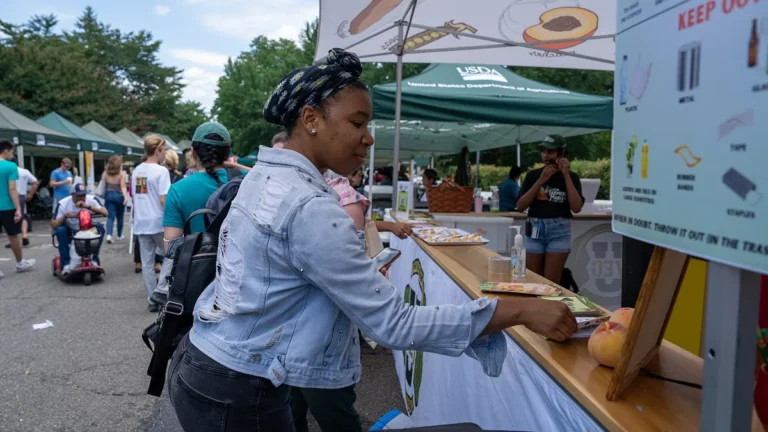
A visitor arriving at Stanton City Park finds a park arranged for wandering rather than for sitting in rows. Vendor tables stretch across the lawns, educational booths invite questions, and the stage anchors the day with talks and music in turn. The speaker programme is the spine of the gathering: guest speakers and cryptid researchers, among them a television primatologist named on the festival’s own website, talk about fieldwork, evidence and the long history of sightings in gorge country.
Around the talks, the day loosens into play. Bigfoot contests and cosplay turn the audience into participants, with visitors arriving in costume and entering competitions that reward imagination as much as accuracy. Live music carries the afternoon, food trucks serve the crowd, and games keep younger visitors occupied while adults browse the booths. The scale of the second edition — well over one hundred forty vendors — means the browsing alone can absorb hours, and the crowds described as well into the thousands give the park a festival hum without crowding out the quieter corners where a conversation with a researcher can still happen.
Planning Your Visit
Stanton City Park on Halls Lane is the single fixed point for any visit, and every plan starts from the park rather than from the town’s other attractions. The documented second edition ran from ten in the morning to seven in the evening, a full day that rewards an early arrival: the vendor rows are at their most browsable before the midday crowd thickens, and the speaker programme deserves a place in the morning if talks are the reason for coming.
Admission is the simplest part of the planning. Radio-station layers and a cryptid-festival guide layer state that the festival is completely free to attend in both documented years, so no ticket purchase stands between a visitor and the park. The one exception belongs to the inaugural year only: the VIP speaker dinner on the night before the first festival was a separate ticketed evening and it sold out, and a visitor hoping for a similar evening in a later year should look for its own announcement rather than assuming it is part of the free day. Confirm the current year’s dates through the festival’s own website before travelling.
A Sample Day at the Festival
A day built on the documented shape of the second edition might open at ten in the morning, when the park is already busy and the vendor rows are fully set. The first hour suits a slow circuit of the stalls: well over one hundred forty vendors in twenty twenty-six means the walk itself is an attraction, with crafts, books, artwork and research displays competing for attention. Pausing at the educational booths early, while researchers still have time to talk, is the best way to hear the subject discussed properly. Late morning belongs to the speaker programme.

Midday is the natural slot for the food trucks, which feed a crowd described as well into the thousands, and for the movie-memorabilia displays, which offer a shaded pause between the morning’s talks and the afternoon’s contests. The Bigfoot contests and cosplay belong to the afternoon, when the park is at its liveliest and the audience itself becomes part of the show, and live music carries the hours after that toward the seven in the evening close.
How the Gathering Compares
Set beside the county’s older celebrations, this festival stands out for youth and for subject. Stanton’s corn festival reaches back decades; the Bigfoot gathering reaches back only to twenty twenty-five, and its claim is novelty rather than longevity. Where the older events celebrate harvests and hometown traditions that every visitor already understands, this one celebrates a mystery, and its audience arrives with questions instead of memories.
Within the wider world of Bigfoot gatherings, the Stanton event keeps its own boundaries. Radio coverage of the subject mentions Bigfoot festivals in other states and other towns, and none of those events is imported into this article or into the Stanton record: each belongs to its own place, and Stanton’s is the one held in the city park on Halls Lane with the Stanton Tourism and Convention Commission and the Kentucky Bigfoot Research Organization behind it. The free admission is a further distinction, with only the inaugural speaker dinner standing as a separate ticketed evening.
A Visitor’s Checklist
- Confirm the current year’s dates through the festival’s own website before travelling, since the two accounts of the inaugural year disagree on its span.
- Arrive near the ten in the morning opening to walk the vendor rows before the midday crowd thickens.
- Pick out the speaker talks in advance from the programme the festival’s own website carries, and be seated for the ones that matter most.
- Bring cash as well as a card for food trucks, vendor tables and games.
- If cosplay or a Bigfoot contest appeals, arrive in costume rather than hoping to assemble one at the park.
- Remember that entry costs nothing; only a separately announced speaker dinner, if one is offered, would carry its own charge.
Beyond the Park
The festival’s name points beyond Stanton City Park to the landscape that gives the gathering its reason for being. Red River Gorge country, with its cliffs, arches and forested hollows, is the terrain where the creature’s stories are set, and a visitor who comes for the festival has the gorge itself within easy reach. The park day is the centre of the visit, but the country around it is what makes the subject feel at home rather than imported.
Stanton itself rewards a short look around as the county seat. The town centre carries the ordinary services a day visitor needs, and its position as the seat of Powell County gives it a civic weight that a smaller crossroads would lack. The festival’s hosts reflect that pairing: a tourism commission that knows the town and a research organisation that knows the subject, working together in the town’s own park.
Why the Gathering Matters
A festival that begins in twenty twenty-five and draws crowds well into the thousands by its second year has done something that deserves notice. Stanton had no Bigfoot tradition to draw on before the first edition; it built one, in its own park, from a partnership between its tourism commission and a research organisation, and the audience answered.
The gathering matters in a second way, as a place where an unserious subject is taken seriously. Cryptid research is easy to mock and easy to sensationalise, and the festival’s shape resists both temptations by putting researchers on a stage, giving them time to present evidence, and letting visitors question them at educational booths. A television primatologist speaking to a park crowd is a different thing from a creature feature on a screen, and the programme treats the audience as capable of following an argument. The two accounts of the inaugural year disagree on its dates, the sheet wording is printed nowhere, and the article carries both facts openly rather than smoothing them away. A festival young enough for its first year to be argued over in print is a festival still writing its own history, and the visitors who come in its early years are part of that writing.
Frequently Asked Questions
Which printed name should a visitor search for when looking up the gathering?
Search for “Red River Gorge Bigfoot Fest”, the form printed by radio-station layers and by the address form of the organiser’s own website, or for “Red River Gorge Bigfoot Festival”, the form printed by a regional tourism layer and a cryptid-festival guide layer.
Why do two accounts of the first year give different dates?
A regional tourism layer dates the inaugural festival to the thirty-first of May twenty twenty-five and records a sold-out VIP dinner with the guest speakers on the night before, while radio-station layers date the free public festival to the thirtieth and thirty-first of May twenty twenty-five. The layers do not agree, and this article carries both datings side by side without adopting either.
Was anything charged at a gathering described as free?
Entry to the public festival cost nothing in both documented years, according to radio-station layers and a cryptid-festival guide layer. The single charge in the record belongs to the inaugural year only: the VIP speaker dinner on the night before the first festival was a separate ticketed evening and it sold out.
What fills the park across the day?
Guest speakers and cryptid researchers, among them a television primatologist named on the festival’s own website, anchor the programme, alongside Bigfoot contests and cosplay, movies, live music, food trucks, games, educational booths and movie-memorabilia displays.
What to Expect From the Next Powell County Kentucky Red River Gorge Bigfoot Fest Festival
How often is Powell County Kentucky Red River Gorge Bigfoot Fest Festival held?
The record shows an inaugural edition in twenty twenty-five and a second annual edition on the thirtieth of May twenty twenty-six, a yearly rhythm across the two documented years.
When is the next Powell County Kentucky Red River Gorge Bigfoot Fest Festival?
No date for a third edition is documented in the layers read. The most recent edition fell on the thirtieth of May twenty twenty-six, and a visitor planning ahead should look for the current year’s announcement through the festival’s own website.
Will the dates change?
The two accounts of the inaugural year already show that dates in this record can differ between layers, with the thirty-first of May alone in one account and the thirtieth and thirty-first together in another. A future edition could shift its dates as well.
Closing
Stanton’s Bigfoot gathering is barely two editions old, and that youth is its charm: a county seat that decided to celebrate a woodland mystery in its own park, found partners who took the subject seriously, opened the gates without charge, and watched a crowd well into the thousands answer. The park, the speakers, the vendors and the visitors are all real, and they are worth a day in late May whenever the next edition is announced.