Marshall County Kentucky Tater Day Festival
Benton marks the first Monday of April with a gathering whose name points straight back to the county’s farming roots. An encyclopedia layer, a county tourism layer and newspaper layers print the short form “Tater Day,” while a regional historical-society layer uses the fuller “Tater Day Festival” and states that Benton “holds its annual Tater Day Festival in April.” The celebration fills downtown Benton around the courthouse square, and its heart is a parade that completes one circuit around the town before the crowds drift back among market stalls, pageant stages and contest grounds. Few American festivals carry a plainer name, and fewer still can trace that name to a single crop changing hands at the county seat each spring.

The weekend also arrives with its paperwork in mild disagreement, which is part of its character. The layers read cannot quite settle the first year, and they count the editions two different ways, yet none of that uncertainty slows the town down. Benton simply closes its square, hangs out its pageant sashes and gets on with the Monday it has kept since the eighteen forties.
About the Festival
Tater Day belongs to Benton, the county seat of Marshall County in western Kentucky; reference and encyclopedia layers on the county both list Benton in that seat role. The setting is the middle of town rather than a fairground: a newspaper layer reports that in two thousand twenty-six the court square was closed to traffic so a vendor market could spread across it, with the wider programme unfolding through the surrounding streets.
No single merged organiser account emerges from the layers read. One newspaper layer credits the Kiwanis Club of Benton with announcing the two thousand twenty-six parade grand marshal, an honour that fell that year to the town’s mayor, who is carried in this article by role alone. A separate newspaper layer names one individual as the Tater Day organizer who has worked to revitalise the event, likewise carried here by role alone. Tourism layers publish organiser contact channels, whose existence is noted here and whose details are not reproduced.
The two printed name forms divide along the layers rather than along any real difference. Coverage and reference material tend toward the short “Tater Day,” while the historical-society layer’s fuller “Tater Day Festival” is the form the sheet title follows. Both point at the same April gathering in the same town, and this article keeps the forms as their layers print them instead of blending them into a single house style.
For a useful comparison, see the Marion County Kentucky Forkland Heritage Festival for another county festival.
Quick Facts
| Item | Record |
| Published names | “Tater Day”; “Tater Day Festival” |
| Host town | Benton, Marshall County, Kentucky |
| County seat status | Benton is the county seat of Marshall County |
| Setting | Downtown Benton, around the courthouse square |
| Usual timing | The first Monday of April, with events from the preceding Saturday |
| Two thousand twenty-six edition | Events from Saturday the fourth of April, parade on Monday the sixth of April |
| Announced two thousand twenty-seven date | Monday the fifth of April, announced by a county tourism layer |
| Billings in the record | “183rd celebration” in one newspaper layer; “182nd held since inception” in a second |
| Signature programme | Parade, pageants, potato-eating contest, mule pulls, demolition derby, fireworks |
| Gate admission | No gate figure appears in the layers read |
History
The layers divide over the first Tater Day, and the division is worth keeping in view rather than smoothing away. Several layers date the origin to eighteen forty-two, describing a day when farmers gathered at the county seat to trade agricultural goods; that year also saw Marshall County created from Calloway County, so the gathering and the county itself begin side by side in that telling. Other layers instead state that Tater Day was started, or first staged, in eighteen forty-three. Neither year is surrendered here: the record holds both, and the festival’s own early history is presented with the two dates standing unreconciled.
Agreement returns on the name. Every layer attributes it to sweet potatoes, which farmers traded as seed slips in the days when a spring exchange of planting stock mattered to the whole county’s growing season. From that practical beginning, an encyclopedia layer bills Tater Day the oldest continuous trade day in the United States; the billing belongs to that layer and is carried as its claim, not as a settled verdict of this article.
The spring timing was the point of the thing. Seed slips are the young shoots drawn from a bedded sweet potato, and a farmer who arrived at the seat with slips to trade was stocking his neighbours’ fields as much as his own. A trading day fixed in early April put that exchange just ahead of planting, which helps explain why the gathering clung to the first Monday of the month rather than drifting into summer.
Taken together, the disagreements have a pattern: they cluster in the festival’s first decade and in its arithmetic, the two places where a community celebration’s memory is most likely to fork. What no layer disputes is the continuity itself, a line of Aprils running from the county’s creation years to the closed square of two thousand twenty-six.
The counting of editions carries its own small disagreement. One newspaper layer bills the two thousand twenty-six staging the “183rd celebration,” while a second newspaper layer bills the same staging the “182nd held since inception.” The two figures print from different pens, and both are preserved here exactly as printed, unmerged.
What to Expect
A Tater Day weekend in Benton builds toward Monday rather than peaking early. A newspaper layer reports the two thousand twenty-six celebration running across several days, opening on Saturday the fourth of April and culminating in the parade on Monday the sixth, when the circuit around town gives every entry its turn past the square.
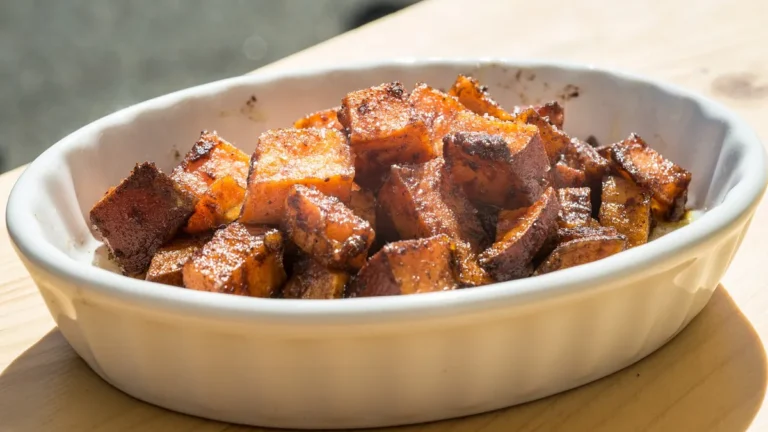
The encyclopedia layer lists the pageant programme: Miss Tater Day, Junior Miss Tater Day, Little Mister, Tiny Miss and Baby Miss, a ladder of titles that lets the festival crown its youngest residents alongside its teenagers. Around the pageants sit carnival rides and games, a vendor market and flea market on the closed square, and a potato-eating contest that keeps the namesake crop at the centre of the fun. Mule pulls and a pony pull preserve the working-animal character of the old trade day, a demolition derby adds noise and bent metal, and fireworks close out the programme in the tourism and newspaper layers’ telling.
Each element does a different job. The pulls speak to the county’s working past, when a strong mule team was capital a farmer could hitch; the derby speaks to its mechanical present. The vendor market and flea market keep money changing hands in the open air, as it did on the original trade day, while the carnival rides and games give children their own reason to mark the Monday. The result is a programme broad enough that a visitor can spend the whole run inside it without repeating a morning.
Planning Your Visit
Aim first for the square. The documented centre of the festival is downtown Benton around the courthouse, and in two thousand twenty-six that square closed to traffic for the vendor market, so arriving on foot from a side street is the practical pattern the record suggests. Drivers should expect the middle of town to belong to pedestrians and stalls rather than vehicles.
Build the weekend in two parts. Saturday carries the Tater Day Trot, the festival’s 5K, and the Tour de Tater ride, both placed on the preceding Saturday by the layers, along with a pancake breakfast recorded in tourism and newspaper layers. Monday belongs to the parade, the pageants and the contests. On money, the layers read publish no gate figure for this downtown street festival, and none is assumed here; a visitor’s spending is a matter of market stalls, food and rides rather than a stated entrance charge. Tourism layers carry the organiser contact channels for anyone who needs to check a detail before travelling.
Families following the pageants should note how many titles the encyclopedia layer lists, because Miss Tater Day, Junior Miss Tater Day, Little Mister, Tiny Miss and Baby Miss together make the pageant programme a substantial part of the schedule rather than a single crowning. Anyone thinking of entering the potato-eating contest or the Saturday events should use those published contact channels, since the layers read set out no entry terms of their own.
A Sample Tater Day Weekend
Begin Saturday with the pancake breakfast, then choose between the Tater Day Trot and the Tour de Tater ride, since the layers place both on that preceding Saturday. Late morning suits the vendor market and flea market on the closed court square, where the trading spirit of the original day survives in modern form.
Between the Saturday fixtures and the Monday parade, the multi-day run gives the market and the midway room to breathe. A newspaper layer describes the two thousand twenty-six celebration as spanning several days, so there is no need to compress everything into a single circuit of the square.
Leave Monday unhurried. Position yourself along the parade route in good time, because the procession completes one circuit around the town and the best vantage points fill early. After the parade, work through the contests and pulls, look in on a pageant, and stay for the fireworks that the layers list among the programme’s fixtures.
Tater Day Among Its Neighbours
A conventional county fair gathers on fairgrounds outside town; Tater Day does the opposite, occupying the county seat’s own square and streets. Its ancestry as a farmers’ trading day shows in the mix: livestock pulls and a produce contest share the bill with carnival rides and a demolition derby, so the weekend reads as half market day, half street party.
Reference layers name other Marshall County gatherings, and they are separate events, not branches of this one: The Big Singing belongs to Benton on the fourth Sunday of May, while Hardin Day and the Aurora Country Festival stand as town events of their own. Tater Day keeps the April Monday, and its identity stays distinct from each of them.
The comparison flatters Tater Day in one respect: a fair borrows a town’s attention for a week, whereas this festival grew out of the town’s own business, the spring trade of the county seat. Its closest relatives in spirit are the old trade days and court days of the region, gatherings that the record’s language about farmers at the seat still echoes.
A Tater Day Checklist
- Confirm the year’s dates against the county tourism layer before booking travel
- Plan Saturday around the Tater Day Trot, the Tour de Tater ride and the pancake breakfast
- Arrive at the courthouse square on foot, since it may close to traffic for the market
- Carry cash for market stalls, food stands and carnival games
- Claim a parade spot early on Monday, before the circuit begins
- Keep the evening free for the fireworks listed in the programme
- Check the pageant schedule if you are following a particular title
Beyond the Square
The festival’s meaning reaches past its own weekend. Benton’s role as county seat is the reason farmers came here in the first place: the seat was where goods changed hands, where the courthouse anchored county business, and where a spring trading day could draw growers from every corner of Marshall County. The closed square of two thousand twenty-six replays that arrangement in modern dress, with vendor stalls standing where trading once happened.
Visitors staying longer will find the county’s calendar holds its other gatherings in their own seasons, each separate from Tater Day, and the tourism layers that announce the two thousand twenty-seven date also carry the wider picture of what Benton hosts through the year.
Why Tater Day Endures
Longevity is the festival’s loudest claim. A celebration that layers place in the early eighteen forties, and that one encyclopedia layer bills as the oldest continuous trade day in the United States, has outlasted the horse-drawn economy that created it. The seed-slip trading has gone, yet the structure it built — a county gathering at the seat, on a fixed spring Monday, under local stewardship such as the Kiwanis Club of Benton and the organiser credited with revitalising it — still organises the weekend. Pageants that begin with Baby Miss and climb to Miss Tater Day hand the festival down through families one crown at a time, which may be the surest continuity of all.
Frequently Asked Questions
Why does Benton call the celebration Tater Day?
The layers agree on the answer: farmers once traded sweet potatoes as seed slips at the county seat each spring, and the humble tater gave the gathering its name. The potato-eating contest keeps that origin on the modern programme.
Which days carried the two thousand twenty-six programme?
A newspaper layer reports events running from Saturday the fourth of April two thousand twenty-six, culminating in the parade on Monday the sixth of April, the first Monday of the month.
Who announced the two thousand twenty-six parade grand marshal?
A newspaper layer credits the Kiwanis Club of Benton with the announcement. The honour itself went to the town’s mayor, who appears in this article by role only.
What becomes of the courthouse square during the festival?
In two thousand twenty-six the square closed to traffic so a vendor market could occupy it, according to a newspaper layer, turning the centre of Benton over to stalls and pedestrians.
What to Expect From the Next Marshall County Kentucky Tater Day Festival
How often is Marshall County Kentucky Tater Day Festival held?
The record presents an annual celebration: the historical-society layer describes Benton holding its Tater Day Festival each April, and the dated editions and announcements in the layers follow that yearly rhythm.
When is the next Marshall County Kentucky Tater Day Festival?
A county tourism layer announces Tater Day two thousand twenty-seven for Monday the fifth of April. That staging stands in the record as an announcement, not yet as a held edition.
Will the dates change?
The weekday anchor looks steady: two thousand twenty-six fell on the first Monday of April, and the announced two thousand twenty-seven date is again a Monday, so the numbered date moves with the calendar while the pattern holds.
Closing Thoughts
Tater Day asks little of its visitors beyond showing up in Benton on a spring Monday. Behind that simplicity sits one of the longest-running gatherings in the record this project has handled, still argued over by its own historians — eighteen forty-two or eighteen forty-three, the 183rd celebration or the 182nd — and still fed, quite literally, by the crop that named it.