Boone County Kentucky Boone County Pride Festival
A ballpark in Florence trades baseball for a rainbow one afternoon each autumn, when the county’s Pride celebration fills the concourse with performers, resource booths and families. The gathering is young, growing quickly and documented across three consecutive editions, yet its printed name never matches the doubled form carried in the title line above. Local coverage and the organiser’s own announcements keep to shorter versions, and this article follows their wording wherever the festival itself is described.
About
The organiser’s press releases, an LGBTQ newsroom layer and a ticketing layer all print the name as Boone County KY Pride Festival, while a regional newspaper headline layer shortens it further to Boone County Pride Festival. Neither layer prints the expanded doubled title used in the working sheet, so both published forms are kept separate here rather than blended into one. What the layers agree on is the event itself: an autumn Pride festival for Boone County, Kentucky, staged in Florence and built around live performance, community resources and family-friendly activity.
Florence hosts the celebration even though it is not the seat of Boone County. Standard reference layers place the county seat at Burlington and describe Florence as the county’s largest city, a distinction worth keeping because visitors often assume the biggest community also holds the courthouse. The festival belongs to the whole county in its billing, yet its physical home sits firmly inside Florence’s stadium district.
That home is printed under two names. The layers call the venue Y’Alls Stadium and also Thomas More Stadium, explaining them as the same ground carrying a naming-rights title alongside a former name. A single ballpark therefore anchors every documented edition, giving the young festival a fixed address in the county’s largest city while its audience and vendor count climbed around it.
Two organising forms appear in print and are likewise left unmerged. An organiser’s press-release layer names the Boone County Pride Steering Team, whereas the ticketing layer lists its organiser as Boone County KY Pride. The releases also carry sponsor credits, naming a fairness-advocacy organisation, a health funder, a justice fund and, in two thousand twenty-five, a grocery chain, but those credits support the day rather than organise it, and they are recorded as sponsorship only.
For a useful comparison, see the Boone County Kentucky First of Fall Festival for another county festival.
Every documented edition also landed on a weekend afternoon in the early-autumn weeks, a placement that shapes the gathering’s character. Working residents can attend without taking leave, school-age children can join their families, and the whole programme compresses into a few daylight hours inside one enclosed ground. That weekend rhythm, repeated across the first three editions, forms part of how the sources present the event.
Quick Facts
| Item | Detail |
| Published names | Boone County KY Pride Festival; Boone County Pride Festival |
| Host city | Florence, Kentucky |
| County seat | Burlington, not Florence |
| Venue | Y’Alls Stadium, also printed as Thomas More Stadium |
| Organising forms | Boone County Pride Steering Team; Boone County KY Pride |
| First documented edition | Fifth of October, two thousand twenty-four |
| Second annual edition | Twenty-eighth of September, two thousand twenty-five |
| Third annual edition | Fourth of October, two thousand twenty-six |
| Entry | Free, by free ticket in the twenty twenty-five and twenty twenty-six billings |
| Reported crowd | Over eight hundred attendees in two thousand twenty-five |
History
The documented story opens on Saturday the fifth of October, two thousand twenty-four, when a regional newspaper layer photographed the first Boone County Pride festival at the Florence stadium. That coverage establishes a beginning without supplying a founding narrative: the layers read for this article state no year of origin in words, offer no charter and name no founder, so the history rests entirely on the sequence of billings that followed the debut.
A year later the organiser’s releases, carried by a regional newspaper layer and an LGBTQ newsroom layer, billed the gathering as the second annual Boone County KY Pride Festival. The edition ran on Sunday the twenty-eighth of September, two thousand twenty-five, from one until four in the afternoon, and the printed particulars show a festival already operating at real scale. More than seventy vendors and organisations took part, the programme mixed live entertainment with community resources and family-friendly activities, and the organiser’s follow-up release reported over eight hundred attendees.
The third annual billing arrived with the edition of Sunday the fourth of October, two thousand twenty-six, running from noon until four in the afternoon according to an organiser’s press release and a ticketing layer. Its advertised shape kept the established ingredients of live entertainment, vendors, community resources and family-friendly activities, then added a named health and wellness zone to the mix. Three editions in three successive autumns give the festival a clear, if short, printed lineage: a first gathering, a second annual and a third annual, exactly as the layers bill them.
The surviving documentation has a texture worth noting. The debut reached print largely through photographic coverage, whereas the later editions were announced in advance by the organiser’s own releases and then reported again afterwards, with the ticketing layer confirming how entry worked. Across those layers the core details never contradict one another: the Florence stadium, the early-autumn placement, the afternoon hours and the mixture of performance, booths and family activities stay constant from one edition to the next.
What to Expect
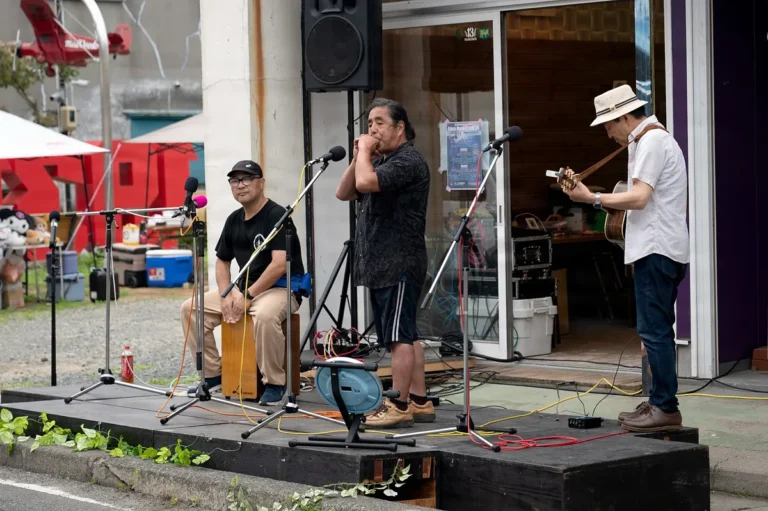
Performances sit at the centre of the afternoon. The organiser and newsroom layers describe live entertainment as a standing ingredient across the documented editions, so the stadium’s usual sporting focus gives way to a stage programme while the crowd moves freely around the ground. Visitors should picture a ballpark concourse turned into a festival floor rather than a seated concert, with the action spread across the venue instead of fixed in one spot.
Booths supply the second half of the experience. Vendor and community-resource stalls line the event, and the two thousand twenty-five edition alone drew more than seventy vendors and organisations, which gives some sense of the browsing on offer. Alongside sellers, resource organisations use the afternoon to put information and support directly in front of county residents, a practical strand that runs through every documented billing.
Families are written into the programme rather than treated as an afterthought. Each documented edition advertises family-friendly activities, and the two thousand twenty-six billing added a named health and wellness zone, widening the day beyond entertainment and shopping. The whole gathering fits inside a single afternoon window of three or four hours, keeping the format compact: arrive, circulate, watch, talk and still have the evening free.
Planning Your Visit
Tickets come first, even though they cost nothing. For both the two thousand twenty-five and two thousand twenty-six editions, entry worked by free ticket, and the organiser’s releases direct readers to the organiser’s own site to obtain them, so securing a ticket in advance is the one firm step the record supports. The layers read print no contact values, which makes that official site the natural starting point for current details.
Timing matters because the documented windows are short. The second annual edition ran from one until four in the afternoon, while the third annual edition stretched from noon until four, so late arrivals risk missing much of the programme. Arriving near the opening hour leaves room to walk the booth rows before the entertainment peaks, and families may prefer the earlier part of the afternoon when the schedule sits thickest.
Travel planning can stay simple. The stadium stands in Florence, the county’s largest city, and the festival occupies an afternoon rather than a weekend, so a day trip suits most visitors. Checking the organiser’s announcements in the days before travelling is wise, since the exact date has moved between late September and early October across the documented editions and the printed layers for any future edition will settle the question.
A Sample Afternoon Itinerary
Begin at the gates when the afternoon opens, whether that is noon as in two thousand twenty-six or one o’clock as in two thousand twenty-five, and use the first half hour to walk a full circuit of the concourse. A slow lap reveals where the stage, the resource booths and the family activities sit, and it prevents backtracking once the crowd thickens.
Spend the middle of the visit alternating between the stage and the stalls. Catch a block of live entertainment, then drift through the vendor rows while the next act prepares, pausing at the community-resource booths that interest you. In a two thousand twenty-six style layout, leave time for the health and wellness zone rather than discovering it on the way out.
Close the afternoon with a final pass along the booths and a last set of performances before the four o’clock finish. Short windows reward visitors who pace themselves, and an unhurried final circuit gives children one more turn at the family activities while adults revisit favourite stalls.
How the Editions Compare
Growth is the clearest thread running between the three documented years. The two thousand twenty-four debut survives mainly as photographic coverage of a first festival, while the two thousand twenty-five edition arrives with counts attached: more than seventy participating vendors and organisations and over eight hundred attendees reported afterwards. The two thousand twenty-six edition then kept the established formula and layered a named health and wellness zone on top, suggesting organisers expanding the offer rather than reinventing it.
The name, by contrast, refuses to sit still. Releases and the ticketing layer favour Boone County KY Pride Festival, a newspaper headline trims that to Boone County Pride Festival, and neither matches the doubled working title of this series. Readers searching for tickets or announcements will find the event under its shorter printed forms.
Two other celebrations deserve a clear separation. Northern Kentucky Pride belongs to Covington, and Pride on the Riverfront belongs to Burlington in Iowa, a different Burlington from the Boone County seat. Neither event feeds into the Florence festival’s record, and this article draws nothing from either.
Festival Day Checklist
- Reserve the free ticket through the organiser’s own site before travelling
- Arrive near the opening hour to catch the full afternoon window
- Walk one complete circuit of the concourse on arrival
- Alternate stage performances with browsing along the booth rows
- Set aside time for the community-resource organisations
- Visit the health and wellness zone if the current billing includes one
- Keep children close during the busiest mid-afternoon period
- Confirm the exact date on the organiser’s site before setting out
Beyond the Stadium
Florence gives the festival an urban base unusual among county celebrations in this series, since the county’s largest city also supplies the stadium, the crowds and most of the participating organisations. Visitors travelling from elsewhere in Boone County can treat the afternoon as a trip into the county’s commercial heart, while Burlington, the actual county seat, handles the civic business a short drive away. The split between the two communities is part of the county’s geography and worth understanding before a first visit.
The stadium setting also shapes what surrounds the event. A ballpark concourse concentrates everything within one enclosed ground, so the celebration feels self-contained, and the surrounding Florence streets return to ordinary traffic once the four o’clock close arrives. Travellers with time either side of the afternoon can explore the wider county at their own pace, though the layers behind this article describe the festival itself rather than neighbouring attractions.
Why It Matters
A Pride festival carrying the county’s name, staged in its largest city and drawing over eight hundred reported attendees by its second year, marks a visible piece of Boone County’s civic life. The resource strand matters as much as the entertainment: dozens of organisations chose the second annual edition as a place to meet residents face to face, and the organiser kept family-friendly activities inside every documented billing. For a celebration only three editions old, the printed record already shows an event woven into the county’s autumn calendar rather than a one-off experiment.
Frequently Asked Questions
Do children have their own activities at the festival?
Yes, according to the documented billings. Family-friendly activities appear in the programme descriptions for the editions covered by the organiser’s releases and the newsroom layer, sitting alongside the live entertainment and booth rows rather than off in a separate area.
How do visitors obtain entry to the stadium?
Entry for the two thousand twenty-five and two thousand twenty-six editions worked by free ticket, with the organiser’s releases pointing readers to the organiser’s own site to get them. Claiming that ticket ahead of the day is the documented route in.
Which groups set up booths during the afternoon?
The two thousand twenty-five billing counted more than seventy vendors and organisations, a mixture of sellers and community-resource groups. The organiser and newsroom layers present those resource booths as a core part of the afternoon, not a side display.
When did the celebration hold its first edition?
A regional newspaper layer photographed the first Boone County Pride festival at the Florence stadium on the fifth of October, two thousand twenty-four. Later releases then billed the following editions as second annual and third annual, in that order.
What to Expect From the Next Boone County Kentucky Boone County Pride Festival
How often is Boone County Kentucky Boone County Pride Festival held?
The printed billings trace a yearly rhythm across the documented record: a first festival in two thousand twenty-four, a second annual edition in two thousand twenty-five and a third annual edition in two thousand twenty-six, each placed in the early part of autumn.
When is the next Boone County Kentucky Boone County Pride Festival?
The layers gathered for this article end with the third annual edition of the fourth of October, two thousand twenty-six, and none of them publishes a later date. Anyone planning ahead should watch the organiser’s own site, where the releases direct readers for tickets and announcements.
Will the dates change?
They already have, within limits. The documented editions moved from the fifth of October to the twenty-eighth of September and back to the fourth of October, so the weekend shifts while the season holds steady in early autumn. Treating the exact day as provisional until the organiser prints it is the safe approach.
Closing Thoughts
Three autumns, one ballpark and a steadily widening programme sum up what the record supports. The Florence festival remains young, its name still appears in more than one printed shape, and its documented details come chiefly from the organiser’s own releases, yet the outline is firm: free ticketed entry, an afternoon of performance and resources, and a county audience that passed eight hundred by the second year. Future billings will show whether the growth continues.