Johnson County Kansas De Soto Days Festival
De Soto closes out every summer with the celebration its own organiser calls the largest ongoing event in the community. In print the festival travels as De Soto Days Festival on the organiser’s own site, in a city newsletter and in local news reports. The organiser also shortens the name to De Soto Days, and one family-guide layer spells it DeSoto Days Festival, so the three forms sit side by side here, unmerged. The city itself straddles a county line, lying in both Johnson County and Leavenworth County, and the festival belongs to the downtown streets on the Johnson County side, in and around Miller Memorial Park. The record behind it is specific: a founding claim the organiser prints about its own beginnings, three dated editions between two thousand twenty-two and two thousand twenty-six, and a programme of parades, carnival rides, music and contests.
About the Festival
De Soto Days is a community festival in De Soto, Kansas, a city that lies in both Johnson and Leavenworth counties. The gathering itself is held in De Soto’s downtown in Johnson County, with Miller Memorial Park named among its homes by the organiser’s own site and a city-events guide layer. De Soto is not a county seat; a reference layer gives Olathe as the seat of Johnson County. The festival has not always stood on the same ground. The organiser’s history page lists earlier homes on both sides of 83rd Street, on the old high school football field and at Riverfest Park, before the present downtown and Miller Memorial Park setting. Two organiser credits appear in the record and are kept apart here: the organiser’s own site says the festival began in nineteen sixty-four by the Jaycees, and the same site says it is now organized by a volunteer group of citizens. The founding credit and the present-day credit stand as the organiser prints each of them. The documented editions all fall on Labor Day weekend: in two thousand twenty-two, in two thousand twenty-three and, at five days, in two thousand twenty-six. Admission is free, and the crowd a reference layer reports is about ten thousand patrons.
Quick Facts
| Detail | What the layers record |
| Published name forms | De Soto Days Festival; De Soto Days; DeSoto Days Festival in one family-guide layer |
| Host town | De Soto, Kansas, a city lying in both Johnson and Leavenworth counties |
| Festival setting | Downtown De Soto on the Johnson County side, with Miller Memorial Park |
| County seat | De Soto holds no county seat; Olathe is the Johnson County seat |
| Earlier homes | Both sides of 83rd Street, the old high school football field and Riverfest Park |
| Founding credit as printed | The festival began in nineteen sixty-four by the Jaycees |
| Present organisation as printed | A volunteer group of citizens now organizes the festival |
| Documented editions | Two thousand twenty-two, two thousand twenty-three and two thousand twenty-six, each over Labor Day weekend |
| Admission | Free to attend, with carnival ride wristbands priced separately in the listing and guide layers |
History
The organiser’s own site carries the founding account, and it is a plain one. The festival began in nineteen sixty-four by the Jaycees, founded to bring all of the community’s organisations into one event. That purpose still shows in a programme of contests and community participation. The same site calls De Soto Days the largest ongoing event in the community and places it each year during Labor Day weekend. A reference layer adds that it is the third longest Labor Day festival in the county, a ranking recorded here as that layer states it. The two thousand twenty-two edition was billed as the fifty-eighth Annual De Soto Days Festival. That billing is printed in this article exactly as the billing appeared, alongside the organiser’s own nineteen sixty-four origin statement, and neither figure is used to adjust or correct the other. The venue history tells a story of growth, from a street and a school football field to Riverfest Park and finally the downtown and Miller Memorial Park setting. Through those moves the running passed from the founding Jaycees to the volunteer group the organiser names today, a handover the site records without a date.
What to Expect
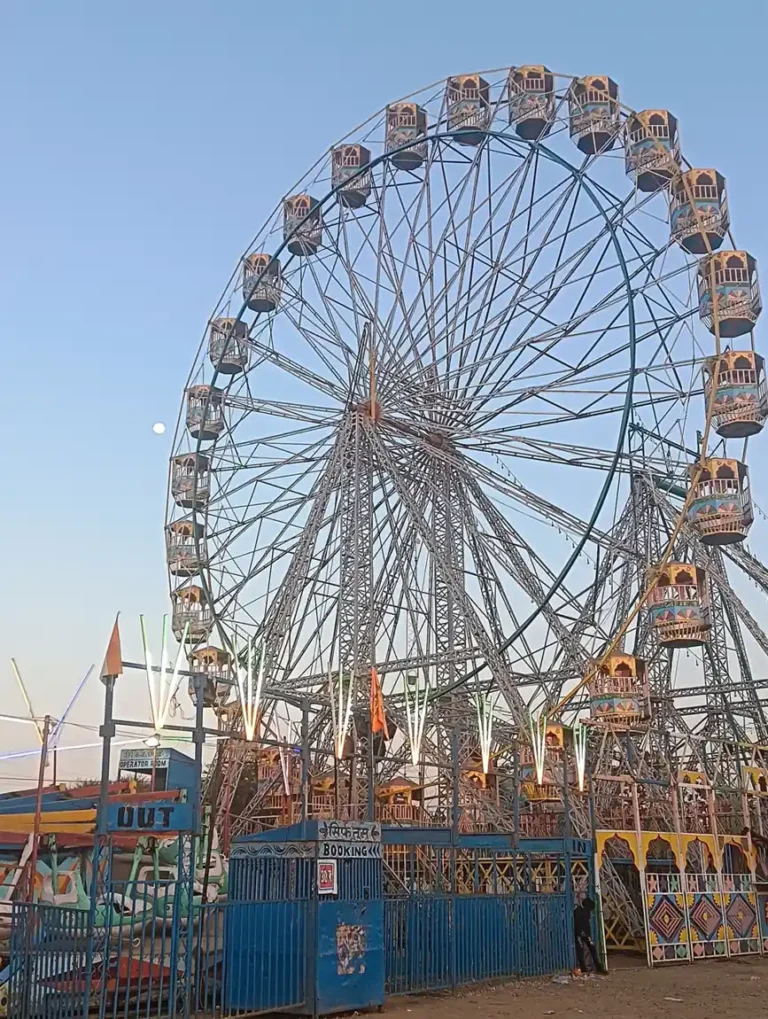
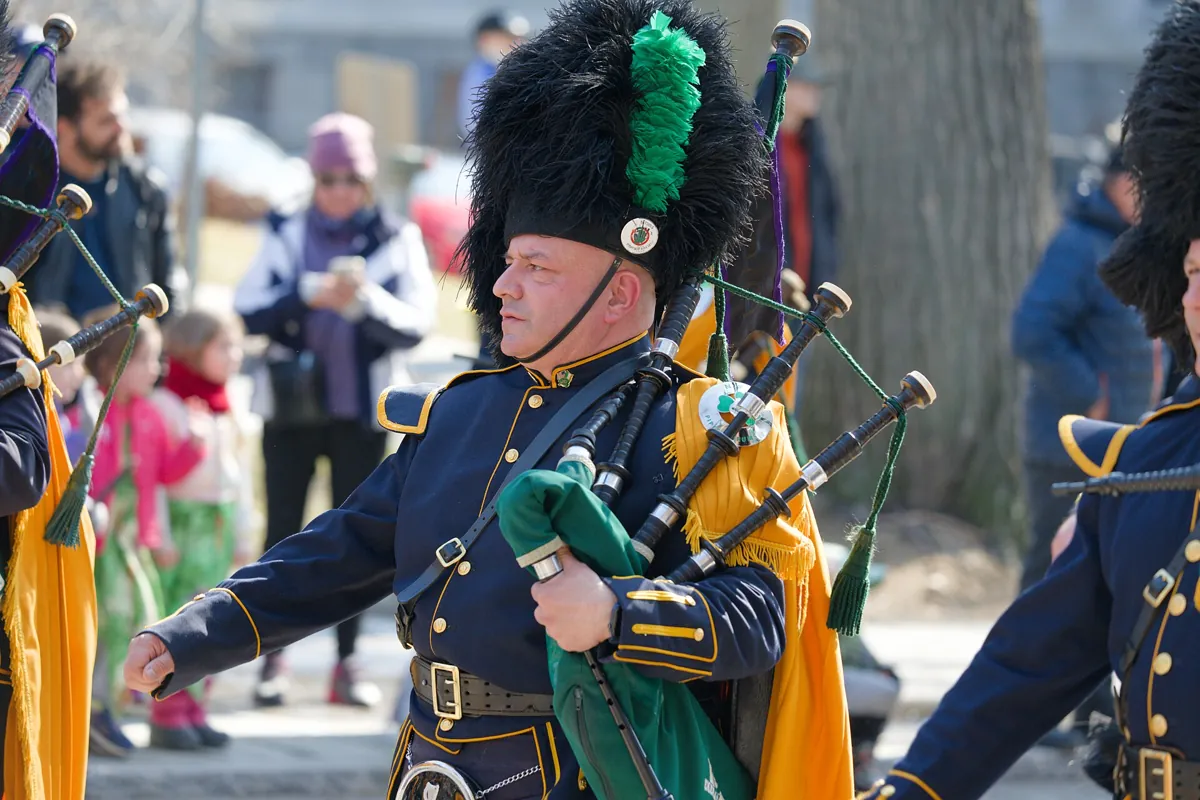
The parade anchors the weekend, and the organiser bills it as one of the largest in the state, a claim recorded as the organiser’s billing rather than as a measured fact. In the two thousand twenty-six edition the parade fell on Saturday morning, with karaoke placed on Friday the fourth of September and the Dean Weller Classic Car Show closing the run on Monday the seventh. Cars thread through the whole programme: a classic car show and a car cruise stand alongside the named Monday show. A carnival supplies the midway, identified in one year’s layer as Evans Midland Carnival, and live music plays across multiple stages rather than a single headline platform. Around those pillars the layers list a pie contest, food and craft vendors, and the crowning of Little Miss De Soto Days. Two attractions carry the founding spirit of the event. A dunk tank raises proceeds that are given back to the community, and a family fun run brings households into the programme on foot. The two thousand twenty-two listing gives daily hours beginning Thursday from six to ten in the evening. Local news published on the third of September two thousand twenty-six describes that year’s festival running Thursday through Monday. A deals-guide layer prints the same span with its weekday wording garbled, so the span here rests on the organiser’s site and the local news account.
Planning Your Visit
Admission to the festival itself is free, stated by a deals-guide layer for two thousand twenty-six and by local news, so the ground, the parade and the stages carry no gate charge in the documented record. The one cost the layers price is the carnival. Ride wristbands cost thirty dollars in the two thousand twenty-six guide layer and twenty-four dollars in the two thousand twenty-two listing layer, and each figure belongs only to its own year and its own layer, so neither should be treated as a standing price. Beyond that, the layers price nothing, and food, crafts and games will naturally carry their own charges on the day. Timing matters more than money. The documented editions all sit on Labor Day weekend, but their lengths differ: four days in two thousand twenty-two, three days in two thousand twenty-three, and five days from Thursday to Monday in two thousand twenty-six. Anyone planning around a particular element, such as the Saturday parade or the Monday car show, should confirm the current year’s arrangement rather than assume the longest span. The organiser’s site prints contact details for the event. The setting is compact: downtown De Soto and Miller Memorial Park, on the Johnson County side of a city that also reaches into Leavenworth County.
For a useful comparison, see the Johnson County Kansas Independence Day Festival for another county festival.
A Sample Day at the Festival
A Saturday drawn from the documented two thousand twenty-six programme shows how the pieces fit together. The morning belongs to the parade, the element the organiser promotes hardest, stepping off through downtown while the carnival is still waking up. Late morning suits a walk past the food and craft vendors, a look in on the pie contest, and the family fun run if it falls that day. The afternoon can drift between the multiple music stages and the midway, where a wristband turns the rides into an all-day proposition. The dunk tank is worth a stop, both for the spectacle and because its proceeds return to the community. Evening brings the stages back to the front, and on the Friday of that documented year it brought karaoke as well. Anyone staying through Monday of a five-day year can save the Dean Weller Classic Car Show for the final morning.
How It Compares
Measured against its own past editions, the footprint has stretched and contracted: the two thousand twenty-three edition documented by a City of De Soto newsletter ran three days, while the two thousand twenty-six edition ran five, Thursday through Monday. De Soto also hosts a separate wine event, Winesong at Riverfest, held by the De Soto Rotary Club in early June at Riverfest Park, and it should not be confused with this festival despite sharing both the town and one of its former homes. Beyond Kansas, the town of De Soto in Missouri holds its own events under the same place name, and those are disowned here entirely. Within Johnson County, the reference layer’s description of De Soto Days as the third longest Labor Day festival in the county sets it among a small group of long-running holiday-weekend gatherings, distinguished by its downtown setting and volunteer organisation.
Visitor Checklist
- Confirm the current year’s dates and daily hours before travelling, since documented editions have run three, four and five days
- Arrive early on Saturday to catch the parade the organiser bills among the largest in the state
- Budget separately for carnival ride wristbands, which the layers price differently in different years
- Carry cash or cards for food and craft vendors, whose charges no layer fixes in advance
- Leave time on a Monday edition for the Dean Weller Classic Car Show
- Check whether the family fun run and pie contest fall on the day of your visit
- Remember that admission to the grounds themselves is documented as free
Beyond the Festival Grounds
The festival’s geography reaches a little beyond its present grounds. Riverfest Park, one of the earlier homes the organiser lists, still hosts the town’s separate June wine event, so a visitor can return in a different season and find the same community staging something unrelated. The city itself is a two-county place, and the festival’s downtown sits on its Johnson County side, within reach of Olathe, the county seat named in the reference layer. The organiser’s account of a founding meant to draw every community organisation into one event also points outward: the dunk tank that gives its proceeds back to the community and the volunteer group that now runs the weekend are the modern form of that founding idea. Its beyond-the-grounds story is simply the town’s own calendar, its two-county setting and the organisations the festival was created to gather.
Why It Matters
De Soto Days matters to its town in the way the organiser’s own claims frame it: the largest ongoing event in the community, held each year during Labor Day weekend, with about ten thousand patrons reported by a reference layer. The founding purpose gives it a significance beyond entertainment. A festival created in nineteen sixty-four to bring all of the community’s organisations into one event is, by design, an annual census of the town’s civic life, and the modern programme of contests, charity proceeds and volunteer organisation still reflects that design. Continuity is the other part of its weight. The celebration survived changes of ground, from a street and a school football field to a park and then downtown, and a change of hands from the Jaycees to local volunteers, while keeping its holiday-weekend place on the calendar. For a small city that shares itself between two counties, one weekend that reliably gathers everyone remains a genuine civic asset.
Frequently Asked Questions
Under what names does the festival appear in print?
Three forms appear and none is corrected here. The organiser’s own site, a city newsletter and local news use De Soto Days Festival, the organiser also uses the short form De Soto Days, and a family-guide layer prints DeSoto Days Festival as one word. The sheet title adds the county and state framing around that published core.
Who runs De Soto Days today, according to its own site?
The organiser’s own site gives two credits for two eras. It says the festival began in nineteen sixty-four by the Jaycees, and it says the event is now organized by a volunteer group of citizens. The site does not date the handover, so this article records both credits exactly as printed and merges neither into the other.
What did a carnival wristband cost in the years the layers price one?
Two figures survive, each fenced to its own year and layer. The two thousand twenty-six guide layer prices ride wristbands at thirty dollars, and the two thousand twenty-two listing layer prices them at twenty-four dollars. Admission to the festival itself is documented as free, so the wristband is a carnival charge, not a gate price.
Why do the two thousand twenty-six dates need a careful reading?
Because one layer garbles them. The organiser’s own site and local news agree that the two thousand twenty-six edition ran Thursday through Monday, the third to the seventh of September, over Labor Day weekend. A deals-guide layer prints the same span with its weekday wording garbled, so its version is fenced off and the dates here rest on the organiser and the local news.
What to Expect From the Next Johnson County Kansas De Soto Days Festival
How often is Johnson County Kansas De Soto Days Festival held?
The organiser’s own site describes the festival as an event held each year during Labor Day weekend, and the three documented editions, in two thousand twenty-two, two thousand twenty-three and two thousand twenty-six, all sit on that holiday weekend. The annual rhythm is the organiser’s own description of its event.
When is the next Johnson County Kansas De Soto Days Festival?
The layers read document editions through the third to the seventh of September two thousand twenty-six and announce no later dates. Following the organiser’s stated pattern, the next edition would be expected over the following Labor Day weekend, but no layer read prints its dates, so the organiser’s own site remains the place a confirmed span would appear.
Will the dates change?
The weekend anchor looks steady and the exact span does not. Documented editions have run three days in two thousand twenty-three, four days in two thousand twenty-two and five days from Thursday to Monday in two thousand twenty-six, so the length of the celebration has shifted before and could shift again while the Labor Day placement holds.
Closing
De Soto Days is a small city’s long-running answer to the end of summer: a free, volunteer-run festival in downtown De Soto and Miller Memorial Park, built on a parade, a carnival, multiple stages and contests, and founded in nineteen sixty-four to gather every organisation in town into one event. The record is unusually clear about its own limits, from the unmerged organiser credits to the fenced wristband prices, and what it documents is a celebration that has kept its Labor Day weekend place through changes of ground and of hands.