St. Joseph County Indiana Dyngus Day Festival
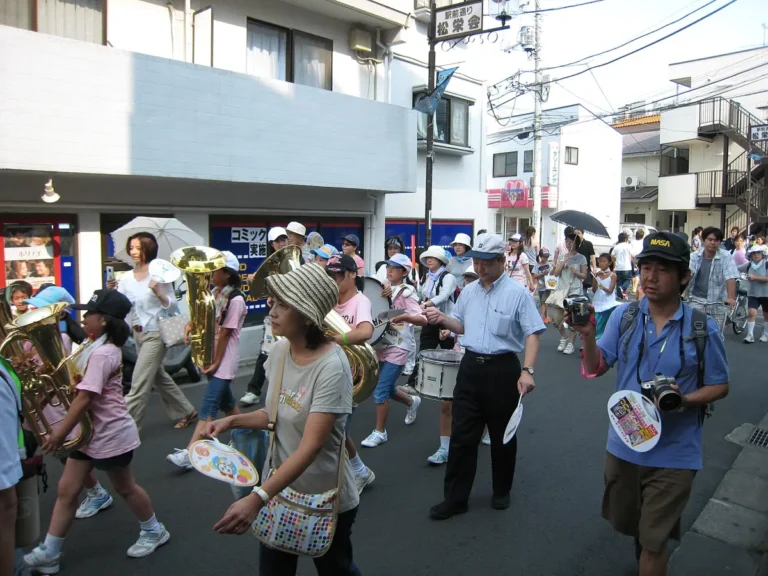
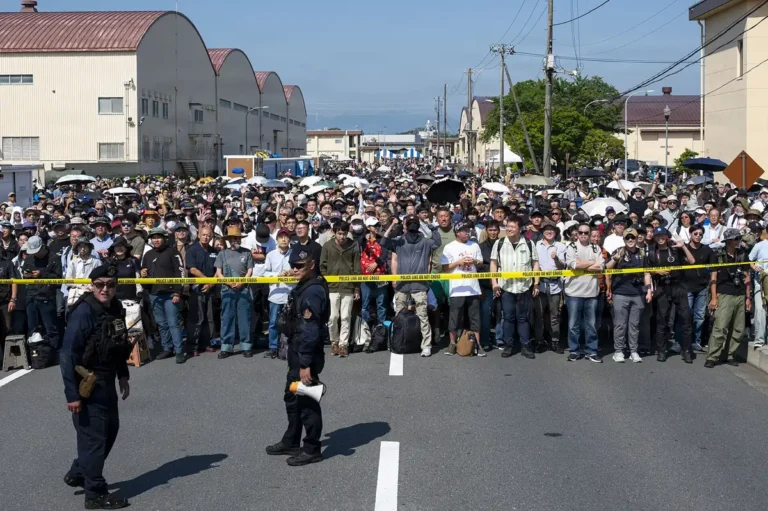
Anyone arriving in South Bend on the Monday after Easter Sunday expecting to find a single festival ground, one gate and one organising committee will quickly discover that Dyngus Day refuses to fit that shape. No source consulted for this article publishes the day as one festival under the name used in the title above. The published name is simply Dyngus Day, with no trailing word added, and what the county destination layer, the county public library and the local newspaper describe is a citywide observance: a chain of celebrations hosted hall by hall and club by club across South Bend and its neighbouring communities, all falling on Easter Monday and sharing the same Polish food, polka music and political ritual.
About Dyngus Day in South Bend
Dyngus Day is the local form of the Polish observance printed in the sources as Śmigus-Dyngus and Śmigus-dyngus, and the destination layer heads its account “Dyngus Day in South Bend, Indiana”. The day belongs to Easter Monday, and in South Bend it anchors the Polish-American calendar of Saint Joseph County. South Bend is the county seat of Saint Joseph County, and most of the documented celebrations sit inside the city, yet the record reaches beyond the city limits: gatherings are documented in nearby county communities and just outside the city in Mishawaka and New Carlisle, both within the wider South Bend area, with Mishawaka itself in Saint Joseph County. No honest account can claim that every hall on the list stands inside South Bend proper.
There is no single organiser behind the day in any source. Instead, the hosting falls venue by venue to Polish and civic institutions whose names the sources print in several forms that are kept separate here rather than blended together. They include the West Side Democratic Club, also printed in fuller form as the West Side Democratic & Civic Club; the M.R. Falcons Club, also printed as M R Falcons Nest #4; the Z.B. Falcons, whose history the library layer relates as a local chapter of a Polish fraternal organisation; the Crumstown Conservation Club; the Hedwig Memorial Center; the South Bend Firefighters Local 362, also printed in fuller form as the South Bend Firefighters’ Association; and American Legion posts.
Quick Facts
| Item | Detail |
| Published name | Dyngus Day |
| Polish name forms | Śmigus-Dyngus and Śmigus-dyngus |
| County | Saint Joseph County, Indiana |
| Host city | South Bend, the county seat |
| Day of observance | Easter Monday |
| Twenty twenty-six date | Monday the sixth of April |
| Twenty twenty-five date | The twenty-first of April |
| Hosts | Many clubs and halls, each running its own celebration |
| Admission | Set venue by venue; no single festival-wide price |
| Campaign-season role | Marks the opening of the primary campaign season |
History
The roots of the observance lie in Poland, and the sources offer two accounts of those roots that sit side by side without either one cancelling the other. An encyclopaedic layer ties the tradition to the baptism of Poland and to Easter Monday, while the county destination layer states that the observance began as a celebration of the March equinox. Both versions stand here exactly as their layers give them, unreconciled.
How the South Bend celebration began is a gap the sources leave open. The destination layer does record that the South Bend observance soared in popularity during the nineteen fifties as a way of marking the end of the Lenten season, so the day was established in the city’s life by that decade, but no source consulted puts a founding year on the South Bend celebration. What the record does show is a tradition strong enough to absorb change: the library layer dates the Z.B. Falcons’ final Dyngus Day at their Sheridan Avenue building to April of the year before its account, after which that building became a library branch, yet the day itself carries on without it.
For a useful comparison, see the St. Joseph County Indiana South Bend Fusion Festival for another county festival.
The political thread of the history is unusually well documented. The layers record that Robert F. Kennedy campaigned in South Bend on Dyngus Day in nineteen sixty-eight, that the Clintons did so in two thousand and eight, and that former mayor Pete Buttigieg was a regular on the Dyngus Day circuit. Those visits underline what local coverage has long treated as settled: in South Bend the day is not only a feast but the recognised starting gun of the year’s primary campaigning, One further custom survives in a single secondary layer, which records streets being ceremonially renamed for the day, Ford Street and South Warren Street becoming “Dyngus Day Drive”; resting on one layer alone, it is noted as that layer’s account rather than established fact.
What to Expect
Picture several halls opening at different hours and filling at their own pace, each laying on a version of the same celebration. The food is the constant. Across the layers the tables carry Polish sausage and kielbasa, noodles, sweet and sour cabbage, pierogi and paczki, and the library layer adds hard-boiled eggs and desserts prepared by volunteers, a reminder that the cooking falls to the host organisations’ own people rather than to outside caterers. The destination layer’s account of the twenty twenty-six observance describes feasts running from morning onward.
The same destination account has polka bands playing by mid-morning, and live polka music with dancing runs through the programme the layers describe. Card playing and socialising from early morning appear in the library’s picture of the day, so some rooms stay loud with accordions while others settle into games and conversation. Layered over all of it is the politics. The sources agree that Dyngus Day marks the official start of the year’s primary campaign season in South Bend, and candidate speeches at the clubs are as much a fixture as the sausage. In twenty twenty-six the newspaper layer reported the West Side Democratic & Civic Club’s celebration: because of renovations at its own building, the club moved that year into the M R Falcons hall, opening its doors at ten in the morning, with candidate speeches following after half past eleven, free admission and a paid buffet, news carried in a press release from the Saint Joseph County Democratic Party.
Planning Your Visit
Treat the date first: this is an Easter Monday observance, not a weekend festival, so the working week has already begun for most people while the halls are filling. The destination layer documents the twenty twenty-six observance on Monday the sixth of April, with some venues opening from seven in the morning, while the encyclopaedic layer gives the twenty twenty-five date as the twenty-first of April, which shows how far the Monday can drift within a spring.
Because no gate covers the whole day, planning means choosing venues rather than buying one ticket. In twenty twenty-six the arrangements differed from hall to hall, and its figures belong to that year and those rooms only. The newspaper’s list shows the Democratic club celebration free to enter, with its buffet priced at sixteen dollars; two other venues on the same list charged a five-dollar entry fee. The destination layer separately lists one memorial centre event at five dollars to enter and a Polish dinner in New Carlisle at fifteen dollars a plate. There is no festival-wide admission price to quote. Venues appear in the sources by name only, so a first-time visitor does best to confirm the current year’s list and hours through the destination layer’s account or the local newspaper’s round-up before setting out.
A Sample Dyngus Day Itinerary
Begin early, the way the destination layer’s twenty twenty-six account begins: some venues were already open from seven in the morning, so an unhurried first stop can pair breakfast-hour socialising with the card playing and conversation the library layer describes from the day’s first hours.
Move toward food as the morning builds: feasts ran through the day in the twenty twenty-six account, and by mid-morning the polka bands were playing, so a late-morning hall pairs kitchen and dance floor at their fullest. Save room for the volunteer-made side, the hard-boiled eggs and desserts the library layer credits to the hosts’ own volunteers.
Give the middle of the day to the political ritual. At the M R Falcons hall in twenty twenty-six, where the West Side Democratic & Civic Club had relocated for the year, doors opened at ten in the morning and candidate speeches followed after half past eleven, a workable model even though each hall sets its own timetable. Later, drift to a second or third venue, perhaps finishing with a sit-down Polish dinner of the kind the destination layer listed in New Carlisle, and let the evening close at whichever hall’s music runs longest.
How South Bend’s Dyngus Day Compares
South Bend is not the only American city keeping this observance, and the sources are careful to keep the celebrations separate. Dyngus Day in Buffalo, New York, and in Cleveland, Ohio are other cities’ versions of the same Polish Easter Monday tradition, and the observances in LaPorte, Indiana, likewise belong to that community rather than to South Bend. What distinguishes the Saint Joseph County round is its documented double life: a feast day that simultaneously opens a primary campaign season, drawing national figures onto a circuit of club halls, is a combination the layers attach to South Bend specifically.
The library layer also mentions Solidarity Day traditions alongside Dyngus Day; they share the same Polish-American calendar but are a distinct thread, not part of this article’s subject.
Checklist
- Confirm the date of Easter Monday for the year of your visit, since the observance moves with Easter.
- Choose two or three host venues from the current year’s published round-up rather than expecting one festival ground.
- Carry small bills, because entry fees and buffet prices are set separately by each hall.
- Arrive at a hall before late morning if you want to hear the candidate speeches.
- Leave room for pierogi, paczki and the volunteer-prepared desserts.
- Check whether a familiar venue has moved, as the Democratic club did in twenty twenty-six.
Beyond the Clubs and Halls
A Dyngus Day visit sits naturally inside a wider look at South Bend’s Polish-American west side, where the Falcons halls, the Democratic club, the firefighters’ association and the Legion posts are part of the city’s everyday fabric rather than attractions built for visitors. The Z.B. Falcons’ former Sheridan Avenue building, now a library branch according to the library layer, marks how the community’s institutions have shifted over time. Arriving in the county seat the weekend beforehand simply means resting before those seven o’clock doors.
Why Dyngus Day Matters Here
Judged by the documented record alone, Dyngus Day holds a place in Saint Joseph County that no single-venue festival could occupy. It binds a Polish religious and seasonal observance to the civic machinery of a county seat: the same Monday that ends the Lenten season in the destination layer’s telling also opens the primary campaign season, feeds whole neighbourhoods from volunteer kitchens, and has drawn a Kennedy, the Clintons and a hometown mayor onto its circuit. Its survival depends on no single organiser’s budget or hall’s lease, because the hosting is spread across many institutions, each able to carry the tradition in its own rooms. That distributed strength, summed up in the saying both the destination and library layers record, that everyone is Polish on Dyngus Day, is the day’s real significance.
Frequently Asked Questions
Is Dyngus Day in South Bend one festival in a single place?
No. The sources describe a citywide Easter Monday observance made up of separate celebrations hosted venue by venue by clubs, halls and civic institutions across South Bend and nearby communities such as Mishawaka and New Carlisle. Each host runs its own event, so there is no single ground, gate or programme for the day as a whole.
Which organisations host the celebrations?
The hosting is shared among Polish and civic institutions, including the West Side Democratic & Civic Club, the M.R. Falcons Club and M R Falcons Nest #4, the Z.B. Falcons, the Crumstown Conservation Club, the Hedwig Memorial Center, the South Bend Firefighters Local 362 and American Legion posts. No one body organises the entire day.
What food and music define the day?
The tables carry Polish sausage and kielbasa, noodles, sweet and sour cabbage, pierogi and paczki, with hard-boiled eggs and volunteer-prepared desserts noted by the library layer. Polka bands, playing by mid-morning in the twenty twenty-six account, supply the music, and dancing, card playing and candidate speeches fill out the programme.
Why do politicians appear at Dyngus Day?
The layers agree that the day marks the official start of the year’s primary campaign season in South Bend, which is why candidate speeches at the clubs are a fixture. The record of visits is long: Robert F. Kennedy campaigned in the city on Dyngus Day in nineteen sixty-eight, the Clintons followed in two thousand and eight, and former mayor Pete Buttigieg was a regular on the circuit.
What to Expect From the Next St. Joseph County Indiana Dyngus Day Festival
How often is St. Joseph County Indiana Dyngus Day Festival held?
The observance returns every Easter Monday, carried by the same loose network of clubs and halls rather than by a single organiser. Each spring brings another round of venue celebrations, though no central body publishes one combined programme for the day.
When is the next St. Joseph County Indiana Dyngus Day Festival?
The next observance will fall on the Easter Monday of the coming spring, whenever Easter itself lands that year. The documented dates show the drift plainly: the encyclopaedic layer gives the twenty-first of April for twenty twenty-five, and the destination layer documents Monday the sixth of April for twenty twenty-six, so the exact date follows that year’s Easter.
Will the dates change?
Yes, movement is built into the day. Because Dyngus Day is anchored to Easter Monday, its calendar date shifts from year to year as Easter moves, and the gap between the twenty twenty-five and twenty twenty-six dates shows a swing of more than two weeks. What stays fixed is the Monday itself and the shape of the celebrations around it.
Closing Thoughts
Dyngus Day in South Bend rewards anyone who approaches it on its own terms: not a festival to be gated and branded, but a county seat’s Polish-American Monday of open hall doors, volunteer cooking, polka and politics. The record left by the destination layer, the public library and the local newspaper shows a tradition sturdy enough to survive a host’s change of building and varied enough to fill a whole city for a day. Arrive hungry, bring curiosity about the campaign speeches, and let the halls set the itinerary.