Jennings County Indiana Sassafras Tea Festival
Each spring, the small town of Vernon marks the changing season the way it has for decades: with cups of sassafras tea poured on the courthouse lawn and Civil War soldiers camped within walking distance. The Jennings County Indiana Sassafras Tea Festival joins a hometown spring celebration to a full weekend of living history, and it does both in a town where nearly every building carries a story. A history radio layer calls Vernon “the state’s smallest county seat,” and the whole town appears in the national register of historic places, so the festival’s reenactors and interpreters perform against a backdrop that needs no dressing up. The Jennings County Historical Society runs the weekend, and its museum sits right across from the courthouse.
About the Sassafras Tea Festival
Published name forms vary by layer, and the record keeps all of them. A news layer’s headline form is “Sassafras Tea Festival,” which matches the title above. Other layers print “Sassafras Tea Festival and Civil War Living History,” while the historical society’s own calendars use “Sassafras and Civil War Living History Festival,” and a state tourism blog together with a listing layer prints “Sassafras Tea Festival & Civil War Living History,” ampersand included. The tea came first in the festival’s life, and the living history joined later, so the longer names describe the weekend as it now stands.
The organiser likewise appears in several printed forms. Most layers name the Jennings County Historical Society. A state bicentennial page’s organisation line prints “Jennings County Historical Society, Our Heritage, Inc.,” and an award release from two thousand one describes the programme as that of “Our Heritage, Inc., the Jennings County Historical Society.” The facts record these as one society under its corporate name, and this article keeps the forms as printed.
Most activity gathers around the town square and the courthouse lawn in Vernon. The society’s museum, named the North American House, stands across from the courthouse and holds a collection of over seven thousand artifacts. The mock battles unfold about one mile north of town at a county park printed in two forms, Muscatatuck Park and Muscatatuck County Park.
Quick Facts
| Item | Detail |
| Published name | Sassafras Tea Festival, with longer living history forms in several layers |
| Host town | Vernon, the seat of Jennings County |
| Organiser | Jennings County Historical Society, also printed with its corporate name, Our Heritage, Inc. |
| Main setting | Town square and courthouse lawn in Vernon |
| Museum | The North American House, across from the courthouse |
| Battle site | Muscatatuck Park, also printed Muscatatuck County Park, about one mile north of Vernon |
| Season | A weekend in late April |
| Documented editions | April 23–24, 2016; April 26–27, 2025; April 25–26, 2026 |
| Admission | Weekend activities free, except five dollars per vehicle for the mock battles |
| Signature pour | Free sassafras tea and cookies |
History
Two dated accounts of the beginning survive, and they disagree by one year. A news layer states that in nineteen sixty-two, founding members of the historical society decided to announce spring with a festival that included the spring tonic, meaning the sassafras tea itself. A regional entertainment guide’s account of the two thousand sixteen edition states instead that the festival was “begun in nineteen sixty-one in Vernon as a spring get-together for the community,” and a state tourism blog’s two thousand sixteen account likewise describes the first festival as held fifty-three years earlier, which points to the same earlier year. Neither account is treated here as the settled truth. The honest summary is that the layers conflict on nineteen sixty-one versus nineteen sixty-two, and no founding year is computed from the annual billings.
For a useful comparison, see the Jefferson County Indiana Soup, Stew, Chili, and Brew Festival for another county festival.
The billings themselves are recorded as billings. The guide billed two thousand sixteen as the fifty-third festival, and the news layer bills the two thousand twenty-six edition as the sixty-fourth annual. Those numbers sit beside the two origin accounts without resolving them, because edition counting and founding dates are different kinds of claims.
Growth is documented more firmly. The same regional guide states that the society expanded the tea festival in nineteen ninety-two to include Civil War Living History and the large bake sale, which explains how a spring tonic celebration acquired reenactments, mock battles, and a ball. The news layer describes the result as the longest-running annual festival in Jennings County, a characterisation attributed to that layer. What began as neighbours gathering over tea became, over three decades, a weekend that fills the square with interpreters, craft demonstrators, and the smell of fresh baking.
What to Expect
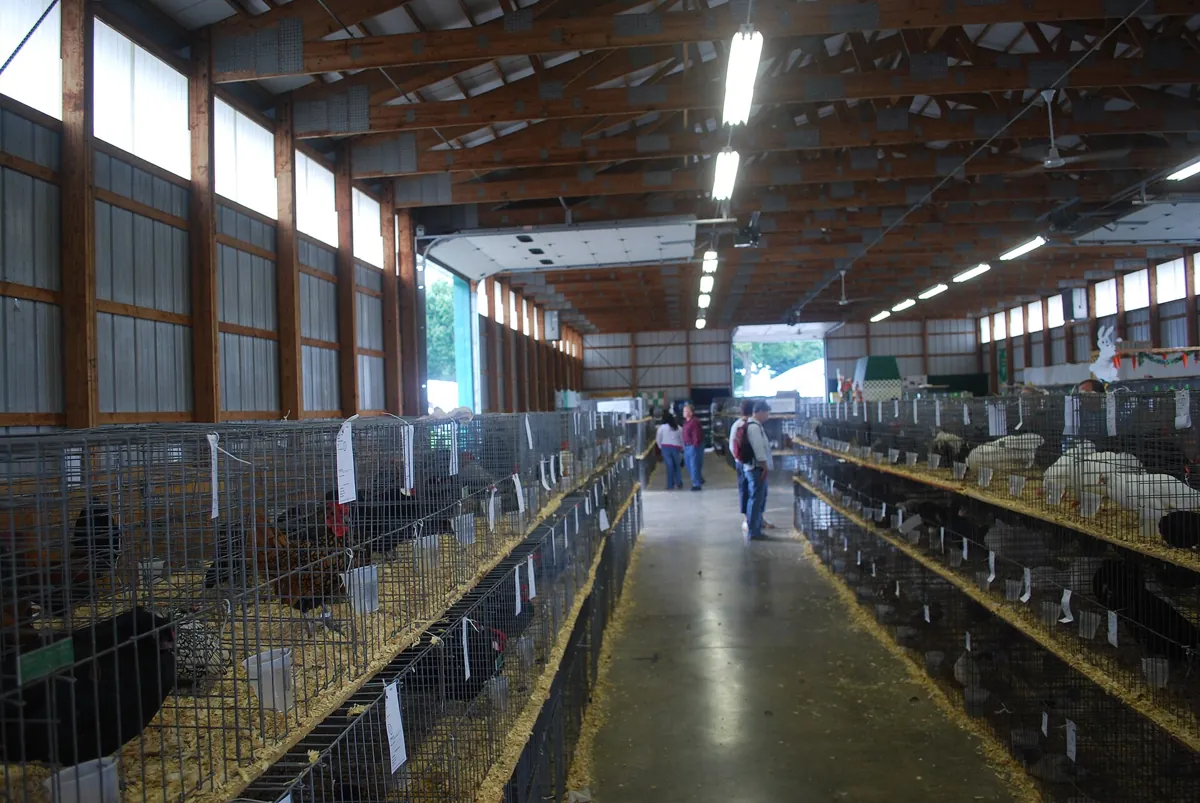
The weekend’s centre of gravity is the square, where the society pours free sassafras tea and serves cookies, and where fresh-dug sassafras roots are sold while they last. A bake sale offers fresh homemade pies and breads, and the news layer cites one thousand fresh homemade pies, a figure that conveys the scale of the baking even before a visitor reaches the tables. Music plays on the square, and wood carvers share space with other old-time craft demonstrations, including pottery-making, weaving, and a blacksmith shop.
The living history programme gives the weekend its second half. Civil War reenactments, mock battles, and skirmishes anchor the schedule, with the battles held at the county park north of town. First-person interpreters appear across the layers, including Lew Wallace, Oliver Morton, General Grant, and Abe Lincoln, alongside Carol Collins portraying Dr. Mary Walker. One interpreter’s name is printed two ways: Hagerman Tripp in most layers and Haggerman Tripp in the society’s two thousand twenty-five calendar; both spellings are recorded here as printed. A Blue/Grey Ball, also printed Blue-Grey Ball, gives the reenactor community its social centrepiece, and Underground Railroad tours add a quieter, reflective strand that suits a town of Vernon’s age and record.
Between the square and the park, the North American House rewards a slow visit. Its collection of over seven thousand artifacts means the museum is not a token stop but a substantial part of the weekend, and it sits directly across from the courthouse lawn where the tea is poured.
Planning Your Visit
Money is the simplest part of the weekend. The documented admission picture is that the weekend’s activities are free except the mock battles, for which the only admission fee is five dollars per vehicle. The news layer states this, and the state tourism blog’s two thousand sixteen account likewise gives five dollars per vehicle for the battles at the park. A visitor can therefore spend both days on the square, in the museum, and at the demonstrations without paying entry, and budget only for the battle parking, the bake sale, and a bundle of fresh-dug roots.
Hours need a small caution. The two thousand twenty-five edition ran nine in the morning to four in the afternoon on both days, per the society’s calendar. For two thousand twenty-six, the news layer gives nine to five on Saturday and nine to four on Sunday, while the society’s own two thousand twenty-six calendar gives nine to four. That discrepancy is recorded here rather than resolved, so a visitor planning around closing time should check the society’s current calendar before the weekend. The documented editions all fall on a Saturday and Sunday in late April: April 23–24 in two thousand sixteen, April 26–27 in two thousand twenty-five, and April 25–26 in two thousand twenty-six.
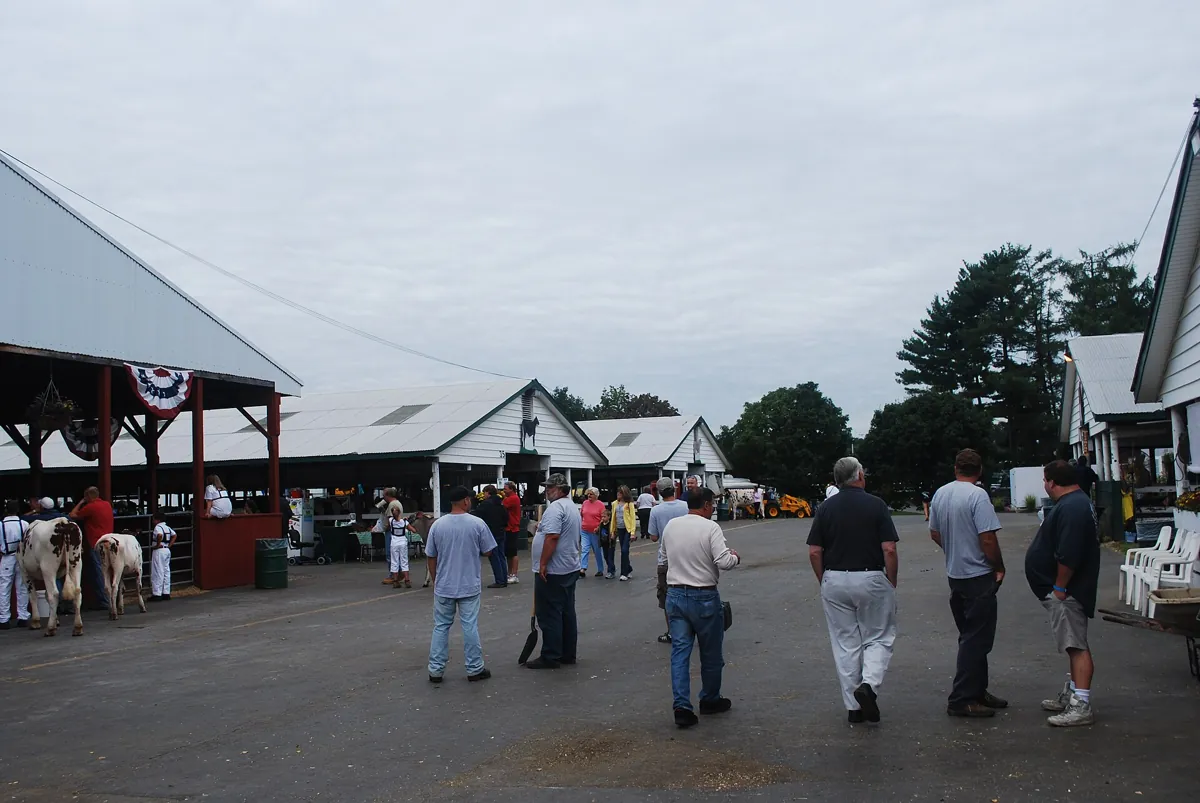
Vernon’s size works in a visitor’s favour. The square, the courthouse lawn, and the museum stand within a few steps of one another, and only the battles require the short trip about one mile north to the park. Arriving early on Saturday leaves time for tea and the museum before the battle crowds build, and the per-vehicle fee means carpooling genuinely stretches a group’s budget. Because so much of the programme sits outdoors on the lawn and the square, comfortable shoes and a layer of clothing for cool April mornings are sensible preparations, and visitors who plan to carry home pies, breads, or sassafras roots will be glad of a sturdy bag.
A Sample Weekend Itinerary
Saturday can begin on the square with a cup of sassafras tea and a cookie while the craft demonstrators set up their benches. The late morning suits the North American House, where the artifact collection fills an hour easily, followed by the bake sale tables for pies and breads to carry home. The afternoon belongs to the park, where the mock battles and skirmishes draw the weekend’s largest gatherings, and the evening can close with the Blue/Grey Ball for those drawn to the reenactor side of the festival.
Sunday lends itself to the quieter programme. Underground Railroad tours and time with the first-person interpreters reward a slower pace, and a second pass through the museum catches rooms missed on Saturday. A final cup of tea on the lawn makes a fitting end before the drive home.
How It Compares
The historical society itself runs another event that should not be confused with this one. Its Ghost Walk and Mystery Dinner takes place in October in Vernon, a separate society event with an autumn mood quite unlike the spring tea weekend. Sharing an organiser does not make the two gatherings the same festival.
Geography creates a second confusion worth clearing up. North Vernon, a different town in the same county, holds its own fall festivals, and the city of North Vernon presents an event called “Hometown Harvest.” Those are separate events in a separate town, and North Vernon is not the county seat. The Sassafras Tea Festival belongs to Vernon alone, in spring, around its courthouse.
A Visitor Checklist
- Confirm the current year’s dates and closing hours on the society calendar, since published hours have differed between layers
- Carry small bills for the five dollar per vehicle battle fee
- Arrive at the square early for tea before the lines grow
- Set aside unhurried time for the North American House and its artifact collection
- Visit the bake sale before popular pies sell through
- Allow travel time for the short trip north to the battle park
- Ask interpreters about the figures they portray, from General Grant to Dr. Mary Walker
- Keep the October Ghost Walk and Mystery Dinner in mind as a separate society event
Beyond the Festival
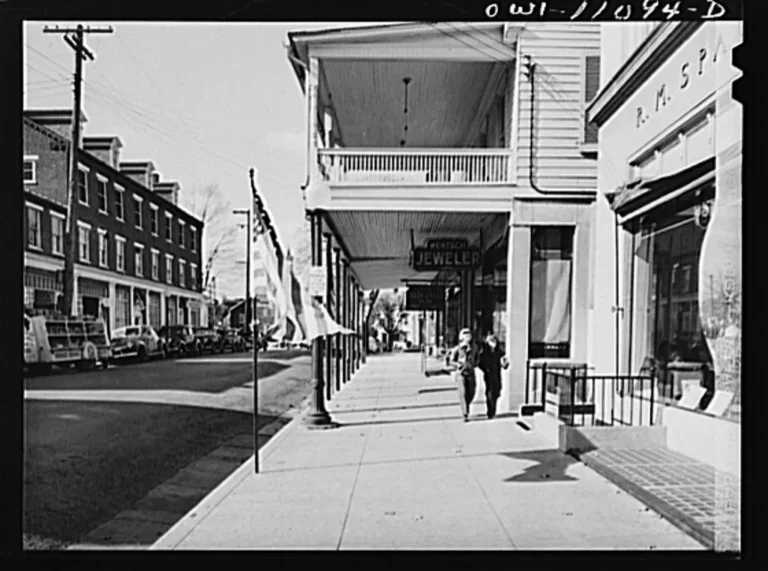
Vernon itself is the natural extension of the weekend. The whole town appears in the national register of historic places, according to historical society layers, so a plain walk from the square covers ground that preservationists consider significant as a whole. The courthouse lawn and the surrounding streets give the festival a setting no rented ground could imitate.
The North American House also stands as a destination in its own right. A collection of over seven thousand artifacts in the state’s smallest county seat, as the history radio layer phrases it, makes the museum a reason to return outside festival weekend as well as during it.
Why the Festival Matters
A cup of tea is a modest thing to build a festival on, yet the record shows what grew from it. A spring get-together organised by historical society members became the event a news layer calls the longest-running annual festival in Jennings County, and its nineteen ninety-two expansion folded the region’s Civil War memory into a celebration that had begun with a spring tonic. The festival now carries several kinds of heritage at once: foodways in the tea and the bake sale, craft skill in the carvers and weavers, and difficult history in the reenactments and Underground Railroad tours.
The setting completes the significance. Vernon preserved its historic fabric as a whole town, and its historical society keeps that fabric in active use rather than behind glass. Pouring tea on the courthouse lawn, in a county seat this small, turns preservation into hospitality, and that combination is what the documented record shows returning every spring.
Frequently Asked Questions
Did the festival begin in nineteen sixty-one or nineteen sixty-two?
Published accounts give two different years, and neither is treated here as the final word. A regional entertainment guide’s two thousand sixteen account says the festival was begun in nineteen sixty-one as a spring get-together, and the state tourism blog’s account from the same year describes the first festival as held fifty-three years earlier. A news layer instead states that society founding members decided on the festival in nineteen sixty-two. Both dated accounts are part of the record.
Is there a charge for watching the mock battles?
Yes, and it is the weekend’s only documented admission fee. The mock battles at the park north of Vernon cost five dollars per vehicle, while the weekend’s other activities, from the tea on the square to the demonstrations, are free.
Why does sassafras tea anchor the whole weekend?
The news layer’s origin account describes the festival as a way to announce spring with a spring tonic, and the tea remains the signature pour. It is served free with cookies, and fresh-dug sassafras roots are sold while they last, tying the refreshment directly to the season the festival celebrates.
Who are the costumed figures visitors meet on the square?
They are first-person interpreters portraying figures from the Civil War era. The layers name Lew Wallace, Hagerman Tripp (also printed Haggerman Tripp), Oliver Morton, General Grant, and Abe Lincoln, together with Carol Collins portraying Dr. Mary Walker.
What to Expect From the Next Jennings County Indiana Sassafras Tea Festival
How often is Jennings County Indiana Sassafras Tea Festival held?
The documented editions fall on one weekend each spring, in late April: two thousand sixteen, two thousand twenty-five, and two thousand twenty-six all followed that pattern. The news layer describes it as an annual festival, the longest-running one in Jennings County.
When is the next Jennings County Indiana Sassafras Tea Festival?
The most recent documented edition ran April 25–26, two thousand twenty-six, billed as the sixty-fourth annual. Following the established pattern, the next edition would be expected on a late April weekend, and the society’s calendar is the place to confirm its exact dates.
Will the dates change?
The late April placement has held across every documented edition, though the exact weekend shifts within the month, landing on April 23–24 in two thousand sixteen and April 25–26 in two thousand twenty-six. Published hours have also differed between layers for the same edition, so checking the society’s calendar stays worthwhile.
Closing Thoughts
The Sassafras Tea Festival asks little of its visitors: no entry fee on the square, a modest per-vehicle charge at the battle park, and a small historic town doing the rest. In return it offers tea, baking, craft work, and living history in a setting that is itself an artifact. For a county seat of Vernon’s size, that is a generous spring bargain, documented year after year.