McHenry County Illinois Harvard Milk Days Festival
In Harvard, Illinois, the dairy celebration filling the first weekend of June is published simply as Harvard Milk Days — and in its earliest years shorter still, as Milk Day. The word Festival belongs to no published name form for the event. Harvard sits in McHenry County, and although Milk Days is its signature gathering, Harvard is not the county seat; Woodstock is. The layers describe a June festival in the full summer sense: a parade down a whitewashed street, a dairy cattle show, a queen contest, and a fiberglass cow named Harmilda.
About Harvard Milk Days
No single organiser name spans the whole record; the layers keep their own forms separate. A history layer credits the Harvard Chamber of Commerce with beginning the planning in 1941, a year before the first festival. In modern layers the work sits with an organising committee whose named co-chairs speak for the event; a news layer from 2016 quotes co-chair Mike Bannwolf on the festival’s beginnings. A dairy-industry layer names a Milk Days Board in connection with the dairy show. Together, the layers show a chamber that planned the first edition, a committee running the modern one, and a board tied to the cattle show, with no layer merging those roles.
Quick Facts
| Item | Detail |
| Published name | Harvard Milk Days (earliest form: Milk Day) |
| Host town | Harvard, McHenry County, Illinois |
| County seat | Woodstock — Harvard is not the seat |
| Timing | The first weekend in June |
| First festival | 1942 — the exact day is stated differently across layers |
| Modern venue | Milky Way Park, on Lawrence Road |
| Parade street | Ayer Street, whitewashed and nicknamed the Milky Way |
| Mascot | Harmilda, a fiberglass Holstein at the Five Points |
| Admission | No admission price is published in any layer read |
History of Harvard Milk Days
Several layers state explicitly that Milk Days began in 1942 but disagree on the day, and this account leaves all three versions standing. A news layer in 2016 quoted a co-chair saying the history of Milk Days started on 1 June 1942. A general-interest history layer instead dates the first festival to Thursday, 18 June 1942, placing about three thousand people at the intersection of Ayer and Brainard streets. A county Farm Bureau history page commits to neither day, saying only that it began that spring. The year is firm; the day belongs to whichever layer a reader trusts.
The purpose, by contrast, is consistent everywhere. The festival was created to honour area dairy farmers who had increased milk production for the war effort after an appeal from the Department of Agriculture. Harvard then had seven dairy companies within a fifteen-mile radius, and the town proclaimed itself in slogans surviving in two layers: Milk Center of the World in the Farm Bureau layer, and Dairy Capitol of the World — with that layer’s own spelling of Capitol — in a state Farm Bureau magazine layer. Both stand as printed, neither corrected into the other.
Where the festival has been held is recorded in pieces from different layers, not stitched together here into a single venue history. The history layer puts the first festival at the intersection of Ayer and Brainard streets and says the fourth annual festival, in 1945, moved to Mary D. Norma Park. A news layer from 2016 gives the modern home as Milky Way Park, on Lawrence Road, described as the place the event moved to in 1958. Those two move statements rest in separate layers. Every layer agrees on the parade’s ground: Ayer Street, whitewashed for the occasion and nicknamed the Milky Way.
For a useful comparison, see the McHenry County Illinois McHenry Fiesta Days Festival for another county festival.
The layers also carry a spread of anniversary billings, each recorded as a billing only, never used to correct the stated 1942 start: a seventy-fifth anniversary in a 2016 news layer; a festival of seventy-seven years in a county journal of May 2018; a silver anniversary in 1966 in the Farm Bureau history layer; a seventy-two-year-old festival in a 2014 state Farm Bureau magazine layer; and, in a dairy-industry layer, a dairy show called a seventy-five-year-old tradition alongside a festival held for the past eighty-two years. None of these figures is converted into arithmetic about the founding.
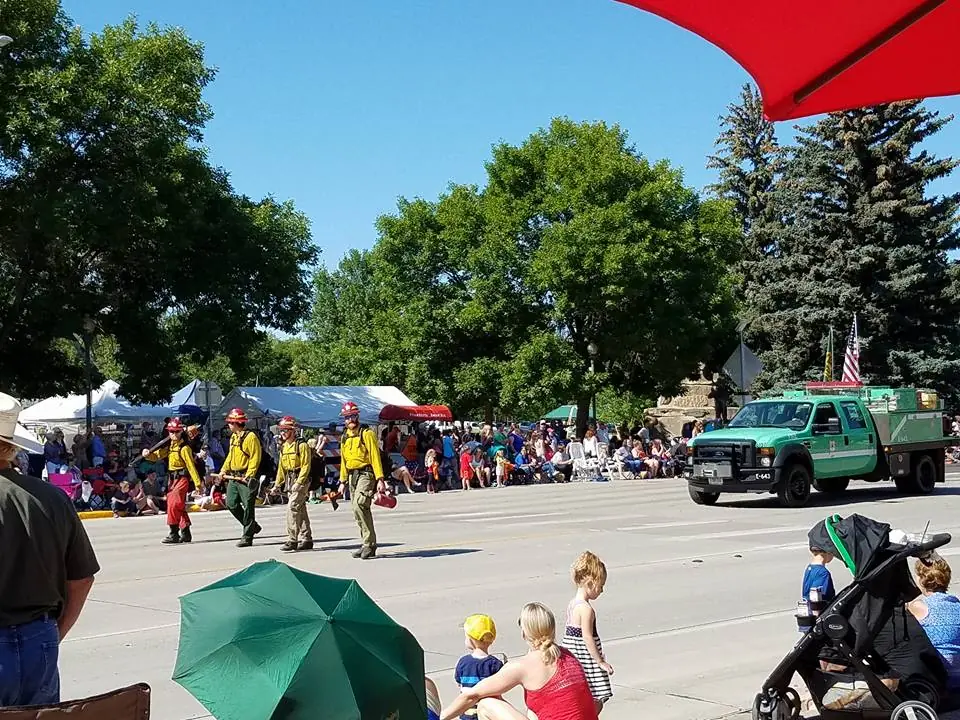
Individual editions fill in the outline. The Farm Bureau layer records 1950 as the ninth annual festival, with the first open cattle show and one hundred sixty-five cattle entered — an entry count from that layer, not a crowd figure. Documented June runs follow from 1 to 3 June 2012 and 6 to 8 June 2014. The 2016 edition ran from 2 to 5 June, its parade on Saturday 4 June at one in the afternoon from the Five Points. In 2018 a county journal records a queen pageant on 11 May and a parade led by a television horror-host guest. Across all these editions the festival sits on the first weekend in June.
Harmilda, the fiberglass Holstein at the Five Points, carries two accounts of her own, left unharmonised. A 2016 news layer states the statue was presented in 1966 by Robert Jones of the Jones Packing Company and named by contest winners in 1970. The Farm Bureau history layer tells it differently, saying that 1970 introduced Harvard’s famous fiberglass cow, Harmilda. One account separates presenting and naming by four years; the other treats 1970 itself as her introduction.
What to Expect at Harvard Milk Days
The documented programme is best read by era, because its parts arrived across decades. The parade down the whitewashed street belongs to every layer and every period. The Milk Day Queen contest is dated by the history layer: first queen in 1945, and from 1959 a judges’ panel made the choice. The dairy cattle show began with the first open show in 1950, and modern layers describe a youth-focused junior dairy show. Farm tours joined in 1967, per the Farm Bureau layer, and the Milk Run, over distances of two and seven miles, was introduced in 1978.
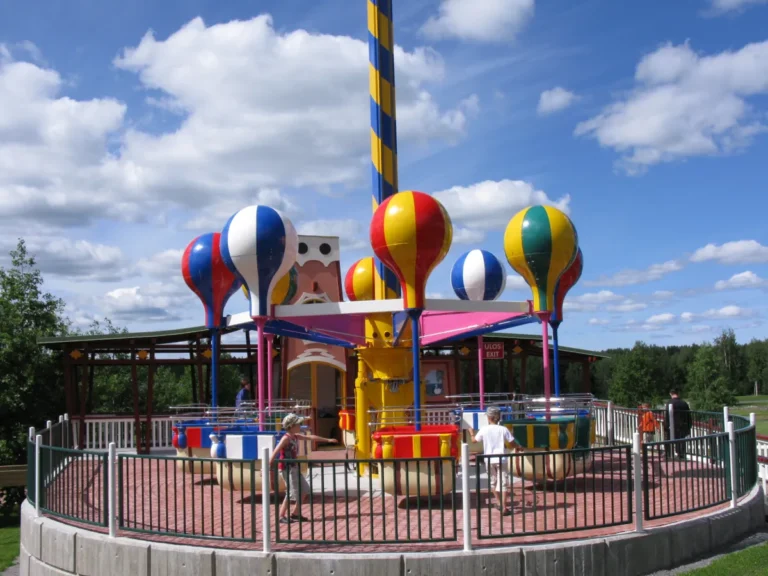
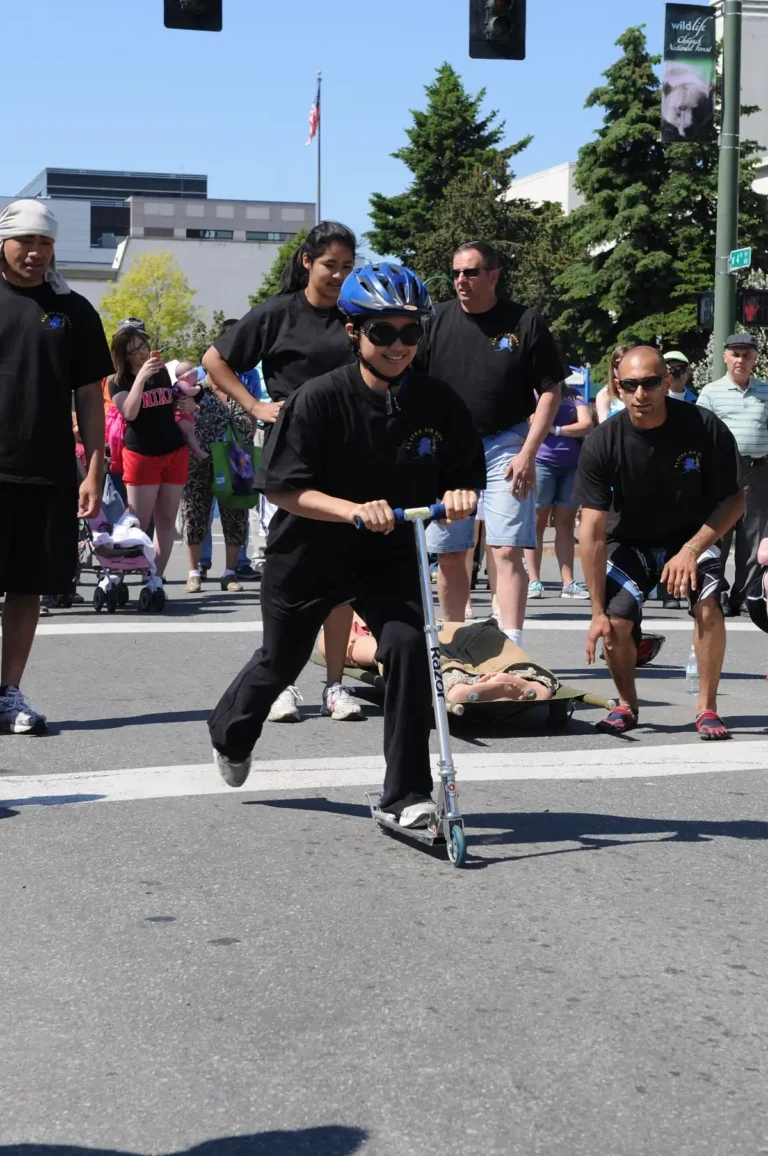
Later additions came in the 1980s, which the Farm Bureau layer credits with bed races, big wheel races, a tractor pull, a sock hop, and a Milk Days roast. A news layer describing the 2016 edition lists cow chip lotto, carnival rides, and food, and records a community church service and a closing fireworks display. A visitor thus meets a parade, a queen contest, cattle in the show ring, and runners on the Milk Run routes — each element traceable to the layer and era that recorded it, not to one year’s schedule.
Planning Your Visit
Two things about Milk Days can be stated plainly, and a third cannot. The layers place the festival consistently on the first weekend in June, a placement repeating from the earliest accounts through the June editions of 2012, 2014, and 2016. The 2016 news layer gives the modern venue as Milky Way Park on Lawrence Road, while the parade belongs to whitewashed Ayer Street downtown. The point that cannot be stated is the cost of getting in: no admission price is published in any layer read. Because the layers print no price, this account invents none, and for the same reason never describes the festival as free — silence in the record is not a price in either direction.
The ground itself helps a visitor read the festival. The Five Points, where Route 14 and Route 173 meet the downtown streets, is where Harmilda stands and where the 2016 parade began. Ayer Street’s whitewash and Milky Way nickname appear in news layers as the parade’s setting, writing the town’s dairy identity onto the street itself. A visit anchored on the record rests on the first June weekend, the park the modern layer names, and the downtown parade route.
A Sample Day at the 2016 Edition
A sample Saturday can be built from the 2016 edition alone, as that year’s news layer recorded it. That edition ran from 2 to 5 June, its centrepiece on Saturday 4 June the parade, stepping off from the Five Points at one in the afternoon along whitewashed Ayer Street. Around that point the same layer places cow chip lotto, carnival rides, and food, so a day shaped on the 2016 record might begin among the rides and food and take the parade as its afternoon anchor. The layer closes with a community church service and a closing fireworks display, the edition’s documented ending. Nothing here is borrowed from other years.
Milk Days Then and Now
Set against its own first shape, the modern festival shows how far one intersection gathering can travel. The history layer’s first festival was a single occasion at Ayer and Brainard streets, drawing about three thousand people by that layer’s claim, held to honour farmers answering a wartime appeal. The modern record instead describes a park-based weekend at Milky Way Park with a dairy show, a judges-chosen queen, a Milk Run, bed races, and a parade led in 2018 by a television horror-host guest. No outside festival is needed for the comparison: the distance between the 1942 street-corner celebration and the modern programme is the story. Nothing here belongs to Harvard, Massachusetts, or Harvard, Nebraska — no layer read for this festival draws on those towns.
A Milk Days Checklist
- Fix the first weekend in June as the festival’s documented slot.
- Look for the parade on whitewashed Ayer Street, the Milky Way.
- Find Harmilda at the Five Points, where Route 14 and Route 173 meet downtown.
- Remember: no admission price is published in the layers, and the festival is never called free there.
- Distinguish the dairy show’s board from the organising committee and the chamber that planned the 1941 festival.
- Treat the two slogans separately: Milk Center of the World in one layer, Dairy Capitol of the World in another.
- Hold the three 1942 start-day versions apart — 1 June, 18 June, and simply that spring.
- Keep the 1950 entry count — one hundred sixty-five cattle — apart from any crowd claim.
Beyond the Festival Grounds
The festival’s setting extends a short distance beyond Milky Way Park. Ayer Street, whitewashed for the parade, runs through downtown under its Milky Way nickname, and the Five Points anchors the route where the numbered highways meet. Harmilda stands at that junction as the town’s permanent dairy emblem. Behind it all sits the dairy landscape that prompted the festival — seven dairy companies within a fifteen-mile radius at the founding — and the church service recorded in the 2016 layer shows the celebration reaching the town’s congregations, park, and streets.
Why Milk Days Matters
Milk Days matters in the record as a wartime thank-you that outlasted the war. Its purpose was to honour dairy farmers who had raised production after a federal appeal, and the layers show that purpose hardening into a durable institution: a queen contest running since the nineteen forties, farm tours since 1967, a run since 1978, and a mascot standing at the town’s busiest corner. Its attendance claims must be labelled by kind. About three thousand people at the first festival is a history-layer claim tied to that layer’s account of 18 June 1942. A record seventy-five thousand attendees claimed for 1956, Harvard’s centennial year, is a Farm Bureau history-layer claim. For modern editions the layers print no counted crowd total; the festival’s weight rests on documented continuity, not recent numbers.
Frequently Asked Questions
Why was Milk Days created in the first place?
Every layer that gives a purpose gives the same one: the festival was created to honour area dairy farmers, who had increased milk production for the war effort after an appeal from the Department of Agriculture. Harvard, with seven dairy companies within a fifteen-mile radius, built its celebration around the industry that defined it.
Which day in 1942 did the first Milk Days actually fall on?
Three different answers survive, and none can be promoted over the others. A co-chair quoted in 2016 dated the start to 1 June 1942. A general-interest history layer gives Thursday, 18 June 1942, with about three thousand people at the Ayer and Brainard intersection. The county Farm Bureau history page says only the spring of 1942. The year is stated explicitly by all of them; the day stays as divided as they left it.
Who runs Milk Days today?
Modern layers put the work with an organising committee whose co-chairs are named; a 2016 news layer quotes co-chair Mike Bannwolf. That sits alongside the Harvard Chamber of Commerce — unmerged — credited by a history layer with planning the festival from 1941, and a Milk Days Board named by a dairy-industry layer for the dairy show. No single organiser form spans all the layers.
What should a first-time visitor expect to pay at the gate?
Nothing can be quoted, because no admission price is published in any layer read for this festival. The silence cuts both ways: the layers print no price and never call the festival free either. June timing, Milky Way Park, and the parade route are all described in the record; the cost of entry is not.
What to Expect From the Next McHenry County Illinois Harvard Milk Days Festival
How often is McHenry County Illinois Harvard Milk Days Festival held?
The layers place Milk Days on the first weekend in June with unusual consistency, from its early decades through recent documented editions. That placement holds across the June runs of 2012, 2014, and 2016 and the pageant and parade recorded in 2018, so the event reads in every layer as a fixture of that weekend.
When is the next McHenry County Illinois Harvard Milk Days Festival?
The layers read for this account document editions through the 2018 queen pageant and parade, and describe the festival’s home as the first weekend in June. A reader following that pattern would look to that weekend in Harvard — Milky Way Park, with the parade on Ayer Street — though a coming edition’s dates are set year by year.
Will the dates change?
Within the documented record, the anchor has been remarkably steady: multiple layers describe the festival as consistently placed on the first weekend in June, and dated editions from 1942 through 2018 cluster in early June. Individual elements can sit outside the weekend — the 2018 queen pageant was held on 11 May — but the weekend placement is the pattern every layer repeats.
Closing
Harvard Milk Days survives in the layers as a festival with a firm year, a contested day, two slogans, two venue moves, and two stories about its cow — and none of those divisions weakens it. The parade still belongs to whitewashed Ayer Street, the cattle show still traces to 1950, and the first weekend in June still belongs to the dairy farmers it was created to honour.