Maui County Hawaii Lanai Pineapple Festival
On an island whose working identity was built around a single fruit, the year’s best-known celebration still gathers under the name the layers print for it: the Lanai Pineapple Festival. Community and organiser-adjacent layers publish the event under that title, a blog layer spells it with fuller diacritics as the Lānaʻi Pineapple Festival, and local layers call it simply the annual Pineapple Festival of Lanai City. Under every form sits the same picture: a summer day in Dole Park, staged by the Lanai Community Association and built from food, music, booths and a fireworks finish.
The surviving record is vivid but uneven. Dated editions run from 2007 through 2017, the layers disagree about when the festival began, no admission price appears anywhere in the material gathered, and no coming edition is announced in it. Those limits are stated where they belong rather than smoothed away.
About the Festival
Every layer gathered agrees on the venue: the festival occupies the town’s central green, the ground the plantation village grew around. That the park was established in the 1920s as part of the plantation village is the park’s own history, recorded as setting — it is not the festival’s founding, and nothing here treats it as one.
The town’s civic position is easy to misstate. Lanai City is not a county seat. Lanai belongs to Maui County, whose seat is Wailuku, on the island of Maui, across the channel. The festival’s island and its county seat’s island are therefore two different islands.
The organising body is the Lanai Community Association. Local layers describe the association as the island’s oldest nonprofit organisation and name it as the festival’s sponsor and organiser; that description is kept exactly as those layers give it. Park reservation contacts appear in a local layer, and their existence is noted here only — no value from them is reproduced.
For a useful comparison, see the Maui County Hawaii Emma Farden Sharpe Hula Festival for another county festival.
Quick Facts
| Item | What the layers record |
| Published name | Lanai Pineapple Festival in community and organiser-adjacent layers; Lānaʻi Pineapple Festival in a blog layer; local layers also call it the annual Pineapple Festival of Lanai City |
| Host town | Lanai City, on the island of Lanai |
| County position | Lanai sits inside Maui County, whose seat is Wailuku, on the island of Maui |
| Venue | Dole Park, in the centre of Lanai City |
| Organiser | The Lanai Community Association, the island’s oldest nonprofit organisation in local layers’ description, and the festival’s sponsor and organiser |
| Founding | Claimed inconsistently: the 1970s in a community layer, 1993 in a listing layer; no organiser layer states a founding year |
| Earliest dated edition gathered | Saturday, June 30, 2007, billed as the fifteenth annual in a news layer |
| Latest dated edition gathered | Saturday, July 1, 2017, billed as the twenty-fifth Annual, running 2:00 p.m. to 9:00 p.m. |
| Admission | Not one layer gathered publishes a price for entry |
History
When did this festival begin? The honest answer is that the layers gathered do not agree, and no organiser statement settles the question. A local community layer attached to the 2016 edition states one position: the event, it says, was founded in the 1970s, a favourite Lanai tradition. A listing layer states it quite differently: the festivities honouring the pineapple began in 1993, just a year after Lānaʻi harvested its final crop — the plantation’s final harvest falling in 1992 within that layer’s framing. Neither claim is adopted here as the festival’s founding. They stand side by side, attributed to their layers and unreconciled, and the absence of any organiser-published founding year is reported rather than filled.
The ordinal billings get the same restraint. The earliest dated edition in the record, Saturday, June 30, 2007, arrives billed as the fifteenth annual in a news layer. The 2017 edition arrives billed as the twenty-fifth Annual in a community layer. A news layer separately reports a thirtieth annual Pineapple Festival at Dole Park, but the layer as captured states no year for that edition, so the billing stays an undated report, never assigned a year here. No arithmetic is run on any of these numbers in either direction, and none of them is used to crown one founding claim over the other.
Saturday, July 2, 2016 ran from 3:00 p.m. to 9:00 p.m., with the school reunion parade stepping off at 2:30 p.m. and fireworks closing the night at 9:00 p.m., all per a community layer. Saturday, July 1, 2017 ran from 2:00 p.m. to 9:00 p.m. with more than forty vendor booths on the ground. A blog layer records one further edition on a Friday, July 5, running from late afternoon into the evening with fireworks, yet the captured page prints no year for it, so it stays undated in this article, exactly as its layer leaves it.
What to Expect
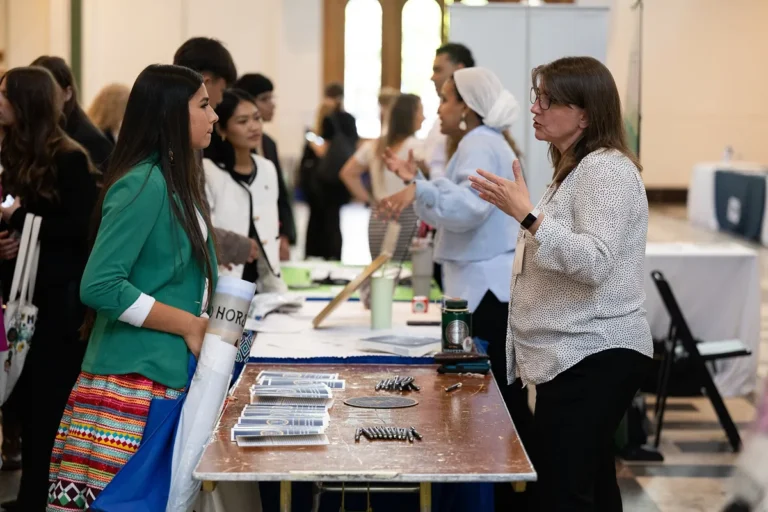
The documented editions share a recognisable shape: an afternoon start, entertainment spread across the day, booths ringing the park, and — in the 2016 edition and in the undated blog-layer edition — fireworks after dark. Live music and entertainment run through the day in the community layers. The 2017 edition’s demonstrations included Filipino dance, hula, tai chi and tae kwon do displays, a programme reflecting the island’s plantation-era mix of cultures. Food, craft and volunteer booths do much of the festival’s work: forty-five vendors are recorded for 2016, and more than forty booths for 2017.
A pineapple-eating contest appears in the 2007 news layer. The Lanai school reunion parade (LHES) belongs to the 2016 community layer, rolling at 2:30 p.m. ahead of that edition’s start. Where the layers record closing fireworks, they rise above the Cook pines ringing the park. A community layer also describes the festival as drug- and alcohol-free; that is a description of the event’s conduct, reported as such — it says nothing about admission and is not used here as though it did.
On crowd size, the record offers two weak, quite different forms, recorded unmerged. A blog layer claims roughly three thousand to four thousand attendees. A news layer, by contrast, describes hundreds of people celebrating at Dole Park — a turn of phrase in a report, not a count. No organiser-published or counted figure exists anywhere in the layers gathered, and neither weak form is promoted into one.
Planning Your Visit
The first planning fact is a limit: the most recent dated edition in the layers gathered is the twenty-fifth Annual of July 1, 2017. An undated news report of a thirtieth annual edition and an undated blog account of a Friday, July 5 edition both suggest the festival continued beyond the dated record, but neither can be pinned to a year, and no coming edition is documented in the material at hand. Anyone hoping to attend should look for a current announcement from the association rather than trusting any date in older layers.
No layer gathered publishes an admission price for this festival, and that silence must not be read as proof of free entry — the festival is never asserted free in this article, because the record does not say so. Booth food and crafts are the documented spending on the ground; a gate, if any exists in a future edition, is simply not in the record.
Timing follows a legible pattern. The dated editions cluster in late June and early July, on Saturdays, starting in the early or middle afternoon and ending at 9:00 p.m. The 2016 shape adds a useful detail: the reunion parade rolled at 2:30 p.m., half an hour before the festival’s own start, so arriving ahead of the parade is the documented way to catch the whole day.
A Festival Day on the 2017 Shape
The itinerary below follows the documented shape of the twenty-fifth Annual, Saturday, July 1, 2017, as the community layer records it — that edition’s pattern, not a promise about any future year.
- Early afternoon: reach Dole Park before the 2:00 p.m. opening, while the more than forty vendor booths set out food, crafts and volunteer information.
- Mid-afternoon: work the booth ring, then settle in for the demonstrations — the 2017 programme moved between Filipino dance, hula, tai chi and tae kwon do displays.
- Late afternoon: graze the food booths and return to the entertainment, which the community layers describe as running through the whole day.
- Evening: stay to the 9:00 p.m. close. The 2017 layer records the hours rather than a finale, but the neighbouring documented editions, in 2016 and the undated July 5 account, both ended with fireworks above the Cook pines.
How It Compares
Dole Park hosts more than this festival. The Saturday Market and the Fifth Friday events are separate recurring Lanai City gatherings at the same park; they share a venue with the pineapple festival and nothing else, and none of their facts are merged into this article.
Pineapple festivals exist elsewhere, on Oahu for example, but they are other islands’ events with their own organisers and histories, and they contribute nothing to the record of this one. What sets the Lanai event apart in its own layers is not scale — the record cannot support a scale claim — but setting: a single town, a single park, and a celebration organised by the island’s own community association around the crop that once defined its working life.
Checklist
- Confirm the edition first: the latest dated festival in the record is July 1, 2017, so look for a fresh announcement from the Lanai Community Association before making travel plans.
- Treat the founding claims as background reading, not settled fact: the 1970s and 1993 accounts contradict each other, and neither is confirmed by the organiser.
- Budget without a gate figure: no layer publishes an admission price, and the absence of a price is not evidence that entry is free.
- Arrive before the parade hour: in the 2016 shape, the school reunion parade rolled at 2:30 p.m., ahead of the festival’s 3:00 p.m. start.
- Plan to stay until 9:00 p.m.: the documented editions end at that hour, and fireworks are recorded as the closing act in the 2016 and undated blog-layer editions.
- Keep the park’s calendar separate: the Saturday Market and Fifth Friday gatherings at Dole Park are different events from the festival.
- Expect a family-style atmosphere: a community layer describes the event as drug- and alcohol-free, which is a statement about conduct at the festival.
Beyond the Festival
Dole Park’s role in Lanai City runs well beyond one summer day. Established in the 1920s as part of the plantation village, it remains the town’s central gathering place, hosting the recurring market and Friday events fenced out above.
The wider geography is worth one more plain statement. Lanai is governed as part of Maui County from Wailuku, on a different island, yet the festival is thoroughly local: sponsored and organised by the island’s own community association, staffed by volunteers, filled with the island’s own food, crafts and performers. That combination, county administration across the water and community ownership at home, is the context the layers describe.
Why It Matters
In the listing layer’s framing, the festivities began a year after the island harvested its final crop, which would make the festival from its early days a commemoration as much as a harvest celebration. The community layer’s older claim tells a longer story, of a tradition rooted while plantation life still ran. This article does not choose between those tellings. Either way, the fruit that employed the island became the occasion that gathers it, kept by the island’s oldest nonprofit organisation in the town’s central park. For a small island whose population the plantation built, that continuity — documented through dated editions, parades, booth counts and fireworks, whatever the founding year — is the festival’s real substance.
Frequently Asked Questions
Which of the two founding stories is the right one?
Neither can be confirmed from the layers gathered. A community layer attached to the 2016 edition says the event was founded in the 1970s, while a listing layer says the festivities began in 1993, just after the final pineapple harvest of 1992. No organiser layer states a founding year at all, so this article records both claims with their sources and adopts neither.
Has any layer ever published an entry price for the festival?
No. Across community, listing, news and blog layers, not one publishes an admission price for the Lanai Pineapple Festival. The gap is stated openly here, and it cuts both ways: the record does not support quoting a price, and it does not support calling the festival free, either.
How big a crowd does the festival draw?
The record gives two unmerged weak forms and nothing firmer. One blog layer claims roughly three thousand to four thousand attendees, while a news layer describes hundreds of people celebrating at Dole Park without counting them. No organiser-published or independently counted figure exists in the layers gathered, so no single number is asserted in this article.
Is the pineapple festival the same event as the other gatherings in Dole Park?
No. The Saturday Market and the Fifth Friday events are separate recurring Lanai City gatherings that share the same park. The pineapple festival is the summer event organised by the Lanai Community Association, billed in its dated layers as the fifteenth annual in 2007 and the twenty-fifth Annual in 2017.
What to Expect From the Next Maui County Hawaii Lanai Pineapple Festival
How often is Maui County Hawaii Lanai Pineapple Festival held?
The layers bill it as an annual event — local layers call it the annual Pineapple Festival, and its dated editions carry annual billings — but the dated record gathered here ends in 2017, with only undated later reports beyond it. The annual billing is reported as the layers’ characterisation, not as a verified current rhythm.
When is the next Maui County Hawaii Lanai Pineapple Festival?
No coming edition is announced in the layers gathered. The most recent datable items are an undated news report of a thirtieth annual edition at Dole Park and an undated blog account of a Friday, July 5 edition, neither of which can be assigned a year. Until the Lanai Community Association publishes a dated announcement, no next date can honestly be given.
Will the dates change?
The documented editions sit consistently in late June and early July, though the weekday has varied — Saturdays in the dated record, a Friday in the undated blog account. A future edition would fit the pattern by landing in that same window, but the record cannot confirm any specific day, and any coming date rests with the organiser’s announcement.
Closing
The Lanai Pineapple Festival comes down to a simple, durable arrangement: one island town, one central park, one community association, and a day built around the fruit that made the place. The layers disagree about when it began, fall silent about what it costs to enter, and stop dating it after 2017 — and each of those openings has been left exactly as open as the record leaves it.