Marion County Alabama Jerry Brown Arts Festival
The Marion County Alabama Jerry Brown Arts Festival is an indoor juried folk arts weekend in Hamilton, built around the memory of one of Alabama’s most decorated potters. Across two days, juried artists from around the Southeast demonstrate their crafts and sell their work under one roof, while visitors watch clay, glass, wood and fibre take shape. The festival traditionally belongs to the first weekend of March, and its documented editions drew dozens of artists. Honesty matters with this event, though. The last editions verified as actually held are those of 2019 and 2020. A listing exists for 2022, the same listing billed the festival as cancelled for 2023, and no later edition has been verified since. What follows describes it as the record supports it: a genuine arts weekend whose recent history is interrupted and whose next chapter is unconfirmed.
About the Festival
The festival is presented by the Northwest Alabama Arts Council, which a regional tourism guide names in its fuller form as the Northwest Alabama Arts Council, Inc., a nonprofit organisation and the host of the event. The Hamilton Area Chamber of Commerce lists the festival among the events it supports as a primary or secondary sponsor, but that supporting role should not be confused with organising it. Local reporting in March 2020 named Tyna Pyburn and Marla Minter as the driving force organisers behind the scenes. The festival’s theme has been given as Reflections of the South, a fitting banner for a weekend of traditional Southern craft.
Everything about the event flows from its namesake. Jerry Brown was a Hamilton potter, a ninth generation practitioner of his family’s craft, who received the National Heritage Fellowship in 1992 and the Alabama Heritage Award in 2003, and whose pottery is held by the Smithsonian. The festival that carries his name is deliberately a folk arts gathering rather than a general craft fair: juried artists demonstrate as well as sell, so visitors watch the making, not just the finished pieces. Its documented home is the Tombigbee Electric Cooperative building at 3196 County Highway 55 in Hamilton, underneath the city’s water tower near Exit 14 on Interstate 22.
Quick Facts
| Item | Detail |
| Festival | Jerry Brown Arts Festival |
| Town | Hamilton, Marion County, Alabama |
| County seat | Hamilton is the county seat and largest city of Marion County |
| Organiser | Northwest Alabama Arts Council |
| Venue | Tombigbee Electric Cooperative, 3196 County Highway 55, Hamilton |
| Traditional timing | First weekend of March |
| Last verified editions | Held in 2019 and 2020 |
| Hours at verified editions | Saturday nine to five; Sunday ten to four |
| Admission | Free, with free parking |
| Status | Listed for 2022; billed cancelled for 2023; no later edition verified |
History
Jerry Brown was born in 1942 and died in 2016. He came from a line of potters stretching back nine generations, and he carried that family tradition into national recognition. The National Heritage Fellowship, awarded in 1992, is the highest honour the United States gives to folk and traditional artists, and the Alabama Heritage Award followed in 2003.
Exactly when it began is one of the record’s honest uncertainties. One published account, from a university museum, states that the festival was created in Hamilton in 2002. A regional corridor itinerary gives a different year, 2003. Those claims sit side by side, never reconciled by their publishers, and this article will not pretend to settle them. The ordinal billings tell their own partial story: the 2019 edition was billed as being in its seventeenth year, and the 2020 edition as the eighteenth. A separate note records that Brown passed away unexpectedly on the eve of the fourteenth annual festival. Each detail stands in its own layer; none is arithmetic for manufacturing a single founding year.
For a useful comparison, see the Marengo County Alabama Faunsdale Biker Rally Festival for another county festival.
The festival’s earlier geography is also layered. An older blog account from 2011 places an edition in the former Wal-Mart building on Highway 43, on the south side of town. That weaker, older layer should not be merged with the venue firmly documented in 2019 and 2020: the Tombigbee Electric Cooperative building beneath the water tower. The 2019 edition, held on Saturday March 2 and Sunday March 3, brought more than sixty artists from seven states and was designated an official Alabama Bicentennial event. The 2020 edition followed on Saturday March 7 and Sunday March 8 with more than fifty artists. After that, the trail thins. A geotourism listing carries dates of March 5 and 6, 2022, with the same venue, hours and free admission, yet that same listing is headed with the words cancelled for 2023. A business magazine spotlight in February 2024 still listed the festival among Hamilton’s March events, but a listing is not an edition report.
What to Expect
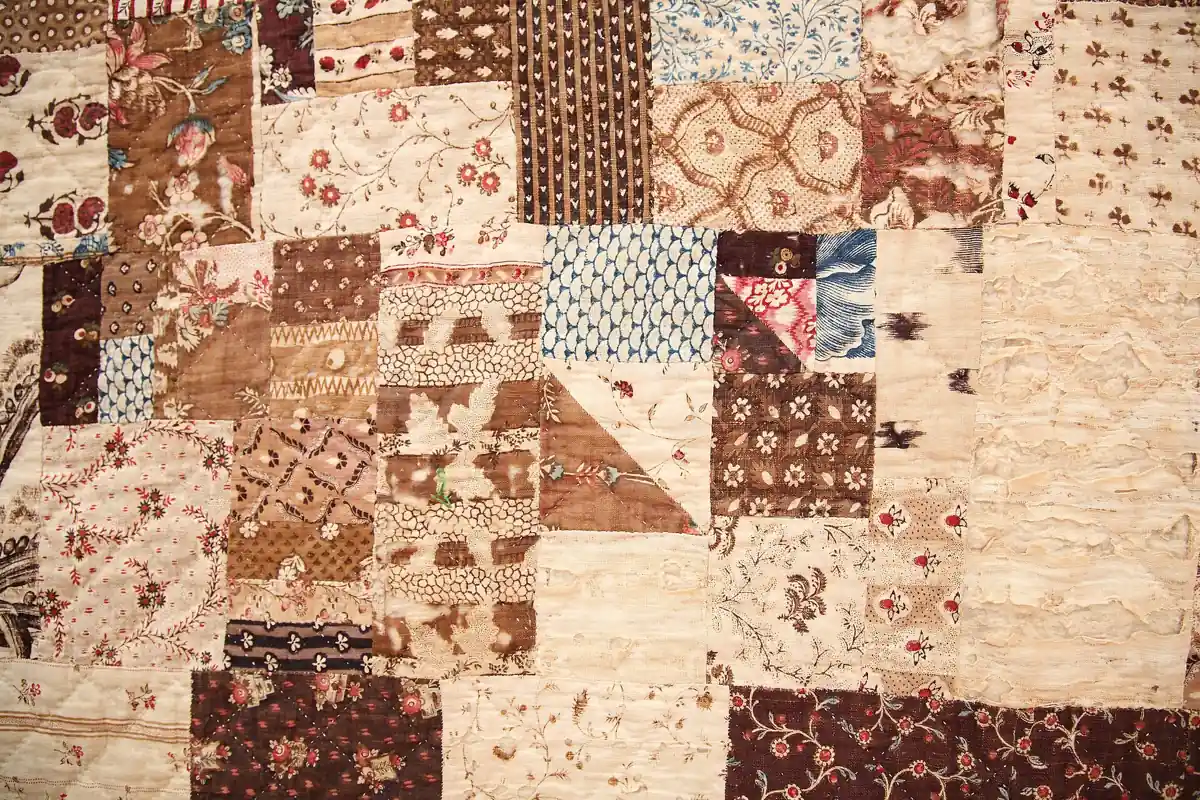
At its documented editions, the festival filled its indoor hall with juried artists from across the Southeast, each demonstrating and selling. Pottery naturally held pride of place, but the range ran far wider: several forms of glass art, mixed media, jewellery making, wood art and carving, metal art, sculpture, gourd art, quilting, fabric art, paintings, basket weaving, wire art, photography, stained glass art and even broom makers practising their trade. Because the artists demonstrated while they sold, a visitor could watch a lump of clay become a vessel and then buy a finished piece from the hands that made it.
Families were part of the design. A free Kids Art Station gave children their own place to make things rather than trail behind the adults, and it matched the festival’s habit of keeping everything free, from admission to parking. The festival’s quality was recognised well beyond Marion County, too; it has been named a Top 20 event in the Southeast.
Planning Your Visit
The first planning step is a check on the festival’s current status, because the verified record ends early. The last editions confirmed as held took place in 2019 and 2020. A 2022 listing exists, the festival was billed as cancelled for 2023, and no edition since has been verified. Anyone hoping to attend should confirm whether a new edition has been announced before making travel plans.
If the festival returns in its documented shape, the pattern is clear enough to plan around. Its traditional slot is the first weekend of March, with hours of 9 a.m. to 5 p.m. on Saturday and 10 a.m. to 4 p.m. on Sunday at the verified editions. The venue, the Tombigbee Electric Cooperative building at 3196 County Highway 55, sits underneath Hamilton’s water tower near Exit 14 on Interstate 22, an easy landmark to spot. Admission and parking were free at every documented edition. Hamilton is both the county seat and the largest city in Marion County, so food and lodging cluster there. Arriving near opening time on Saturday gives the best chance to see demonstrations before the halls grow busy.
A Sample Day at the Festival
A Saturday at the documented festival might begin at the 9 a.m. opening, when the hall is quiet enough to watch the potters work without a crowd at your shoulder. Walk the full circuit once, note which demonstrations draw you back, and watch the glass artists and wood carvers while there is room to stand close. Late morning suits the free art station, where children can make something of their own.

By midday, return to the booths that caught your eye and make your purchases while the makers are still demonstrating nearby. The afternoon hours, until the 5 p.m. close, leave room for the quieter crafts: basket weaving, quilting, broom making and wire art reward unhurried attention. A Sunday visit runs from 10 a.m. to 4 p.m. and feels more relaxed, a second pass for reconsidering a piece or catching a missed demonstration. This itinerary reflects the documented editions only.
How This Festival Compares
Many Southern arts festivals are outdoor street affairs, spread along sidewalks and courthouse squares, at the mercy of the weather. This one is different in nearly every structural way. It is an indoor festival, housed in an electric cooperative building, so rain and late winter cold never threatened it. It is juried, meaning exhibitors were selected rather than simply registered, and it is devoted specifically to folk arts, the inherited crafts of the region.
Its most unusual feature is its centre of gravity. Most festivals are named for a place, a season or a crop. This one is named for a single craftsman, a ninth generation potter whose work reached the Smithsonian, and it functions as a living memorial: every demonstrating artist works in the shadow of the standard Jerry Brown set. Free admission and parking also set it apart from ticketed regional events. Against that, its interrupted recent history is the honest difference no comparison can hide: this one’s verified record pauses after 2020, carries a 2022 listing, and records a cancellation for 2023.
Planning Checklist
- Confirm before travelling whether any edition beyond 2020 has actually been announced.
- Treat the traditional first weekend of March as history, not a promise.
- Aim for the Tombigbee Electric Cooperative building at 3196 County Highway 55, beneath the water tower near Exit 14 on Interstate 22.
- Note the documented hours: Saturday 9 a.m. to 5 p.m. and Sunday 10 a.m. to 4 p.m.
- Budget nothing for admission or parking, both of which were free at the documented editions.
- Set aside time to watch demonstrations, not just to shop, since the artists work as they sell.
- Bring children to the free Kids Art Station so they can make something themselves.
Beyond the Festival
Hamilton itself is the natural base for the festival. It is the county seat of Marion County and the county’s largest city, so the widest choice of food and lodging in the county sits in the same town where the festival is held. A visitor coming for the arts weekend is already standing in the community that raised Jerry Brown and chose to honour him with a festival rather than a plaque.
The wider legacy reaches further than the county line. Brown’s pottery sits in the Smithsonian, so a piece of Marion County craft rests in the national collection, and the festival is the hometown expression of that same story. Its folk arts community shows what traditional pottery and its sister crafts mean in northwest Alabama: skills handed down through families and practised in public.
Why the Festival Matters
The Jerry Brown Arts Festival matters because it ties a community celebration to a genuine artistic achievement. Festivals named for individuals often trade on celebrity; this one honours a working craftsman whose ninth generation pottery earned the National Heritage Fellowship and a place in the Smithsonian. By gathering juried folk artists to demonstrate in public, the festival kept those crafts visible as living skills rather than museum relics, in the potter’s own hometown, organised by the county’s arts council.
Its recognition as a Top 20 event in the Southeast showed that a free, indoor, small town festival could stand alongside the region’s biggest gatherings. Its significance is also, now, partly elegiac. Brown died in 2016, on the eve of the fourteenth annual festival by one account, and the event’s record has faltered since 2020. Whether or not it returns, the festival stands as the clearest public statement Marion County has made about what it values: handmade work, inherited skill, and its potter’s memory.
Frequently Asked Questions
Who was Jerry Brown, and why does an arts festival carry his name?
Jerry Brown was a Hamilton potter from a family line of potters stretching back nine generations. He received the National Heritage Fellowship in 1992 and the Alabama Heritage Award in 2003, and his pottery is held by the Smithsonian. The festival in his hometown honours that legacy by gathering juried folk artists to demonstrate and sell their work.
Which crafts could visitors watch being made at the festival?
The documented editions featured juried artists from across the Southeast demonstrating and selling pottery, glass art, mixed media, jewellery, wood art and carving, metal art, sculpture, gourd art, quilting, fabric art, paintings, basket weaving, wire art, photography, stained glass art and broom making. Demonstrating was central to the event, so watching the making was as much the attraction as buying the finished work.
When did the festival last take place, and is another edition confirmed?
The last editions verified as held took place in 2019, on March 2 and 3, and in 2020, on March 7 and 8. A listing carried dates in March 2022, but that same listing billed the festival as cancelled for 2023, and a 2024 magazine spotlight mention was only a listing, not a report of an edition. No later edition has been verified, so no future edition is confirmed by the record.
What was there for children to do at the festival?
The documented programme included a free Kids Art Station, where children could make things of their own while the adults browsed and watched demonstrations. Combined with free admission and parking, it made the festival an easy family outing at its verified editions.
What to Expect From the Next Marion County Alabama Jerry Brown Arts Festival
How often is Marion County Alabama Jerry Brown Arts Festival held?
In its verified years, the festival followed an annual rhythm, traditionally placed on the first weekend of March, with consecutive editions billed in 2019 and 2020. That pattern has not held in the recent record: after 2020 there is a listing for 2022, a cancellation billed for 2023, and no verified edition since, so the annual habit is best described as the festival’s tradition rather than its current reality.
When is the next Marion County Alabama Jerry Brown Arts Festival?
No next edition is confirmed. The most recent verified festivals were held in 2019 and 2020, and nothing in the checked record verifies or announces a later one. Should the arts council revive it, the first weekend of March would be the slot its history points to, but that is an inference from tradition, not a published date. Checking for a fresh announcement before planning a trip is essential.
Will the dates change?
They already have, in the sense that the festival’s calendar broke after 2020: a listing appeared for March 2022, and the following year was billed as cancelled. Because no future edition is verified, there is no settled date to change from, and any revived festival could keep the traditional first weekend of March or choose new dates entirely. Its future timing is simply unknown until its organisers publish word of a return.
The Marion County Alabama Jerry Brown Arts Festival leaves a record that is both proud and unfinished. Proud, because a small county seat built a Top 20 Southeast event around a ninth generation potter whose work reached the Smithsonian, filling a hall with demonstrating artists, free of charge. Unfinished, because the verified editions end in 2020 and the cancellation billed for 2023 has not yet been answered by a confirmed return. If the Northwest Alabama Arts Council brings it back, Marion County will not need to invent a tradition; it will only need to reopen the doors on one it already built.
One Comment