Lee County Alabama Syrup Sopping Festival
On the last Saturday of October, the small Lee County town of Loachapoka fills with the smell of cooking cane syrup. Sugar cane grown on the grounds is cut, hauled to the mill and squeezed by mule and horse power, then boiled down in open kettles into the amber syrup that gives this gathering its name. Visitors wander among historic buildings turned into working exhibits, watch blacksmiths and quilters at their crafts, and line up at the Cookhouse for sweet potato biscuits drowned in fresh syrup.
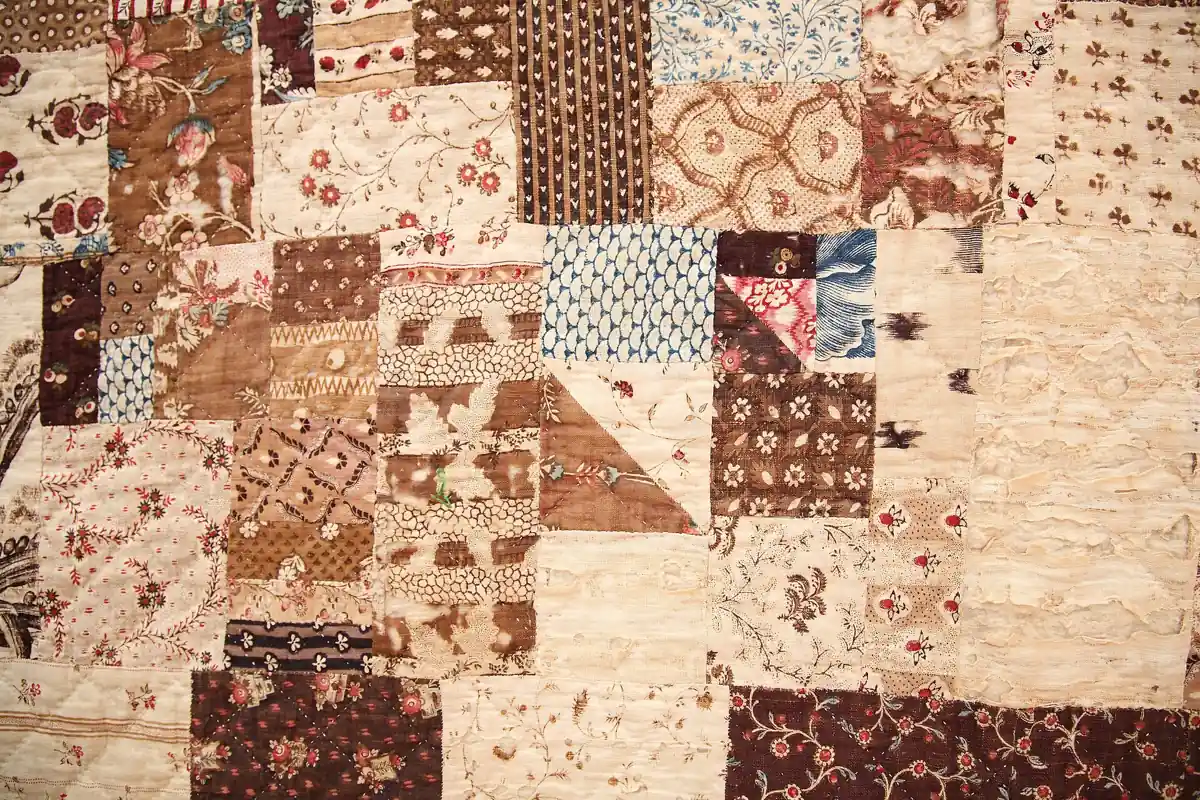
The event goes by several published names, recorded here without merging them. The Lee County Historical Society, which runs the day at its Pioneer Park, calls it Syrup Sopping Day on its site and in local news coverage, while the society’s own page title shortens the spelling to Syrup Soppin’ Day. A university events listing uses the fuller form annual Syrup Sopping Festival, the form the headline above follows. All three point to the same autumn Saturday in Loachapoka.
About the Festival
Syrup Sopping Day is the Lee County Historical Society’s signature gathering and, according to the local newspaper’s report of October 20, 2026, the society’s primary fundraiser. The whole production unfolds at Pioneer Park, the society’s grounds at 6500 Stage Road in Loachapoka, where historic buildings serve as the backdrop for a working demonstration of how cane syrup was made in an earlier century.
The heart of the day is the syrup making itself. Cane raised right at Pioneer Park is harvested, milled with animal power rather than engines, and cooked into syrup on site, so visitors can follow the process from stalk to finished jar in a single visit. Around that demonstration, the society layers pioneer-era crafts, live old-time music and performances by Creek Native American stomp dancers.
Admission costs nothing. Both the organiser’s site and the university events listing agree that entry is free, which helps explain why a town of Loachapoka’s size can draw crowds dwarfing its year-round population. Those crowd figures, however, are reported very differently depending on who is counting, and the sections below keep each estimate in its own layer.
For a useful comparison, see the Lee County Alabama Strawberry Festival for another county festival.
Loachapoka sits in Lee County in east Alabama. It is not the county seat; that distinction belongs to Opelika.
Quick Facts
| Item | Detail |
| Event names as published | Syrup Sopping Day; Syrup Soppin’ Day; annual Syrup Sopping Festival |
| Host town | Loachapoka, Lee County, Alabama |
| County seat | Opelika (Loachapoka is not the seat) |
| Organiser | Lee County Historical Society |
| Venue | Pioneer Park, 6500 Stage Road, Loachapoka, Alabama |
| 2026 date and hours | Saturday, October 31, 2026, 8 a.m. to 3 p.m. |
| 2025 date and hours | Saturday, October 25, 2025, 8 a.m. to 4 p.m. |
| Admission | Free, per both the organiser and the university listing |
| Origin as stated by sources | Began in 1971 as the Lee County Historical Fair; syrup making added in 1972 |
| Centrepiece | Cane grown on site, milled by mule and horse power, cooked into syrup outdoors |
History
The organiser-side and local-news record tells a clear two-step origin story, stated directly by the sources. The event began in 1971 as the Lee County Historical Fair. Cane syrup making was then added as a demonstration the following year, in 1972, and out of that addition Syrup Sopping Day was born. A neighbouring historical society’s programme notes likewise date Syrup Soppin’ Day to 1971.
That 1971 starting point is a documented fact about the fair, not a licence to number editions. The sources describe the beginning, the added demonstration and the name that grew from it, but they publish no official edition count, so this article uses the origin exactly as stated and never extends it into an ordinal claim.
What the record does show is staying power. More than five decades after the first historical fair, the society still builds its biggest day of the year around the same formula: harvest the cane, work the mill, cook the syrup and open the gates. The festival has become the society’s primary fundraiser, giving the old demonstration a practical modern purpose alongside its nostalgic one.
What to Expect
Expect the syrup line to anchor everything. The cane is Pioneer Park cane, cut from fields on the grounds, and the milling is done the slow way, with mules and horses providing the power. Visitors can watch the juice move from the mill to the cooking kettles and reduce into syrup over the course of the day.
Expect to eat. The Cookhouse serves sweet potato biscuits, offered with or without sausage, with cane syrup — the natural plate for a festival built around a fresh batch. Food is woven through the grounds more broadly, since the vendor rows include food sellers alongside arts and crafts stalls.
Those vendor rows are substantial, though the sources count them differently. The society’s 2026 page describes over 120 arts, crafts, and food vendors; the local newspaper’s 2026 report instead says more than 130 vendors were expected. Neither figure is treated here as settled — plan for a large market either way. The 2025 layer, fenced to its own year, listed more than 100 vendors.
Expect the historic buildings to be working rather than roped off. During the festival they become exhibits in use, framing demonstrations of pioneer-era skills that include quilting and blacksmithing. Creek Native American stomp dancers perform during the day, and live old-time music supplies the soundtrack.
Expect a crowd, and expect disagreement about its size. The society says Loachapoka welcomes approximately 10,000 visitors for the event. The state encyclopedia’s article on Loachapoka puts the figure at approximately 15,000 visitors each year. The newspaper’s 2026 reporting adds a third layer, noting that organisers estimate favourable weather can bring as many as 20,000. All three numbers circulate in print, none is reconciled with the others here, and the honest summary is that the turnout is large and weather-sensitive.
Finally, expect the day to end earlier than some returning visitors might remember. The 2026 edition ran from 8 a.m. to 3 p.m., while the documented 2025 edition ran from 8 a.m. to 4 p.m. Each closing hour belongs to its own year, and the difference is one more reason to check the current year’s listing before setting out.

Planning Your Visit
Arrive with the current year’s hours in hand, because they have shifted before. The 2026 festival opened at 8 a.m. and closed at 3 p.m. on Saturday, October 31, while the 2025 edition stayed open until 4 p.m. Treating last year’s schedule as this year’s promise is the easiest mistake a returning visitor can make, so confirm the times on the society’s own page before the drive.
Admission is free, which simplifies budgeting, but getting there still deserves thought. The newspaper’s 2026 parking layer reports that some lots are free while others sit on property where the owners may charge a fee. No parking price is published anywhere in the record, so carry some cash rather than assuming a figure, and watch for the shuttle buses running from several locations.
Because turnout estimates run into the tens of thousands in a small town, earlier is better for almost everything: a shorter walk from parking, a clearer view of the milling and cooking as the first batches move through, and a better position at the Cookhouse before the biscuit line builds. Comfortable shoes suit the park grounds, and a bag helps if the vendor rows tempt you into carrying purchases back to the car.
Leave room in the day rather than scheduling tightly around it. Between the syrup demonstration, the working exhibits, the stomp dancing, the old-time music and more than a hundred vendor stalls, the programme rewards wandering.
A Sample Day at Pioneer Park
A workable rhythm starts at the gates near the 8 a.m. opening, when the grounds are calmest and the mill crew is setting the day’s work in motion. Spend the first hour watching the cane go through the mule- and horse-powered mill and the juice begin its slow transformation, since the full process is the one thing no other stop on the grounds can match.
Mid-morning belongs to the Cookhouse. Sweet potato biscuits with fresh cane syrup, with sausage or without, make a natural second breakfast, and eating early beats joining the longest version of the line. From there, drift through the historic buildings while the demonstrations are in full swing.
Around midday, give the vendor rows their due. With counts reported at over 120 stalls by the society and more than 130 expected by the newspaper, the market alone can fill an hour of browsing. Fit the stomp dancing and a set of old-time music into the early afternoon, then finish with a final pass by the kettles before the 3 p.m. close.
How Syrup Sopping Compares With Other Fall Gatherings
Most autumn festivals in the region are built around a crop, a carnival or a concert bill. This one is built around a process. The centrepiece is not a product on a shelf but a chain of labour — planting, cutting, milling, cooking — performed in public with animal power and period buildings around it. That makes the Loachapoka day closer in spirit to a working museum demonstration than to a street fair, even though its vendor market and food give it plenty of fair-like pleasures.
It also differs in who runs it and why. The organiser is a county historical society, and the event is that society’s primary fundraiser, so the money visitors spend on food and crafts supports the preservation work that keeps Pioneer Park standing. The free admission fits that model: the gate is open to everyone, and the fundraising happens inside.
The naming muddle is unusual too. Readers will find all three name forms in print for the same event, something this article deliberately leaves unmerged rather than tidied away.
A Visitor’s Checklist
- Confirm the current year’s date and closing hour on the society’s page before travelling, since hours differ between recent editions.
- Plan to arrive near the 8 a.m. opening for easier parking and the fullest view of the syrup making.
- Carry cash for parking, because some lots charge a fee and no price is published in advance.
- Ride a shuttle bus from one of the outlying locations if the main lots look full.
- Head to the Cookhouse for sweet potato biscuits with cane syrup before the midday line peaks.
- Watch at least one full pass of cane through the mill and into the cooking kettles.
- Leave generous time for the vendor rows, which number well over a hundred stalls.
- Bring a bag for jars of syrup and craft purchases.
- Wear comfortable shoes suited to park ground and a full morning of standing at demonstrations.
Beyond the Festival Grounds
Loachapoka rewards a slower look once the festival ends. It is one of Lee County’s older small towns, and Pioneer Park itself, with its collection of historic buildings, is worth appreciating as a preserved place rather than only as a festival venue. The society maintains the grounds year-round, and the buildings that host demonstrations each October stand as a record of how the community chooses to remember its past.
The wider county offers a natural pairing for a weekend trip. Opelika, the Lee County seat, lies a short drive away and serves as the area’s larger hub for dining, lodging and shopping, while Auburn adds a university town’s energy nearby. Visitors who come for syrup on Saturday can build a broader east Alabama weekend around it.
Why This Day Matters
Syrup Sopping Day preserves a skill that industrial food production nearly erased. Cane syrup was once a staple sweetener across the rural South, made on farms each autumn with exactly the equipment and animal power the festival still uses. By performing that work in public every year, the society keeps the knowledge embodied — in hands, not just in books — for visitors who may never have seen a mill turn.
The event matters locally in a second way: it funds the preservation it celebrates. As the society’s primary fundraiser, the festival converts a day of biscuits, crafts and music into resources that maintain Pioneer Park and its buildings. The crowd layers make the scale plain even where they disagree — whether the true figure is nearer the society’s approximately 10,000, the encyclopedia’s approximately 15,000 or the organisers’ fair-weather estimate of 20,000, a very small town hosts a very large day, on a line running back to the historical fair of 1971.
Frequently Asked Questions
Which name is right — Syrup Sopping Day, Syrup Soppin’ Day or Syrup Sopping Festival?
All three forms appear in print for the same event, and this article leaves them unmerged. The historical society’s site and local news use Syrup Sopping Day, the society’s page title reads Syrup Soppin’ Day, and a university events listing says annual Syrup Sopping Festival, the form followed in the headline here.
How many people actually turn up?
The sources offer three different layers and none is treated as settled. The society says approximately 10,000 visitors, the state encyclopedia says approximately 15,000 each year, and the newspaper reported organisers estimating as many as 20,000 when the weather cooperates.
What will parking cost me?
Nobody publishes a figure. The newspaper’s 2026 layer says some lots are free and others are on property where owners may charge, with shuttle buses running from several locations, so bring cash and expect the price, if any, to be set at the lot.
Is Loachapoka the county seat?
No. Opelika is the Lee County seat. Loachapoka is the small town that hosts the festival at Pioneer Park on Stage Road.
What to Expect From the Next Lee County Alabama Syrup Sopping Festival
How often is Lee County Alabama Syrup Sopping Festival held?
The documented pattern is an autumn event in Loachapoka, with the recent verified editions falling on the last Saturday of October — October 25 in 2025 and October 31 in 2026. The historical society publishes each year’s details through its own page, which remains the authoritative place to confirm the rhythm holds.
When is the next Lee County Alabama Syrup Sopping Festival?
No later edition’s date appears in the verified record used here, so a specific day should not be assumed. Based on the two most recent editions, the last Saturday of October is the reasonable expectation, but the society’s announcement for the coming year settles it, including the closing hour, which was 4 p.m. in 2025 and 3 p.m. in 2026.
Will the dates change?
They can, at least at the edges. Both recent editions kept the late-October Saturday pattern, yet the operating hours moved by an hour between 2025 and 2026, which shows the society adjusts the day to suit the year. Treat the pattern as a guide and the organiser’s own listing as the decision.
For anyone who cares about how food was once made — slowly, publicly and by hand — the trip to Pioneer Park earns its place on the autumn calendar. Come for the biscuits if you must, but stay for the mill: a mule turning cane into syrup is a sight modern life rarely offers.