Sullivan County New Hampshire Cornish Fair Festival
Late in August, the small town of Cornish gives its civic centre over to a fair. The Sullivan County New Hampshire Cornish Fair Festival is the Cornish Fair, three days of dairy cattle, pulling contests, judged exhibits and midway rides spread across fairgrounds, an elementary school, two town hall buildings and a ball field. It is run by the Cornish Fair Association, Incorporated, a local body that was incorporated two years after the first fair, and its own handbook bills the fair as the home of the Sullivan County 4-H Fair.
Two disambiguations belong at the front. Cornish, the town that hosts this fair, is not Newport, the Sullivan County seat; the county’s courthouse town and its fair town are different places, and a visitor who navigates to Newport will miss the fair entirely. Cornish, New Hampshire is also not Cornish, Maine, which has fair history of its own that has nothing to do with this event and none of which belongs in this account.
A Fair Woven Through the Town’s Own Buildings
Most county fairs occupy a single fenced ground. The Cornish Fair occupies a town. Its fairgrounds stand at 294 Town House Road in Cornish, and the fair spreads outward through the civic core: open-show exhibits fill the gymnasium and classrooms of Cornish Elementary School, the Art Show and Sale hangs in the Town Hall Building, forage, maple and honey entries go to the Little Town Hall, beef cattle stand at the ball field, dairy cattle fill the dairy barns, and the pulling contests work the Pulling Ring. Attending means walking the centre of Cornish itself; the association’s mailing address, Post Office Box 245 at Cornish Flat, is a place for letters rather than the ground a visitor should seek.
The organiser is the Cornish Fair Association, Incorporated, named in that form on the fair’s own agricultural camping paperwork; the handbook’s rules also call the same body the Association or the Fair Association in shorter forms. It is one local association, incorporated in 1952.
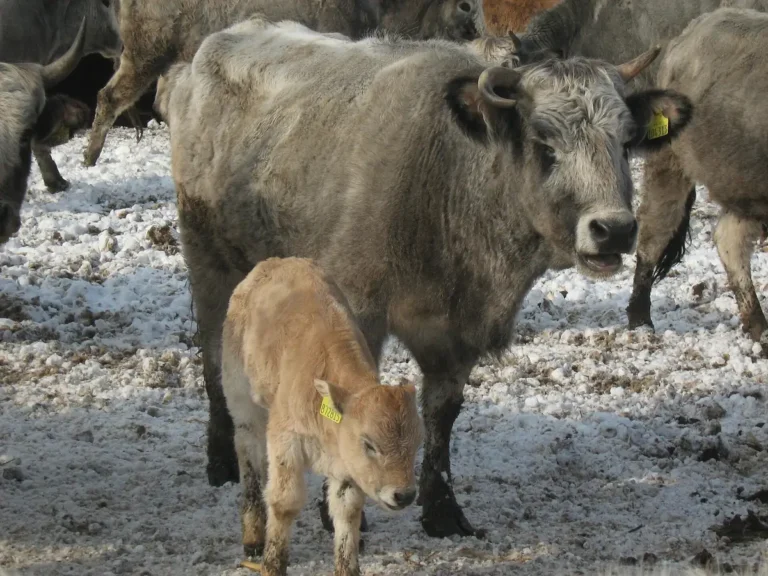
The fair’s centre of gravity, by its own account, is dairy cattle. The association describes its dairy show as the largest dairy show in all of New Hampshire. That superlative is the fair’s own billing, printed here as billing rather than as a measured ranking, but the dedicated dairy barns and strong 4-H dairy presence give cattle a prominence the midway never quite matches.
For a useful comparison, see the Strafford County New Hampshire Granite State Fair Festival for another county festival.
Quick Facts
| Detail | What the record shows |
| Fair | The Cornish Fair |
| Organiser | Cornish Fair Association, Incorporated |
| Fair town | Cornish |
| County seat | Newport, which does not host the fair |
| Grounds | Cornish Fairgrounds, 294 Town House Road, Cornish |
| Season | Late August, Friday to Sunday, three days |
| 2026 edition | Billed as the 76th Annual, August 21 to 23, theme Celebrating Red, White, and Blue |
| Admission | No 2026 price published in the fair’s own record; gates are cash only |
| Camping | A participants’ agricultural camping area only; no general public campground |
| Billing | Home of the Sullivan County 4-H Fair, in the fair’s own words |
From Penny Jamborees to a Fifty-Cent Gate
The fair’s own written history begins, unusually, with a fundraiser for a school. In 1948 the local Parent Teacher Association held a Penny Jamboree in the Town Hall, raising money toward the present school building, and a second jamboree followed in 1949. Those evenings are the fair’s documented precursors, not the first fair, and the fair’s own summary does not claim them as one.
The first fair itself ran on September 1 and 2, 1950, under the name Cornish Town Fair. A Little Sister Beauty Contest formed part of the occasion, judged in part by Maxfield Parrish, the artist whose connection to the town the fair’s own summary records. In 1952 the Cornish Fair Association was incorporated, giving the young event a permanent legal home.
The decisive changes came in 1954. That year the fair stretched to three days, charged admission for the first time at fifty cents, and had its date officially moved to August, the season it still keeps. Horse pulling arrived in the layers of the mid-1950s, and the Miss Cornish Fair Queen contest began in 1958. The annual billing has run forward in step since: the fair’s town report layer called 2024 its seventy-fourth year, the following year’s coverage marked seventy-five years, and the 2026 handbook cover bills the seventy-sixth annual fair. That sequence is carried here as the fair’s billing; the documented founding fact underneath it is the first fair of 1950.
What to Expect
Dairy Cattle at the Centre of the Grounds
The dairy show is the fair’s headline act. Open dairy judging fills the dairy barns, beef cattle show at the ball field, and 4-H exhibitors show alongside the open classes, which is what the handbook’s home of the Sullivan County 4-H Fair billing describes in practice. Visitors who come for animals should start at the barns in the morning, when judging is under way and the animals are fresh, rather than treating the cattle as a backdrop to the midway.
Pulling Power and the Woodsmen
The Pulling Ring hosts the fair’s contests of strength: horse, oxen, pony and tractor pulling, with lawn-tractor pulling and a farm-horse event in the same programme family. A separate strand celebrates the region’s timber heritage in the event the programme calls Lumberjack, a woodsmen contest of sawing and chopping skills. A horse show adds a ridden element.
Judged Work Inside the School and the Halls
The open-show departments are where Cornish exhibits itself. Art, crafts, culinary entries, fancy work, photography, quilts, flowers and vegetables fill the elementary school’s rooms, forage crops, maple and honey go to the Little Town Hall, scarecrows appear among the departments, and school exhibits give local children judged space inside their own school. The Art Show and Sale runs on a generous rule: twenty percent of sales go to the Cornish Fair Scholarship Fund, so a purchase supports a local student as well as an artist. The Marty Churchill Award, the renamed People’s Choice award, lets visitors honour a favourite entry.
Rides, Stages and Younger Visitors
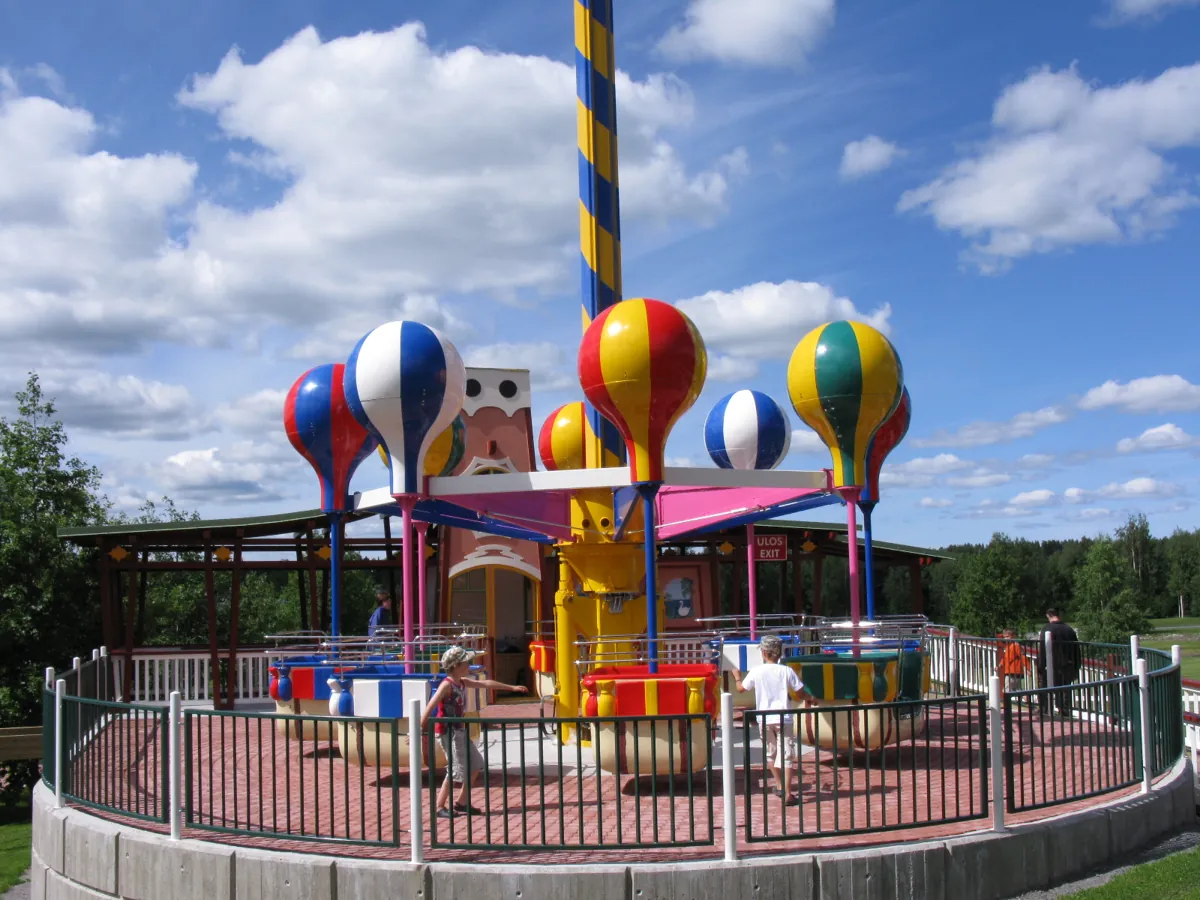
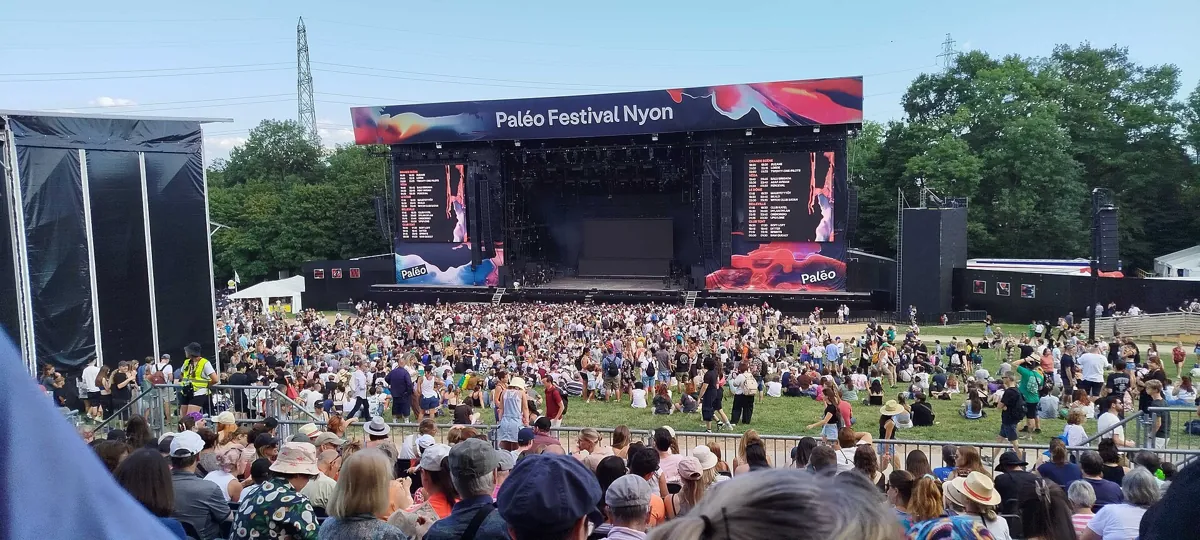
Around the agricultural core, the fair runs as fairs do. Midway amusement rides turn on the grounds, live entertainment and stage shows punctuate the days, and children’s activities give families a strand of their own. Imagery in the fair’s own material also shows lawn-mower and all-terrain vehicle racing, a noisy modern counterpoint to the ox teams.
Planning Your Visit
Money at a Cash-Only Gate
Bring cash. The fair’s own site states plainly that entry gates are cash only, with cash machines on site for visitors who arrive short. The second money fact requires equal plainness: no 2026 admission price appears in the fair’s handbook or on its site as published, so no current gate price can honestly be quoted here. The most recent documented layer is a 2025 fair guide, which listed adults at fifteen dollars, children twelve and under free, and ride bracelets at thirty dollars for a four-hour session. Those figures belong to 2025 and are offered only as a budgeting scale; they are not the 2026 price, and the fair has not published one in its own record. Parking is in the same position: the handbook enforces accessible-parking rules and towing, but publishes no public parking price, so none is stated here.
Hours the Handbook Governs
Two sets of hours circulate in the fair’s own layers, and they do not agree. The fair’s rulebook, its Open Show Handbook, opens the fairgrounds at seven in the morning daily and closes them at nine in the evening on Friday and Saturday and at five on Sunday, with the school exhibits closing at eight. A listing block elsewhere in the fair’s material runs later, toward eleven at night. Where a fair’s rulebook and its listing disagree, the rulebook is the document the fair enforces, so plan around the handbook’s hours and treat any later closing as a bonus rather than a promise.
One Full Saturday, Hour by Hour
A workable Saturday begins at the dairy barns shortly after the grounds open, watching judging while the cattle are settled. Mid-morning belongs to the school: walk the gymnasium and classrooms for the culinary, quilt, flower and photography departments, then cross to the Little Town Hall for maple and honey. Take lunch from the fair’s food sellers, spend the early afternoon at the Pulling Ring, and give the middle of the afternoon to the Town Hall’s Art Show and Sale. Return to the barns for a last look, fit in a stage show or a midway ride, and be ready to leave at the handbook’s nine o’clock closing rather than the later hour a listing might suggest.
Camping Belongs to Participants
The handbook’s general rule is that camping is not generally permitted, except in limited designated spaces, and the fair’s own camping paperwork explains what that exception is: an agricultural camping area for fair participants. On the fair’s 2026 form, camping for the entire stay costs fifty dollars, with tents only at ten dollars; a camping pass covers the unit and one vehicle; units are not connected to electricity before the Thursday prior to the fair; and the form and payment go to the association by the first of July. Campers in that area must also hold three-day passes at thirty-five dollars per pass. That pass is a camper and exhibitor product sold with the camping arrangement, not the public admission price, and it must never be read as the gate. Ordinary visitors should plan on lodging in the surrounding towns and treat the fair as a day trip, however long the day.
How Cornish Compares With the Big-Grounds Model
Many New Hampshire fairs gather everything onto one large fairground, where a visitor can spend three days without leaving the fence. Cornish inverts that model. Its exhibition halls are a working school, its art gallery is the town hall, its beef ring is a ball field, and the walk between departments is a walk through a small town’s centre. The trade is scale for texture: Cornish offers depth in dairy cattle and judged work rather than breadth of spectacle, in a setting no purpose-built ground can imitate.
A Checklist Before You Set Out
- Carry cash for the gate, because the fair’s own notice says entry is cash only.
- Budget from the 2025 guide’s scale while remembering no 2026 gate price has been published by the fair.
- Start at the dairy barns in the morning, when judging is under way.
- Leave time for the elementary school exhibits, which close earlier than the grounds.
- Check the Art Show and Sale in the Town Hall Building and remember a fifth of each sale supports the scholarship fund.
- Plan your evening around the handbook’s closing hours, nine on Friday and Saturday and five on Sunday.
- Do not count on camping unless you are a fair participant using the agricultural camping area.
- Aim navigation at Cornish and Town House Road, not at Newport, the county seat.
- Bring a layer for a late-August evening in the Connecticut River valley.
Beyond the Fairgrounds
The fair uses only part of what Cornish is. The civic buildings it borrows — the elementary school, the Town Hall and the Little Town Hall around Town House Road — return to ordinary town business on Monday, and Cornish Flat, the village named in the association’s mailing address, carries on its quieter year. Newport, the county seat, holds the county’s offices and makes a practical companion stop for anyone combining the fair with county errands. A small farming town at the end of August, with its fair folded into its own schoolrooms, rewards visitors who slow down rather than those collecting attractions.
Why This Fair Matters to Sullivan County
Sullivan County is one of New Hampshire’s smaller counties, and its fair does not try to outgrow that scale. Instead, the Cornish Fair concentrates the county’s agricultural identity into one town’s centre: its handbook bills the fair as the home of the county’s 4-H fair, its dairy show carries the fair’s claim to be the state’s largest, and its scholarship fund turns art sales into educational support. The fair’s survival since 1950 rests on the same structures that founded it — a local association, borrowed civic buildings, and a town willing to hand its centre to agriculture for three days each August.
Frequently Asked Questions
Which town actually hosts the fair, if Newport is the county seat?
Cornish hosts it. Newport is the Sullivan County seat and holds the county’s government, but the Cornish Fair has always belonged to Cornish, at 294 Town House Road and in the town’s school and halls. Set your navigation for Cornish.
What will admission cost in 2026?
The fair’s own record does not publish a 2026 gate price, so this article does not invent one. A 2025 guide listed adults at fifteen dollars with children twelve and under free, which gives a scale for budgeting, and the gates take cash only whenever you arrive.
Can an ordinary visitor camp at the fair?
Not as a member of the public. The fair’s rule is that camping is not generally permitted outside limited designated spaces, and its camping form describes a participants’ agricultural camping area, at fifty dollars for the stay or ten dollars for tents only, with forms due by the first of July.
What should a first-time visitor see before anything else?
The dairy judging, on the fair’s own billing the largest dairy show in New Hampshire, and the judged exhibits inside Cornish Elementary School. Together they show the fair’s two strengths — serious cattle and a whole town’s judged work — in a single morning.
What to Expect From the Next Sullivan County New Hampshire Cornish Fair Festival
How often is the Sullivan County New Hampshire Cornish Fair Festival held?
It is held once each year. The fair’s tradition places it across three days, Friday to Sunday, in the third week of August, a season it has kept since its date was officially moved to August in 1954.
When is the next Sullivan County New Hampshire Cornish Fair Festival?
The documented current edition is the one billed as the seventy-sixth annual, held August 21 to 23, 2026. The following edition would be expected in late August of the next year by the fair’s established pattern, but its exact dates rest with the association’s own handbook and announcements, which are the only safe place to take them from.
Will the dates change?
They can shift within their season. The fair moved from September to August early in its own history, so movement is not without precedent, even though the late-August weekend has been its settled pattern for decades. Confirm the exact days against the fair’s own handbook each year.
Three days, one small town, and a dairy show at the centre of it: the Cornish Fair has kept that shape since a Parent Teacher Association jamboree turned into a town fair in 1950. Arrive with cash in your pocket, start at the barns, and let the schoolrooms and town halls show you the rest of what Sullivan County makes, grows and judges best.