Wheatland County Montana Fair Festival
In the county’s own paperwork, this festival carries a longer and more honest name: the Wheatland County Youth Fair. The middle word matters. Harlowton’s fair is not a commercial fair with a youth department attached; it is a fair built entirely around young exhibitors, held at the Wheatland County Fairgrounds as July turns into August, and it is the only county fair Wheatland County has. Across three days the programme moves from small-animal judging and interviews with judges, through a full horse show, to a Friday of livestock on the scales and in the ring that ends with a buyers’ dinner and an auction. Its entry book carries a rule most fairs never print: enrolment in 4-H or FFA is not required to show here, and eligibility is drawn wider than the county line, reaching into neighbouring school districts and a whole river drainage. For spectators, the record is quieter — no admission or parking price is published on the fair’s side — and this guide keeps that silence intact rather than dressing it up as a promise.
About the Wheatland County Youth Fair
The fair’s real published name is the Wheatland County Youth Fair, and statewide listings that shorten it to “Wheatland County Fair” are using a listing convenience, not naming a second, more general event. There is one fair in Harlowton each summer, and young people are its whole programme. It is run by the Wheatland County Youth Fair Board, whose officers and committees are printed in the fair’s entry book, working alongside MSU Extension Wheatland County; the county Extension Agent sits on the board itself. The fair publishes a complete entry book and takes its entries through the FairEntry system.
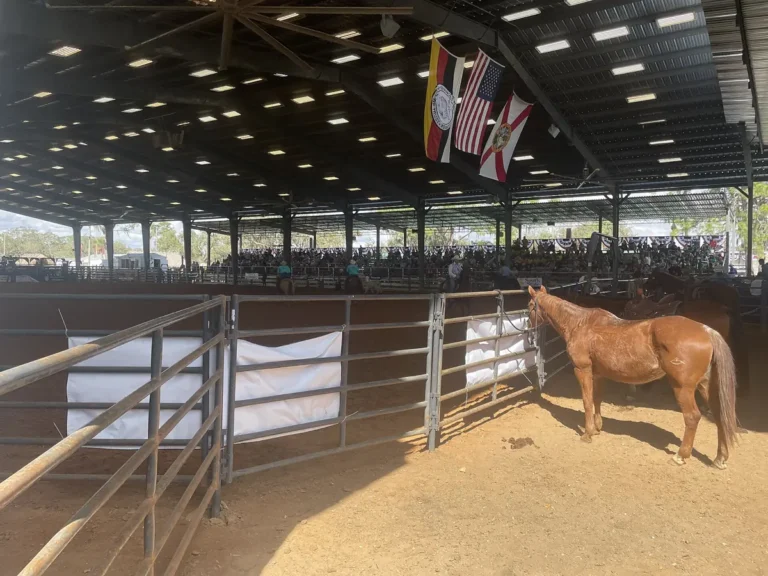
The grounds it occupies are the Wheatland County Fairgrounds, shared with the rodeo arena in Harlowton, the county seat. The facility is a working livestock plant: back pens, five chutes and calf chutes, holding and watering corrals, a concession area and restrooms. No street address for the grounds appears in the fair’s published material, and none is invented here; the Extension office is the fair’s public doorway, and grounds rentals run through that office too.
Quick Facts
| Item | Detail |
| Published name | Wheatland County Youth Fair |
| Listing short form | Wheatland County Fair (a shorthand used by statewide lists, not a separate event) |
| Host town | Harlowton, the county seat |
| Venue | Wheatland County Fairgrounds and Rodeo Arena |
| Run by | Wheatland County Youth Fair Board, with MSU Extension Wheatland County |
| Season | The turn of July into August |
| Documented 2026 window | July 29–31, 2026, carried by the fair’s FairEntry record |
| Who may exhibit | Youth of Wheatland County, the Musselshell drainage, and the Ryegate and Melville school districts |
| Enrolment rule | Open fair — no 4-H or FFA enrolment required |
| Admission | No gate, pass or parking price is published in the fair’s own material |
What to Expect
Small Animals, Indoor Exhibits and Interviews Open the Fair
The documented shape of the week, set out in the fair’s 2025 entry book, begins on the Wednesday. Small animals are judged and indoor exhibits are checked in, and the day carries the fair’s signature discipline: interview judging, in which an exhibitor sits down with a judge and talks through what the project taught them. It rewards understanding over polish. Concessions run each day, feeding the families working through the schedule.
Thursday Belongs to Horses
The second day is given to the horse show. In ranch country where a good horse is working equipment first, a full day of horse classes is one of the programme’s pillars, and exhibitors who spend the year riding for cattle work show what their horsemanship can do under a judge’s eye.
For a useful comparison, see the Valley County Montana Northeast Montana Fair Festival for another county festival.
Livestock on the Scales and in the Ring
Friday is the fair’s centre of gravity. The day opens with the weigh-in — the moment a season of feeding becomes a number — and runs into judging across five species: beef, dairy, swine, sheep and goats. Around the species classes sit two pieces of machinery that say a great deal about the fair’s values: Round-Robin showmanship, which tests the best handlers against animals outside their own speciality, and the Livestock Herdsmanship Award, which recognises the unglamorous work of keeping pens, animals and aisles in order. Awards are presented during the fair itself, while the community that produced them is still gathered.
A Buyers Dinner, Then the Auction
The week closes on Friday evening in two movements. First comes the Buyers Dinner at 4:30 p.m., where the businesses and families who will bid are fed and thanked; then, at 5:30 p.m., the Livestock Auction turns the week’s judged animals into the young exhibitors’ earnings. Those bids are the machinery by which a community pays its young people for a summer of work, not prices a visitor pays for entertainment. A spectator’s role is to watch a small town settle its accounts with its own children, generously and in public.
History
The Youth Fair’s history has to be told from its paperwork, because paperwork is what it publishes; it does not print a founding story. What its 2025 entry book does print, on its cover, is billing: it calls itself the “71st Annual Fair Entry Book.” That is the fair’s own billing, and it is carried here exactly as that. Turning it into a founding year would require arithmetic the fair itself does not perform, and this article will not perform it either. A fair whose book has reached at least its seventh decade of editions plainly has deep roots; the record simply declines to date the first one.
What the documents do show is a fair that re-decides itself every year. Officers and committees are reprinted edition by edition; rules are revised in small print — one year’s book even notes, for that year alone, that there would be no dance, a sentence that proves the programme is argued over annually rather than inherited whole. The fair’s past is a run of books rather than a legend.
Planning Your Visit
Finding the Grounds in Harlowton
Everything the fair does happens at the Wheatland County Fairgrounds in Harlowton, the county seat, in central Montana’s Musselshell River country. Because no street address is published for the grounds, ask locally or check with the Extension office before you travel; in a town this size the fairgrounds are part of the everyday geography. Build your timing around the week’s documented shape — small animals and interviews first, horses in the middle, livestock and the sale at the end — and confirm the current edition’s settled days before setting out, since editions shift by a day or two.
Coming as an Exhibitor Family
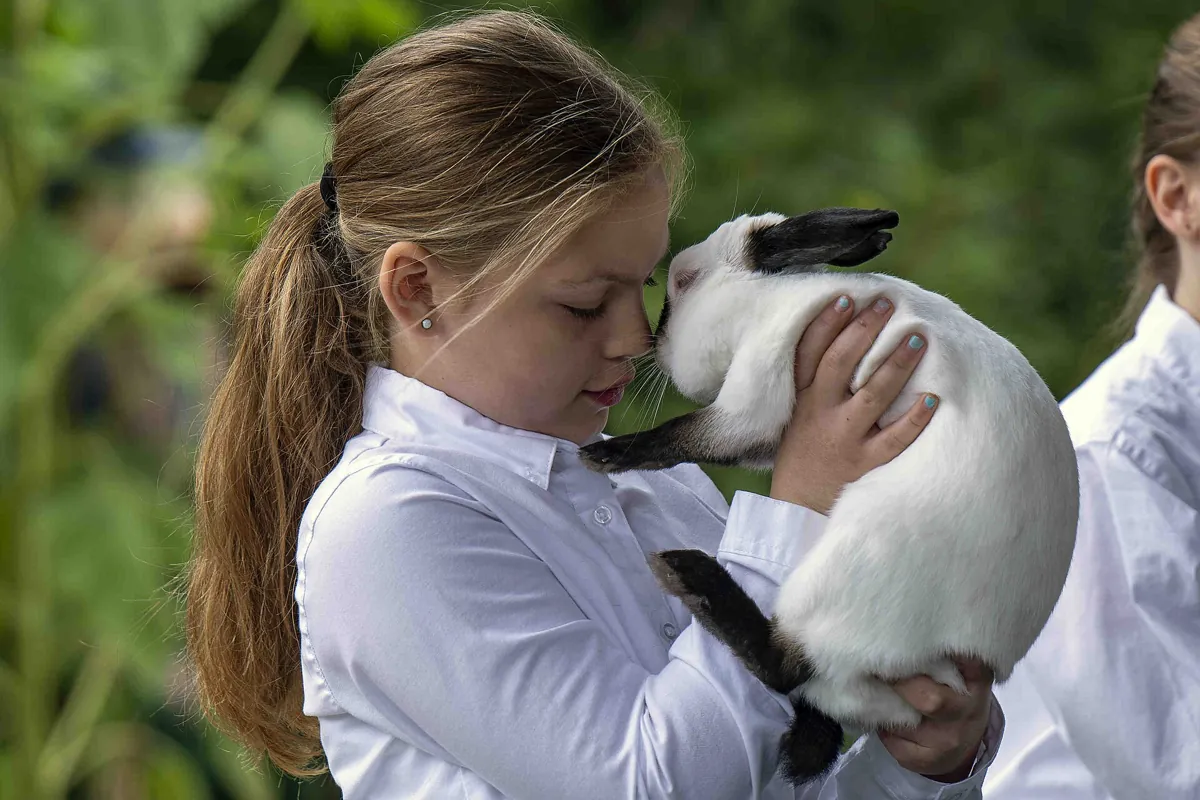
If your family is showing, the entry book is your rulebook and the FairEntry record is your door. In the 2025 book, entries closed in mid-July, a fortnight before the fair opened — treat that gap as the pattern and verify the current year’s deadline rather than assuming it. The eligibility rules deserve a close read: competition is open to the youth of Wheatland County and, beyond the line, to young people of the Musselshell drainage and of the Ryegate and Melville school districts. A young person who has raised an animal or built a project outside any club structure can still bring it to Harlowton and be judged.
Costs and Camping, Stated Plainly
Here is what the record does not contain: any price. No admission charge, no pass, no parking fee appears in the entry book or any other fair-side material. That is not the same thing as free, and the fair should not be described that way — it is an unpublished position, so carry cash for the concessions that run each day. Camping is similar: a tourism listing files the grounds under a camping category but publishes no fair-week terms, so settle the question with the Extension office in advance rather than arriving with a trailer and an assumption.
A Friday at the Fair
Friday is the day to choose if you can only choose one. Arrive in the morning as the weigh-in works through the barns and the scale yard. Spend midday ringside, moving between the beef, dairy, swine, sheep and goat classes, and break for lunch at the daily concessions. In the afternoon, watch for the showmanship work — the Round Robin in particular, where the week’s best young handlers are tested on animals they did not raise. As the light softens, take a seat for the Buyers Dinner hour at 4:30 p.m. and stay on for the Livestock Auction at 5:30 p.m., when the week resolves into applause and bidding.
How This Fair Differs From a Commercial County Fair
Set the Youth Fair beside the standard American county fair and the contrasts are structural. A commercial fair hires its programme — midway rides, grandstand concerts, demolition metal — and sells admission to watch it; Harlowton’s book documents no such apparatus, because its programme is not hired but raised, built, sewn and fed by the exhibitors themselves. Most fairs also treat their county line as a wall. Wheatland does something subtler: it keeps its own fair, in its own seat, and opens its entry book outward along the lines its families actually live by — a river drainage and two school districts — so the exhibitor map follows settlement patterns rather than survey lines. And where many fairs gate youth classes behind club membership, this one’s first rule of identity is an open door.
Fair Week Checklist
- Confirm the current edition’s exact days and entry deadline in the fair’s own book or FairEntry record
- Bring cash for the daily concessions; no card or price information is published
- Do not assume admission is free — no gate price is published at all
- If exhibiting, read the eligibility rule; your drainage or school district may qualify you outside the county
- Remember that no 4-H or FFA enrolment is required — an unaffiliated project is welcome
- Plan Friday evening around the Buyers Dinner at 4:30 p.m. and the Livestock Auction at 5:30 p.m.
- Ask the Extension office about camping before bringing a trailer; no fair-week terms are published
- Treat the July rodeo at the same grounds as a separate trip — it is not part of fair week
Beyond the Fairgrounds
The fairgrounds earn their keep outside fair week. A visitor who times things differently will find the same chutes and corrals hosting Harlowton’s separate annual rodeo across the July 3rd and 4th holiday, with a high school rodeo at the grounds over the Memorial Day weekend — both genuine occasions, and both distinct from the Youth Fair, sharing an address rather than a programme. In April, the Harlowton Kiwanis Show gives the town its spring gathering. Beyond the arena fence, Harlowton serves a wide, dry, beautiful stretch of central Montana, where the Musselshell River threads through wheat and cattle country. Fair week is the best reason to come; the country itself is a good reason to linger on the drive home.
Why an Open Youth Fair Matters to Wheatland County
A closed fair measures a county’s club membership. An open one measures its young people. By refusing to make enrolment the price of entry, the Youth Fair catches the ranch kid whose family never joined anything, the town kid with a garden or a welding project, and the exhibitors who come in from Ryegate, Melville and the Musselshell drainage because their school or their creek says this is their fair. The auction closes the loop: local buyers pay real money for the work, in front of their whole community. For a small county, that is not entertainment programming; it is how the place tells its young people that staying and working here is worth something.
Frequently Asked Questions
Can anyone exhibit, or do you have to belong to 4-H or FFA?
Neither membership is required. The entry book states in its general rules that this is an open fair, with no enrolment in 4-H or FFA programs necessary. What matters is eligibility and a project: exhibitors must fall within the published boundaries — Wheatland County itself, the Musselshell drainage, or the Ryegate or Melville school districts — and enter by the deadline.
Do spectators pay to attend?
No spectator price has been published. The entry book and every other fair-side source are silent on admission, passes and parking, so the honest answer is that the fair’s position is unpublished rather than free. Expect to spend at the daily concessions, and direct any questions to the Extension office.
Which town hosts the Wheatland County Montana Fair Festival?
Harlowton, the county seat, hosts it at the Wheatland County Fairgrounds, shared with the rodeo arena. The town also stages a separate annual rodeo at those grounds in early July and a high school rodeo in late spring, but those are independent events; the Youth Fair itself occupies the turn of July into August.
What happens on the last day of the fair?
On the documented Friday pattern, the day begins with the weigh-in and moves through judging in beef, dairy, swine, sheep and goats, with showmanship honours contested along the way. The evening belongs to the Buyers Dinner at 4:30 p.m. and the Livestock Auction at 5:30 p.m., where the week’s market animals are sold and the fair ends at the fall of the final bid.
What to Expect From the Next Wheatland County Montana Fair Festival
How often is the Wheatland County Montana Fair Festival held?
It is an annual fair. Each summer the Youth Fair Board and MSU Extension Wheatland County publish the edition’s entry book and run the fair across its three days at the Harlowton fairgrounds, following the Wednesday-to-Friday rhythm of recent books.
When is the next Wheatland County Montana Fair Festival?
The fair’s season is settled even when its exact days are not: expect the next edition at the turn of July into August, in line with the recent documented windows — the 2025 book ran July 30 to August 1, and the FairEntry record for 2026 carried July 29 to 31. The coming edition’s settled dates and entry deadline will appear in that year’s book and entry record; confirm there before making plans.
Will the dates change?
Small shifts are the fair’s normal behaviour. The statewide record put Harlowton at July 31 to August 2 in one recent edition, the 2025 book used July 30 to August 1, and the 2026 entry window fell on July 29 to 31 — the season never moves, but the days slide a little as calendars realign. Check the current book rather than last year’s memory.
Closing
The Wheatland County Youth Fair asks something unusual: that a fair can be complete without a midway, a gate price or a headliner, so long as its young people are genuinely examined, genuinely judged and genuinely paid. Harlowton’s book — open to the unenrolled, bordered by a drainage and two school districts, closed each year by a dinner and an auction — is the county’s argument that this is enough. Arrive on the Friday if you can, and let a small fair in the Musselshell country make the argument in person.